
Are your kitchen cabinets a jumbled mess? Do you find yourself rummaging through clutter every time you need a pot or pan?
You’re not alone. Many people struggle with organizing their kitchen cabinets efficiently, making cooking a tedious task rather than a joy. Imagine a kitchen where everything is in its place, easy to find, and ready to use. With a clear diagram and practical tips, you can transform your kitchen chaos into a well-organized space that saves you time and energy.
In this guide, we’ll show you how to create a foolproof system for organizing your kitchen cabinets. Discover the simple yet powerful techniques to maximize your storage and streamline your cooking process. Are you ready to turn your kitchen into a model of efficiency? Let’s dive into the secrets of a perfectly organized kitchen cabinet diagram.
Assess Your Needs
Evaluate what you need for your kitchen first. Consider storage for pots, pans, and utensils. Think about accessibility and your cooking habits.
Assessing your needs is the cornerstone of organizing kitchen cabinets effectively. Before you dive into rearranging or decluttering, understanding what your kitchen truly requires can save you time and frustration. The goal is to create a space that not only looks tidy but also enhances your daily cooking experience. You want your cabinets to work for you, accommodating your lifestyle and cooking habits seamlessly.Evaluate Storage Requirements
Take a moment to consider how much storage space you actually need. Are your cabinets overflowing with items you rarely use? Or perhaps you find yourself constantly searching for essential tools? Think about the types of items you have and their sizes. For example, bulky pots and pans require more space than small spices or utensils. A simple inventory can help you understand the volume and variety of your kitchen items. This step is crucial to avoid cramming your cabinets and making them inaccessible.Identify Frequently Used Items
Focus on the items you reach for most often. These are the ones that should be easily accessible. Imagine cooking dinner, and you can’t find the spatula or the salt. Frustrating, right? Position frequently used items at the front or at eye level in your cabinets. You might notice that some items are used daily, while others gather dust. This insight allows you to prioritize space efficiently, ensuring your kitchen operates smoothly during busy moments.
Credit: www.reddit.com
Plan The Layout
Organizing your kitchen cabinets effectively starts with a solid plan for the layout. Visualizing where everything should go can transform your cooking space into a more functional and enjoyable area. A well-thought-out layout ensures ease of access and maximizes space, making meal preparation less of a chore. Here’s how you can plan the perfect arrangement for your kitchen cabinets.
Map Out Cabinet Space
Begin by assessing the available space in your cabinets. Measure each shelf and compartment to understand what you can store where. Think about the size and shape of your items. Will your pots fit in that lower cabinet? Can your spice rack slide into that narrow nook?
Creating a physical or mental map helps you visualize the placement of items. Sketch out a diagram or use sticky notes on cabinet doors to mark potential locations for items. This step can prevent you from overcrowding certain areas and neglecting others.
Designate Zones For Items
To streamline your cooking process, designate zones within your cabinets. Organize items based on their use. Keep frequently used utensils and ingredients within arm’s reach. Place baking supplies together if you enjoy whipping up desserts.
Consider how you move around your kitchen. Are your everyday dishes near the dishwasher? Do you have a designated spot for seldom-used gadgets? Creating zones not only saves time but also reduces stress during hectic cooking sessions. It’s all about making your space work for you.
What changes can you make today to simplify your kitchen routine? Think about your habits and preferences. You might discover that a small shift in cabinet organization could make a big difference in your cooking experience.
Categorize Kitchen Items
Organizing kitchen cabinets can transform your cooking space into a haven of efficiency. A crucial step in this process is categorizing kitchen items. Proper categorization helps you find things faster, saving precious time during meal prep. It also keeps your kitchen tidy, creating a pleasant cooking environment. Below are some key strategies to categorize your kitchen items effectively.
Group Similar Items
Start by grouping similar items together. This means placing all baking supplies in one spot. Store all your spices in another. This way, you can easily locate what you need. Use clear containers or bins for smaller items like packets. Label these containers for easy identification. Grouping similar items reduces the time spent searching. It also makes your kitchen look organized and clutter-free.
Separate Everyday And Occasional Use
Identify which items you use daily. Place these in easily accessible cabinets or shelves. This might include plates, cups, and cooking utensils. Store items used occasionally in less accessible areas. Seasonal dishes or special kitchen gadgets fall into this category. By separating these items, you streamline your daily routine. You also maximize your kitchen space efficiently.
Optimize Cabinet Space
Organizing kitchen cabinets can transform your cooking space into a functional haven. It’s all about maximizing every inch of your cabinets. With thoughtful arrangement, you can easily access your pots, pans, and ingredients. Let’s explore how to optimize cabinet space with smart solutions.
Use Vertical Space
Vertical space is often overlooked, yet it’s a goldmine for storage. Stackable containers can double the capacity of your shelves. Consider hanging racks for mugs or utensils. I’ve found that using hooks for measuring cups keeps them organized and accessible.
How can you creatively use vertical space in your kitchen? Think about items that can be stored upright or hung up. This approach not only saves space but also keeps your counters clutter-free.
Incorporate Shelves And Dividers
Shelves and dividers are game changers in cabinet organization. Adjustable shelves let you customize the height for different-sized items. Dividers can help keep lids and pans in order, preventing the dreaded pile-up.
Invest in a set of dividers for your drawers. You’ll be surprised how much easier it becomes to find things. Imagine reaching for a pot lid without having to rummage around—it’s a small change that makes a big difference.
What items would benefit most from dividers in your kitchen? Take a moment to assess your current setup and pinpoint areas that could use a boost in organization.
Label And Organize
Label and organize kitchen cabinets with a clear diagram. This helps in finding items quickly and saves time. Use labels for different categories like spices, utensils, and pantry items.
Organizing your kitchen cabinets can transform your cooking experience. A clear system not only saves time but also reduces stress, making meal preparation an enjoyable task. Central to this process is the art of labeling and organizing, which ensures that every item has its place and is easy to find.Create Clear Labels
Effective labeling is the cornerstone of a well-organized kitchen. Use bold, large fonts that are easy to read at a glance. Consider using waterproof labels for items stored near the sink or stove to prevent damage from spills or steam. Color-coding can add an extra layer of organization. Assign different colors to various categories like spices, baking supplies, or canned goods. This visual cue speeds up your search process. Think about your habits and those of your family members. If everyone knows where things belong, maintaining order becomes a shared responsibility. Remember, the clearer the labels, the less likely you are to misplace items.Arrange For Accessibility
Keep frequently used items within arm’s reach. Place everyday dishes and utensils in easily accessible cabinets, while reserving higher shelves for items you use less often. Store heavier items, like mixing bowls or pots, on lower shelves to avoid accidents. This not only ensures safety but also makes accessing them more convenient. Evaluate your cooking routine. Do you often find yourself reaching for the same pot or spice? Arrange your kitchen so that these go-to items are always handy, reducing the need to sift through clutter. By labeling and arranging your kitchen for accessibility, you’ll create a functional space that invites culinary creativity. How will you transform your kitchen cabinets today?
Credit: www.facebook.com
Implement A Maintenance Routine
Organize kitchen cabinets effectively by implementing a maintenance routine. Create a diagram to visualize cabinet sections and shelf arrangements. Regularly check for expired items and adjust storage to enhance accessibility.
An organized kitchen is a joy to work in, but maintaining that order can be a challenge. Implementing a maintenance routine for your kitchen cabinets is crucial to keep things in check. By regularly reassessing your arrangement and ensuring cleanliness, you can enjoy a clutter-free and efficient cooking space.Regularly Reassess Arrangement
Life is always changing, and so are your kitchen needs. Every few months, take a step back and look at your kitchen cabinets. Are the items you use most frequently easy to reach? Perhaps the blender you use daily is hidden behind a stack of pots. Adjust your cabinet arrangement to reflect your current lifestyle. This periodic reassessment helps you avoid clutter buildup and ensures efficiency.Keep Cabinets Clean And Tidy
Dust and crumbs have a sneaky way of accumulating in cabinets. Make it a habit to wipe down cabinet surfaces and shelves regularly. Use a gentle cleaning solution to keep your cabinets looking fresh. Don’t forget to check for expired food items or unused gadgets. A clean cabinet is not only hygienic but also visually appealing. When your cabinets are tidy, you’ll find it easier to locate and access items, saving you time and frustration. Consider setting a reminder on your phone to clean and reassess every few months. How often do you find yourself searching for something you just can’t find? Regular maintenance could be the solution you need.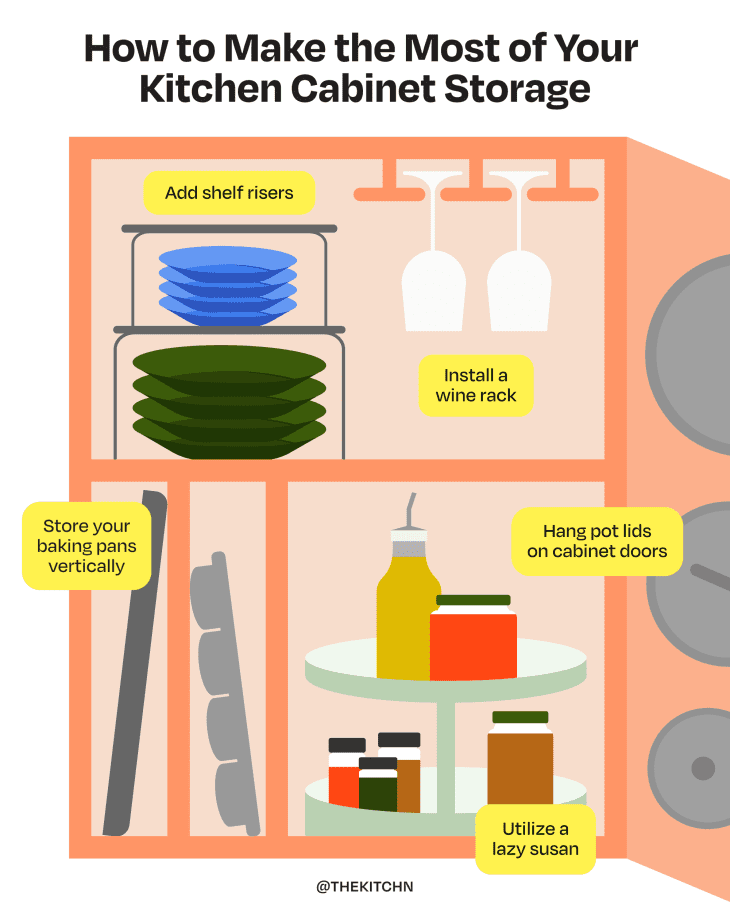
Credit: benable.com
Frequently Asked Questions
How Do You Decide Where To Put Things In Kitchen Cabinets?
Organize kitchen cabinets by functionality and frequency of use. Place frequently used items within easy reach. Store heavy items on lower shelves for safety. Group similar items together, like spices or baking supplies. Utilize vertical space with stackable organizers. Keep rarely used items in less accessible areas.
How Are Kitchen Cabinets Supposed To Be Organized?
Organize kitchen cabinets by storing frequently used items within easy reach. Group similar items together, like pots and pans. Store spices and seasonings near cooking areas. Place heavier items on lower shelves for easy access. Use dividers and trays for smaller items to maintain order and maximize space.
Where Should Plates And Cups Go In A Kitchen?
Store plates and cups in cabinets near the sink for easy access. Keep everyday dishes within reach on lower shelves. Arrange items logically, grouping similar types together. Organize cups and mugs in a separate section for convenience. Ensure everything is easily accessible to streamline kitchen tasks and maintain efficiency.
Should Food Go In Upper Or Lower Cabinets?
Store food in upper cabinets for easy access. Keep heavier items in lower cabinets for safety. Ensure dry goods are placed in cool, dark areas. Organize by expiration date for efficiency. Maintain a clean and clutter-free space to prevent pests.
Conclusion
Organizing kitchen cabinets can be simple and effective. Diagrams provide clarity. They help visualize space and placement. Start by sorting items. Group similar things together. Use labels for easy identification. Place frequently used items within reach. Store less-used items higher or lower.
Utilize dividers and containers. This maximizes space and order. Keep cleaning supplies separate. This avoids contamination. Evaluate and adjust layout regularly. This maintains efficiency. A well-organized kitchen saves time and stress. Enjoy cooking and meal prep with ease. Follow these tips and transform your kitchen space.

Hi, I’m Daniel Brooks—a food lover and kitchen gear enthusiast. I enjoy testing cookware, utensils, and gadgets to see what really works in everyday cooking. At PlugChef.com, I share honest reviews, comparisons, and simple guides to help you choose the best tools for a safer, smarter, and more enjoyable kitchen.
Related posts:
 What Type of Cooking Utensils are Safe: Expert Picks
 What Innovations Could Blenders Make: Unleashing Future Tech
 Smart Strategies to Organize a Small Kitchen: Maximize Space
 How to Organize a Kitchen Cabinet: Expert Tips & Tricks
 How to Organize Kitchen Drawers: Expert Tips and Tricks
 How to Organize a Corner Kitchen Cupboard: Expert Tips

