
Is your pantry a chaotic mess, making it hard to find what you need? Imagine opening your pantry and seeing everything neatly arranged, with every item easy to spot and reach.
Sounds like a dream, right? The best way to organize your pantry is not just about aesthetics; it’s about creating a space that simplifies your life and reduces stress. By following a few clever strategies, you can transform your pantry into a functional and inviting space.
Keep reading to discover practical tips that will not only declutter your pantry but also make meal planning and grocery shopping a breeze. Your pantry can become a place of inspiration rather than frustration. Ready to make your kitchen work for you? Let’s dive into the secrets of an organized pantry that will change the way you cook and shop forever.
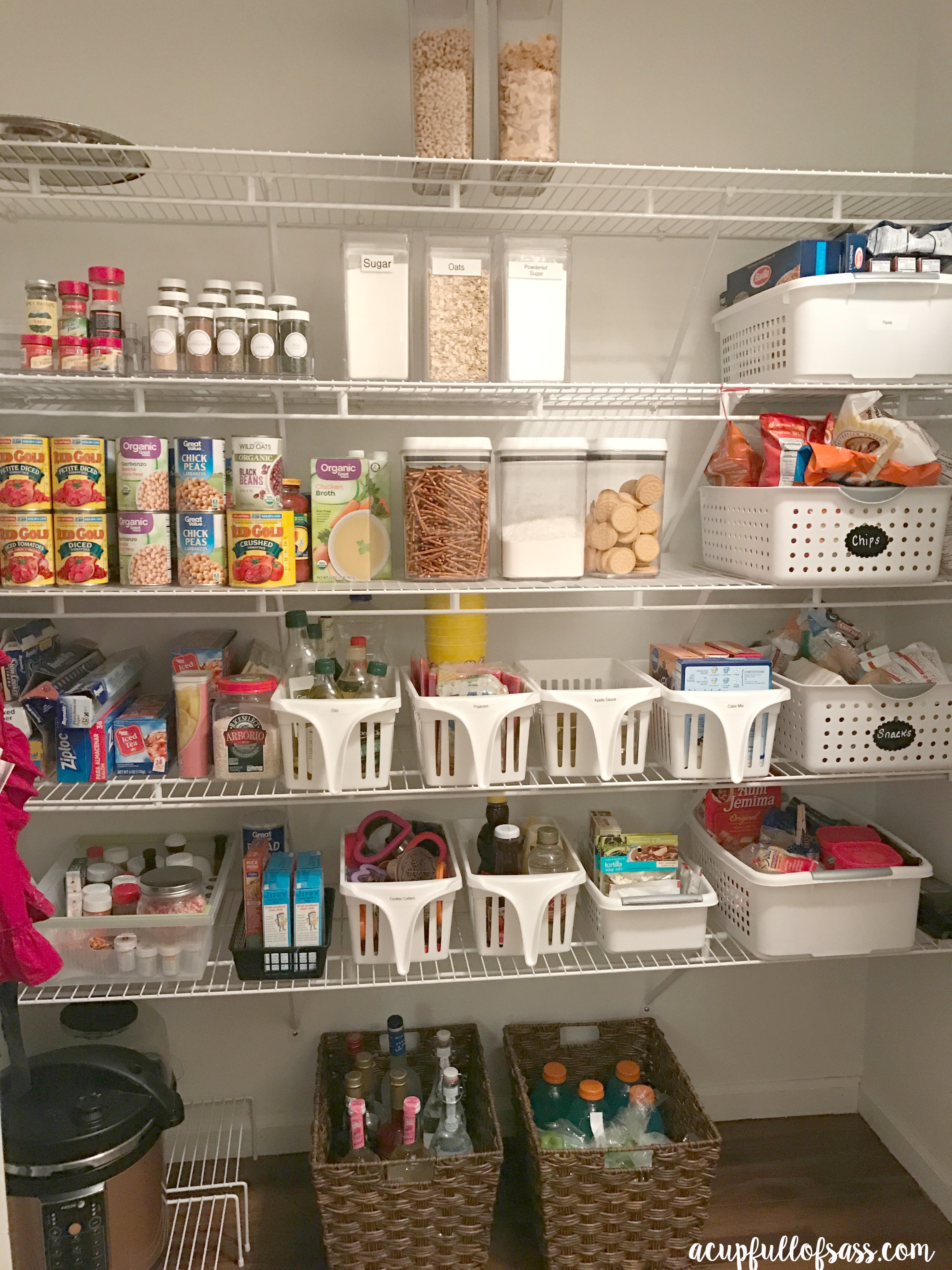
Credit: www.acupfullofsass.com
Assessing Your Pantry Needs
Assessing Your Pantry Needs Understanding what you use daily helps in organizing your pantry efficiently. Group similar items together for easy access. Regularly check expiration dates to keep your pantry fresh and clutter-free.
Assessing your pantry needs is the first step towards creating a well-organized pantry that serves your daily routine efficiently. It’s not just about arranging items; it’s about understanding what you truly need and use regularly. By evaluating your pantry needs, you can ensure that your space is functional and tailored to your lifestyle.Understanding Your Cooking Habits
Take a moment to think about your cooking habits. Do you cook every day or mainly on weekends? Knowing your cooking frequency helps in determining which items should be easily accessible. Frequent cooks might need spices and oils at hand, while occasional cooks might prioritize ready-to-eat or easy-to-make meals.Identifying Frequently Used Items
Consider which ingredients you reach for the most. Are there particular spices, grains, or canned goods that you use in almost every dish? Make a list of these essentials. This ensures they are stored at eye level for quick access, avoiding the need to dig through piles of less-used items.Recognizing Storage Limitations
Look at your pantry space critically. Is it a small cupboard or a walk-in closet? Understand the limitations and possibilities of your storage area. You might need creative solutions like stacking shelves or using door organizers to maximize space efficiently.Evaluating Expiry Dates And Stock Levels
Check expiry dates on items regularly. Are you keeping things well past their prime? Knowing the expiry dates helps in maintaining a fresh pantry and prevents wastage. Also, assess stock levels to avoid overbuying or running out of essentials unexpectedly.Considering Dietary Preferences And Restrictions
Does your household have dietary restrictions or preferences that impact pantry contents? Whether it’s gluten-free products or vegan ingredients, ensure these items are prioritized and easily accessible. Tailoring your pantry to dietary needs simplifies meal preparation and supports healthy eating habits. Taking these steps will help you create a pantry that not only looks organized but is highly functional and customized to suit your lifestyle.Clearing Out The Clutter
Organize your pantry by grouping similar items together. Use clear containers to easily see contents. Label shelves and bins for quick access and to maintain order.
Clearing out the clutter in your pantry is the first step to a more organized space. A clean pantry makes cooking easier and more enjoyable. Start by taking everything out of the pantry. This allows you to see what you have and what you need to discard.Assessing Your Pantry Items
Sort through each item carefully. Check expiration dates and decide what needs to go. Throw away expired items and donate unopened goods you won’t use. This helps reduce clutter significantly.Grouping Similar Items Together
Organize items by type. Place all canned goods in one area, cereals in another. This makes finding things faster and easier. Use baskets or bins to keep items neat and tidy.Using Clear Containers
Consider transferring food items into clear containers. This lets you see what’s inside at a glance. Label each container for easy identification. Keep items fresh and organized.Maximizing Shelf Space
Use shelf risers or stackable bins to make the most of your space. This creates additional levels for storage. Make use of vertical space with hooks for hanging items like bags or utensils.Creating A Pantry Inventory
Keep a list of pantry items. Update it regularly to know what you have. This prevents overbuying and saves money. An inventory helps you plan meals efficiently. Clearing out the clutter is a simple yet effective way to start organizing your pantry. It leads to a cleaner, more functional space. Enjoy cooking in a clutter-free environment.Zoning For Efficiency
Zoning for Efficiency helps create order in your pantry by grouping similar items together. This strategy saves time and makes it easy to find what you need. Arrange canned goods, spices, and snacks in separate sections for quick access.
Organizing your pantry can transform the way you cook and shop. A well-organized pantry saves time, reduces stress, and can even save money by preventing food waste. One of the best strategies to achieve this is zoning for efficiency. By dedicating specific areas for different types of items, you streamline your kitchen activities and make everything easier to find. Let’s dive into how you can create these functional zones.Creating Functional Zones
Start by taking stock of everything in your pantry. Group items into categories such as grains, canned goods, snacks, baking supplies, and spices. Consider how often you use each category. Items you use daily should be more accessible than those used occasionally. Think about your workflow. If you often make sandwiches, keep bread, spreads, and condiments in a zone that’s easy to reach. This setup minimizes the time spent searching for ingredients.Assigning Space For Categories
Once your items are grouped, assign a specific shelf or section for each category. Use clear labels to mark these zones. Use baskets or bins to contain similar items, like different types of pasta. This keeps your pantry tidy and prevents small items from getting lost. Adjust shelf heights if possible. Taller items need more space, while smaller items can be placed on shorter shelves. This flexibility ensures everything fits perfectly. Engaging with your pantry shouldn’t feel like a chore. When you open the door, imagine how satisfying it would be to see everything neatly arranged and easy to access. Isn’t that worth a bit of effort? Organize your pantry today and enjoy the rewards of a more efficient kitchen tomorrow.Storage Solutions
Organizing your pantry can transform your kitchen space. Proper storage solutions make it easy to find items. A well-organized pantry saves time and reduces stress. Investing in smart storage is essential for efficiency.
Choosing Containers And Bins
Containers keep items fresh and accessible. Clear bins let you see contents easily. Use airtight containers for grains and cereals. Label each container for quick identification.
Bins come in various sizes. Choose sizes that fit your shelves. Stackable bins maximize space and keep things tidy. Opt for durable materials for long-lasting use.
Utilizing Vertical Space
Vertical space is often overlooked. Shelves can be installed to use this area. Hanging racks store spices and small items efficiently. Use door-mounted racks for additional storage.
Tall containers make use of vertical space on shelves. Tiered racks create extra levels for storage. This prevents clutter and maintains order. Always ensure shelves are sturdy and well-installed.
Labeling For Clarity
Labeling in the pantry keeps items easy to find. It prevents confusion and saves time. With clear labels, you know where everything is. This makes cooking and shopping simpler. A well-labeled pantry improves efficiency and organization.
Effective Labeling Techniques
Use clear, large fonts for labels. Ensure they are easy to read. Contrast the label color with the container. This improves visibility. Group similar items together and label them. This helps in quick identification.
Use durable labels that withstand moisture and wear. Consider using waterproof markers for longevity. Arrange labels at eye level for easy spotting.
Using Chalkboards And Stickers
Chalkboards offer flexible labeling. They allow for easy changes. Just wipe and rewrite. This is useful for items with varying contents.
Stickers provide a neat look. They are available in various designs. Choose a design that suits your pantry style. Place stickers on jars, bins, and shelves. This keeps everything in order.
Both chalkboards and stickers enhance pantry aesthetics. They add charm and functionality. Choose the method that suits your needs.

Credit: food52.com
Maintaining Organization
Organize pantry items by grouping similar foods together. Use clear containers for easy visibility and access. Label shelves to keep everything in its proper place.
Maintaining a well-organized pantry is a continuous effort that pays off in convenience and efficiency. While setting up the pantry initially is crucial, keeping it organized requires ongoing attention. Consistent upkeep ensures you always know what you have and what you need, reducing waste and saving time.Regularly Scheduled Cleanups
One of the secrets to a tidy pantry is setting aside time for regular cleanups. Consider doing a quick inventory check every month. Discard expired items and rearrange products that tend to get pushed to the back. Imagine opening a pantry and immediately spotting what you need. Regular cleanups make this possible. It also gives you a chance to wipe down shelves and keep everything fresh. Have you ever found an expired can of soup hidden in a corner? Regular checks help prevent such surprises.Restocking Strategies
Strategic restocking is another key to maintaining order. Keep a list of essentials and update it as you notice items running low. This helps avoid overbuying and ensures you’re never out of necessary ingredients. Organize your grocery list in sections matching your pantry layout. This not only makes shopping easier but also helps you put things away more efficiently. Consider restocking as an opportunity to rotate items. Place new products at the back and move older ones to the front to ensure nothing goes unused. By maintaining organization, you create a pantry that supports your lifestyle, making cooking and meal prep a breeze.Incorporating Technology
Organizing a pantry can be a daunting task. With the rise of smart technology, managing pantry items has become simpler. Technology helps you keep track of what you have and need. It also makes the pantry more efficient and less cluttered. Let’s explore how tech can help organize your pantry.
Pantry Inventory Apps
Pantry inventory apps are quite handy. They help you track what you have in stock. Simply scan barcodes with your phone to add items. Some apps suggest recipes based on available ingredients. This not only reduces waste but also saves money. You can set reminders for expiry dates to avoid spoilage. This ensures you use items before they go bad. Many apps sync across devices, keeping everyone in the loop. It’s like having a digital pantry assistant.
Smart Pantry Gadgets
Smart gadgets add convenience to any pantry. Consider installing smart shelves. These shelves weigh your items and alert you when stocks run low. Smart containers can keep food fresher. They adjust humidity and temperature to suit each item. Voice-activated assistants can also lend a hand. Use them to add items to your shopping list without lifting a finger. Smart labels are another option. They display information about the product and its expiry date. Such gadgets streamline kitchen tasks and reduce manual work. They make the pantry a seamless part of a smart home.
Aesthetic Enhancements
Utilize clear containers to streamline pantry organization, ensuring visibility of contents at a glance. Arrange items by category, placing frequently used goods within easy reach for efficient access.
Aesthetic enhancements can transform your pantry into a visual delight. A well-organized pantry not only functions efficiently but also pleases the eye. Thoughtful use of color and decorative touches can elevate your pantry’s appeal.Color Coordination
Color coordination creates a harmonious and inviting pantry. Group items by color for a cohesive look. Use matching containers to unify the space. Labels in similar hues add to the charm. Neutral tones provide a calming backdrop. Bright colors bring energy and excitement. Choose a palette that matches your kitchen’s style.Decorative Elements
Decorative elements add personality to your pantry. Use patterned shelf liners for a stylish base. Install hooks for hanging utensils or aprons. Display pretty jars or baskets for visual interest. Add small art pieces to brighten the walls. Consider a chalkboard for notes and doodles. Decorative touches make the pantry feel like a special part of your home.
Credit: www.houseofharveyblog.com
Frequently Asked Questions
In What Order Should A Pantry Be Organized?
Organize the pantry by grouping similar items together. Keep frequently used items at eye level. Store heavy items on lower shelves. Arrange cans and jars by type. Use labels for easy identification.
What’s The Best Way To Organize A Pantry?
Organize your pantry by categorizing items like snacks, canned goods, and spices. Use clear containers for visibility. Label shelves for easy access. Keep frequently used items at eye level. Rotate older products forward to minimize waste. Regularly clean and declutter for optimal efficiency.
What Are The 7 Pantry Zones?
The 7 pantry zones are grains, canned goods, snacks, baking supplies, spices, beverages, and condiments. Organize items for easy access and efficiency. Keep similar products together for streamlined cooking and meal prep. Regularly check and restock each zone to maintain order and avoid food waste.
How Do I Group Items In My Pantry?
Group pantry items by category: grains, canned goods, snacks, spices, and baking essentials. Use clear labels. Organize by expiration date, placing newer items behind older ones. Store frequently used items at eye level for easy access. Use transparent containers for visibility.
Keep similar items together for efficient retrieval.
Conclusion
An organized pantry makes cooking easier and saves time. Start by grouping similar items. Use clear containers for grains and snacks. Label everything for quick access. Keep daily-use items within reach. Rotate stock to use older products first. Maintain order with regular checks.
A tidy pantry reduces stress. You know exactly where things are. Enjoy cooking without searching for ingredients. Small steps lead to big changes in your kitchen. Embrace simplicity and keep it neat. A well-organized pantry is achievable and rewarding. Happy organizing!

Hi, I’m Daniel Brooks—a food lover and kitchen gear enthusiast. I enjoy testing cookware, utensils, and gadgets to see what really works in everyday cooking. At PlugChef.com, I share honest reviews, comparisons, and simple guides to help you choose the best tools for a safer, smarter, and more enjoyable kitchen.
Related posts:
 What Type of Cooking Utensils are Safe: Expert Picks
 What Innovations Could Blenders Make: Unleashing Future Tech
 Smart Strategies to Organize a Small Kitchen: Maximize Space
 How to Organize a Kitchen Cabinet: Expert Tips & Tricks
 How to Organize Kitchen Drawers: Expert Tips and Tricks
 How to Organize a Corner Kitchen Cupboard: Expert Tips

