
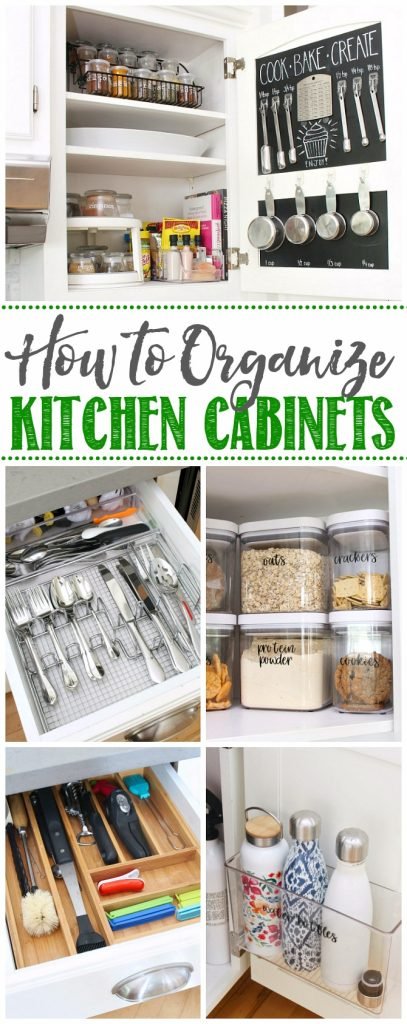
Are you tired of rummaging through cluttered kitchen cabinets, desperately searching for that elusive spice jar or missing pot lid? You’re not alone.
A disorganized kitchen can turn cooking from a joyful experience into a frustrating challenge. But what if you could transform your kitchen chaos into a harmonious haven with just a few strategic tweaks? Imagine opening your cabinets to find everything neatly in its place, making meal prep faster and more enjoyable.
In this guide, we’ll reveal the secrets to mastering the art of kitchen cabinet organization, helping you maximize space and minimize stress. Stick with us, and soon you’ll be able to navigate your kitchen with ease and efficiency, every single time.
Decluttering Essentials
Organize kitchen cabinets by grouping similar items together and using clear containers for easy visibility. Arrange frequently used items at the front for quick access. Utilize vertical space with stackable shelves to maximize storage.
Decluttering your kitchen cabinets might seem like a daunting task, but it’s the first step towards a more organized and efficient kitchen space. By focusing on the essentials, you can create a clutter-free environment that not only looks great but also makes cooking and meal prep a breeze. Imagine opening your cabinet doors and knowing exactly where to find everything you need.Start With A Clean Slate
Begin by emptying all your kitchen cabinets completely. This gives you a clear view of what you have and helps you identify items you rarely use. As you pull items out, ask yourself: Do I really need this? If the answer is no, it might be time to let it go.Sort And Categorize
Once your cabinets are empty, it’s time to categorize. Group similar items together, like baking supplies, snacks, or canned goods. This makes it easier to locate items when you need them. Use clear containers or baskets to keep things tidy and visible.Assess And Purge
Now that everything is categorized, assess each item. Do you have multiples of the same thing? Is there anything expired or broken? Purging unnecessary items frees up space and helps prevent future clutter. Remember, the goal is to keep only what you use regularly.Maximize Space With Strategic Placement
Think about the layout of your kitchen and what you use most frequently. Place everyday items in easy-to-reach spots, while less frequently used items can go higher up or toward the back. This simple strategy can save you time and effort during your daily routine.Implement A Regular Review
Decluttering isn’t a one-time event. Make it a habit to review your cabinets every few months. This ensures that items don’t start piling up again. Regular maintenance keeps your kitchen organized and functional in the long run. Taking the time to declutter your kitchen cabinets can transform your cooking space. You’ll not only enjoy a more streamlined kitchen but also find joy in the simplicity of knowing exactly where everything is. Are you ready to tackle your cabinets and create an organized haven?Categorizing Items
Organizing kitchen cabinets can transform your cooking experience. Proper categorization of items ensures efficiency and accessibility. Arranging items strategically helps reduce clutter and makes your kitchen user-friendly. Focus on grouping similar items and dividing by frequency of use to optimize space.
Grouping Similar Items
Place similar items together. Store bowls with bowls, and plates with plates. This creates a logical flow. It helps you find what you need quickly. Keep baking supplies, like flour and sugar, in one spot. Group spices together for easy access. This method saves time during meal prep.
Dividing By Frequency Of Use
Organize based on usage frequency. Keep daily items within reach. Place seldom-used items higher or lower in the cabinet. Store coffee mugs near the coffee machine. Keep your favorite pots and pans at the front. Reserve back shelves for seasonal items. This approach maximizes convenience.
Maximizing Space
Organize kitchen cabinets efficiently by using stackable shelves and clear containers. Prioritize frequently used items at the front. Utilize door space with hooks or racks for smaller utensils.
Maximizing space in your kitchen cabinets can transform your cooking experience. Imagine opening your cabinets to find everything neatly arranged, easily accessible, and within reach. You don’t need a massive kitchen to achieve this; just a few smart strategies can make a significant difference. Let’s dive into some practical ways to make the most of the space you already have.Utilizing Vertical Space
Think of your kitchen cabinets as tiny skyscrapers. Vertical space is often overlooked, yet it offers potential for storage. Use shelf risers to create additional layers within your cabinets. This way, you can stack items like plates or canned goods more efficiently. Have you considered adding hooks or pegs to the inside of your cabinet doors? They’re perfect for hanging measuring spoons or small kitchen gadgets. A friend once shared how she attached a magnetic strip for knives on the cabinet wall. It freed up her counter and added a sleek touch to her kitchen.Incorporating Stackable Solutions
Stackable containers are game-changers for organizing kitchen cabinets. Opt for clear bins or boxes so you can easily see what’s inside. This reduces the time spent rummaging through cabinets looking for ingredients. Think about your pantry staples. Can they be transferred into stackable jars? Not only do they save space, but they also add a uniform look to your kitchen. Adjustable shelves can be another boon. They allow you to modify the height between shelves according to your needs. This flexibility means you can store tall items like cereal boxes without wasting space above them. When you organize your kitchen, what unexpected spaces do you discover? Every kitchen has hidden gems waiting to be utilized. Maximize them, and you’ll find cooking more enjoyable and stress-free.Efficient Placement
Efficient placement in kitchen cabinets can make daily tasks smoother. Organizing items strategically saves time and reduces stress. It also enhances the cooking experience. Proper arrangement helps in maximizing space and ensures easy access.
Strategic Shelf Arrangements
Arranging shelves strategically can optimize space usage. Group similar items together for quick access. Place heavier items on lower shelves to avoid accidents. Use adjustable shelves for flexible storage options. Utilize vertical space by stacking items when possible.
Accessibility Considerations
Accessibility plays a crucial role in efficient cabinet organization. Store frequently used items at eye level. Keep less-used items in harder-to-reach areas. Avoid overcrowding to make retrieval easier. Use pull-out trays for better access to deep shelves. Ensure that cabinet doors open fully for unobstructed access.
Organizational Tools
Organizational tools make kitchen cabinet management easier. They bring order and efficiency. These tools ensure every item has a place. No more searching for that elusive spice jar. With clever storage solutions, your kitchen remains tidy and functional.
Drawer Inserts And Dividers
Drawer inserts and dividers create separate sections in drawers. They help categorize utensils, making them easy to find. Forks, knives, and spoons each have a dedicated spot. Measuring spoons and spatulas stay organized. Adjustable dividers can fit any drawer size. These tools maximize space and maintain order.
Lazy Susans And Turntables
Lazy Susans and turntables are perfect for corner cabinets. They rotate, bringing items at the back to the front. Store spices, oils, and condiments on them. Access hard-to-reach items with ease. These tools prevent clutter in deep shelves. They keep everything within reach and visible.

Credit: theplanbylaurentruslow.com
Labeling And Identification
Labeling and identification play a vital role in kitchen organization. Knowing exactly where each item is can save time. It also reduces stress during meal preparation. Proper labeling ensures everything has a designated spot. This keeps the kitchen neat and efficient. With effective techniques, you can transform your cabinets into a well-organized space.
Effective Labeling Techniques
Choose clear and easy-to-read labels. Use a label maker or permanent markers. Place labels at the front of shelves and containers. This makes it easy to identify contents quickly. Group similar items together. Label each group for better organization. For example, assign separate labels for spices, grains, and baking supplies. This helps in keeping everything in order.
Clear Containers And Visibility
Use transparent containers for better visibility. This allows quick identification of contents. Choose stackable containers to save space. See-through containers reduce the need to open each one. This saves time in finding items. Place taller containers at the back. Shorter ones go at the front. This ensures everything is visible at a glance. Clearly label each container. Use simple names for easier understanding.
Maintaining Organization
Maintaining organization in your kitchen cabinets ensures a smooth cooking experience. Consistent upkeep prevents clutter from taking over your valuable space. With a few simple habits, your kitchen will remain tidy and efficient. Start with regular cleaning and inventory checks to keep everything in its place.
Routine Cleaning Schedules
Establish a routine cleaning schedule for your kitchen cabinets. Wipe down surfaces at least once a week. Remove crumbs and spills promptly to avoid buildup. Use a gentle cleaner to prevent damage to cabinet finishes. Consistency is key to keeping your cabinets looking fresh. A clean cabinet is easier to organize and use.
Regular Inventory Checks
Regular inventory checks help maintain order in your kitchen cabinets. Set a monthly reminder to review cabinet contents. Remove expired items or those you no longer need. Organize by grouping similar items together. This makes it easier to find what you need when cooking. Regular checks prevent overcrowding and ensure you only keep necessary items.
:strip_icc()/kitchen-pantry-snacks-c2bb5c24-7b13dec53fc446c8ad1ae36763639f30.jpg)
Credit: www.bhg.com
Expert Tips And Tricks
Discover practical ways to organize kitchen cabinets efficiently. Start by categorizing items like plates, pots, and spices. Use dividers and shelves to maximize space and keep essentials within easy reach.
Organizing kitchen cabinets can transform your cooking space into a haven of efficiency and joy. You might wonder how experts manage to keep their kitchens tidy despite a busy life. With some insider tips and tricks, you can turn your cabinets into orderly, accessible storage zones that make meal prep a breeze. Let’s dive into some expert advice that will help you master this crucial aspect of home organization.Professional Organizer Insights
Professional organizers often emphasize the importance of categorizing items. Group similar items together, such as spices, baking supplies, or canned goods, to make them easy to find. Think about how you use your kitchen and place frequently-used items within arm’s reach. Consider using clear bins or baskets for smaller items. This approach prevents clutter and ensures that everything is visible. You can label these containers for quick identification, saving you time and frustration during meal prep. Don’t overlook the vertical space. Use shelf risers to create additional layers for storage. This trick maximizes your cabinet’s capacity without overcrowding.Common Mistakes To Avoid
One common mistake is overloading cabinets with items you rarely use. This creates clutter and makes it hard to access what you need. Be honest about what you use regularly and store or donate the rest. Another pitfall is ignoring expired items. Regularly check expiration dates and toss anything that’s past its prime. This not only frees up space but also ensures your ingredients are fresh and safe to use. Avoid placing heavy items on high shelves. It’s not just inconvenient; it can also be hazardous. Keep heavier items at waist level for easy access and safety. Have you ever found yourself squinting to read labels? Poor lighting can make finding items difficult. Ensure your cabinets are well-lit, perhaps with small LED lights, to keep visibility high. Are your cabinets a reflection of your cooking style? The best organization aligns with how you cook. Make sure your setup complements your culinary habits, allowing you to navigate your kitchen with ease and confidence.
Credit: www.thepioneerwoman.com
Frequently Asked Questions
How Do You Decide Where To Put Things In Kitchen Cabinets?
Organize kitchen cabinets by frequency of use. Place frequently used items at eye level for easy access. Store heavy items on lower shelves and lighter ones higher. Keep similar items together for efficiency. Optimize space with stackable containers and clear labeling.
Prioritize convenience and functionality in your kitchen layout.
What Is The Best Arrangement Of Kitchen Cabinets?
The best kitchen cabinet arrangement maximizes efficiency and functionality. Use the work triangle: sink, stove, and refrigerator. Store frequently used items in accessible cabinets. Group similar items together for easy access. Consider corner cabinets and pull-out shelves for extra space.
Tailor the design to your cooking style and kitchen layout.
How Are Kitchen Cabinets Supposed To Be Organized?
Organize kitchen cabinets by grouping similar items together. Place frequently used items within easy reach. Store heavier items on lower shelves. Use dividers for pans and trays. Utilize clear bins for small items. Label shelves and containers for easy identification.
Keep countertops clutter-free by storing less-used items in upper cabinets.
What Are The 10 Steps For Organizing Kitchen Cabinets?
1. Empty all cabinets completely. 2. Clean shelves thoroughly. 3. Group similar items together. 4. Decide on storage locations. 5. Use organizers and bins. 6. Store frequently-used items at eye level. 7. Label containers clearly. 8. Utilize vertical space. 9.
Maintain accessibility. 10. Regularly declutter and update inventory.
Conclusion
Organizing kitchen cabinets makes cooking easier and more enjoyable. A neat kitchen helps you find items quickly. Keep similar items together for convenience. Use baskets or bins to group small things. Labels can help you remember where items belong. Regular cleaning prevents clutter.
Adjust shelves to fit your needs. Prioritize frequently used items. This reduces time spent searching. Declutter by donating unused items. An organized kitchen saves time and reduces stress. Enjoy your tidy space and happy cooking!

I’m Abby Lu, a passionate home cook who loves simplifying everyday meals. At PlugChef.com, I share product reviews and cooking guides to help you find the best tools for your kitchen.
Related posts:
 What Type of Cooking Utensils are Safe: Expert Picks
 What Innovations Could Blenders Make: Unleashing Future Tech
 Smart Strategies to Organize a Small Kitchen: Maximize Space
 How to Organize a Kitchen Cabinet: Expert Tips & Tricks
 How to Organize Kitchen Drawers: Expert Tips and Tricks
 How to Organize a Corner Kitchen Cupboard: Expert Tips

