
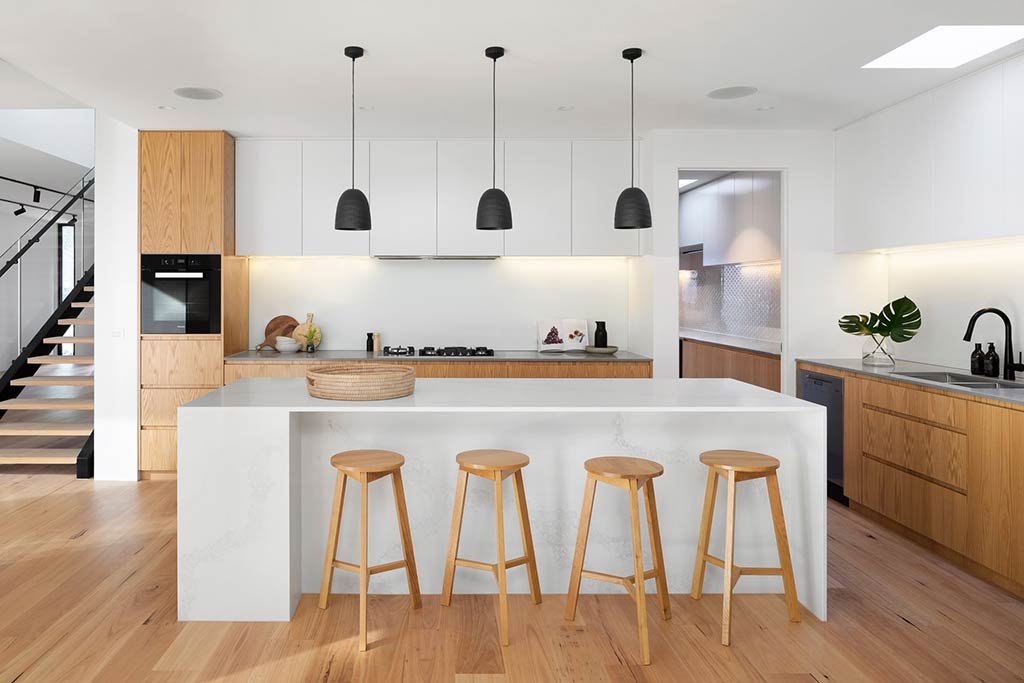
Imagine transforming your kitchen into a space that not only serves delicious meals but also supports a healthier planet. Sustainable kitchen ideas are more than just trends; they’re a lifestyle choice that benefits you and the environment.
Picture your kitchen as a hub of innovation, where every decision you make has a positive impact. You might be wondering how to start or what changes are possible. Don’t worry, you’re not alone. Many people are exploring these ideas to create eco-friendly and efficient kitchens.
By diving into this article, you’ll discover practical tips and inspiring ideas that can make a significant difference in your home. Are you ready to unlock the secrets to a more sustainable kitchen that aligns with your values and enhances your daily life?
Eco-friendly Materials
Creating a sustainable kitchen starts with choosing eco-friendly materials. These materials not only reduce environmental impact but also add unique charm to your kitchen. From bamboo to reclaimed metal, each option offers distinct benefits. Explore how these materials can transform your kitchen into an eco-conscious space.
Bamboo And Recycled Wood
Bamboo is a fast-growing plant, making it highly sustainable. It is strong, durable, and perfect for kitchen cabinets and flooring. Recycled wood brings a rustic charm while promoting sustainability. It uses existing resources, reducing the need for new timber. Both options provide a warm and inviting atmosphere.
Natural Stone Countertops
Natural stone countertops, like granite and marble, offer durability and elegance. These materials are long-lasting and require minimal maintenance. They come directly from the earth, reducing the need for synthetic materials. Their timeless beauty enhances any kitchen design.
Reclaimed Metal Fixtures
Reclaimed metal fixtures give a unique industrial touch to kitchens. These fixtures are made from recycled materials, reducing metal waste. They are sturdy and can be used for sinks, faucets, and light fixtures. Their distinct look adds character to your kitchen.
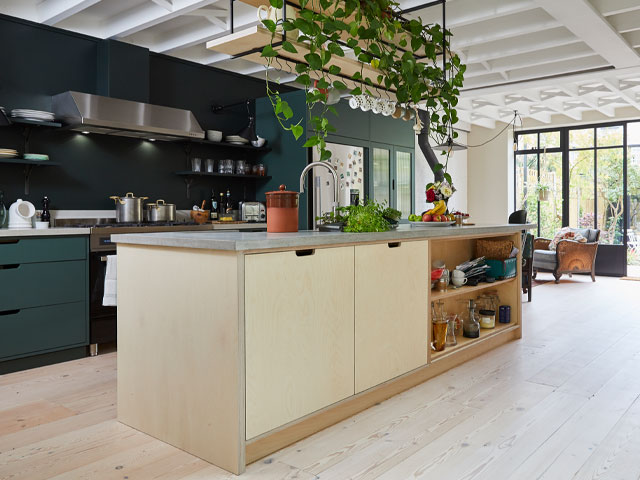
Credit: www.granddesignsmagazine.com
Energy-efficient Appliances
Transforming your kitchen into a sustainable space starts with energy-efficient appliances. These devices reduce electricity use and lower utility bills. They also help the environment by cutting down on energy waste. Let’s explore how energy-efficient appliances can make a difference.
Choosing Energy Star Rated Devices
Energy Star rated appliances meet strict efficiency guidelines. They use less power without sacrificing performance. Look for the Energy Star label when buying new kitchen devices. These appliances are tested and proven to save energy.
Many refrigerators, dishwashers, and washing machines have this label. Switching to Energy Star models can significantly reduce your energy consumption. This choice benefits both your wallet and the planet.
Induction Cooktops Benefits
Induction cooktops are a smart choice for energy-efficient cooking. They heat pots directly, not the cooktop surface. This method uses less energy and cooks food faster. Induction cooktops offer precise temperature control too.
They are safer because they cool down quickly after use. These cooktops are a modern solution for a sustainable kitchen. They combine efficiency with convenience, making cooking easier and greener.
Smart Refrigerators And Ovens
Smart refrigerators and ovens have advanced features that save energy. They adjust settings based on usage patterns. Smart refrigerators can maintain optimal cooling levels, reducing electricity waste.
Smart ovens offer precise cooking times and temperatures. You can control them remotely with apps on your smartphone. This technology ensures efficient cooking and storage, contributing to a sustainable kitchen environment.
Water Conservation Tips
Water conservation in the kitchen is vital for sustainability. Simple changes can make a big difference. Save water, reduce bills, and protect the environment. Here are some practical tips for conserving water in your kitchen.
Low-flow Faucets And Fixtures
Install low-flow faucets to reduce water usage. These faucets cut water flow without sacrificing pressure. They help save gallons daily. Look for fixtures with the WaterSense label. This ensures they meet EPA standards. Updating fixtures is an easy way to conserve water.
Efficient Dishwashers
Choose energy-efficient dishwashers to save water and energy. Modern models use less water and clean better. Run only full loads to maximize efficiency. Avoid pre-rinsing dishes. Let the machine do the work. Efficient dishwashers reduce water usage significantly.
Rainwater Harvesting Systems
Consider installing a rainwater harvesting system. These systems collect rainwater for kitchen use. Use collected water for cleaning and other tasks. This reduces reliance on municipal water. Rainwater is free and sustainable. A great way to conserve water naturally.
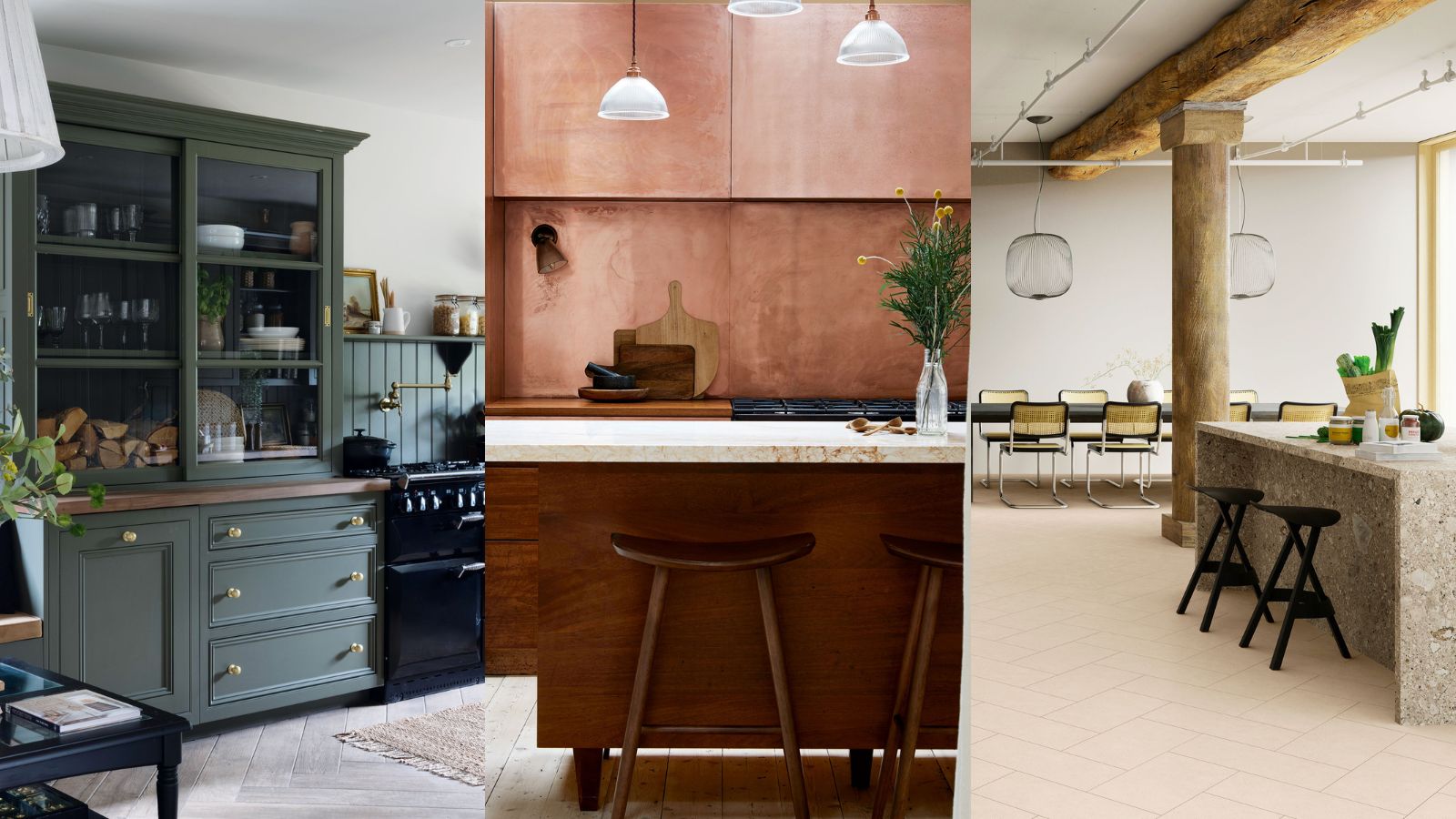
Credit: www.homesandgardens.com
Waste Reduction Strategies
Transform your kitchen into a green haven with smart waste reduction strategies. Compost food scraps, use reusable containers, and plan meals to minimize waste. Reduce your environmental footprint while cooking delicious meals.
Reducing waste in your kitchen is a cornerstone of sustainable living. It not only helps the planet but also saves money and fosters a healthier lifestyle. By implementing simple yet effective strategies, you can make a significant impact on reducing your kitchen waste. Let’s dive into some practical waste reduction strategies that you can start today.Composting Kitchen Scraps
Composting is a fantastic way to reduce waste and nourish your garden. You can turn vegetable peels, coffee grounds, and eggshells into rich compost. Setting up a compost bin in your kitchen or backyard is easier than you think. Begin by collecting your kitchen scraps in a small container. When it’s full, transfer the scraps to your compost bin. Imagine the satisfaction of using your compost to grow fresh herbs or vegetables. It’s a rewarding cycle that benefits both you and the environment. Are you ready to start your composting journey?Recycling Stations Setup
Creating a recycling station in your kitchen is a smart way to manage waste. Designate separate bins for plastics, glass, paper, and metals. Label each bin clearly to make sorting easy for everyone in your household. This simple setup encourages everyone to recycle more consistently. Think about the difference it could make if every kitchen had a dedicated recycling station. How much waste could we collectively divert from landfills?Reusable Containers And Bags
Switching to reusable containers and bags is a practical step toward waste reduction. Replace single-use plastic bags with sturdy cloth bags for shopping. Store leftovers in glass or stainless steel containers rather than disposable plastic ones. Not only are they eco-friendly, but they also keep your food fresh for longer. Consider the last time you used a plastic bag or container. How many times could you have avoided waste by choosing a reusable option? The change starts with a single step, and that step can be yours today. By adopting these waste reduction strategies, you’re contributing to a more sustainable future. Each action, no matter how small, adds up to a significant impact. What changes will you make in your kitchen to embrace sustainability?Sustainable Lighting Solutions
Sustainable lighting solutions can transform your kitchen’s eco-friendly footprint. Choosing the right lights saves energy and reduces environmental impact. Let’s explore some sustainable options for your kitchen.
Led Bulbs Advantages
LED bulbs are energy-efficient. They use less electricity than traditional bulbs. This reduces your energy bills significantly. LED bulbs also last longer. You won’t need to replace them often. This reduces waste. Plus, they come in various styles and colors. You can match them with your kitchen decor easily.
Natural Light Maximization
Natural light is free and abundant. Use it to brighten your kitchen. Large windows let in more sunlight. Skylights are great for this too. They reduce the need for artificial lighting during the day. This saves energy and creates a warm atmosphere. Lighter paint colors on walls reflect more light. This enhances brightness naturally.
Solar-powered Lighting Options
Solar-powered lights harness energy from the sun. They are sustainable and cost-effective. These lights are perfect for outdoor kitchen areas. They charge during the day and light up at night. Solar options can reduce your reliance on the grid. They also lower your carbon footprint. Consider solar for areas that get ample sunlight.
Green Cleaning Practices
Embrace sustainable kitchen ideas by choosing green cleaning practices. Use natural products like vinegar and baking soda for spotless surfaces. Reduce waste by opting for reusable cloths over paper towels.
Creating a sustainable kitchen starts with adopting green cleaning practices. These practices not only protect the environment but also improve your health by reducing exposure to harmful chemicals. If you’ve ever felt overwhelmed by the number of cleaning products under your sink, you’re not alone. The good news is that you can simplify your cleaning routine while making it more eco-friendly. Let’s dive into some actionable steps you can take today.Non-toxic Cleaning Products
Switching to non-toxic cleaning products is a simple yet effective way to reduce chemical exposure in your home. Products labeled as “eco-friendly” or “biodegradable” often use natural ingredients that are gentle on your skin and safer for the environment. Have you ever noticed how overpowering the scent of traditional cleaning products can be? Non-toxic options often have light, pleasant scents derived from essential oils. You can find these products at your local grocery store or even make your own using basic ingredients like vinegar and baking soda.Diy Cleaning Solutions
Making your own cleaning solutions is both cost-effective and sustainable. With just a few household items, you can create powerful cleaners for every surface in your kitchen. Consider using a mixture of vinegar and water for a natural all-purpose cleaner. Add a few drops of lemon essential oil for a fresh scent. Have you tried using baking soda to scrub away stubborn stains? It works wonders on countertops and sinks, leaving them sparkling clean.Microfiber Cloths Usage
Microfiber cloths are a game-changer for sustainable cleaning. They trap dust and dirt more effectively than paper towels, reducing waste and saving money. Using microfiber cloths also means you can clean with just water, cutting down on the need for chemical cleaners. Think about how much waste you can avoid simply by swapping out disposable wipes for reusable cloths. Do you already use them in your cleaning routine? If not, it might be time to make the switch. By adopting these green cleaning practices, you’re taking a big step toward a more sustainable kitchen. Small changes can lead to significant environmental benefits. What’s one green cleaning practice you’ll try this week?Locally Sourced Ingredients
Fresh, local ingredients bring sustainability to the kitchen. They reduce transport emissions and support nearby farmers. Choosing local also means fresher produce, enhancing the flavor of every meal.
Locally sourced ingredients are a cornerstone of sustainable kitchens. Using local produce reduces carbon footprints. It also supports community farmers. Fresh, local ingredients enhance the flavors of dishes. They offer health benefits and are often more nutritious. Embrace the concept of farm-to-table in your kitchen.Benefits Of Local Produce
Local produce travels shorter distances. This means fewer emissions and fresher food. Freshness often equals better taste and nutrition. Supporting local farms keeps money within the community. It also strengthens the local economy. Local produce often uses fewer chemicals. This results in healthier, safer food choices.Supporting Farmers Markets
Farmers markets are treasure troves of local goods. They offer fresh, seasonal fruits and vegetables. Buying from farmers markets supports small-scale growers. It builds relationships with those who grow your food. You can ask farmers about their farming practices. This ensures you get the best quality produce.Seasonal Cooking Ideas
Cooking with the seasons is both fun and sustainable. Spring brings fresh greens and peas. Summer offers tomatoes and berries. Fall is perfect for squash and pumpkins. Winter features root vegetables and cabbages. Seasonal cooking ensures variety in your meals. It keeps your kitchen aligned with nature’s cycles.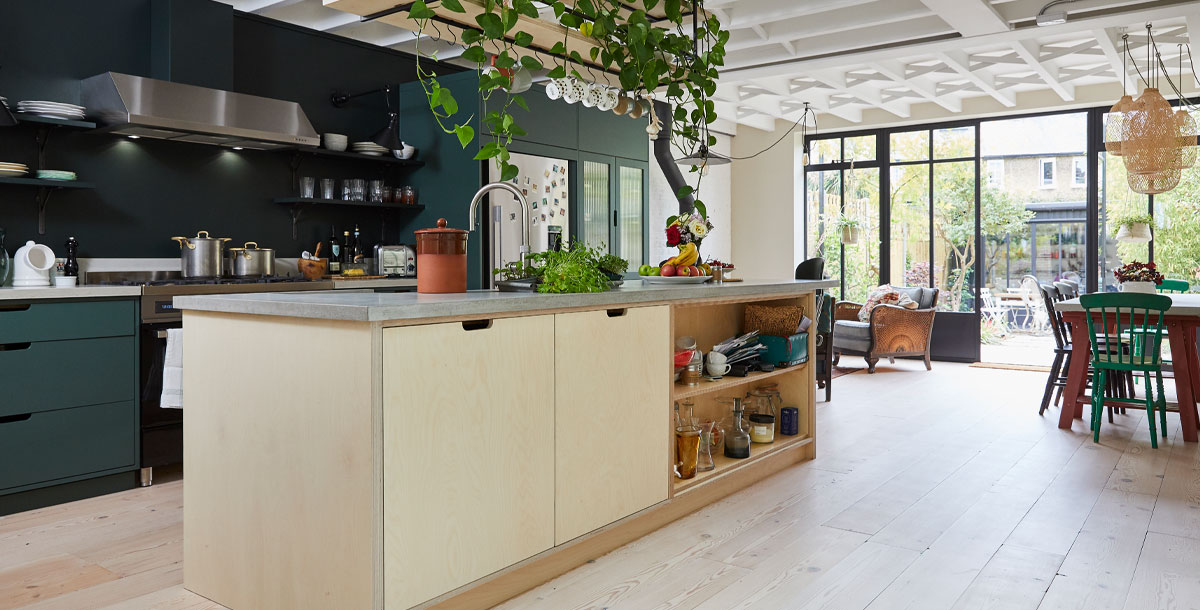
Credit: www.granddesignsmagazine.com
Innovative Storage Solutions
Explore sustainable kitchen ideas with innovative storage solutions. Maximize space by using recycled materials for shelves. Organize efficiently with eco-friendly containers. Transform your kitchen into a green hub with smart, sustainable choices.
Imagine walking into a kitchen where everything has its place, yet there’s room to breathe. The secret? Innovative storage solutions that not only save space but also boost sustainability by reducing clutter and waste. By creatively rethinking how you store items, you can transform your kitchen into a more efficient and eco-friendly space.Space-saving Cabinets
Space-saving cabinets are a game-changer in any kitchen. They use every inch of space wisely, allowing you to store more without feeling cramped. Consider pull-out shelves, which let you easily access items stored in the back. Another clever idea is installing corner cabinets with rotating trays. These designs maximize storage in areas that often go unused. Imagine how much easier your cooking would be if you could find everything at a glance. You might even discover those forgotten jars of spices or canned goods lurking in the shadows.Pantry Organization Tips
A well-organized pantry can make meal prep quicker and reduce food waste. Start by grouping similar items together—grains with grains, snacks with snacks. Use clear containers to store dry goods; they not only keep food fresh but also let you see what you have at a glance. Labeling is another simple yet effective trick. Knowing what’s inside each container without opening it saves time and keeps things tidy. And don’t forget about adjustable shelves; they allow you to customize your pantry as your needs change. Have you ever considered how much food you might be wasting simply because you can’t see it? A neat pantry can help you keep track of your inventory, ensuring nothing goes to waste.Vertical Storage Options
When counter space is limited, look up. Vertical storage options can free up valuable countertop space while keeping essentials within reach. Install hooks or magnetic strips on the wall to hang utensils, pots, and pans. Floating shelves are another great option for storing dishes or displaying cookbooks. They’re easy to install and provide extra storage without taking up floor space. Think about how much easier it would be to cook if everything you needed was just a reach away. Plus, utilizing vertical space can add a touch of style to your kitchen, showcasing your favorite items. Which of these innovative storage solutions could make your kitchen more efficient and sustainable? Rethink your space and discover how small changes can lead to a big impact.Frequently Asked Questions
How Can You Be Sustainable In The Kitchen?
Use energy-efficient appliances and LED lighting. Reduce food waste by planning meals and composting scraps. Choose reusable containers over single-use plastics. Buy local, seasonal produce to lower carbon footprint. Opt for eco-friendly cleaning products.
What Kitchen Will Never Go Out Of Style?
Timeless kitchen styles like classic white kitchens and farmhouse designs never go out of style. They feature neutral colors, quality materials, and functional layouts. These elements ensure a lasting appeal and adaptability to evolving trends, making them a perennial favorite for homeowners.
What Is Sustainable Kitchen Design?
Sustainable kitchen design focuses on eco-friendly materials, energy-efficient appliances, and waste reduction. It prioritizes renewable resources, water conservation, and minimal environmental impact. Recycled materials and LED lighting are often used. This design approach creates a healthier and more sustainable living space, aligning with environmental goals and reducing carbon footprint.
What Is The Golden Rule For Kitchen Design?
The golden rule for kitchen design is the “work triangle. ” It connects the sink, stove, and refrigerator. This layout minimizes movement and increases efficiency. Ensure each triangle side is between 4-9 feet. Balance functionality and aesthetics for a practical and visually appealing kitchen space.
Conclusion
Embracing sustainable kitchen ideas benefits both the environment and your home. Make small changes like using eco-friendly materials. Choose energy-efficient appliances to reduce power use. Consider composting to minimize waste. These steps create a healthier kitchen space. You save money while helping the planet.
Sustainable choices reflect a mindful lifestyle. Start with what suits your budget and needs. Simple swaps make a big impact over time. Green kitchens inspire others to join the movement. Enjoy your eco-friendly cooking haven. Make every meal a step towards sustainability.
Celebrate your green journey in the heart of your home.

I’m Abby Lu, a passionate home cook who loves simplifying everyday meals. At PlugChef.com, I share product reviews and cooking guides to help you find the best tools for your kitchen.
Related posts:
 What Type of Cooking Utensils are Safe: Expert Picks
 What Innovations Could Blenders Make: Unleashing Future Tech
 Smart Strategies to Organize a Small Kitchen: Maximize Space
 How to Organize a Kitchen Cabinet: Expert Tips & Tricks
 How to Organize Kitchen Drawers: Expert Tips and Tricks
 How to Organize a Corner Kitchen Cupboard: Expert Tips

