
Imagine reaching for a sparkling clean plate, knowing it was washed in a certified organic kitchen. You’re about to discover how this process not only ensures cleanliness but also aligns with eco-friendly practices that benefit your health and the planet.
Have you ever wondered what goes into making sure your dishware is both impeccably clean and free from harmful chemicals? We’ll uncover the secrets behind how a certified organic kitchen achieves this. You’ll learn how these kitchens prioritize your well-being and the environment while maintaining the highest standards of hygiene.
Get ready to transform the way you think about cleanliness in your kitchen and find out how you can bring these practices into your own home. Stay tuned, because the secret to cleaner, greener dishware is just a scroll away.
Certified Organic Kitchen Standards
Certified Organic Kitchens clean dishware using non-toxic, biodegradable soaps. Emphasis is placed on using eco-friendly materials. This ensures both safety and environmental sustainability.
In the quest for a cleaner, greener world, the concept of a Certified Organic Kitchen is gaining momentum. These kitchens adhere to strict standards that ensure all processes are eco-friendly and sustainable. From dishwashing to waste management, every aspect is scrutinized to meet these standards.Essential Requirements
Certified Organic Kitchens must follow specific guidelines to maintain their status. Dishware cleaning involves using non-toxic, biodegradable detergents. This ensures that harmful chemicals do not find their way into our water systems. Imagine walking into a kitchen where every product aligns with environmental ethics. All cleaning tools, from sponges to cloths, are made from natural fibers. This reduces plastic waste and supports sustainable production methods. Have you ever checked the label on your dish soap or scrubber?Environmental Impact
The environmental benefits of a Certified Organic Kitchen are immense. By choosing organic cleaning products, you contribute to reducing water pollution. It’s a small change, but it makes a big difference. Using energy-efficient dishwashers and appliances further reduces your carbon footprint. Picture this: your kitchen not only sparkles but also supports a healthier planet. How often do we think about the impact of our daily choices? These kitchens also encourage the use of reusable dishware to minimize waste. By opting for glass or stainless steel over single-use plastics, you actively participate in protecting the environment. Consider the long-term impact of switching to a more sustainable lifestyle. Being part of a Certified Organic Kitchen movement means more than just following rules. It’s about making conscious choices that benefit both your household and the earth. What steps will you take today to align your kitchen with these standards?
Credit: satopradhan.com
Eco-friendly Cleaning Products
Certified organic kitchen cleaning products gently clean dishware with natural ingredients. They remove grease and grime without harmful chemicals. Protecting both health and environment, these products ensure a sparkling clean kitchen.
When you think about keeping your kitchen clean, you might not immediately consider the environmental impact of your cleaning products. Yet, using eco-friendly options can make a significant difference. Certified organic kitchens prioritize green cleaning products to ensure a healthier environment for you and the planet. These products are not only effective but also sustainable, offering peace of mind with every scrub and rinse.Natural Ingredients
Eco-friendly cleaning products often feature natural ingredients that are gentler on both your dishware and the ecosystem. Imagine washing dishes with a soap made from coconut or olive oil. These ingredients are not just soft on your hands but also biodegradable, breaking down without leaving harmful residues. Such products support a cycle of cleanliness that respects nature. You might notice a pleasant, earthy scent when using these products. That’s because they’re infused with essential oils like lemon or lavender. These oils not only provide a delightful aroma but also possess natural antibacterial properties. As you clean, you’re not just achieving a sparkling finish but also a fresh and fragrant atmosphere in your kitchen.Avoiding Harsh Chemicals
Many conventional cleaning products rely on harsh chemicals that can be damaging. These substances may leave residues on your dishware that you then ingest. But with eco-friendly alternatives, you sidestep this risk entirely. Your kitchen becomes a safe zone where cleanliness doesn’t come at the expense of health. Consider the packaging of these products as well. Eco-friendly cleaning solutions often come in recyclable or biodegradable containers. This commitment to sustainability ensures that your efforts to avoid harsh chemicals extend beyond your dishware to the environment. Have you ever thought about what happens to water after it leaves your sink? With eco-friendly products, you can rest assured that the water returning to nature is free from harmful pollutants. This practice helps protect aquatic life and preserves water quality. By choosing eco-friendly cleaning products, you’re making a conscious decision. It’s not just about sparkling dishes; it’s about contributing to a cleaner, safer world for everyone. What’s stopping you from making the switch today?Techniques For Efficient Cleaning
A certified organic kitchen prides itself on using eco-friendly methods to clean dishware efficiently, minimizing environmental impact while ensuring optimal cleanliness. You might wonder how these kitchens manage to clean dishware effectively without relying on harsh chemicals. The secret lies in mastering specific techniques that prioritize sustainability and hygiene. Let’s dive into some of these techniques to see how they could transform your own kitchen practices.
Water-saving Methods
Have you ever thought about how much water you use when washing dishes? In an organic kitchen, every drop counts. One method is to use a basin filled with soapy water to wash multiple items at once, reducing the need to keep the tap running. Another technique is to scrape off food residues before rinsing, which decreases the amount of water needed.
Consider installing a low-flow faucet or using a spray nozzle for rinsing. It’s incredible how much water these simple adjustments can save. Imagine the impact if everyone adopted such practices. Your contribution could be a game-changer for the planet.
Optimal Temperature Settings
Temperature is a crucial factor in effective dish cleaning. Using the right temperature can kill bacteria and save energy. Experts recommend washing dishes at around 120-140°F (49-60°C) for maximum cleanliness. This range is ideal for removing grease without damaging dishware.
While hot water cleans effectively, it’s essential to avoid excess heat that might warp or crack delicate items. Adjusting your water heater settings can help maintain the optimal temperature and reduce energy consumption. Have you checked your water heater settings lately?
Implementing these techniques can make your dishwashing routine more sustainable and efficient. By adopting water-saving methods and optimal temperature settings, you contribute to a greener planet. Are you ready to make these changes in your kitchen?
Sustainable Equipment And Tools
Certified organic kitchens focus on sustainability and environmental care. This includes using sustainable equipment and tools for cleaning dishware. By prioritizing eco-friendly practices, these kitchens ensure clean dishware while minimizing environmental impact. Let’s explore the role of sustainable equipment and tools in these kitchens.
Energy-efficient Appliances
Energy-efficient appliances are a staple in certified organic kitchens. They consume less power and reduce energy waste. Dishwashers with Energy Star ratings are preferred. These models use less water and electricity. This results in lower utility bills and a reduced carbon footprint. Switching to energy-efficient appliances supports sustainability.
Biodegradable Scrubbers
Biodegradable scrubbers are essential for eco-friendly dishwashing. These scrubbers break down naturally without harming the environment. Made from plant-based materials, they offer effective cleaning. They scrub away residue without scratching dishware surfaces. Choosing biodegradable scrubbers means fewer plastics in landfills. It’s a simple switch with big benefits for the planet.
Maintaining Hygiene Standards
Maintaining hygiene standards in a certified organic kitchen is crucial. Clean dishware ensures food safety and keeps the kitchen environment healthy. Organic kitchens follow strict guidelines to maintain cleanliness. These guidelines protect both staff and customers.
Regular Sanitation Practices
Regular cleaning schedules are important. Dishware is sanitized after each use. Organic kitchens use eco-friendly detergents. These detergents remove food particles and germs. Staff cleans with hot water for better results. Cleaning routines are checked daily.
Health And Safety Protocols
Organic kitchens follow health protocols closely. These include wearing gloves and masks. Staff washes hands frequently to avoid contamination. Proper storage of dishware reduces risk. Dishware is kept in clean, dry places. Inspections ensure protocols are followed.
Training And Staff Awareness
In a certified organic kitchen, maintaining dishware cleanliness is essential. Training and staff awareness play a crucial role in this process. Well-trained employees understand the importance of using eco-friendly products. They ensure all cleaning practices adhere to organic standards. Staff awareness helps in maintaining consistency and efficiency.
Eco-conscious Training Programs
Training programs focus on eco-conscious cleaning methods. Employees learn the benefits of using organic cleaning products. These programs emphasize reducing waste and conserving water. Staff members are educated on the environmental impact of traditional cleaners. The training highlights how organic products are safer for the ecosystem. Employees also learn proper recycling and disposal methods. This knowledge helps maintain a sustainable kitchen environment.
Employee Engagement
Engaged employees contribute significantly to maintaining dishware standards. Regular workshops keep staff updated on best practices. These sessions encourage open discussions about eco-friendly methods. Employees share ideas and experiences, fostering a sense of community. They take pride in contributing to the kitchen’s sustainability goals. This involvement enhances their commitment to maintaining cleanliness.
Challenges In Organic Kitchens
Certified organic kitchens face challenges in cleaning dishware. They use eco-friendly detergents and energy-efficient appliances. Staff must follow strict guidelines to prevent contamination.
Navigating the world of organic kitchens, especially when it comes to cleaning dishware, isn’t without its hurdles. You might think, “It’s just cleaning!” but maintaining an organic kitchen involves more than just soap and water. From ensuring the authenticity of products to managing costs, the journey is both rewarding and challenging.Cost Considerations
Organic cleaning supplies often come with a higher price tag compared to conventional options. You’re paying for quality and sustainability, but budgeting can be tricky. Imagine trying to balance the cost while maintaining an eco-friendly environment—it’s a challenge many face. However, this investment could save you in the long run. Healthier choices often mean fewer chemicals and a safer kitchen space. Are you willing to spend a bit more today for peace of mind tomorrow?Sourcing Organic Supplies
Finding genuine organic cleaning products is like searching for a needle in a haystack. Not every product labeled “organic” meets the necessary standards. Have you ever been fooled by misleading labels? It’s a common pitfall. Consider visiting local organic markets or trusted online stores. Building relationships with reliable suppliers can ensure you’re always stocked with authentic products. When was the last time you checked the credibility of your cleaning supplies? These challenges might seem daunting, but they also offer an opportunity to make a difference. By overcoming these hurdles, you contribute to a healthier home and a sustainable planet. Are you ready to tackle the challenges of keeping an organic kitchen clean?
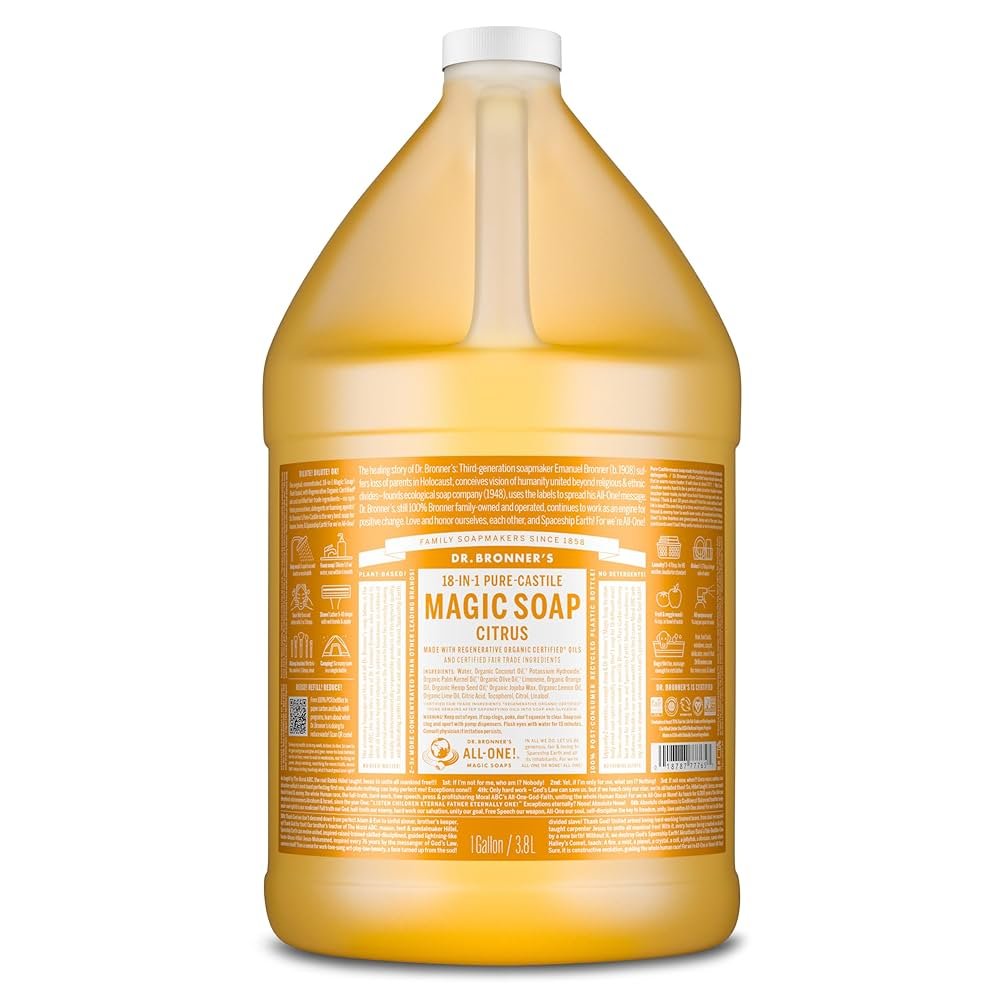
Credit: www.amazon.com
Benefits Of Organic Dishware Cleaning
Certified organic kitchen products clean dishware using natural ingredients. These are gentle on both hands and the environment. They effectively remove grease and food residues without leaving harmful chemicals behind. Using organic dishware cleaning methods promotes a healthier kitchen and a safer planet.
When you choose certified organic methods to clean your dishware, you embrace a lifestyle that offers numerous benefits, both for your health and the environment. Imagine washing your dishes with natural ingredients that leave no harmful residues and knowing that each meal is served on clean, toxin-free surfaces. Organic dishware cleaning is more than just a trend; it’s a smart choice for a healthier home and planet.Improved Health Outcomes
Switching to organic cleaning products can significantly improve your health. Traditional dishwashing liquids often contain harsh chemicals that can linger on your plates and utensils. These chemicals may cause skin irritations or allergic reactions. By opting for organic solutions, you reduce your exposure to harmful substances. Imagine the peace of mind knowing your family eats from dishes cleaned with ingredients like lemon juice and vinegar, which are safe and gentle.Environmental Advantages
Organic dishware cleaning is a step towards a greener planet. Conventional cleaners contribute to water pollution and harm aquatic life. Organic cleaners, on the other hand, break down naturally without leaving toxic traces. Consider how much cleaner our rivers and oceans would be if everyone switched to organic products. Your choice to use organic cleaners helps protect the environment, ensuring cleaner waterways and healthier ecosystems for future generations. Have you ever thought about the impact of your cleaning habits on the planet? Switching to organic dishware cleaning could be your way of making a difference. What small changes can you make today to contribute to a healthier tomorrow?
Credit: sproutliving.com
Frequently Asked Questions
How Does A Product Get Certified Organic?
To get certified organic, a product must meet USDA organic standards. It involves soil quality, pest control, and non-GMO practices. Farmers and processors apply for certification through accredited agents. Regular inspections ensure compliance with organic regulations.
Which Chemicals Are Acceptable No-rinse Sanitizers?
Acceptable no-rinse sanitizers include sodium hypochlorite, quaternary ammonium compounds, hydrogen peroxide, and peracetic acid. These chemicals are effective for sanitizing surfaces without the need for rinsing. Always follow manufacturer guidelines for safe and effective use.
What Are Detergents In Food Safety?
Detergents in food safety are cleaning agents used to remove dirt, grease, and residues from surfaces. They help maintain hygiene standards in food preparation areas. Using effective detergents prevents contamination and ensures a safe environment for food handling and storage.
Always choose food-safe detergents for optimal results.
What Makes A Kitchen Certified Organic?
A certified organic kitchen uses eco-friendly cleaning products and sustainable practices. It ensures no harmful chemicals are present in dishware cleaning. Certification guarantees adherence to organic standards for health and environmental safety.
Conclusion
Certified organic kitchens clean dishware naturally and effectively. They use eco-friendly products. These products are safe for people and the planet. Organic cleaning methods avoid harmful chemicals. This ensures a healthier kitchen environment. Dishes come out sparkling and fresh. Choosing organic cleaning supports sustainability.
It also promotes health and well-being. This method is simple and effective. It meets high standards for cleanliness. Next time you clean, consider organic options. They’re good for dishes, good for you. Embrace a cleaner, greener lifestyle today. Your kitchen will thank you.

I’m Abby Lu, a passionate home cook who loves simplifying everyday meals. At PlugChef.com, I share product reviews and cooking guides to help you find the best tools for your kitchen.
Related posts:
 What Type of Cooking Utensils are Safe: Expert Picks
 What Innovations Could Blenders Make: Unleashing Future Tech
 Smart Strategies to Organize a Small Kitchen: Maximize Space
 How to Organize a Kitchen Cabinet: Expert Tips & Tricks
 How to Organize Kitchen Drawers: Expert Tips and Tricks
 How to Organize a Corner Kitchen Cupboard: Expert Tips

