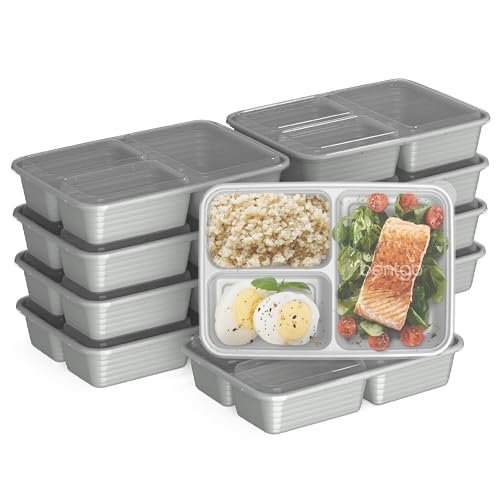
If you’ve ever opened your meal prep container to find soggy granola mixed into your grilled chicken, or spent 20 minutes sorting single-serving snacks into tiny baggies before a work trip, compartmentalized food storage containers are the solution you’ve been missing. Designed to separate food groups, control portions, and eliminate flavor crossover, these versatile tools streamline meal prep for every lifestyle, from busy parents packing school lunches to fitness enthusiasts hitting macro targets. Unlike standard single-compartment containers, compartmentalized models cut down on food waste, reduce the need for disposable packaging, and make on-the-go eating far less messy. According to the USDA Food Safety and Inspection Service, proper portioning and separation of perishable foods also reduces cross-contamination risk, a key benefit for households prioritizing food safety.
Why Compartmentalized Containers Are a Meal Prep Game-Changer
Standard single-compartment storage containers create common meal prep headaches: saucy dishes soak into dry sides, flavors mix to create unappetizing combinations, and it’s easy to over-serve without clear portion guides. Compartmentalized containers solve all of these issues by creating dedicated zones for each component of your meal, so your crispy chicken stays crisp, your greens stay dressed only when you’re ready to eat, and you can visually confirm you’re hitting your nutrition targets without weighing every ingredient.
These containers also reduce reliance on single-use plastic bags, small storage cups, and disposable snack packaging, making them a sustainable pick for eco-conscious households. For preppers who make a week’s worth of meals at once, compartmentalized designs cut down on the number of containers you need to wash and store, simplifying post-prep cleanup.
Key Features to Prioritize When Shopping
Not all compartmentalized containers are built the same, and prioritizing the right features for your lifestyle will ensure you get years of use out of your set. Below are the most important factors to consider before purchasing:
Material: BPA-Free Plastic vs. Borosilicate Glass
Plastic containers are lightweight, shatter-resistant, and affordable, making them ideal for travel, kids’ lunches, and gym bags where breakage is a risk. Always opt for models labeled BPA-free and phthalate-free: the U.S. Food and Drug Administration confirms these materials do not leach harmful chemicals into food when used as directed, even when heated in the microwave. The main downsides of plastic are that it can stain over time with tomato-based or curry dishes, and may warp if exposed to extreme high heat (like a stovetop or broiler).
Borosilicate glass containers are non-porous, so they resist stains and odors completely, and most are safe for oven use up to 450°F, making them perfect for meal prepped casseroles, roasted veggies, or soups that go straight from fridge to oven. They are also more sustainable long-term, as they do not degrade with repeated use like plastic can. The tradeoffs are a higher upfront cost and added weight, which can be a drawback for daily travel.
Lid Design and Leakproof Rating
A secure lid is non-negotiable for transporting meals to work, school, or the gym. Look for models with silicone gaskets and snap-lock or locking mechanisms, which create an airtight seal that prevents spills. Note that most "leakproof" containers are rated to hold liquid without spilling when held upside down for 30 seconds or less, but they are not designed to hold large volumes of soup or dressing for extended transport. For saucy meals, opt for containers with a separate small dressing cup, or pack sauce in a sealed secondary container.
Compartment Count and Capacity
- 2–3 compartments: Ideal for balanced adult meals (protein, vegetable, grain) with a standard capacity of 24–32 oz, which aligns with typical lunch portion sizes.
- 4–5 compartments: Perfect for snack organization, kids’ lunches with multiple small items, or grazing platters, with smaller individual compartments for items like fruit, crackers, cheese, and veggies.
- Bulk 50+ packs: A cost-effective pick for families, meal prep services, or anyone who preps a full week of meals at once.
Temperature Tolerance
Most high-quality containers are rated as microwave, freezer, and dishwasher safe, but always confirm specs before purchasing. Some glass lids are not microwave safe, and extreme temperature shocks (taking a container straight from the freezer to the oven) can cause glass to shatter, so always thaw frozen meals to room temperature before reheating in the oven.
 Ideal for single-serve office lunches and portion-controlled meals.
 Bulk set perfect for weekly family meal prep and pre-made lunches.
 Colorful, stackable design ideal for kids' school lunches and snack organization.
Top Use Cases for Compartment Food Storage
The versatility of compartmentalized containers makes them useful for nearly every routine, from quick weekday lunches to long family road trips.
Weekly Meal Prep for Busy Professionals
For people who cook 3–4 meals a week ahead of time, bulk sets of 3-compartment 32 oz containers are a cost-effective pick, with leakproof lids that hold up to transport for office lunches, and stackable designs that fit neatly in fridge and pantry shelves. Pre-portioning meals on Sunday night eliminates the need to buy expensive takeout on busy work days, and keeps you on track with nutrition goals without midday meal planning.
 Compact, stackable design for small kitchens and single-serve meal prep.
Packing Balanced Kids’ Lunches
For parents managing picky eaters, 4–5 compartment bento boxes let you separate wet and dry foods, include a variety of food groups without mixing, and add fun colors to encourage kids to eat their veggies. If you’re storing prepped ingredients at home, add child-proof cabinet locks to keep sharp utensils or cleaning supplies out of reach while you pack. Many bento boxes are also dishwasher safe, making post-lunch cleanup quick for parents juggling busy schedules.
Fitness and Macro-Focused Meal Plans
For gym-goers tracking protein, carbs, and fats, 2 or 3-compartment glass containers let you separate macros clearly, and are oven-safe for reheating post-workout meals without transferring to a separate dish. The non-porous glass also resists staining from protein shakes or colorful veggie bowls, so they hold up to daily use. Pair these with pre-prepped ingredients like round cheese for charcuterie-style snack packs for a quick post-gym bite with no extra prep.
 Oven-safe glass containers perfect for fridge-to-oven meal prep.
 Upgraded snap-lock lids prevent leaks for on-the-go transport.
Travel and On-the-Go Snacking
For road trips, flights, or long work days, lightweight plastic bento boxes are shatter-resistant and lightweight, with compartments for snacks, sandwiches, and fruit to avoid squished or messy food. The Buluker 4-pack wheat straw bento set, for example, is made from sustainable wheat straw material and weighs less than 1 pound per container, making it easy to toss in a backpack or suitcase without adding bulk.
 Lightweight, sustainable wheat straw construction for on-the-go meals.
Reducing Household Food Waste
The USDA identifies proper food storage as one of the most effective ways to cut household food waste, a common issue that costs the average family hundreds of dollars annually. Pre-portioning leftovers into compartmentalized containers lets you grab a single serving without defrosting an entire batch, eliminating the risk of forgotten, spoiled food in the back of the fridge.
Care and Maintenance for Long-Term Use
With proper care, a high-quality set of compartmentalized containers can last 3–5 years or more, cutting down on long-term waste and saving you money on disposable options. Follow these tips to keep your set in top shape:
- Cleaning: Avoid abrasive scrubbers that can scratch plastic or damage lid seals. For stuck-on food, soak containers in warm soapy water for 10 minutes before scrubbing textured rim seals with a multi-surface kitchen brush to avoid trapped food particles that cause odors. For glass containers, most are dishwasher safe, but hand-washing lid seals will extend their lifespan.
- Temperature care: Never expose plastic containers to direct high heat (like a stovetop or broiler) as this can warp the plastic or release harmful chemicals. For glass containers, avoid extreme temperature shocks: let frozen containers thaw to room temperature before placing them in the oven to prevent shattering.
- Lid care: Hand-wash silicone gaskets if your dishwasher uses very high heat, as frequent exposure to high temperatures can degrade the seal over time, reducing leakproof performance. Replace lids if you notice cracks or a loss of suction, as this can lead to leaks and food spoilage.
- Storage: Stack containers with lids off to allow air circulation and prevent odor buildup. For long-term storage, avoid overloading containers, as this can stress lid seals and cause cracks over time. After use, scrub away stubborn residue from container seams with a heavy-duty cleaning brush set to keep them looking and smelling like new.
 Custom-fit lids seal in freshness for snacks and small meals.
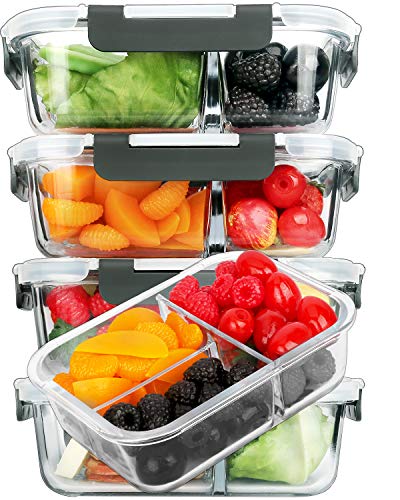 Durable glass construction resists stains and odors for repeated use.
Frequently Asked Questions
Are Compartment Food Storage Containers Microwave Safe?
Most high-quality compartmentalized containers are microwave safe, but this varies by material and brand. BPA-free plastic containers are typically rated for microwave use up to 212°F (100°C), while borosilicate glass containers can withstand even higher temperatures. Always check the manufacturer’s guidelines before heating, and avoid microwaving containers with metal components or damaged lids, as these can spark or melt. Reheat food in short 30–60 second intervals to avoid hot spots that can warp plastic or burn food.
How Do Compartment Containers Prevent Leaks?
Leakproof performance comes from two key design features: a tight-fitting silicone gasket around the lid rim, and a snap-lock or locking mechanism that presses the lid firmly against the container base. Most leakproof-rated containers will hold liquid without spilling if held upside down for 30 seconds or more, but they are not designed to hold large volumes of liquid (like soup or dressing) for extended transport. For liquid-heavy meals, opt for containers with a separate small dressing cup, or use a sealed secondary container for sauces.
Can Compartment Containers Be Stacked Easily?
Yes, most compartmentalized containers are designed with uniform, flat edges to stack securely in pantries, refrigerators, or freezers. Stacking saves up to 40% of storage space compared to storing containers individually, making it ideal for small kitchens or preppers with limited storage. For travel, stackable bento boxes also fit neatly in lunch bags or backpacks without taking up extra room.
Are Glass Compartment Containers Better Than Plastic?
Glass and plastic each have unique benefits depending on your use case. Glass is non-porous, so it won’t retain stains or odors from tomato sauce, curry, or strong-smelling foods, and it’s safe for oven use up to 450°F, making it ideal for meal prepped casseroles or roasted veggies. It’s also a more sustainable long-term option, as it doesn’t degrade over time like plastic can. Plastic containers are lighter, shatter-resistant, and more affordable, making them a better pick for travel, kids’ lunches, or gym bags where breakage is a risk. For most households, a mix of both materials works best: glass for fridge-to-oven meals, plastic for on-the-go use.
Do Compartment Containers Help With Portion Control?
Absolutely. Compartmentalized containers eliminate the guesswork of portion sizes by dividing your meal into pre-set sections. A standard 3-compartment 32 oz container typically holds 4–6 oz of protein, ½ cup of grains, and 1 cup of vegetables per compartment, aligning with USDA dietary guidelines for balanced meals. For fitness enthusiasts tracking macros, this built-in portioning makes it easy to hit protein and carb targets without weighing every ingredient, and helps prevent overeating by visually limiting serving sizes.
Final Thoughts: Pick the Right Set for Your Routine
The best food storage containers with compartments depend entirely on your daily routine: if you travel frequently, opt for lightweight, shatterproof BPA-free plastic; if you regularly meal prep casseroles or soups, invest in oven-safe borosilicate glass; if you’re packing lunches for a family, a bulk 50-pack of 3-compartment containers is the most cost-effective pick. No matter which set you choose, these versatile tools will cut down on food waste, reduce your reliance on single-use packaging, and make meal prep far less tedious.
Ready to streamline your kitchen routine? Browse our full library of kitchen organization guides, including tips for maintaining your cleaning tools to keep your containers in top shape for years of use.

Hi, I’m Daniel Brooks—a food lover and kitchen gear enthusiast. I enjoy testing cookware, utensils, and gadgets to see what really works in everyday cooking. At PlugChef.com, I share honest reviews, comparisons, and simple guides to help you choose the best tools for a safer, smarter, and more enjoyable kitchen.
Related posts:
 Large Airtight Food Storage Container: Ultimate Pantry Organization Solution
 Metal Racks for Kitchen Storage: Maximize Space and Organize Efficiently
 Kitchen Storage Cabinet on Wheels: Transform Your Culinary Space Effortlessly
 Cuisinart 9 Cup Continuous Feed Food Processor: Revolutionize Your Kitchen Tasks
 Kitchen Platform Cleaning Brush: Ultimate Deep Clean for Tough Kitchen Messes
 Monthly Drain Maintenance: Top Enzyme Cleaners to Prevent Clogs and Odors