
Are you tired of harsh chemicals lingering in your kitchen after cleaning? Imagine being able to wipe down your countertops and appliances without worrying about toxins.
You can achieve a sparkling clean kitchen using safe, organic methods that protect your health and the environment. This guide will show you how to effectively clean kitchen surfaces with organic solutions, ensuring a spotless and safe space for your culinary adventures.
Dive into these easy-to-follow tips and transform your cleaning routine with natural ingredients that you probably already have in your pantry. Ready to revolutionize your kitchen cleaning? Let’s get started!
Choosing Organic Cleaning Products
Effectively clean kitchen surfaces using organic products. These products remove dirt and bacteria without harmful chemicals. Make your kitchen safe and fresh with natural ingredients. Choose plant-based cleaners for a healthier home.
Keeping your kitchen surfaces clean is essential, but are you aware of the hidden chemicals in conventional cleaning products? Transitioning to organic cleaning solutions can make your kitchen a healthier place. Many people, including myself, have switched to organic cleaners and noticed a significant difference in air quality and skin sensitivity. But how do you choose the right organic cleaning products for your kitchen? Let’s explore the benefits and key ingredients to look for.Benefits Of Organic Products
Organic cleaning products are not just a trend; they offer tangible benefits. They are free from harmful chemicals like ammonia and chlorine, reducing the risk of respiratory problems and skin irritations. With organic options, you can clean your kitchen without worrying about harmful residues on surfaces where you prepare food. Additionally, organic cleaners are often biodegradable, making them kinder to the environment. This means less pollution in our waterways and a smaller carbon footprint. By choosing organic, you’re doing your part for the planet.Common Ingredients In Organic Cleaners
Understanding the ingredients in organic cleaners can help you make informed decisions. Many organic products use vinegar, a natural disinfectant, to cut through grease and grime. Baking soda is another common ingredient, known for its ability to remove stains and neutralize odors. Essential oils like tea tree or lavender are often added for their antimicrobial properties and pleasant scents. These oils not only enhance cleaning power but also leave your kitchen smelling fresh without synthetic fragrances. Have you ever checked the labels on your cleaning products? Knowing what’s inside can empower you to make healthier choices for your home and family.
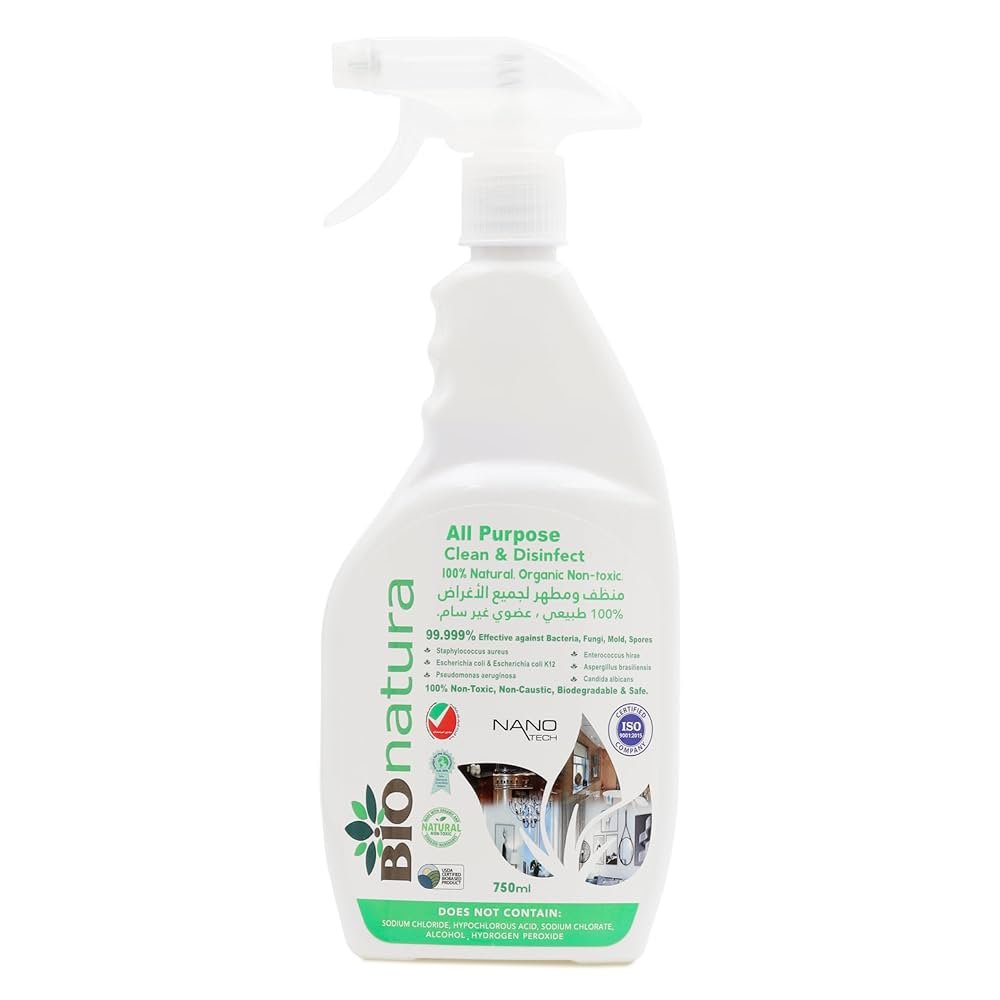
Credit: www.walmart.com
Preparation Before Cleaning
Cleaning your kitchen surfaces organically requires proper preparation. This ensures efficient results. Start by organizing your approach. This helps in saving time and energy. Your kitchen will shine and smell fresh.
Gathering Necessary Supplies
First, gather your organic cleaning supplies. Essential items include white vinegar, baking soda, and lemon juice. These items are powerful and safe. They help in removing stains and odors. You might also need a soft cloth or sponge. These are gentle on surfaces and prevent scratches.
Safety Precautions
Prioritize safety when cleaning. Wear gloves to protect your skin. Organic cleaners are mild but can irritate sensitive skin. Ensure your kitchen is well-ventilated. Open windows or use a fan to circulate air. This helps in reducing any strong smells. Keep cleaning supplies out of children’s reach. This prevents accidental spills or ingestion.
Cleaning Countertops
Cleaning countertops is essential for maintaining a healthy and welcoming kitchen environment. They often bear the brunt of spills, stains, and daily food prep messes. But did you know that cleaning them effectively can be done using organic methods? Let’s explore how you can keep your countertops sparkling clean with nature-friendly solutions.
Types Of Countertop Materials
Your kitchen might have countertops made from a variety of materials, each requiring a different cleaning approach. Common options include granite, marble, laminate, and quartz. Granite and marble are porous, needing gentle care to avoid damage. Laminate is more forgiving, but can still be sensitive to harsh chemicals. Quartz is durable but can lose its shine if not cleaned properly.
Understanding your countertop’s material is crucial in choosing the right cleaning method. A friend once ruined her beautiful marble countertop by using a common household cleaner. Knowing what your surfaces are made of can prevent such mishaps.
Organic Cleaning Methods
Are you ready to ditch the harsh chemicals? Start by using ingredients you likely already have in your pantry. For granite and marble, mix a simple solution of water and mild dish soap. Apply it with a soft cloth. This gentle method keeps your surfaces looking new without any chemical residue.
For laminate, you can use vinegar diluted in water. Its natural acidity helps cut through grease and grime. If you’re worried about the smell, don’t be; it fades quickly. For quartz countertops, a paste of baking soda and water works wonders on stubborn stains. Just apply it, let it sit for a few minutes, and wipe away.
Why settle for store-bought cleaners when you can harness nature’s power? Plus, using organic methods is better for the planet and safer for your family. What’s stopping you from making the switch?
Have you ever tried an organic cleaner and been amazed by the results? Share your experience and tips in the comments below!
Maintaining Stove And Oven
Organic cleaning keeps stoves and ovens spotless without harsh chemicals. Mix vinegar and baking soda for tough grease. Wipe surfaces with a damp cloth for daily maintenance.
Maintaining a clean stove and oven enhances kitchen hygiene. Organic cleaning methods are perfect for this. They minimize chemical exposure while ensuring cleanliness. Cleaning these surfaces regularly prevents grease buildup and keeps your kitchen fresh. Let’s explore how to keep your stove and oven spotless with simple routines and techniques.Daily Cleaning Routine
Start with a daily wipe-down. Use a mixture of water and vinegar. This combination dissolves grease effectively. Wipe spills immediately to avoid stains. A soft cloth is best for this task. Clean knobs and handles as well. These areas gather dirt quickly. Regular cleaning preserves the appliance’s look. It also reduces the need for deep cleans.Deep Cleaning Techniques
For a deeper clean, baking soda works wonders. Mix it with water to form a paste. Apply it to stubborn stains and let it sit. Scrub gently after 15 minutes. For ovens, sprinkle baking soda inside. Spray with vinegar and let it fizz. Rinse after an hour for a sparkling finish. Use a toothbrush for hard-to-reach areas. This method is safe and effective. Maintain cleanliness with these techniques regularly.Sink And Faucet Care
Cleaning kitchen surfaces organically ensures a safe, chemical-free environment. Use natural ingredients like vinegar and baking soda. These effectively tackle stains and grime on sinks and faucets without harsh chemicals. Regular maintenance keeps your kitchen fresh and hygienic.
Keeping your kitchen sink and faucet clean is crucial for maintaining a healthy cooking environment. The sink is often a hub of activity, where you rinse vegetables, wash dishes, and occasionally, dump leftovers. With all this action, sinks can quickly become a breeding ground for germs if not cleaned properly. But fear not, taking care of your sink and faucet using organic methods can be both simple and effective.Removing Mineral Deposits
Mineral deposits can make your sink and faucet look worn out and unappealing. An easy way to tackle this is by using white vinegar, a natural powerhouse for cleaning. Simply soak a cloth in white vinegar and wrap it around the faucet. Let it sit for about 30 minutes, then wipe away the deposits. The acidity in vinegar helps break down minerals, leaving your fixtures shiny and new. Have you noticed how a clean sink makes you feel more eager to start cooking? It’s like setting the stage for a great meal.Preventing Mold And Mildew
Mold and mildew can be sneaky, finding their way into the crevices of your sink and faucet. Regularly drying your sink after use can deter these unwanted guests. For a more thorough clean, mix baking soda and water into a paste. Apply it around the sink edges and faucet base, areas where mold loves to hide. Scrub gently with a toothbrush to lift away any buildup. Have you ever thought about how much time you spend at the sink? Keeping it clean not only ensures hygiene but also enhances your daily kitchen routine. By paying attention to your sink and faucet, you create a kitchen space that is both beautiful and functional. What small changes can you make today for a cleaner kitchen tomorrow?Cabinet And Appliance Cleaning
Cleaning kitchen cabinets and appliances is crucial for a healthy home. Dirt and grime can accumulate quickly. They can affect the appearance and hygiene of your kitchen. Using organic methods ensures safety and effectiveness. It also reduces exposure to harsh chemicals. With natural solutions, you can maintain a clean and eco-friendly kitchen environment.
Natural Solutions For Wood Cabinets
Wood cabinets need gentle cleaning to preserve their finish. Mix vinegar and water in equal parts. Use a soft cloth to wipe down surfaces. This solution removes grease and dirt without damaging the wood. For stubborn stains, add a few drops of olive oil. It helps to restore the wood’s natural shine. Avoid abrasive scrubbers to prevent scratches.
Another effective cleaner is baking soda. Make a paste with water and apply it to the stains. Leave it for a few minutes, then wipe it off gently. Baking soda is a natural deodorizer. It helps keep your cabinets smelling fresh.
Cleaning Stainless Steel Appliances
Stainless steel appliances add elegance to any kitchen. They can show fingerprints and smudges easily. A simple cleaning solution can help. Mix water and dish soap in a spray bottle. Spray it on the appliance and wipe with a microfiber cloth. It removes dirt and leaves a streak-free shine.
For a natural polish, use white vinegar. Spray it on the surface and wipe along the grain. This method removes any remaining soap residue. It also enhances the shine. Olive oil works well for a final touch. Apply a small amount to a cloth and buff the surface. This step adds a protective layer, making future cleaning easier.
Floor Cleaning Strategies
Cleaning kitchen surfaces organically ensures a safe environment. Use vinegar and baking soda for effective stain removal. Natural oils polish surfaces, leaving them shiny. Regular maintenance with these ingredients keeps kitchen spaces fresh and hygienic.
Cleaning your kitchen floor can seem like a daunting task, especially if you’re aiming to keep it organic. But with the right strategies, it can be a breeze. Whether you’re dealing with spills, stains, or just everyday dirt, using organic solutions can keep your kitchen safe and spotless. Let’s dive into some effective strategies for different types of floors.Suitable Organic Solutions
Choosing the right organic cleaning solution is crucial. White vinegar is a fantastic option. It’s not only affordable but also versatile, making it perfect for cutting through grease and grime. Baking soda is another kitchen staple. It acts as a gentle abrasive that can tackle tough stains without scratching your floors. If you enjoy a fresh scent, consider adding a few drops of essential oils like lemon or tea tree to your cleaning solution. Not only do they smell great, but they also have antibacterial properties.Tips For Different Floor Types
Different floor types require different care. For hardwood floors, use a damp mop with a vinegar and water solution. Be sure not to let water sit on the surface to avoid damage. Tile floors can handle a bit more moisture. A mixture of baking soda and water can help scrub away stubborn stains. Remember to rinse the floor well to avoid any residue. Laminate floors need gentle care. A soft cloth with a diluted vinegar solution works wonders. Avoid using excessive water, as it can seep into the seams and cause warping. Have you ever noticed how a clean floor can change the entire feel of your kitchen? With these strategies, you can maintain a pristine kitchen floor that complements your organic lifestyle. What’s your favorite organic cleaning hack for kitchen floors? Share your thoughts in the comments!
Credit: www.amazon.com
Maintaining Cleanliness
Discover effective ways to clean kitchen surfaces using organic methods. Use vinegar, baking soda, and lemon for sparkling results. Keep your kitchen fresh and safe with these simple, natural cleaning solutions.
Maintaining cleanliness in the kitchen keeps it fresh and hygienic. Organic cleaning methods are safe and eco-friendly. They reduce chemical exposure. A clean kitchen ensures good health. It also enhances the cooking experience. Regular cleaning prevents dirt buildup. It keeps surfaces shining. Let’s explore effective ways to maintain cleanliness.Regular Cleaning Schedule
A regular cleaning schedule helps keep the kitchen spotless. Plan weekly tasks. Dust shelves and clean cupboard doors. Use vinegar for surfaces. It cuts through grease. Baking soda removes stubborn stains. Schedule deep cleaning monthly. Check for hidden dirt. Clean behind appliances. Tackle grout in tiles. Consistency is key for cleanliness.Tips For Quick Daily Maintenance
Quick daily maintenance saves time. Wipe spills immediately. Use a damp cloth. Lemon juice removes odors. Keep counters clear. Store utensils properly. Use natural cleaners. They are gentle on surfaces. A quick sweep keeps the floor clean. Empty the trash daily. It prevents bad smells. Simple actions lead to a tidy kitchen.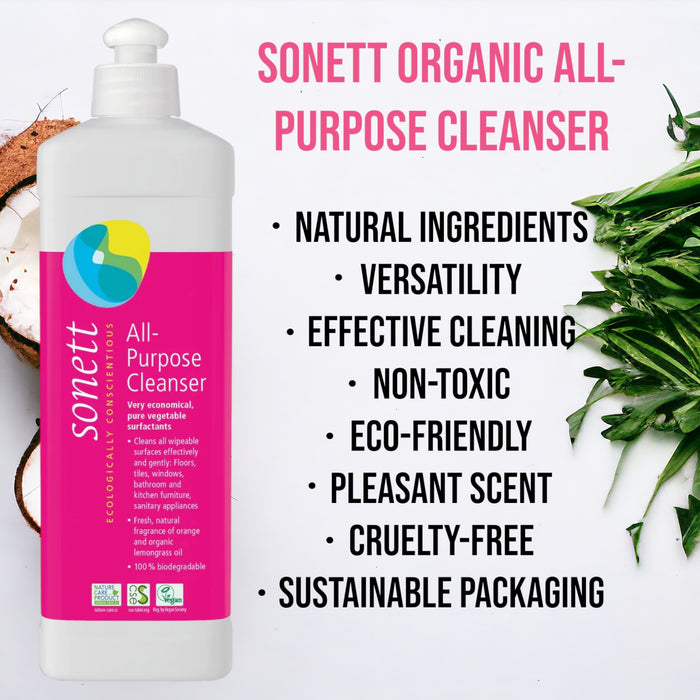
Credit: www.sonettusa.com
Frequently Asked Questions
What Is The Best Natural Disinfectant For Kitchens?
White vinegar is the best natural disinfectant for kitchens. It effectively kills bacteria and removes grease. Mix equal parts vinegar and water for an easy cleaning solution. Its acidic properties sanitize surfaces without harmful chemicals, making it eco-friendly and safe for food preparation areas.
What Is The Healthiest Way To Clean Your House?
Use natural cleaning products like vinegar, baking soda, and essential oils. Ventilate rooms to improve air quality. Regularly dust and vacuum using a HEPA filter. Maintain cleanliness by organizing and decluttering. Focus on eco-friendly methods to reduce chemical exposure and promote a healthier home environment.
What Is The Best Thing To Clean Kitchen Counters With?
Use a mixture of warm water and mild dish soap for most kitchen counters. For tougher stains, apply white vinegar or baking soda. Always follow with a clean, damp cloth to remove residues. Ensure the cleaner is safe for your countertop material to avoid damage.
How To Clean And Sanitize Kitchen Surfaces?
Clean kitchen surfaces with warm, soapy water. Rinse thoroughly with clean water. Sanitize using a solution of 1 tablespoon bleach in 1 gallon of water. Let it air dry. Always use clean cloths or paper towels to avoid contamination.
Conclusion
Cleaning kitchen surfaces organically is simple and effective. Use natural ingredients like vinegar and baking soda. They clean well and are safe. Regular cleaning prevents germs and keeps surfaces shiny. Avoid harsh chemicals to protect your health. A clean kitchen also means better food safety.
Try to clean spills immediately. This prevents stains and makes cleaning easier. Make these tips a routine for a healthy kitchen. Enjoy a fresh and inviting cooking space every day. Remember, organic cleaning is good for you and the environment.
Happy cleaning!

I’m Abby Lu, a passionate home cook who loves simplifying everyday meals. At PlugChef.com, I share product reviews and cooking guides to help you find the best tools for your kitchen.
Related posts:
 What Type of Cooking Utensils are Safe: Expert Picks
 What Innovations Could Blenders Make: Unleashing Future Tech
 Smart Strategies to Organize a Small Kitchen: Maximize Space
 How to Organize a Kitchen Cabinet: Expert Tips & Tricks
 How to Organize Kitchen Drawers: Expert Tips and Tricks
 How to Organize a Corner Kitchen Cupboard: Expert Tips

