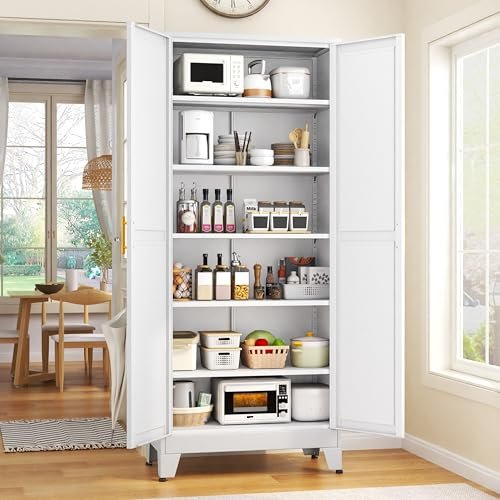
Clutter from small kitchen appliances—toasters, air fryers, stand mixers, coffee makers, and blenders—quickly eats up limited counter real estate, making food prep slower and cleaning more tedious. A dedicated storage cabinet for kitchen appliances solves this problem by hiding clutter, freeing up counter space, and protecting your investment from kitchen grease, steam, and accidental knocks. Whether you have a spacious open-concept kitchen or a tiny apartment galley, the right cabinet fits your space, style, and storage needs without overwhelming your layout. This guide breaks down the key features to prioritize, top cabinet styles, and specific product recommendations to help you maximize space and organization effortlessly.
Why Dedicated Storage Cabinets for Kitchen Appliances Are a Game-Changer
Most households accumulate a growing collection of small kitchen appliances over time, and leaving them all out on countertops creates more than just visual clutter. A purpose-built storage cabinet delivers concrete benefits for your kitchen workflow:
- Frees up counter space for food prep, reducing the time you spend moving appliances out of the way to cook.
- Keeps heavy appliances off open countertops, lowering the risk of accidental knocks that can break glass carafes or damage delicate parts.
- Protects appliances from prolonged exposure to kitchen heat, grease, and moisture, extending their lifespan significantly with proper care.
- Hides mismatched appliances for a cleaner, more cohesive aesthetic, which is especially valuable for open-concept kitchens that flow into living or dining areas. Unlike open shelving, enclosed cabinets keep dust and cooking grease off appliance surfaces, so you spend less time scrubbing stuck-on grime and more time using the tools you love.
Key Features to Prioritize When Shopping
Not all storage cabinets are built to hold heavy, bulky kitchen appliances. Prioritize these features to ensure you pick a model that will last for years and fit your needs:
Adjustable Shelving
Adjustable shelves are non-negotiable for appliance storage, as small appliances vary wildly in height: a standard toaster is 8-10 inches tall, a stand mixer is 14-18 inches, and a spice rack is just 4-6 inches. Fixed shelves waste space or won’t fit larger items, while 3-5 adjustable tiers let you reconfigure the interior as your appliance collection changes. Look for shelves that adjust in 1-2 inch increments for maximum flexibility.
Weight Capacity
Heavy appliances like stand mixers, air fryer ovens, and full-size microwaves can weigh 15-30 lbs each. Look for cabinets rated for 25-50 lbs per shelf for heavy items, and 10-15 lbs per shelf for lighter goods like spice jars and small gadgets. Particleboard shelves often have lower weight limits than solid wood or steel, so check manufacturer specs before purchasing. Overloading storage units is a leading cause of tip-over injuries in homes, per the U.S. Consumer Product Safety Commission, so stick to the listed capacity to avoid damage or injury.
Mobility vs. Stability
If you live in a small apartment or rent your home, lockable caster wheels let you move the cabinet out of the way when hosting or rearrange your space as needed. Look for wheels that lock in place to prevent rolling when the cabinet is loaded with heavy appliances. Freestanding, non-wheeled cabinets are better for permanent storage of very heavy items, as they are less likely to tip over.
Material Durability
Kitchens are high-moisture, high-traffic areas, so material matters. Powder-coated steel is scratch, stain, and moisture-resistant, making it easy to wipe down with a damp cloth and ideal for spaces near sinks or stoves. Solid wood offers a warm, traditional aesthetic but requires regular sealing to prevent water damage and warping. Particleboard is budget-friendly but can swell if exposed to consistent spills or humidity.
Integrated Power Outlets
For cabinets that hold daily-use appliances like coffee makers, toasters, or can openers, built-in power outlets eliminate the need for messy extension cords running across countertops, a common tripping and fire hazard. Built-up heat from improperly stored heat-generating appliances can damage cabinet finishes and create a fire risk, per guidance from the National Fire Protection Association, so only use integrated outlets for low-heat appliances unless the cabinet is specifically rated for high-heat use.
Top Storage Cabinet Styles for Kitchen Appliances
The best cabinet for your kitchen depends on your available space, how many appliances you need to store, and whether you need multi-use functionality. Below are the most popular styles, with top product recommendations:
Tall Freestanding Pantry Cabinets
Ideal for narrow gaps between existing cabinetry or for storing a full set of small appliances without taking up extra floor space, these 60-80 inch tall cabinets are the most popular choice for small and mid-sized kitchens.
GAIOUS 75.2" Tall Pantry Cabinet
 Ideal for narrow kitchen gaps, this tall cabinet holds multiple appliance tiers without taking up extra floor space.
With 5 adjustable shelves and a 25 lb per shelf weight capacity, this 75.2-inch tall cabinet fits everything from 12-cup food processors to stacks of mugs and spice jars. The powder-coated steel finish resists kitchen grease and moisture, making cleanup as simple as wiping with a damp cloth and a heavy-duty scrub brush for stuck-on grime. Its slim 12-inch footprint fits easily in narrow kitchen gaps between the fridge and wall, making it a top pick for galley kitchens.
Ideal for narrow kitchen gaps, this tall cabinet holds multiple appliance tiers without taking up extra floor space.
With 5 adjustable shelves and a 25 lb per shelf weight capacity, this 75.2-inch tall cabinet fits everything from 12-cup food processors to stacks of mugs and spice jars. The powder-coated steel finish resists kitchen grease and moisture, making cleanup as simple as wiping with a damp cloth and a heavy-duty scrub brush for stuck-on grime. Its slim 12-inch footprint fits easily in narrow kitchen gaps between the fridge and wall, making it a top pick for galley kitchens.
- Pros: Adjustable shelving, slim footprint, moisture-resistant finish, 5 total storage tiers.
- Cons: Requires two-person assembly due to 80+ lb weight, not suitable for spaces with ceilings under 7 feet tall. Ready to add slim, high-capacity storage to your kitchen? View the GAIOUS 75.2" Tall Pantry Cabinet on Amazon here.
Yizosh Metal Storage Cabinet
 Slim 15-inch depth fits easily along kitchen walls while holding mid-sized appliances like toaster ovens and blenders.
This 61-inch tall steel cabinet has a 15-inch deep interior, 4 adjustable shelves with a 25 lb per shelf weight capacity, and a scratch-resistant powder-coated finish. It’s a mid-range option for households that need to store a mix of small and mid-sized appliances without taking up too much floor space, and its neutral white finish complements almost any kitchen decor.
Slim 15-inch depth fits easily along kitchen walls while holding mid-sized appliances like toaster ovens and blenders.
This 61-inch tall steel cabinet has a 15-inch deep interior, 4 adjustable shelves with a 25 lb per shelf weight capacity, and a scratch-resistant powder-coated finish. It’s a mid-range option for households that need to store a mix of small and mid-sized appliances without taking up too much floor space, and its neutral white finish complements almost any kitchen decor.
- Pros: Slim depth fits standard kitchen alcoves, scratch-resistant finish, budget-friendly price point.
- Cons: Assembly requires two people for stability, no included bottom drawer for small items. For a no-frills, durable metal cabinet at a mid-range price point, the Yizosh model is a reliable pick on Amazon here.
IRONCK Kitchen Pantry Storage Cabinet
 The barn door design adds farmhouse charm while the bottom drawer stores small utensils and gadget manuals.
72.6 inches tall with 4 adjustable shelves and a 15.7-inch deep interior, this cabinet fits larger appliances like full-size toaster ovens and stand mixers. The weighted barn doors close softly to prevent slamming, and the included pull-out drawer is perfect for storing small appliance parts, recipe cards, or kitchen tools. It has a 30 lb per shelf weight capacity, so it can hold heavier items without bowing.
The barn door design adds farmhouse charm while the bottom drawer stores small utensils and gadget manuals.
72.6 inches tall with 4 adjustable shelves and a 15.7-inch deep interior, this cabinet fits larger appliances like full-size toaster ovens and stand mixers. The weighted barn doors close softly to prevent slamming, and the included pull-out drawer is perfect for storing small appliance parts, recipe cards, or kitchen tools. It has a 30 lb per shelf weight capacity, so it can hold heavier items without bowing.
- Pros: Soft-close barn doors, included bottom drawer, high weight capacity, farmhouse aesthetic.
- Cons: 101 lb weight makes it difficult to reposition after assembly, 15.7 inch depth may not fit extra-wide air fryer ovens. If you prefer a farmhouse-inspired look with extra small-item storage, check out the IRONCK cabinet on Amazon here.
Kepptory Kitchen Pantry Cabinet
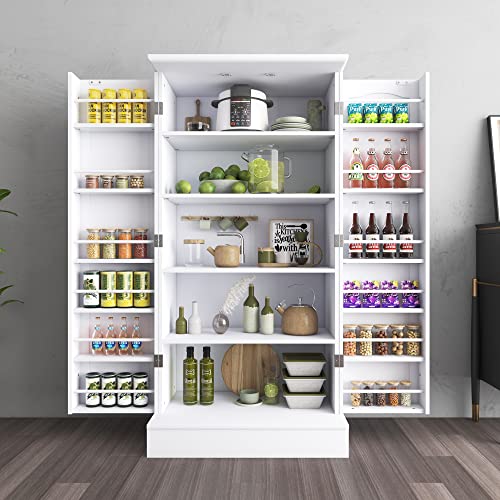 Compact 16-inch depth fits most kitchen alcoves while still holding full-size small appliances.
Designed for tighter kitchen footprints, this 71-inch tall cabinet has 4 adjustable shelves and a pull-out drawer for utensils and small gadgets. The 16-inch depth fits standard kitchen cabinet alcoves, so you can place it flush against existing cabinetry for a seamless look. It has a 20 lb per shelf weight capacity, suitable for most small to mid-sized appliances, and is one of the most budget-friendly tall pantry options on the market.
Compact 16-inch depth fits most kitchen alcoves while still holding full-size small appliances.
Designed for tighter kitchen footprints, this 71-inch tall cabinet has 4 adjustable shelves and a pull-out drawer for utensils and small gadgets. The 16-inch depth fits standard kitchen cabinet alcoves, so you can place it flush against existing cabinetry for a seamless look. It has a 20 lb per shelf weight capacity, suitable for most small to mid-sized appliances, and is one of the most budget-friendly tall pantry options on the market.
- Pros: Slim depth fits standard alcoves, included pull-out drawer, budget-friendly price point.
- Cons: Assembly takes 60-90 minutes for one person, lower weight capacity limits very heavy appliance storage. For a budget-friendly option that fits standard kitchen cabinet gaps, the Kepptory pantry is a solid choice on Amazon here.
Shintenchi Kitchen Pantry Storage Cabinet
 Built-in microwave shelf and wine rack make this a multi-use cabinet for cooking and entertaining.
72 inches tall with a dedicated microwave shelf on the second tier, this cabinet lets you stow your microwave below counter level without losing valuable counter space. The upper shelves hold small appliances and pantry goods, while the built-in wine rack stores up to 6 bottles for entertaining. Adjustable shelves let you reconfigure the interior as your needs change, and soft-close doors prevent slamming in busy kitchens.
Built-in microwave shelf and wine rack make this a multi-use cabinet for cooking and entertaining.
72 inches tall with a dedicated microwave shelf on the second tier, this cabinet lets you stow your microwave below counter level without losing valuable counter space. The upper shelves hold small appliances and pantry goods, while the built-in wine rack stores up to 6 bottles for entertaining. Adjustable shelves let you reconfigure the interior as your needs change, and soft-close doors prevent slamming in busy kitchens.
- Pros: Dedicated microwave shelf, built-in wine rack, soft-close doors, farmhouse aesthetic.
- Cons: 12.8-inch depth may not fit larger countertop microwaves, 96 lb weight requires two people to move. If you want a multi-functional cabinet that doubles as a coffee station and wine storage, the Shintenchi model is worth considering on Amazon here.
71" Kitchen Pantry Cabinet with Gold Handles
 Gold hardware adds a touch of elegance to this high-capacity pantry cabinet, making it a statement piece in any room.
71 inches tall with 4 adjustable shelves and a 30 lb per shelf weight capacity, this cabinet can hold even the largest small appliances, including full-size air fryer ovens and stand mixers. The brushed gold handles add a luxe touch that complements modern and traditional kitchen decors, and the full metal construction resists dents and scratches for long-term use.
Gold hardware adds a touch of elegance to this high-capacity pantry cabinet, making it a statement piece in any room.
71 inches tall with 4 adjustable shelves and a 30 lb per shelf weight capacity, this cabinet can hold even the largest small appliances, including full-size air fryer ovens and stand mixers. The brushed gold handles add a luxe touch that complements modern and traditional kitchen decors, and the full metal construction resists dents and scratches for long-term use.
- Pros: High weight capacity, luxe gold hardware, full metal construction, 4 storage tiers.
- Cons: Requires two-person assembly due to 78 lb weight, gold hardware may not fit ultra-minimalist decors. If you want a high-capacity cabinet with a touch of elegant hardware, this model is a standout pick on Amazon here.
Rolling Utility Carts & Microwave Stands
Perfect for renters, tiny apartments, or anyone who needs flexible storage that can be moved out of the way when hosting, these mobile units combine storage with easy maneuverability.
ThreeHio Rolling Kitchen Microwave Cart
 Lockable caster wheels let you move this cart anywhere in your kitchen, then secure it in place for stability.
30 inches tall with 3 tiers, this compact cart fits standard countertop microwaves on the top shelf, with lower tiers for toasters, spice jars, and coffee supplies. The lockable wheels prevent rolling when in use, and the 150 lb total weight capacity handles most mid-sized appliances. It’s lightweight enough to roll into a closet or pantry when not in use, making it ideal for renters who can’t install permanent storage.
Lockable caster wheels let you move this cart anywhere in your kitchen, then secure it in place for stability.
30 inches tall with 3 tiers, this compact cart fits standard countertop microwaves on the top shelf, with lower tiers for toasters, spice jars, and coffee supplies. The lockable wheels prevent rolling when in use, and the 150 lb total weight capacity handles most mid-sized appliances. It’s lightweight enough to roll into a closet or pantry when not in use, making it ideal for renters who can’t install permanent storage.
- Pros: Lockable wheels, compact footprint, high weight capacity for its size, easy to move.
- Cons: 50 lb weight limit per shelf may not hold extra-large air fryer ovens, assembly requires a screwdriver. If you need flexible, movable storage for small appliances, the ThreeHio rolling cart is a renter-friendly pick on Amazon here.
PXRACK 5-Tier Rolling Storage Shelves
 Fully adjustable shelves let you customize this unit for tall stand mixers, short spice jars, and everything in between.
5 fully adjustable shelves with a 25 lb per shelf weight limit, this unit is more customizable than standard microwave carts. The heavy-duty caster wheels lock in place, and the open design makes it easy to grab items quickly without opening doors. It’s ideal for storing a full set of small appliances, from blenders to can openers, in a visible, accessible spot.
Fully adjustable shelves let you customize this unit for tall stand mixers, short spice jars, and everything in between.
5 fully adjustable shelves with a 25 lb per shelf weight limit, this unit is more customizable than standard microwave carts. The heavy-duty caster wheels lock in place, and the open design makes it easy to grab items quickly without opening doors. It’s ideal for storing a full set of small appliances, from blenders to can openers, in a visible, accessible spot.
- Pros: 5 adjustable tiers, open design for easy access, heavy-duty wheels, high total weight capacity.
- Cons: Open shelves collect dust faster than enclosed cabinets, lower weight limit per shelf for very heavy appliances. For a fully customizable, open storage option for your full appliance collection, the PXRACK 5-tier unit is a versatile pick on Amazon here.
Multi-Functional Bakers Racks
Ideal for coffee stations, dual-purpose kitchen nooks, or anyone who wants easy access to daily appliances, these racks often include built-in power and hanging storage for added convenience.
Furologee Kitchen Bakers Rack with Power Outlet
 Built-in power outlets let you plug in daily appliances directly on the rack, eliminating messy extension cords.
This 4-tier rack has a built-in 2-outlet power strip, so you can plug in a coffee maker, toaster, or microwave directly on the shelf without running cords across countertops. The 6 included S-hooks let you hang mugs, utensil holders, or small kitchen tools, and the rustic brown finish fits farmhouse and industrial kitchen decors. It has a 40 lb per tier weight capacity, so it can hold mid-sized appliances safely.
Built-in power outlets let you plug in daily appliances directly on the rack, eliminating messy extension cords.
This 4-tier rack has a built-in 2-outlet power strip, so you can plug in a coffee maker, toaster, or microwave directly on the shelf without running cords across countertops. The 6 included S-hooks let you hang mugs, utensil holders, or small kitchen tools, and the rustic brown finish fits farmhouse and industrial kitchen decors. It has a 40 lb per tier weight capacity, so it can hold mid-sized appliances safely.
- Pros: Integrated power outlets, included S-hooks, rustic aesthetic, 4 storage tiers.
- Cons: 20-inch depth may not fit very narrow kitchen nooks, assembly takes 45-60 minutes. If you’re setting up a dedicated coffee station or need a rack with built-in power for daily appliances, the Furologee bakers rack is a convenient pick on Amazon here.
Sideboard & Buffet Cabinets
Perfect for dining room storage or multi-use homes, these wider cabinets offer extra top surface space for prep or serving, in addition to enclosed appliance storage.
Shintenchi Modern Farmhouse Sideboard Buffet Cabinet
 The 42-inch width fits perfectly along dining room walls, doubling as a serving station for meals and a storage spot for small kitchen appliances.
32 inches tall with 3 soft-close barn doors and an adjustable interior shelf, this cabinet is perfect for storing appliances you only use occasionally, like slow cookers, fondue pots, or holiday serving ware. The 42-inch width gives you 15.7 inches of depth, enough for full-size appliances, and the top surface works as an extra prep or serving space when hosting. The farmhouse barn door design complements both modern and traditional kitchen and dining room decors.
The 42-inch width fits perfectly along dining room walls, doubling as a serving station for meals and a storage spot for small kitchen appliances.
32 inches tall with 3 soft-close barn doors and an adjustable interior shelf, this cabinet is perfect for storing appliances you only use occasionally, like slow cookers, fondue pots, or holiday serving ware. The 42-inch width gives you 15.7 inches of depth, enough for full-size appliances, and the top surface works as an extra prep or serving space when hosting. The farmhouse barn door design complements both modern and traditional kitchen and dining room decors.
- Pros: Extra top surface for prep/serving, soft-close barn doors, versatile for dining or kitchen use.
- Cons: Limited color options (only white available), 96 lb weight makes it hard to move after assembly. If you want a dual-purpose cabinet that works in your dining room as well as your kitchen, the Shintenchi sideboard is a stylish option on Amazon here.
Pro Tips for Organizing Appliances in Your Storage Cabinet
Even the best cabinet won’t work if it’s disorganized. Follow these practical tips to keep your appliances accessible and your space clutter-free:
- Store frequently used appliances on middle shelves: Place your daily-use toaster, coffee maker, and air fryer on shelves between waist and chest height to avoid bending or stretching. Heavy items like stand mixers and full-size microwaves go on the lowest shelf to prevent tipping and make them easier to lift in and out.
- Use bins and dividers for small items: Store appliance manuals, extra cords, spice jars, and measuring cups in clear, labeled bins to keep them from getting lost in the back of the cabinet. This also makes it easier to pull out the entire bin when you need an item, rather than digging through the whole shelf.
- Leave 2-3 inches of clearance between shelves: Most small appliances need room for ventilation, especially heat-generating items like toaster ovens. Crowding them can cause overheating, shorten appliance lifespan, and increase fire risk.
- Keep cords wrapped and secured: Use Velcro cord wraps to keep appliance cords neat, so they don’t get tangled or block shelf space. If your cabinet has a solid back panel, cut a small notch to run cords through to an outlet behind the cabinet, eliminating visible cord clutter.
- Store seasonal appliances on the top or bottom shelves: Items like holiday fondue pots, turkey fryers, or summer ice cream makers that you only use a few times a year can go on the highest or lowest shelves, out of the way of daily use.
Safety Considerations for Kitchen Appliance Storage
Proper storage doesn’t just keep your kitchen organized—it reduces accident risks for your whole household:
- Secure heavy appliances to prevent tipping: If you have a rolling cart or store heavy appliances on upper shelves, use cabinet safety latches to keep cabinet doors closed, especially if you have young children or pets who might try to climb on the cabinet.
- Avoid overloading shelves: Stick to the manufacturer’s listed weight capacity per shelf, and distribute heavy items evenly across multiple shelves to prevent bowing or collapse.
- Keep cords away from water sources: If your cabinet is near the kitchen sink or dishwasher, route appliance cords away from wet areas to reduce electric shock risk. For extra peace of mind, use child-proof drawer locks on lower cabinet drawers if you store sharp appliance parts (blender blades, food processor discs) that little kids could access.
- Wipe down cabinets monthly: Use a multi-piece cleaning brush set to scrub away grease and dust from shelves and appliance exteriors, reducing the risk of pest infestations and electrical issues from built-up grime.
Frequently Asked Questions
What size storage cabinet do I need for my kitchen appliances?
Measure the width of the space you plan to place the cabinet (most standard kitchen gaps are 12-24 inches wide) and the height of your tallest appliance (most small appliances are 8-18 inches tall). A 60-72 inch tall cabinet with 4-5 adjustable shelves works for most households, while smaller apartments may benefit from a 3-tier rolling cart that can be tucked away when not in use.
Can I store a microwave in a storage cabinet?
Yes, as long as the cabinet has adequate ventilation and a weight capacity of at least 30 lbs for the microwave’s weight. Many tall pantry cabinets have a dedicated middle shelf for microwaves, and rolling microwave carts are designed specifically for this purpose. Avoid storing a microwave in an enclosed cabinet without ventilation, as built-up heat can damage the appliance and create a fire risk.
Are metal or wood cabinets better for kitchen appliance storage?
Metal cabinets are more durable, moisture-resistant, and easier to clean, making them ideal for kitchens near sinks, stoves, or dishwashers where grease and moisture are common. Wood cabinets offer a more traditional, warm aesthetic but require regular sealing to prevent water damage and warping over time. For most busy households, powder-coated steel is the low-maintenance, long-lasting choice.
Do I need a cabinet with a lock if I have young children?
If you store heavy, sharp, or heat-generating appliances in lower cabinets that children can access, a lock is a smart safety addition. Many pantry cabinets come with optional locking mechanisms, or you can add child-resistant cabinet locks to existing models to keep little ones from opening doors and pulling heavy appliances down on themselves.
How do I keep my appliance storage cabinet organized long-term?
Take 10 minutes each month to reassess your cabinet layout: remove any appliances you no longer use, donate or sell duplicates, and adjust shelf heights to fit your current collection. Use labeled bins for small items to make it easy for every household member to put things back in their place.
Conclusion
The right storage cabinet for kitchen appliances does more than just hide clutter—it streamlines your cooking workflow, protects your investment, and makes your kitchen feel more spacious and functional. For narrow kitchen gaps, a tall slim pantry cabinet offers maximum vertical storage without taking up extra floor space. For renters or small apartments, a rolling cart provides flexible, movable storage that can adapt to your changing needs. For multi-use spaces, a bakers rack with a built-in outlet or a sideboard buffet cabinet adds extra functionality and style. When shopping, prioritize adjustable shelving, adequate weight capacity, and durable materials to ensure your cabinet lasts for years. Follow the safety and organization tips above to keep your appliances accessible and your household safe. For more tips on streamlining your kitchen workflow, check out our kitchen organization blog. If you’re ready to tackle kitchen clutter, explore the options above to find the cabinet that fits your space, style, and storage needs.

Hi, I’m Daniel Brooks—a food lover and kitchen gear enthusiast. I enjoy testing cookware, utensils, and gadgets to see what really works in everyday cooking. At PlugChef.com, I share honest reviews, comparisons, and simple guides to help you choose the best tools for a safer, smarter, and more enjoyable kitchen.
Related posts:
 Best Kitchen Gadgets Under $20: Affordable Tools for Every Culinary Task
 Under Cabinet Hidden Kitchen Outlets: Revolutionize Your Space-Saving Solutions
 Shelf for Under Kitchen Sink: Maximize Space with Pull-Out Organizers
 Best Beeswax Wraps for Zero Waste Kitchen: Eco-Friendly Food Storage Solution
 Lysol Antibacterial Kitchen Cleaner: Ultimate Germ-Fighting Power for Surfaces
 Hope’S Perfect Kitchen Cleaner Reviews: Ultimate Streak-Free Multi-Surface Solution