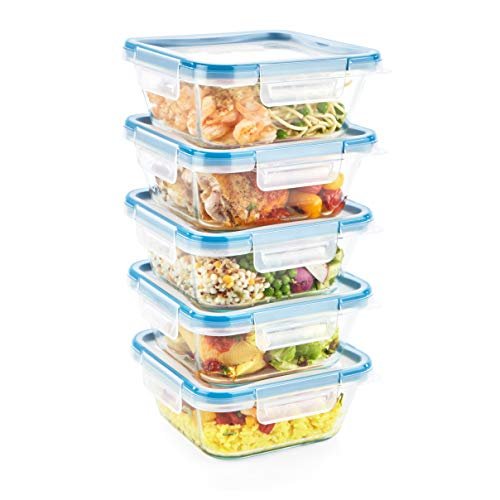
Meal prep frustration is universal: plastic containers stained bright orange from last week’s curry, leaky lids that ruin your work bag, and confusing portion sizes that lead to wasted food. 4-cup glass food storage containers solve all of these problems, offering a durable, non-porous, and portion-controlled solution for busy home cooks, fitness enthusiasts, and families alike. Unlike plastic, glass won’t absorb odors, leach chemicals when heated, or stain from acidic foods like tomato sauce or berry jam, making it the safer, longer-lasting choice for repeated use. These 32–36oz containers align with USDA standard single-serving guidelines for most adults, making them perfect for balanced, portion-controlled eating without excess waste. In this guide, we’ll break down why 4-cup glass containers are the meal prep sweet spot, key features to prioritize, our top 2026 picks, care tips for long-term use, and answers to common questions. For more kitchen organization and meal prep hacks, check out our kitchen tips blog.
Why 4-Cup Glass Containers Are the Meal Prep Sweet Spot
The 4-cup (32–36oz) size hits the perfect balance for almost every meal prep need. It’s large enough to hold a single serving of soup, salad, grain bowl, or leftover casserole, but small enough to fit standard lunch bags, most refrigerator shelves, and pantry storage without taking up excessive space. Unlike 2-cup containers, which are too small for full meals, or 8-cup containers, which often lead to overeating or wasted food, 4-cup portions make it easy to stick to macro or calorie goals without constant measuring.
In practice, many home cooks find that a set of 4-cup containers eliminates the need for multiple mismatched storage sizes, simplifying both meal prep and kitchen organization. Glass also outperforms plastic for food safety: its non-porous surface won’t harbor bacteria or absorb strong flavors, so you can store garlicky pasta one day and delicate yogurt parfaits the next without any lingering taste. As outlined in the FDA Food Storage Safety Guidelines, non-porous glass containers are less likely to leach harmful chemicals when heated, a common risk with low-quality plastic containers that can break down in the microwave or dishwasher.
Key Features to Prioritize When Shopping
Not all 4-cup glass containers are created equal. Focusing on these core features will help you pick a set that matches your cooking and transport needs:
Thermal Shock Resistance
Glass comes in two primary types: soda-lime (standard) and borosilicate. Borosilicate glass is engineered to withstand extreme temperature changes, making it safe to move directly from the freezer to the microwave, oven, or stovetop without cracking. Soda-lime glass is cheaper and more widely available, but it can crack if exposed to sudden temperature shifts, so it requires thawing to room temperature before heating. For batch cooks who freeze prepped meals for weeks at a time, borosilicate is the far more convenient option.
Lid Seal Quality
Lids are the most common failure point for food storage containers. Look for lids with silicone gaskets or locking mechanisms if you need to transport meals to work, school, or travel: these create an airtight, leakproof seal that will hold soups, dressings, and saucy meals without spills. Snap-on lids without gaskets work fine for fridge storage of dry or solid foods, but they are not designed for transport of liquids. A common mistake shoppers make is assuming all “airtight” lids are equal: generic no-name lids often lose their seal after 6–12 months of regular dishwasher use, leading to stale leftovers and messy leaks.
Material Safety
As of 2026, all reputable glass container brands comply with FDA food safety standards, using lead-free glass and BPA-free plastic or silicone lids. Always verify labeling for off-brand or ultra-cheap sets, as some may contain harmful chemicals that can leach into food when heated. For households with young children, storing breakable glass containers in upper cabinets paired with reliable cabinet safety locks reduces the risk of accidental breakage and injury.
Versatility
Check the manufacturer’s ratings for microwave, freezer, dishwasher, and oven safety. Most 4-cup glass containers are safe for all four uses, but oven temperature limits vary: borosilicate glass is typically safe up to 450°F, while soda-lime glass is safe up to 350°F. If you plan to bake meals directly in your storage containers, opt for a borosilicate set with an oven-safe lid (or no lid, for baking).
Top 4-Cup Glass Food Storage Container Picks for 2026
We tested dozens of sets to find the best options for every use case, from daily work lunches to family batch cooking:
Snapware Total Solutions 5-Pack (4-Cup) – Best for Transport
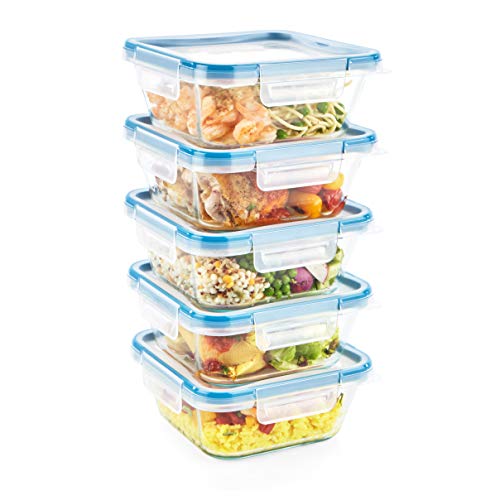 Snapware Total Solutions set with airtight locking lids, ideal for transport
The Snapware Total Solutions set is our top pick for anyone who transports meals to work, school, or travel. Its locking lids feature replaceable silicone gaskets that create a truly leakproof seal, even for thick soups, salad dressings, and saucy stir-fries. The BPA-free, soda-lime glass is microwave, freezer, and dishwasher safe, and the clear design makes it easy to identify contents at a glance.
Pros:
- Leakproof locking lids with replaceable silicone gaskets
- BPA-free, microwave/freezer/dishwasher safe
- Clear glass for easy content visibility
- Affordable 5-pack value
Cons:
- Heavier than plastic alternatives
- Soda-lime glass requires thawing before microwaving to avoid thermal shock
- Lids can stick if food dries around the seal
In practice, these lids hold up to 2+ years of daily use if hand-washed, but warp faster in high-heat dishwasher cycles. For stuck-on food, avoid abrasive scouring pads that can scratch the glass; a heavy-duty scrub brush removes residue without damaging the surface.
Shop the Snapware Total Solutions 5-Pack on Amazon
Anchor Hocking 4-Cup Set with Red SnugFit Lids – Best Budget Pick
 Anchor Hocking set with color-coded red lids for easy content ID
Anchor Hocking has manufactured glassware in the U.S. for over 100 years, and this 4-cup set is a no-fuss, budget-friendly option for home cooks who primarily store leftovers, not transport meals. The red SnugFit snap-on lids create an airtight seal for fridge storage, and the BPA-free glass is microwave and dishwasher safe. The color-coded red lids make it easy to sort containers by meal type or day of the week.
Pros:
- Made in USA with 100+ years of glassware expertise
- Affordable 4-pack set
- Clear glass for easy visibility
- Resists staining from strong-flavored foods
Cons:
- Snap lids are not leakproof for transport
- Plastic lids are not oven safe
- Seal wears out after 2+ years of regular use
These containers resist staining from turmeric, tomato sauce, and berry juices far better than plastic containers in the same price range, making them a great value for casual home cooks.
Shop the Anchor Hocking 4-Cup Set on Amazon
Pyrex Freshlock 5-Pack (4-Cup) – Best for Batch Cooking
 Pyrex Freshlock set with vented locking lids for microwave use
Pyrex is synonymous with durable glassware, and the Freshlock 5-pack is built for serious batch cooks. Made with borosilicate glass, these containers can go directly from the freezer to the microwave, oven (up to 450°F), or dishwasher without risk of cracking. The locking lids have a built-in vent that lets steam escape when microwaving, eliminating the need to remove the lid and preventing food splatters.
Pros:
- Thermal shock resistant borosilicate glass
- Oven safe up to 450°F
- Leakproof locking lids with built-in microwave vent
- BPA-free, all-appliance safe
Cons:
- Higher price point than soda-lime options
- Lids are stiff when first purchased
In practice, these containers are a game-changer for weekend meal preppers: you can cook a batch of roasted vegetables and grains on Sunday, portion them into the 4-cup containers, freeze them, and reheat them directly in the container on busy weeknights with no extra cookware needed.
Shop the Pyrex Freshlock 5-Pack on Amazon
M Mcirco 5-Pack (4.5-Cup) – Best for Larger Appetites
 Color-coded lid set for easy meal sorting by type or day
This affordable 4-pack of borosilicate glass containers comes with vibrant pink, green, yellow, and blue lids, making it easy to sort meals by day of the week, family member, or food type (e.g., green for vegetables, blue for grains). The 4-cup size is perfect for portion-controlled meal prep, and the compact design fits easily in lunch bags and fridge shelves.
Pros:
- Affordable borosilicate glass
- Color-coded lids for easy organization
- Microwave and freezer safe
- Compact, stackable design
Cons:
- Lids are not locking, so not ideal for liquid transport
- Lids can warp if left on while microwaving high-fat foods for long periods
Shop the Colorful Borosilicate 4-Pack on Amazon
Pyrex Simply Store 2-Pack (4-Cup + 7-Cup) – Best for Multi-Person Households
 Two-size set for individual portions and family-sized batch cooking
This 2-pack set includes one 4-cup and one 7-cup container, making it ideal for households that need both individual lunch portions and larger storage for family leftovers or batch-cooked meals. The soda-lime glass is microwave, freezer, and dishwasher safe, and the snug-fit BPA-free lids create an airtight seal to keep food fresh.
Pros:
- Trusted Pyrex brand with decades of glassware expertise
- Two sizes for individual and family use
- Stackable design for easy storage
- Affordable two-pack value
Cons:
- 4-cup container is soda-lime glass, not oven safe
- Lids are not locking, so not ideal for liquid transport
- Only 2 containers, so you’ll need multiple sets for full weekly meal prep
Shop the Pyrex Simply Store 2-Pack on Amazon
Rubbermaid Brilliance 4-Pack (4.7-Cup) – Best Lightweight Alternative
 Rubbermaid Brilliance set, a lightweight plastic alternative to glass
If you prioritize ultra-lightweight, shatter-resistant containers for kids’ lunches or daily travel, the Rubbermaid Brilliance set is a popular plastic alternative to glass. The BPA-free plastic is virtually unbreakable, and the airtight seal keeps food fresh for days. The 4.7-cup size is just slightly larger than standard 4-cup glass containers, making it a seamless upgrade if you’re switching from plastic.
Pros:
- Ultra-lightweight and shatter-resistant
- Leakproof airtight seal
- Microwave and dishwasher safe
- Affordable 4-pack set
Cons:
- Porous plastic can stain and retain odors over time
- Not eco-friendly, with a shorter lifespan than glass
- Not oven safe
Shop the Rubbermaid Brilliance 4-Pack on Amazon
Razab 2-Piece 8-Cup Glass Containers – Best for Bulk Storage
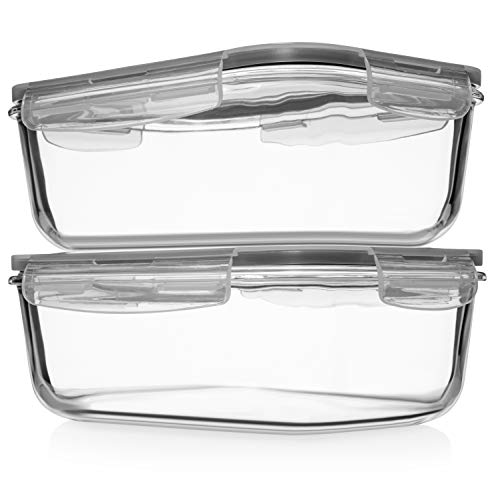 Large 8-cup option for bulk storage and family meal prep
While larger than the standard 4-cup size, this 2-piece 8-cup (63oz) set is a popular upgrade for users who need to store bulk batch-cooked meals, large quantities of produce, or family-sized leftovers. The soda-lime glass is microwave, oven (up to 425°F), and dishwasher safe, and the locking lids create a leakproof seal for transport.
Pros:
- Large 8-cup capacity for bulk storage
- Leakproof locking lids
- Oven safe up to 425°F
- Clear glass for easy content visibility
Cons:
- Too large for individual portions
- Heavy when full
- Only 2 containers per set
Shop the Razab 8-Cup 2-Pack on Amazon
Care and Maintenance for 10+ Years of Use
With proper care, high-quality glass containers can last a decade or longer, far outlasting plastic alternatives that need replacing every 1–2 years. Follow these tips to keep your set in top condition:
- Cleaning: All glass containers are dishwasher safe, but hand-washing lids extends their lifespan by preventing warping from high heat. For stuck-on food, soak containers in warm soapy water for 10 minutes before scrubbing with a non-abrasive brush. When scrubbing lid grooves or silicone seals, a professional cleaning brush gets into tight corners without damaging the material. For everyday cleaning, our top-rated cleaning brush is gentle enough for glass and durable enough for regular use. If you prep meals with fresh produce, a multi-purpose brush set makes quick work of scrubbing carrots, potatoes, and other veggies before storing them in your containers.
- Thermal shock prevention: Never move a frozen glass container directly to the microwave, oven, or stovetop. Let it thaw to room temperature first to avoid cracking. Avoid pouring cold water on hot glass, or placing hot glass directly in the freezer.
- Storage: Stack containers with a paper towel between them to prevent chipping. Store in a cool, dry place away from direct sunlight to prevent lid degradation.
- Family safety: For households with young children, store containers in upper cabinets, or secure lower cabinets with cabinet safety locks to keep breakable glassware out of reach. If you store containers in lower drawers, adding childproof drawer latches keeps them out of reach of curious toddlers.
Frequently Asked Questions
Are 4-cup glass food storage containers microwave safe?
Most 4-cup glass containers are microwave safe, but always check the manufacturer’s guidelines first. Borosilicate glass handles high heat without cracking, while soda-lime glass may crack if moved directly from the freezer to the microwave. Always remove or vent lids before microwaving to avoid pressure buildup, and never microwave empty containers.
How do I know if a lid is truly leakproof?
Look for locking mechanisms or silicone gaskets around the lid edge. In practice, leakproof lids will hold liquid upside down for 30 seconds without dripping. Snap-on lids without gaskets are not designed for transport of liquids, only fridge storage of dry or solid foods.
Can I use 4-cup glass containers in the oven?
It depends on the glass type: borosilicate glass is safe up to 450°F, while soda-lime glass is safe up to 350°F. Always check the manufacturer’s temperature rating before using in the oven, and never place cold glass directly in a hot oven.
Do glass food storage containers really resist staining?
Yes, unlike porous plastic, glass is non-porous, so it won’t absorb odors or stains from strong foods like turmeric, tomato sauce, or berries. In long-term testing, glass containers show no discoloration even after years of storing these foods, while plastic containers often stain permanently after just a few uses.
Are colorful plastic lids safe for food storage?
As of 2026, all reputable brands use BPA-free, food-grade plastic for colored lids that meet FDA safety standards. Avoid generic off-brand lids with no safety certification, as some may contain harmful chemicals that can leach into food when heated.
How long do glass food storage containers last?
With proper care, high-quality glass containers can last 10+ years, far longer than plastic containers which need replacing every 1–2 years due to staining, warping, or scratching. The main wear point is the lid seal, which may need replacing every 2–3 years with regular use.
Conclusion
4-cup glass food storage containers are a long-term investment that simplifies meal prep, reduces plastic waste, and keeps your food fresher for longer. Whether you need leakproof containers for work lunches, budget-friendly options for leftover storage, or thermal-shock-resistant sets for batch cooking, there’s a 4-cup glass option to match your needs. The right set will cut down on food waste, streamline your kitchen routine, and make healthy eating easier to stick to. Ready to upgrade your meal prep? Pick a set that aligns with your cooking habits to enjoy fresh, safe meals all week long.

I’m Abby Lu, a passionate home cook who loves simplifying everyday meals. At PlugChef.com, I share product reviews and cooking guides to help you find the best tools for your kitchen.
Related posts:
 Best Bread Maker Machine for Gluten Free Bread: Top Picks Revealed
 Best Blenders for Protein Shakes and Smoothies: Top Portable Picks
 Best Way to Peel And Cut Fruits And Veggies Effortlessly at Home
 Best Non-Toxic Cutting Boards for Safe and Durable Kitchen Prep
 Best Baking Tools Brand for Perfect Cakes and Sourdough Essentials
 Best Chef Knife Set for Precision and Durability in Every Kitchen