
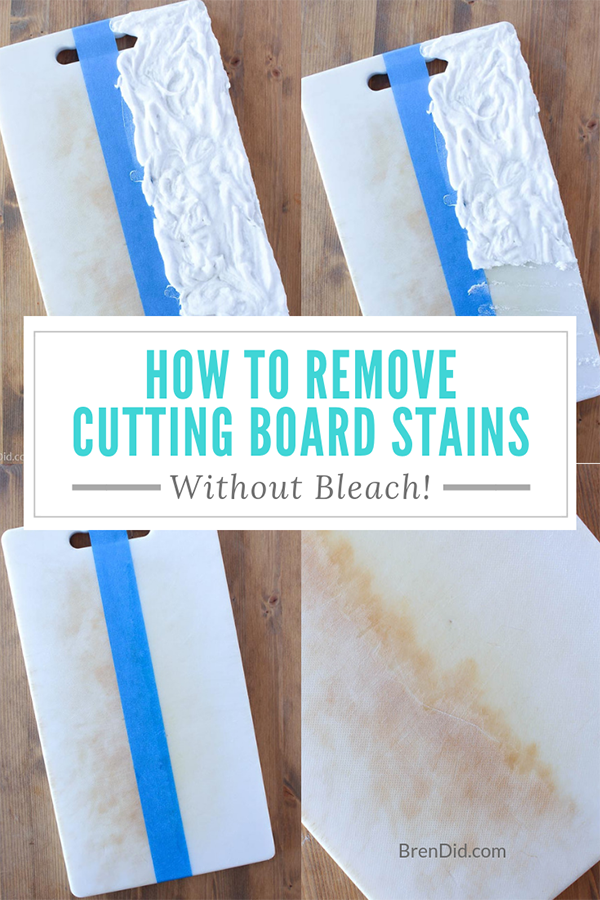
Have you ever looked at your plastic cutting board and wondered if it’s really clean? You might be surprised at how much bacteria can hide in those small knife cuts and grooves.
Keeping your cutting board clean isn’t just about good housekeeping; it’s a matter of health and safety. Imagine preparing your favorite meal, only to accidentally introduce harmful bacteria to your ingredients. With the right cleaning techniques, you can ensure your cutting board is spotless and safe every time you use it.
Let’s explore how you can effectively clean your plastic cutting board, giving you peace of mind while you cook. Keep reading to discover simple and effective methods that will transform your kitchen routine.
Choosing The Right Cleaning Tools
Selecting proper tools ensures plastic cutting boards stay clean. Scrub with a brush and dish soap to remove stains. Rinse thoroughly with warm water to eliminate food particles and bacteria.
Cleaning a plastic cutting board might seem straightforward, but choosing the right cleaning tools can make a world of difference in keeping your kitchen hygienic. You might wonder why your cutting board is still stained or smells even after a good scrub. That’s often because the tools you’re using aren’t effective enough. Let’s dive into the essentials that can transform your cleaning routine.Understanding The Basics
Before grabbing any tool, it’s essential to understand what you’re dealing with. Plastic cutting boards are durable but can harbor bacteria in tiny grooves. You need tools that can reach these spots without damaging the surface.Sponges Vs. Brushes
Sponges might be your go-to, but they can wear out quickly and spread germs if not cleaned properly. Consider using a brush with stiff bristles. It can scrub away stubborn stains and reach those hard-to-clean areas. Have you ever noticed how a brush can make those tomato stains disappear with less effort?Eco-friendly Cleaning Pads
If you’re environmentally conscious, look into eco-friendly cleaning pads. They’re not only gentle on the planet but also tough on grime. These pads often use natural fibers that are effective at scrubbing without scratching. Have you tried them yet? They might surprise you with their resilience.Bleach And Vinegar
Sometimes, you need more than just scrubbing. Bleach can be a powerful disinfectant, but it must be used cautiously. Mix a small amount with water to sanitize your board. Alternatively, vinegar is a natural disinfectant and can be used regularly. Which one suits your cleaning style?Non-abrasive Scrubbers
For those concerned about scratches, non-abrasive scrubbers are the way to go. They effectively clean without leaving marks. Have you ever wondered why your cutting board looks worn out? It might be time to switch to gentler tools.Using Baking Soda
Baking soda is a fantastic deodorizer. Sprinkle some on your cutting board and scrub with your chosen tool. It helps lift stains and neutralize odors. Isn’t it amazing how this simple ingredient can refresh your kitchen tools?Consistency Is Key
Regardless of the tools you choose, regular cleaning is crucial. Make it a habit after each use to prevent buildup. Have you ever skipped cleaning just once and regretted it? Staying consistent keeps your cutting board—and your kitchen—fresh and ready for any culinary adventure.Final Thoughts
Choosing the right tools isn’t just about effectiveness; it’s also about finding what works for you and your lifestyle. Are you ready to revamp your cleaning routine? With the right tools, your plastic cutting board can stay clean, odor-free, and ready for your next meal preparation.Daily Cleaning Routine
A plastic cutting board is a kitchen essential. It sees daily use, especially for chopping vegetables or slicing meat. Maintaining its cleanliness is crucial for hygiene. A daily cleaning routine can help keep it fresh and germ-free. This routine involves simple steps that anyone can follow.
Rinsing Immediately After Use
Start by rinsing the board right after using it. This prevents food particles from drying and sticking. Use warm water for an effective rinse. It helps in washing away residues quickly.
Dish Soap And Water Scrub
Apply dish soap to the board. Scrub it with a sponge. This removes grease and stains. Focus on scrubbing all areas. Don’t forget the edges. Rinse thoroughly with warm water. This ensures no soap residue remains.
Deep Cleaning Methods
To clean a plastic cutting board, sprinkle baking soda for scrubbing. Rinse thoroughly with hot, soapy water. Ensure complete drying before storing to prevent bacteria growth.
Cleaning your plastic cutting board may seem straightforward, but have you ever wondered if it’s truly clean? Deep cleaning methods are essential for ensuring that your board is free from stubborn stains and odors. These methods go beyond the usual soap and water routine, providing a deeper cleanse that can make your kitchen a safer place. You might be surprised to find that everyday household items are your best allies in this task.Vinegar And Baking Soda Paste
Creating a paste with vinegar and baking soda is a simple yet effective way to deep clean your plastic cutting board. Start by sprinkling baking soda generously over the surface of the board. Then, drizzle white vinegar over the baking soda. The mixture will fizz and bubble, lifting stains and residues from the board’s surface. Use a scrubbing brush to spread the paste evenly and scrub the board thoroughly. Rinse with warm water, and you’ll notice how refreshed your cutting board looks. Do you have stubborn spots? Let the paste sit for a few minutes before scrubbing. This simple trick can make all the difference.Hydrogen Peroxide Treatment
Using hydrogen peroxide is another powerful method to sanitize your cutting board. Pour a small amount of hydrogen peroxide directly onto the board and spread it with a sponge. Let it sit for about ten minutes. During this time, the hydrogen peroxide works as a natural disinfectant, killing bacteria that may be lingering on the surface. After waiting, rinse the board thoroughly with warm water. If you’re worried about smells, don’t be. The hydrogen peroxide will not leave any aftertaste or odor on your board. Why not try alternating these methods? You’ll ensure a thorough clean, keeping your kitchen safe and your meals healthy.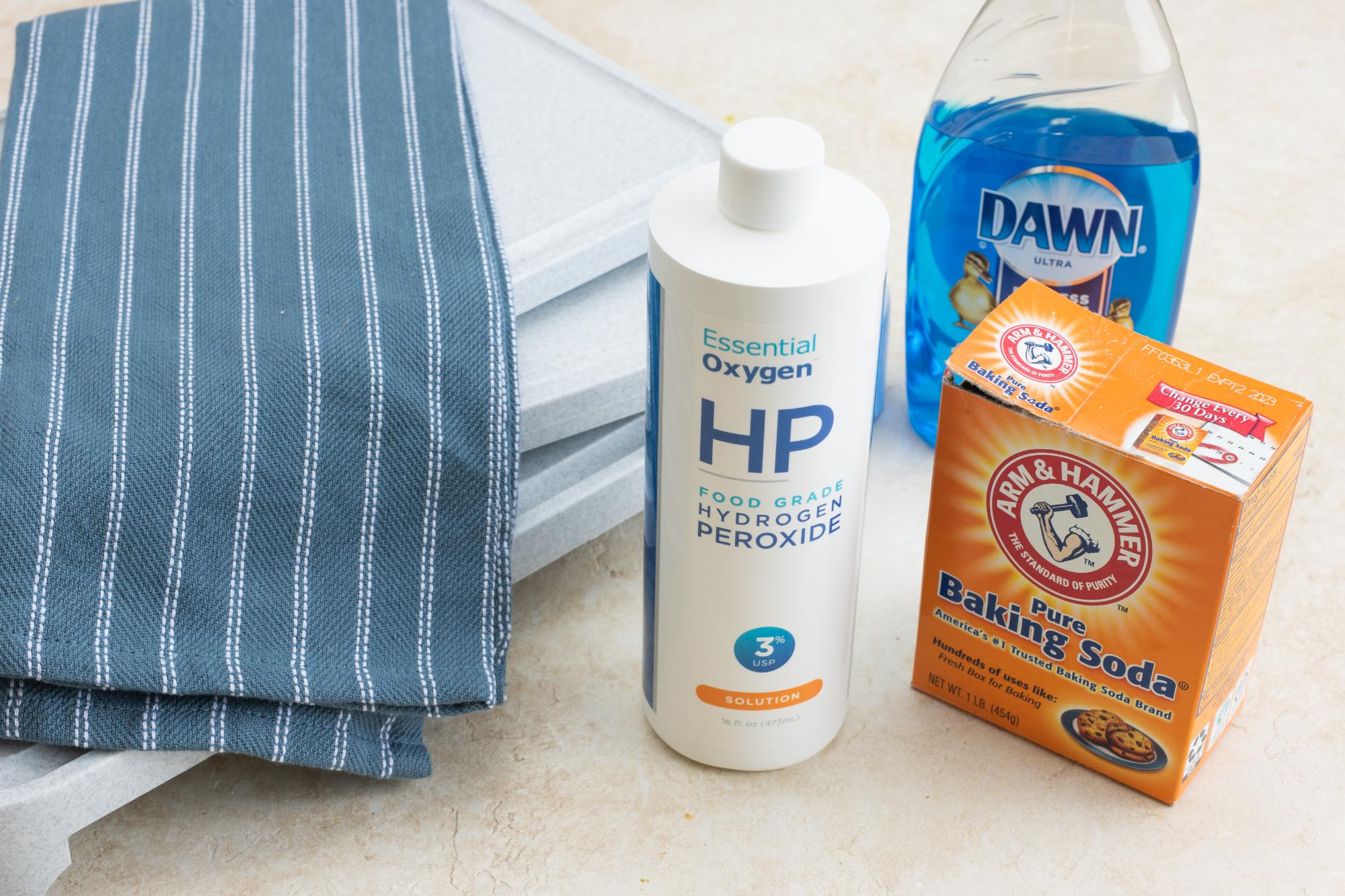
Credit: cutco.com
Removing Stains And Odors
Cleaning a plastic cutting board involves scrubbing with warm water and dish soap to remove stains. Baking soda mixed with water can help tackle stubborn odors, restoring freshness effectively.
Keeping your plastic cutting board clean is essential for maintaining kitchen hygiene. Over time, these boards can develop unsightly stains and unpleasant odors from various foods. If you’ve ever been frustrated by a lingering garlic smell or a tomato stain that just won’t go away, you’re not alone. Fortunately, there are simple and effective methods to restore your cutting board to its pristine condition. Let’s dive into some practical ways to tackle these common issues.Lemon And Salt Scrub
When life gives you lemons, use them to clean! A lemon and salt scrub is a powerful way to combat both stains and odors. Start by sprinkling a generous amount of coarse salt over your cutting board. Then, cut a lemon in half and use it to scrub the salt into the board. The acidity of the lemon works to break down stains while the salt acts as a natural abrasive. This method not only cleans but leaves a fresh citrus scent. You might be surprised at how effective this simple solution is!Bleach Solution Soak
If you’re dealing with stubborn stains or persistent odors, a bleach solution soak can be a game-changer. Mix a teaspoon of bleach with a gallon of water in a large basin. Submerge your cutting board in the solution and let it soak for a few minutes. This method is especially useful for removing deep-seated stains. Remember to rinse the board thoroughly with water afterward to remove any bleach residue. Do you have a favorite method that works wonders for you? Share your tips in the comments below!Preventing Bacteria Buildup
Cleaning a plastic cutting board is essential to prevent bacteria buildup. Scrub the surface with hot water and soap immediately after use. For stubborn stains, apply baking soda paste, let it sit, and rinse thoroughly.
Preventing bacteria buildup on your plastic cutting board is essential for maintaining a healthy kitchen. You might be surprised to learn that these handy kitchen tools can harbor germs if not cleaned properly. Ensuring that your cutting board is free from harmful bacteria is easier than you think. With a few simple practices, you can keep your cutting board safe for preparing meals.Regular Sanitizing
Regular sanitizing is crucial for your plastic cutting board. After each use, it’s important to wash it with hot, soapy water. You can also consider using a diluted bleach solution once a week. Mix one tablespoon of bleach in a gallon of water and apply it to the surface. This ensures that any lingering bacteria are eradicated. You might feel like it’s a hassle, but this simple step can save you from potential health issues.Proper Drying Techniques
Proper drying techniques can make all the difference. After washing your cutting board, don’t just leave it on the countertop. Air drying is effective, but ensure it’s completely dry before storing. Consider using a drying rack that allows air to circulate around the board. You might not realize it, but moisture can be a breeding ground for bacteria. Can you imagine the bacteria multiplying when your board is still wet? Taking a few extra seconds to dry it thoroughly can prevent this scenario. By incorporating regular sanitizing and proper drying techniques into your routine, you can keep your cutting board clean and safe. What practices do you use to maintain a healthy kitchen?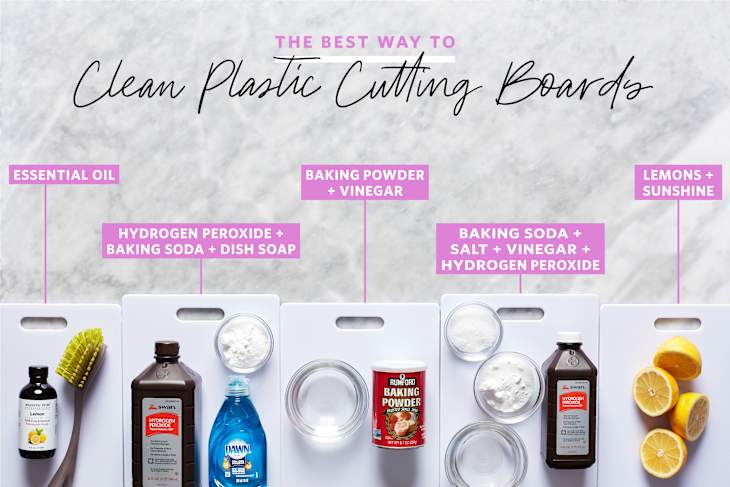
Credit: www.thekitchn.com
Maintenance Tips
Cleaning a plastic cutting board is simple. First, scrub with soap and hot water. Then, rinse thoroughly. For tough stains, use a mixture of baking soda and water. Let it sit for a few minutes before rinsing. Dry completely to prevent bacteria.
Regular cleaning ensures hygiene and safety.
Maintaining a plastic cutting board is crucial to ensure it stays hygienic and long-lasting. Consistent care not only preserves its appearance but also safeguards your food from contaminants. Let’s dive into some practical maintenance tips to keep your cutting board in top shape.Avoiding Knife Marks
Knife marks are more than just a cosmetic issue; they can harbor bacteria. To minimize these marks, consider using a softer touch when cutting. Rotate the board regularly to distribute wear evenly across its surface. Are you using the right knife for the task? A sharp knife requires less force, reducing the likelihood of deep cuts. It’s a small change that can make a big difference in maintaining your board’s surface.Inspecting For Damage
Regular inspection can prevent minor issues from becoming major problems. Examine your board for deep grooves or cracks. These are potential breeding grounds for bacteria. If you notice any significant damage, it might be time to replace your board. A quick visual check after each use can save you from future headaches. Would you rather spend a few minutes today or deal with a health issue tomorrow? By following these simple maintenance tips, you can extend the life of your plastic cutting board while keeping it clean and safe for food preparation. Remember, a little effort goes a long way!When To Replace Your Cutting Board
Plastic cutting boards need regular cleaning. Wash them with hot, soapy water after each use. A deep clean with vinegar or bleach helps remove bacteria. If deep scratches or stains appear, it’s time to replace the board. Regular maintenance ensures safety in your kitchen.
Cleaning a plastic cutting board is essential for kitchen hygiene. Over time, even the best-maintained board shows signs of wear and tear. Knowing when to replace your cutting board is crucial. It ensures safety and cleanliness in your kitchen. Worn boards can harbor bacteria, affecting food safety. So, how do you know it’s time for a new one?Deep Grooves And Scratches
Deep grooves are a sign your board needs replacing. They can trap bacteria and are hard to clean. Regular washing may not reach these crevices. This poses a risk of contamination.Stains And Discoloration
Stains are more than just an eyesore. They indicate the board is absorbing food particles. Persistent discoloration suggests it’s time for a new board. A clean surface is essential for food prep.Unpleasant Odors
A cutting board should not have a strong smell. Persistent odors suggest trapped bacteria or food particles. Washing may not eliminate these smells. A fresh board ensures food safety.Warping Or Cracking
A warped or cracked board is unsafe. It can lead to uneven cutting. Cracks can also harbor bacteria. A smooth, flat surface is crucial for safe chopping.Age Of The Cutting Board
Every cutting board has a lifespan. Regular use shortens this time. Even without visible damage, an old board may need replacing. It’s better to be cautious with kitchen tools.
Credit: southgeorgiastyle.com
Frequently Asked Questions
How To Refresh A Plastic Cutting Board?
Clean with hot soapy water, scrub with baking soda paste, rinse thoroughly, and air dry. Apply white vinegar for odor removal. Use lemon juice for stubborn stains.
Does Vinegar Disinfect Plastic Cutting Boards?
Yes, vinegar can disinfect plastic cutting boards. It kills many bacteria due to its acidic nature. For best results, thoroughly clean and rinse the board first. After applying vinegar, let it sit for a few minutes before rinsing with water.
Regular use helps maintain a hygienic cutting surface.
What Is The Best Cleaner For Cutting Boards?
Use white vinegar or lemon juice mixed with water to clean cutting boards. These natural cleaners disinfect and remove odors effectively. Scrub with a brush and rinse thoroughly. For stubborn stains, sprinkle baking soda before scrubbing. Regular cleaning ensures hygiene and prolongs your cutting board’s lifespan.
Can Bacteria Live On A Plastic Chopping Board?
Yes, bacteria can live on plastic chopping boards. Moist surfaces can harbor bacteria, leading to cross-contamination. Regular cleaning and sanitizing help prevent bacterial growth and ensure food safety. Use hot, soapy water and a disinfectant to clean. Dry thoroughly to minimize bacterial survival.
Conclusion
Cleaning plastic cutting boards is essential for kitchen hygiene. Regular washing prevents bacteria buildup. Use warm soapy water for daily cleaning. Scrub gently to remove stains. For deep cleaning, mix vinegar and baking soda. Rinse thoroughly. Air dry to avoid moisture.
Remember, clean boards keep your food safe. Follow these steps to maintain your cutting board. Your meals deserve a clean surface. Keep your kitchen healthy and spotless. Simple steps make a big difference. Enjoy cooking with confidence and peace of mind.
Happy cooking!

Hi, I’m Daniel Brooks—a food lover and kitchen gear enthusiast. I enjoy testing cookware, utensils, and gadgets to see what really works in everyday cooking. At PlugChef.com, I share honest reviews, comparisons, and simple guides to help you choose the best tools for a safer, smarter, and more enjoyable kitchen.
Related posts:
 What Type of Cooking Utensils are Safe: Expert Picks
 What Innovations Could Blenders Make: Unleashing Future Tech
 Smart Strategies to Organize a Small Kitchen: Maximize Space
 How to Organize a Kitchen Cabinet: Expert Tips & Tricks
 How to Organize Kitchen Drawers: Expert Tips and Tricks
 How to Organize a Corner Kitchen Cupboard: Expert Tips

