
Imagine preparing a delicious meal on a spotless cutting board, where every slice feels safe and clean. Your wood cutting board is more than a kitchen tool; it’s a trusted partner in your culinary adventures.
But how often do you think about what’s lingering on its surface? Harmful bacteria can turn your beloved board into a breeding ground for germs. You might wonder, how can you ensure it’s hygienically clean without damaging the wood? This article is your guide to disinfecting your wood cutting board effectively, ensuring that every meal you prepare is safe for your loved ones.
Keep reading to discover the simple steps that will transform your cleaning routine and give you peace of mind.
Importance Of Cleaning
Cleaning your wood cutting board is crucial. It prevents harmful bacteria buildup. Regular cleaning keeps your kitchen safe. It also ensures food tastes fresh. Neglecting this step can lead to unwanted health risks. Below, let’s explore why cleaning is important.
Health Risks Of Contaminated Boards
Contaminated boards can harbor bacteria. Salmonella and E. coli are common culprits. These bacteria can cause foodborne illnesses. Symptoms include stomach pain and nausea. Kids and elderly are most at risk. Cleaning reduces these health threats.
Prolonging Board Lifespan
Regular cleaning extends your board’s life. Residue and stains can damage wood. Proper care prevents warping and cracking. A well-maintained board looks better. It also performs better. Clean boards are less likely to splinter.
Materials Needed
Gather essential supplies like white vinegar, baking soda, and a clean cloth. A spray bottle and dish soap are helpful. These items ensure a clean and safe cutting board, ready for your next culinary adventure.
In the quest for a clean kitchen, disinfecting your wood cutting board is essential. This task calls for specific materials that ensure safety and cleanliness. Knowing what you need simplifies the process, making it more effective and efficient.Natural Cleaning Agents
Natural agents offer a gentle yet powerful solution. Vinegar is a popular choice. It effectively kills bacteria without harming the wood. Lemon juice works similarly. Its acidity helps disinfect while leaving a fresh scent. Baking soda can be used too. It acts as a mild abrasive, removing stains and odors.Commercial Disinfectants
Commercial products provide a quick and reliable option. Choose a disinfectant labeled safe for kitchen use. Check the ingredients. Ensure they are suitable for wood surfaces. Bleach solutions can be used sparingly. Follow instructions carefully to avoid damaging the board.Essential Tools
Gather the tools needed for thorough cleaning. A soft brush or sponge is crucial. It helps scrub the board without scratching. A clean cloth is needed for drying after rinsing. Keep a spray bottle handy for applying liquid solutions. Measuring cups are useful for mixing cleaning agents accurately. These materials ensure your cutting board stays hygienic. They help maintain its appearance and longevity.Daily Maintenance
Maintaining a wood cutting board daily ensures its longevity and safety. Daily care keeps bacteria at bay and the board looking fresh. Proper washing and drying are crucial steps in this process.
Effective Washing Techniques
Wash the board with warm water and mild soap. Use a non-abrasive sponge to scrub gently. Avoid soaking the board to prevent warping. Rinse thoroughly to remove soap residue.
Drying Tips
Dry the board immediately after washing. Use a clean towel to pat it dry. Stand the board upright to air dry completely. Ensure no water remains on the surface or edges.
:max_bytes(150000):strip_icc()/clean-wooden-cutting-board-4772583_05-6782ac2cc4784073ab3769537ed1da34.jpg)
Credit: www.thespruce.com
Deep Cleaning Process
Cleaning a wood cutting board involves scrubbing with hot, soapy water. Then, rinse thoroughly. To disinfect, apply white vinegar or hydrogen peroxide. Let it sit for a few minutes. Rinse again, and dry with a clean cloth. This helps keep your board safe and bacteria-free.
When it comes to maintaining a wood cutting board, a deep clean is essential to keep it hygienic and in great condition. Wood boards are porous, absorbing flavors and harboring bacteria. Regular cleaning might not be enough to tackle stubborn stains and lingering germs. A deep cleaning process ensures your board remains a safe surface for food preparation. This process is simple, effective, and can be done with items you probably already have in your kitchen.Preparing The Board
Start by removing any food particles from the board. Use a spatula or the back of a knife to scrape off any bits left from your last cooking session. Rinse the board with warm water. Be sure not to soak it, as excess water can warp the wood. Dry thoroughly with a clean towel. A damp board is harder to clean and can encourage mold growth.Using Vinegar And Baking Soda
Sprinkle a generous amount of baking soda over the entire surface of the board. This natural abrasive helps lift stains and odors. Pour white vinegar over the baking soda. You’ll notice a fizzing reaction that helps break down grime. Let this mixture sit for a few minutes. Scrub the board with a brush or sponge. Pay attention to any grooves or knife marks where bacteria might hide. Rinse with warm water and dry with a towel.Sanitizing With Hydrogen Peroxide
Pour hydrogen peroxide over the board. This is an excellent sanitizer that kills bacteria without harsh chemicals. Spread it evenly using a clean cloth or sponge. Allow it to sit for five minutes to ensure proper sanitization. Rinse the board again with warm water and dry it thoroughly. Make sure no moisture remains to prevent warping and cracking. Do you remember the last time you gave your board a thorough clean? The difference in freshness and cleanliness can be astonishing. Regular deep cleaning not only extends the life of your board but also ensures your meals are prepared in a safe environment. Give it a try and notice the change.Odor Removal
Wood cutting boards are a staple in many kitchens, prized for their durability and aesthetic appeal. However, they can sometimes harbor stubborn odors, especially after chopping pungent foods like garlic or onions. Addressing these odors not only ensures that your board remains pleasant to use but also aids in maintaining its hygiene. Let’s dive into some effective methods for odor removal.
Using Lemon And Salt
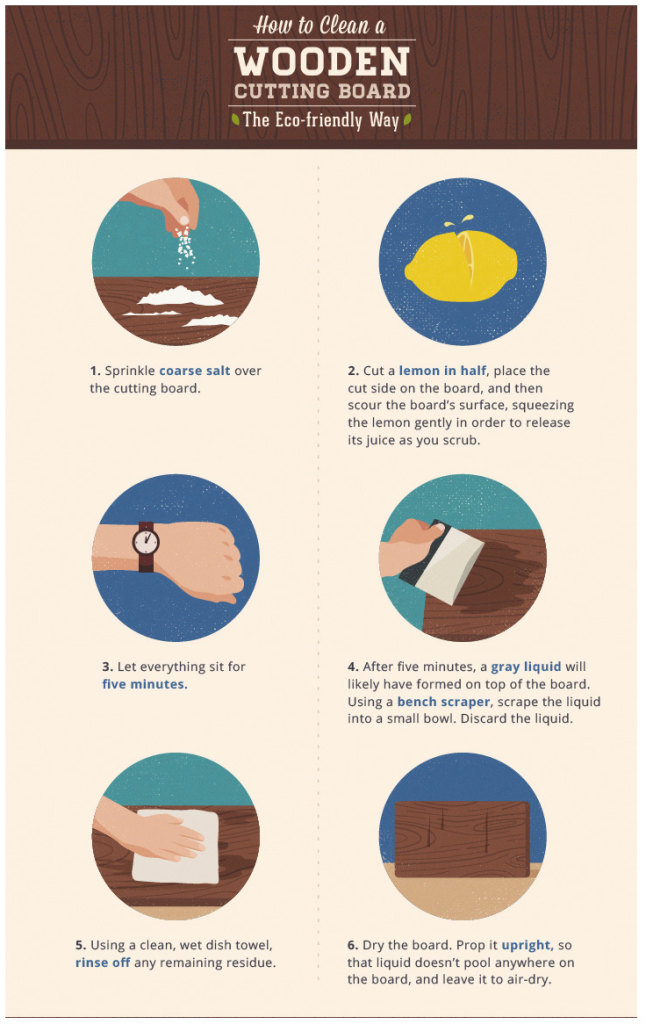
Have you ever cut lemons on your board and noticed how fresh it smells afterward? This isn’t just a coincidence. Lemon’s natural acidity works wonders in neutralizing odors. Start by sprinkling coarse salt over the board’s surface. This acts as a mild abrasive, helping to lift lingering smells.
Next, cut a lemon in half and use it like a sponge, scrubbing the board with the lemon’s juicy side. The combination of salt and lemon creates a potent deodorizing paste. Allow it to sit for a few minutes before rinsing with warm water. You’ll be surprised at how refreshing your board smells afterward!
Activated Charcoal Method
Activated charcoal is another powerful tool for odor removal. It’s not just for filtering water or air; it can absorb unwanted smells from your cutting board too. You might wonder how charcoal can make a difference? The secret lies in its porous structure, which traps odor-causing particles.
Simply sprinkle a thin layer of activated charcoal powder over the board and let it sit overnight. In the morning, brush off the charcoal and wash the board with mild soap and water. This method is especially useful for those deeply ingrained smells that seem impossible to eliminate.
Have you tried any of these methods before? If not, give them a go and see the transformation in your cutting board’s aroma. You might even find yourself enjoying the process of caring for your kitchen tools.
Credit: thebakermama.com
Preventing Future Contamination
Maintaining a clean wood cutting board is crucial for kitchen safety. Regular cleaning isn’t always enough to prevent contamination. Taking additional steps ensures your board stays hygienic. Here’s how you can prevent future contamination effectively.
Proper Storage
Store your wood cutting board in a dry place. Moisture breeds bacteria, which can lead to contamination. Avoid stacking boards, as this traps moisture. Use a rack that allows air to circulate around the board. This helps it dry completely between uses.
Ensure the storage area is clean and free from debris. Dust and food particles can introduce bacteria to your board. Keeping the area tidy minimizes the risk of contamination.
Regular Inspection
Check your cutting board for cracks or deep cuts. These can harbor bacteria, making cleaning difficult. Replace boards with significant damage to maintain hygiene. Inspect the board regularly, especially after heavy use.
Examine the board’s surface for any discoloration or unusual odors. These signs indicate potential contamination. Address these issues immediately to keep your board safe for food preparation.
Wood Board Care Tips
Caring for your wood cutting board extends its life and usability. Routine maintenance helps keep it clean and safe. A well-maintained board also adds a touch of elegance to your kitchen. Let’s explore some essential tips to preserve your wood cutting board.
Oil Treatment
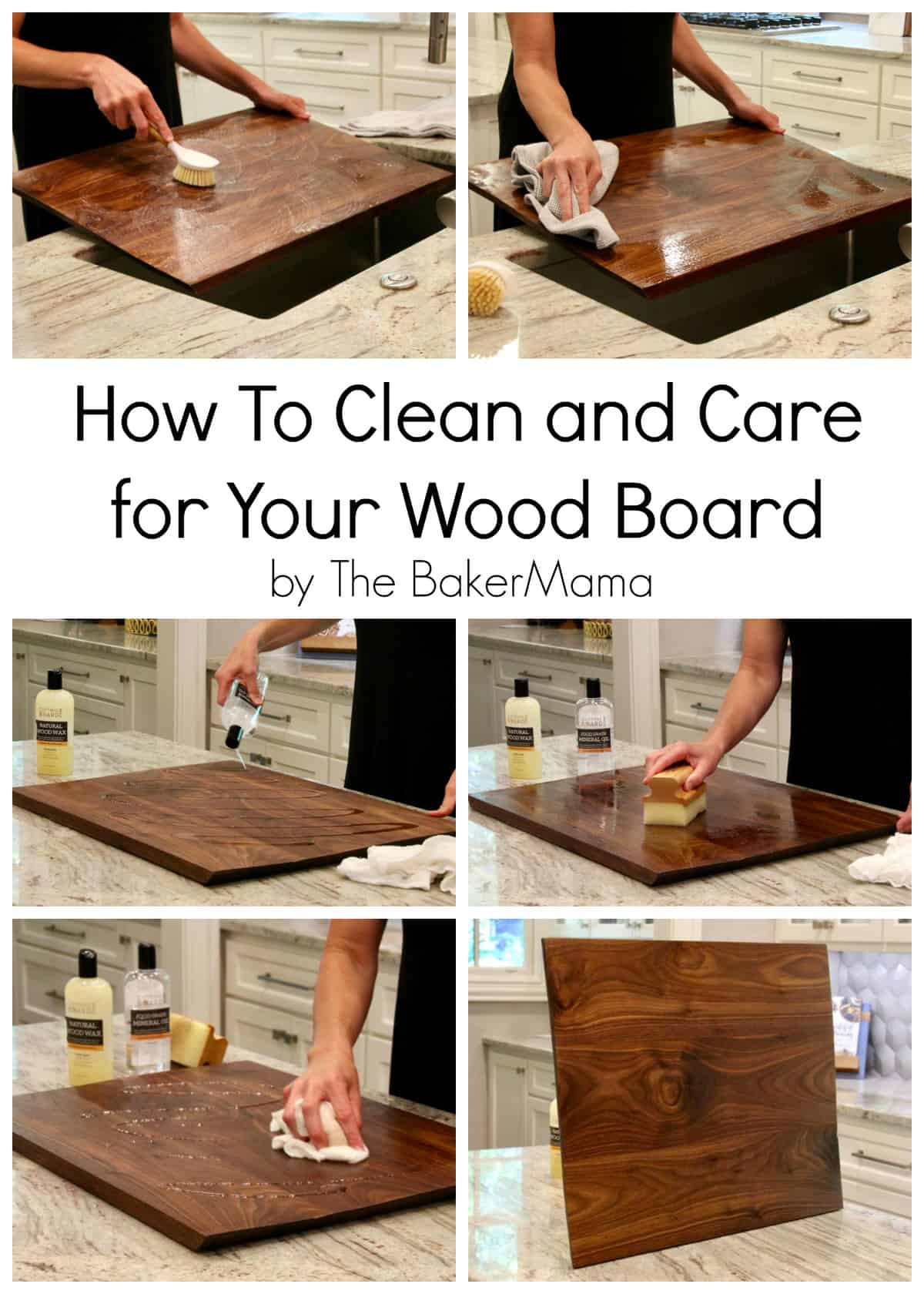
Regular oil treatment keeps your wood cutting board from drying out. Use food-grade mineral oil for the best results. Apply a generous amount to the board’s surface. Let the oil soak in overnight. Wipe off any excess oil with a clean cloth.
This process keeps the wood hydrated and prevents cracks. Repeat this treatment once a month. It maintains the board’s smooth surface and natural color.
Repairing Minor Damages
Wood boards may suffer from small scratches or dents. Sanding can fix minor surface imperfections. Use fine-grit sandpaper for gentle sanding. Move in the direction of the wood grain for a smooth finish.
After sanding, clean the board with a damp cloth. Let it dry completely before applying oil again. This repair method helps keep your board looking new. It also ensures a safe and clean surface for food preparation.
:max_bytes(150000):strip_icc()/RS_cleaning-wood-cutting-boards_Method-1-Step-3_preview-7200fc857efd4a3d8a5bd927fd2834ac.jpg)
Credit: www.realsimple.com
Frequently Asked Questions
How Long Can Bacteria Live On A Wood Cutting Board?
Bacteria can survive on a wood cutting board for several hours to days. Regular cleaning and drying help reduce bacterial presence. Use vinegar or hydrogen peroxide for disinfection. Wood’s porous surface can harbor bacteria, but proper maintenance ensures safer food preparation.
Replace heavily scratched boards to minimize risks.
Is It Better To Oil Or Sanitize A Cutting Board?
Oil your cutting board to maintain its quality. It prevents cracks and keeps it looking new. Sanitize the board to remove bacteria and ensure hygiene. Use oil regularly and sanitize after each use for the best results. This combination keeps your cutting board both functional and safe.
How Do Chefs Clean Wooden Chopping Boards?
Chefs clean wooden chopping boards with hot, soapy water and a scrub brush. They rinse thoroughly and dry immediately. They occasionally sanitize with a vinegar solution or diluted bleach. Regularly applying mineral oil maintains the board’s condition. Proper care prevents bacteria buildup and extends the board’s lifespan.
How Often Should I Sanitize My Wood Cutting Board?
Sanitize your wood cutting board after each use, especially after handling raw meat. Use a mixture of vinegar and water or diluted bleach for effective cleaning. Regular sanitization helps prevent bacterial growth, ensuring food safety and extending the board’s lifespan.
Let the board dry completely before storing.
Conclusion
Keeping your wood cutting board clean is crucial. Regular disinfection prevents germs. Use vinegar and salt for effective cleaning. Dry your board completely after washing. A clean board means safer food preparation. Don’t forget to oil it regularly. This maintains its quality and longevity.
Proper care of your cutting board is simple. Follow these steps consistently. Your kitchen stays hygienic. Enjoy cooking with peace of mind. A clean board is a happy board. Take care of your tools. They take care of you.

Hi, I’m Daniel Brooks—a food lover and kitchen gear enthusiast. I enjoy testing cookware, utensils, and gadgets to see what really works in everyday cooking. At PlugChef.com, I share honest reviews, comparisons, and simple guides to help you choose the best tools for a safer, smarter, and more enjoyable kitchen.
Related posts:
 What Type of Cooking Utensils are Safe: Expert Picks
 What Innovations Could Blenders Make: Unleashing Future Tech
 Smart Strategies to Organize a Small Kitchen: Maximize Space
 How to Organize a Kitchen Cabinet: Expert Tips & Tricks
 How to Organize Kitchen Drawers: Expert Tips and Tricks
 How to Organize a Corner Kitchen Cupboard: Expert Tips

