
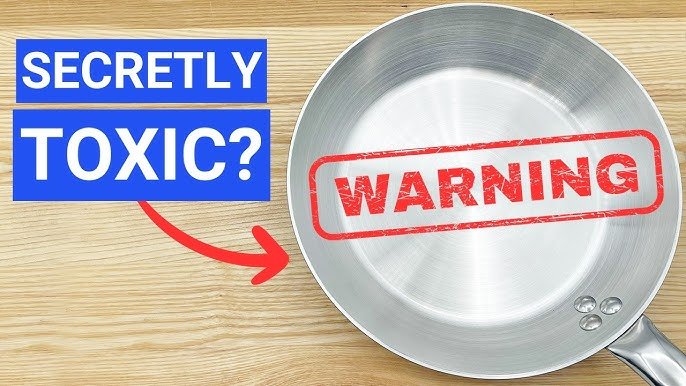
Are you standing in your kitchen, contemplating whether your stainless steel cooking utensils are safe? You’re not alone.
Many people question the safety of their cookware, and understanding the truth is crucial for your peace of mind. Imagine cooking a delicious meal, confident that your utensils are not only efficient but also safe. Stainless steel is a popular choice because of its durability and sleek look, but you deserve to know if it meets your safety standards.
As you read further, you’ll discover the facts about stainless steel utensils, helping you make informed choices for your kitchen. Get ready to transform your cooking experience and ensure your family’s well-being.

Credit: www.amazon.com
Benefits Of Stainless Steel Utensils
Stainless steel utensils are safe for cooking, offering durability and resistance to rust. They don’t react with food, maintaining its flavor and nutritional value. Easy to clean and maintain, these utensils are a reliable choice for kitchens.
Stainless steel cooking utensils offer many benefits. They stand out for their reliability. Their design and material make them a top choice for kitchens. These utensils bring several advantages. They ensure safe and efficient cooking.Durability And Longevity
Stainless steel utensils last a long time. They resist dents and scratches. This quality makes them ideal for busy kitchens. Even with frequent use, they remain in good condition. Their robust nature ensures they serve you well for years.Resistance To Corrosion
Stainless steel is resistant to rust. This is a key benefit. Unlike other materials, it doesn’t corrode easily. This resistance ensures utensils stay safe for cooking. They maintain their appearance over time. This quality also means less maintenance effort.Non-reactive Surface
Stainless steel has a non-reactive surface. It does not change the taste of food. This is crucial for cooking acidic dishes. Utensils don’t leach metals into food. This ensures meals are safe and flavorful. This feature makes them a favorite among chefs.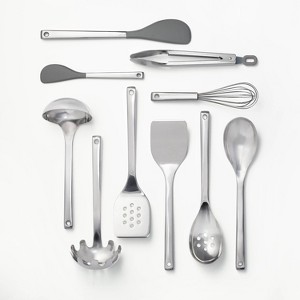
Credit: www.target.com
Potential Risks And Concerns
Stainless steel cooking utensils pose minimal risks but can leach nickel or chromium, especially when scratched or damaged. These elements might trigger allergies or skin reactions in sensitive individuals. Regular inspection and proper care minimize concerns, ensuring safe cooking experiences.
Cooking with stainless steel utensils is commonplace in many kitchens. Yet, it’s wise to understand the potential risks and concerns associated with them. Are stainless steel utensils entirely safe, or should you be cautious about certain factors? Let’s dive into some of the key areas you might want to consider.Nickel And Chromium Leaching
Stainless steel often contains nickel and chromium. Under certain conditions, these metals can leach into your food. Acidic dishes like tomato sauce can increase this leaching. While the levels are generally low, it’s worth being aware if you’re cooking often with acidic ingredients.Allergic Reactions
Nickel allergies are quite common. If you’re sensitive to nickel, using stainless steel utensils might be a concern. You might experience skin irritation or digestive issues. Consider alternatives like silicone or wooden utensils if you’re worried about allergic reactions.Heat Conductivity Challenges
Stainless steel isn’t the best conductor of heat. This can lead to uneven cooking, particularly in larger pans. You might find that food sticks or burns in certain spots. Using a quality pan with a copper or aluminum core can help distribute heat more evenly. Understanding these aspects can help you make informed choices in your kitchen. Are these risks significant enough to change your cooking habits?Comparison With Other Materials
Stainless steel is popular in kitchens worldwide. Many wonder how it compares to other materials. This guide will explore its benefits and drawbacks compared to non-stick, cast iron, and copper. Understanding these differences helps you make informed choices for your kitchen.
Stainless Steel Vs. Non-stick
Non-stick pans offer easy cleaning and cooking. Food slides off them easily. Yet, their coating can wear over time. It may release harmful chemicals at high heat. Stainless steel is durable and can handle high temperatures. It requires more care to prevent food sticking. A little oil or butter helps with this.
Stainless Steel Vs. Cast Iron
Cast iron is beloved for its heat retention. It offers great cooking results. But, it is heavy and needs seasoning. This process keeps it from rusting. Stainless steel is lighter and rust-resistant. It does not need seasoning. It heats quickly but does not retain heat as well.
Stainless Steel Vs. Copper
Copper cookware is excellent for precise cooking. It heats up fast and evenly. It requires regular polishing to maintain shine. Stainless steel is easier to maintain. It is less reactive to food. Copper can interact with acidic foods. Stainless steel does not affect flavor.

Credit: www.amazon.com
Safety Tips For Stainless Steel Use
Stainless steel cooking utensils are popular for their durability. They are also known for their resistance to rust and corrosion. To ensure safety, you need to follow certain tips. These tips will help you use stainless steel utensils properly. By doing so, you can enjoy cooking with peace of mind.
Choosing High-quality Utensils
Select utensils made from high-grade stainless steel. High-quality options are often labeled as 18/10 or 304 stainless steel. These numbers indicate the composition of chromium and nickel. They ensure better resistance to rust. Always choose trusted brands. This ensures safety and reliability in the kitchen.
Proper Cleaning Techniques
Clean stainless steel utensils with mild dish soap and warm water. Avoid using abrasive sponges. They can scratch the surface of the utensils. Rinse thoroughly to remove soap residues. Dry immediately with a soft cloth. This prevents water spots and maintains shine.
Avoiding Extreme Temperatures
Do not expose stainless steel utensils to extreme heat. Sudden temperature changes can cause warping. Always allow utensils to cool before washing. This prevents thermal shock. Use medium to low heat settings for cooking. It helps in preserving the quality of your utensils.
Health Benefits Of Stainless Steel Cooking
Stainless steel cooking utensils have become a staple in many kitchens, and for good reason. They offer numerous health benefits that can enhance your cooking experience and improve your overall wellbeing. From preserving the natural flavors and nutrients in your food to promoting healthier cooking practices, stainless steel is a choice worth considering for anyone aiming to cook with both efficiency and safety.
Preserving Food Flavor And Nutrients
Stainless steel is known for its non-reactive nature, meaning it doesn’t interact with acidic or alkaline foods. Have you ever noticed a metallic taste in your tomato sauce when cooked in certain pots? That’s not an issue with stainless steel. It ensures the flavors remain pure and authentic, allowing you to enjoy the true taste of your ingredients.
This quality also helps in retaining nutrients. When food is cooked evenly, as it tends to be with stainless steel, you’re less likely to lose vital nutrients due to uneven heating. Imagine making a stir-fry, where every vegetable retains its crisp texture and vibrant color, all thanks to the consistent heat distribution that stainless steel provides.
Promoting Healthy Cooking Practices
Cooking with stainless steel encourages you to use less oil. Its smooth surface reduces the likelihood of food sticking, which means you can cut down on unnecessary fats. This simple change can make a significant impact on your daily fat intake, promoting a healthier diet without sacrificing taste.
Moreover, stainless steel utensils are incredibly easy to clean. This convenience might inspire you to cook more at home, rather than opting for less healthy takeout. Picture a spotless pan after just a few wipes, ready for your next culinary adventure. Isn’t it satisfying to know that you’re using tools that keep both your kitchen clean and your body healthy?
Have you considered how the tools you use can affect your health? Stainless steel might be the key to unlocking healthier cooking habits and more flavorful meals. What changes could you make in your kitchen today?
Consumer Opinions And Experiences
Many people wonder about the safety of stainless steel cooking utensils. These utensils are generally safe and popular in kitchens. They don’t react with food, ensuring healthier meals.
When considering the safety of stainless steel cooking utensils, consumer opinions and experiences offer valuable insights. Many home cooks and professional chefs alike have shared their thoughts, highlighting both the advantages and drawbacks of using these tools. Let’s dive into what users are saying about stainless steel utensils.User Satisfaction
Many users express high levels of satisfaction with stainless steel cooking utensils. They appreciate the durability and longevity these tools offer. A friend of mine once mentioned that her stainless steel spatula had been with her through countless family gatherings, still looking as good as new. Stainless steel is known for its ability to withstand high temperatures without warping. This makes it a favorite among those who frequently cook at high heat. The ease of cleaning these utensils is another point of praise, as they are often dishwasher safe and resist stains.Common Complaints
Despite the many positives, some users have noted drawbacks. One common complaint is the weight of stainless steel utensils. Some find them heavier than their plastic or wooden counterparts, which can be a concern if you’re cooking for long periods. Another point of criticism is that stainless steel utensils can scratch non-stick pans. This might make you think twice if your kitchen is stocked with non-stick cookware. A colleague once shared her frustration after her favorite non-stick pan was ruined by a metal whisk. Have you ever found yourself wondering if the benefits outweigh these concerns? It’s worth considering how often you use non-stick cookware or if the weight might impact your cooking experience.Frequently Asked Questions
Is It Safe To Cook In Stainless Steel Utensils?
Yes, cooking in stainless steel utensils is safe. They are durable, resist rust, and don’t leach harmful chemicals. Stainless steel is non-reactive, making it ideal for various cooking methods. Ensure utensils are of high quality to avoid nickel and chromium exposure from poor-grade materials.
What Is The Safest Material For Cooking Utensils?
Stainless steel is the safest material for cooking utensils. It resists rust, corrosion, and does not react with food. Silicone is also safe, offering flexibility and heat resistance. Choose utensils with non-toxic, BPA-free materials to ensure safety while cooking.
What Are The Disadvantages Of Cooking With Stainless Steel?
Stainless steel can cause food to stick, requiring more oil or butter. It may discolor over time with acidic foods. Uneven heat distribution can lead to hotspots and burning. Stainless steel cookware is often heavier and more expensive compared to other materials.
It may require more maintenance to keep its shine.
Are All Stainless Steel Utensils Non-toxic?
Not all stainless steel utensils are non-toxic. High-quality stainless steel, like 18/8 or 18/10, is generally safe. Avoid low-quality or damaged utensils, as they may leach metals. Always check product details to ensure safety and quality.
Conclusion
Stainless steel utensils offer safety and durability in cooking. They resist rust and stains, ensuring long-term use. Easy to clean, they maintain hygiene in the kitchen. Quality stainless steel doesn’t react with food, keeping flavors intact. Always choose utensils with food-grade labels for extra assurance.
Their sturdy design withstands heat and pressure, providing reliable cooking tools. Consider both the cost and quality when purchasing. Stainless steel remains a trusted choice for many households. For safe cooking, these utensils stand out. Make sure your kitchen is equipped with them for peace of mind.

Hi, I’m Daniel Brooks—a food lover and kitchen gear enthusiast. I enjoy testing cookware, utensils, and gadgets to see what really works in everyday cooking. At PlugChef.com, I share honest reviews, comparisons, and simple guides to help you choose the best tools for a safer, smarter, and more enjoyable kitchen.
Related posts:
 What Type of Cooking Utensils are Safe: Expert Picks
 What Innovations Could Blenders Make: Unleashing Future Tech
 Smart Strategies to Organize a Small Kitchen: Maximize Space
 How to Organize a Kitchen Cabinet: Expert Tips & Tricks
 How to Organize Kitchen Drawers: Expert Tips and Tricks
 How to Organize a Corner Kitchen Cupboard: Expert Tips

