
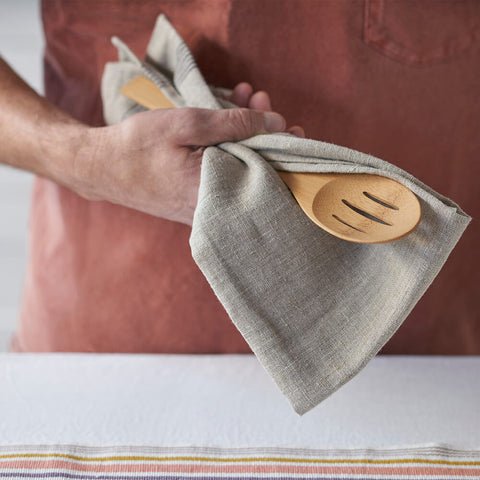
Imagine the comforting clatter of bamboo cooking utensils in your kitchen, a sustainable choice that not only elevates your culinary experience but also complements your eco-friendly lifestyle. You’ve probably admired their beauty, lightweight feel, and natural appeal, but are you giving them the care they truly deserve?
Proper maintenance is key to extending their lifespan, and understanding how to care for bamboo cooking utensils can transform your daily kitchen routine into a more fulfilling experience. By following a few simple steps, you can keep your utensils in pristine condition while ensuring they remain a staple in your kitchen for years to come.
Discover the secrets to preserving their quality and enhancing your cooking adventures. Keep reading to unlock the effortless ways to nurture your bamboo tools and make them last.

Credit: www.bambuhome.com
Benefits Of Bamboo Utensils
Caring for bamboo cooking utensils ensures longevity and hygiene. Regular washing with warm, soapy water keeps them clean. Dry them thoroughly to prevent mold and warping. Periodic oiling with food-safe mineral oil maintains their smooth surface.
Caring for bamboo cooking utensils isn’t just about maintaining their beauty and longevity; it’s about understanding the numerous benefits they bring to your kitchen. Bamboo utensils are more than just a trendy choice—they are an eco-friendly, durable, and safe option for all your culinary needs. Let’s dive into why these utensils deserve a spot in your kitchen drawer.1. Eco-friendly Choice
Bamboo is a fast-growing plant, making it a sustainable resource. By choosing bamboo utensils, you contribute to reducing the carbon footprint. Unlike plastic, bamboo is biodegradable and doesn’t harm the environment.2. Durability And Longevity
Bamboo utensils are incredibly strong and resilient. They can withstand daily use without warping or cracking. My bamboo spoon has lasted longer than any plastic one I’ve owned, proving its durability.3. Safe For Non-stick Cookware
Bamboo is gentle on non-stick surfaces, preventing scratches that can damage your pots and pans. You won’t have to worry about ruining your cookware’s coating. This makes bamboo a safer alternative to metal utensils.4. Naturally Antimicrobial
Bamboo has natural antimicrobial properties, which means it resists bacteria. This makes your kitchen a safer place for food preparation. You can enjoy peace of mind knowing your utensils are cleaner.5. Lightweight And Easy To Handle
Bamboo utensils are lightweight, making them easy to maneuver while cooking. Their ergonomic design ensures a comfortable grip. This is especially helpful when you’re stirring a big pot of soup or flipping pancakes.6. Aesthetic Appeal
Bamboo utensils add a touch of elegance to your kitchen. Their natural finish and sleek design make them a stylish addition. Do you enjoy having a kitchen that looks as good as the food you cook? Consider incorporating bamboo utensils into your kitchen routine not just for their practical benefits, but also for the positive impact they have on the environment. Once you start using them, you’ll likely wonder how you ever cooked without them.Initial Preparation
Bamboo cooking utensils are a favorite in kitchens worldwide. They are eco-friendly, lightweight, and gentle on cookware. Proper care ensures their longevity and efficiency. The initial preparation of bamboo utensils is crucial. It enhances their durability and performance. Follow these simple steps to prepare your bamboo utensils for use.
Cleaning Before First Use
Start by cleaning the bamboo utensils. Use warm water and mild soap. Gently scrub them to remove any dust or residue. Avoid soaking them in water for too long. This can weaken the bamboo fibers. After washing, rinse thoroughly. Ensure no soap remains. Pat them dry with a clean towel. Let them air dry completely before proceeding.
Oil Treatment
Oil treatment is essential for bamboo utensils. It prevents cracks and adds a protective layer. Choose food-grade mineral oil or bamboo oil. Apply a small amount on a clean cloth. Rub the oil into the bamboo surface. Cover all areas evenly. Let the oil soak for a few hours. This nourishes the bamboo and enhances its lifespan.
Repeat the oil treatment monthly. It keeps your bamboo utensils in top condition. Proper care ensures they serve you well for years.
Daily Cleaning Routine
Bamboo cooking utensils are a popular choice for their eco-friendliness and durability. Proper care keeps them looking good and extends their life. A daily cleaning routine is essential for maintaining their quality. Follow these simple steps for effective cleaning and drying.
Hand Washing Techniques
Use warm water and mild soap for cleaning bamboo utensils. Avoid soaking them in water for long periods. Gently scrub with a soft sponge or cloth. This removes food residues and helps maintain their natural texture.
Drying Methods
Dry bamboo utensils immediately after washing. Use a clean towel to pat them dry. Ensure no moisture remains on the surface. Let them air dry completely before storing. This prevents mold and keeps the bamboo strong.
Deep Cleaning Methods
Bamboo cooking utensils need regular cleaning to stay fresh and durable. Over time, these utensils can develop stains and odors. Deep cleaning keeps them in good shape. It also ensures they are safe to use. Let’s explore methods to clean bamboo utensils effectively.
Removing Stains
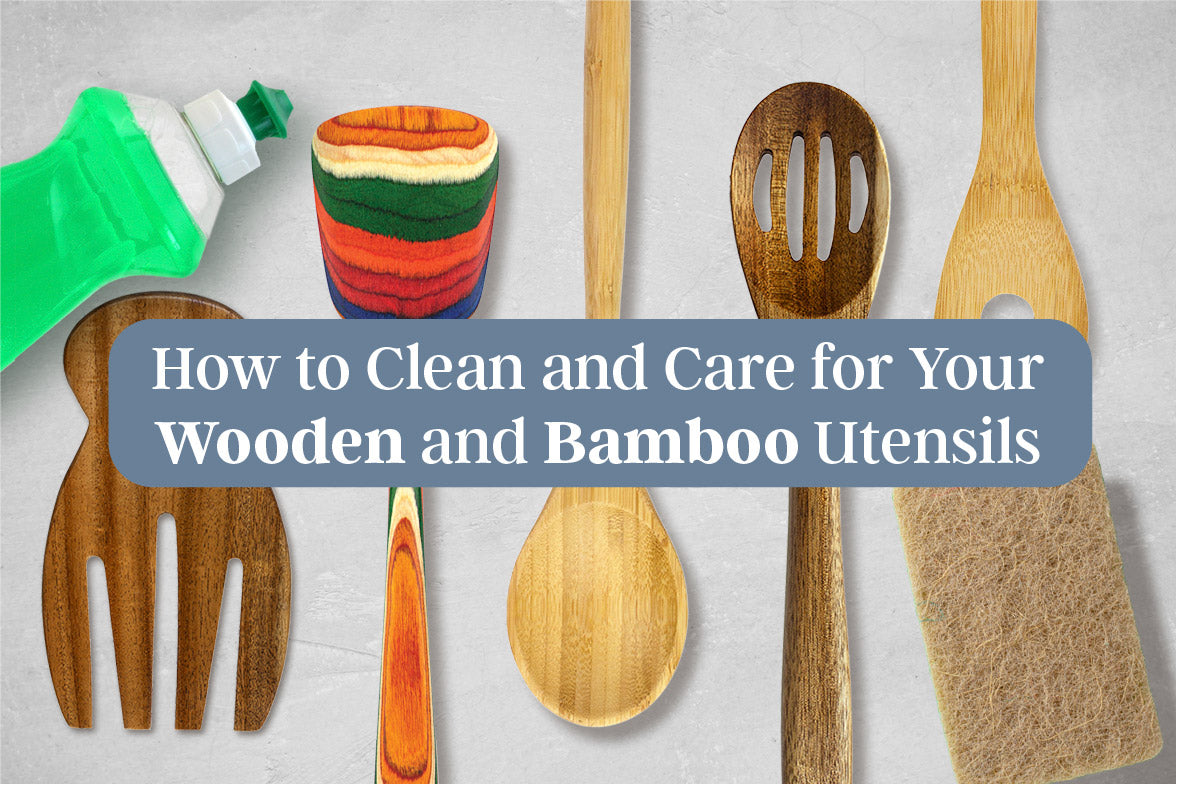
Stubborn stains can make bamboo utensils look old. To remove them, use lemon juice. Squeeze fresh lemon juice onto the stained area. Let it sit for a few minutes. Then, scrub gently with a soft cloth. Rinse with warm water. You can also use baking soda. Make a paste with water and baking soda. Apply to the stain, then scrub gently. Rinse thoroughly.
Deodorizing Tips
Cooking smells can linger on bamboo utensils. To get rid of odors, use white vinegar. Mix equal parts of water and vinegar. Soak the utensils for about 15 minutes. Rinse well with warm water. Dry with a clean towel. Another method is to use activated charcoal. Place the utensils in a container with charcoal for a few hours. It absorbs odors effectively.
Regular Maintenance
Bamboo cooking utensils are cherished for their natural beauty and durability. Regular maintenance ensures they remain functional and attractive. Neglecting them can lead to cracks or wear. Simple care routines extend their lifespan.
Re-oiling Process
Oiling bamboo utensils is crucial. It keeps them hydrated and prevents cracking. Use food-grade mineral oil for best results. Apply a generous amount to a clean cloth. Rub it over the entire surface of the utensil. Let it soak for a few hours. Wipe off excess oil with a dry cloth. Repeat this process monthly to maintain shine and strength.
Handling Wear And Tear
Bamboo utensils can show signs of wear over time. Scratches and minor cracks are common. Sand these areas gently with fine sandpaper. This smooths out imperfections. After sanding, apply oil to restore moisture. Avoid soaking bamboo in water for long periods. This weakens the material. Always dry them thoroughly after washing. Regular inspection helps catch wear early.
Credit: www.bambuhome.com
Storage Solutions
Proper storage of bamboo cooking utensils extends their lifespan. It maintains their quality. Bamboo is durable, but it needs care. Storing bamboo utensils the right way prevents damage. It keeps them looking their best. Let’s explore some effective storage solutions.
Avoiding Moisture
Moisture can harm bamboo utensils. Always dry them thoroughly after washing. Store them in a dry place. Avoid leaving them in damp areas. Moisture can cause warping or cracking. This reduces their lifespan. A dry storage environment is crucial for bamboo.
Organizing Tips
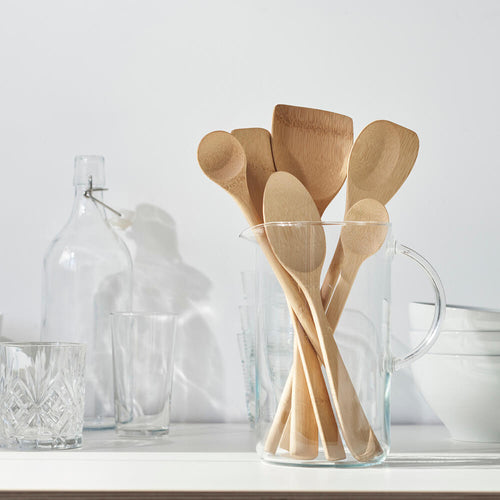
Organizing bamboo utensils keeps your kitchen tidy. Use a dedicated drawer or container. This prevents clutter. Keep frequently used utensils in easy reach. Store others neatly in a drawer. Use a utensil holder to display them. It saves space and looks stylish. Label containers for easy access. This helps find the right tool quickly.
Common Mistakes
Neglecting regular cleaning leads to dull bamboo utensils. Avoid soaking them in water to prevent damage. Using harsh detergents can strip natural oils, affecting their durability.
Caring for bamboo cooking utensils is simpler than you might think, yet there are common mistakes that many people make, which can reduce the lifespan of your favorite kitchen tools. These errors often stem from habits or assumptions that seem harmless but can cause significant damage over time. Understanding what not to do is just as important as knowing the right care techniques.Dishwasher Use
Placing bamboo utensils in the dishwasher is a frequent mistake. The high heat and harsh detergents can warp and crack bamboo over time. A friend once shared how her bamboo spoon splintered after a single wash cycle, which was a wake-up call for her—and a lesson for you. Cleaning bamboo utensils by hand is the way to go. Use warm water and mild soap. It takes only a few seconds and keeps your utensils in great shape. Are you rushing through your cleanup routine? Remember, taking a little extra time now can save you from replacing your bamboo tools later.Prolonged Soaking
Have you ever left your bamboo utensils soaking in water while tending to other tasks? This is another mistake that can lead to swelling and splitting. Bamboo absorbs water quickly, which weakens the structure. Instead, rinse off food residues promptly and dry the utensils thoroughly. Use a clean towel to remove moisture. Leaving them to air dry can also work, provided they’re not sitting in a damp sink. Do you want your utensils to last longer? Avoid leaving them in water for extended periods. Quick, efficient cleaning is key. These small adjustments in your routine can make a big difference. Taking care of bamboo utensils is easy when you know what to avoid. Are you ready to treat your kitchen tools with the care they deserve?Extending Lifespan
Bamboo cooking utensils are popular for their eco-friendly nature and durability. Proper care can significantly extend their lifespan, keeping them functional and beautiful. With the right approach, these utensils can serve your kitchen well for many years.
Proper Usage
Use bamboo utensils with gentle cooking methods. Avoid high heat or direct flame exposure. Bamboo is sensitive to extreme temperatures. Excessive heat can cause warping or cracking. Stirring soups or sauces is ideal. Avoid scraping hard surfaces or cutting. This prevents damage and preserves the finish.
Timely Repairs
Inspect your bamboo utensils regularly. Look for cracks or splinters. Address any damage immediately. Sand minor splinters with fine-grit sandpaper. Apply food-safe mineral oil to restore the surface. This helps maintain moisture and prevents further cracking. For significant damage, consider professional repair.
Eco-friendly Disposal
Caring for bamboo cooking utensils includes eco-friendly disposal methods. When it’s time to replace them, consider their environmental impact. Bamboo is a natural material, and with thoughtful disposal, it can return to the earth safely. Learning how to dispose of bamboo utensils responsibly minimizes waste and supports sustainability.
Recycling Options
Bamboo cooking utensils can be recycled in some areas. Check with local recycling programs to see if they accept bamboo. This keeps the material in use and reduces landfill waste. If local facilities don’t recycle bamboo, consider other eco-friendly options.
Composting Bamboo
Bamboo is biodegradable and can be composted. Adding bamboo utensils to your compost pile enriches the soil. Break larger pieces into smaller ones to speed up decomposition. Ensure any coatings or finishes are removed first. This process returns nutrients to the earth and is a sustainable disposal method.
Credit: totallybamboo.com
Frequently Asked Questions
How To Maintain Bamboo Kitchen Utensils?
Clean bamboo utensils with mild soap and warm water. Dry immediately to prevent warping. Apply food-grade mineral oil monthly. Avoid soaking or using the dishwasher. Store in a dry place.
Are Bamboo Cooking Utensils Sanitary?
Bamboo cooking utensils are sanitary when properly cared for. They resist moisture, reducing bacterial growth. Regular cleaning with soap and water maintains their hygiene. Avoid soaking them to prevent damage. Bamboo’s natural properties make it a safe choice for food preparation.
How Often Should I Replace Bamboo Cooking Utensils?
Replace bamboo cooking utensils every 12-18 months. Regular use and washing may cause wear and tear. Check for cracks or splinters often. Proper maintenance extends their lifespan. Always dry them completely after washing to prevent damage.
How To Deep Clean Bamboo Cooking Utensils?
Clean bamboo utensils with warm soapy water. Rinse thoroughly. Scrub gently with a baking soda paste for stains. Dry completely to prevent warping. Apply food-safe oil for protection and shine.
Conclusion
Caring for bamboo utensils is simple and rewarding. Clean with warm water and gentle soap. Dry immediately to prevent damage. Regularly apply mineral oil to keep them smooth. Avoid soaking or harsh chemicals. Store in a dry place to prevent moisture damage.
With proper care, bamboo utensils last longer and remain safe to use. Their natural beauty enhances any kitchen. Sustainable and durable, bamboo is a great choice for eco-friendly cooking. By following these steps, you’ll enjoy the benefits of bamboo utensils for years.
Keep your kitchen green and functional!

Hi, I’m Daniel Brooks—a food lover and kitchen gear enthusiast. I enjoy testing cookware, utensils, and gadgets to see what really works in everyday cooking. At PlugChef.com, I share honest reviews, comparisons, and simple guides to help you choose the best tools for a safer, smarter, and more enjoyable kitchen.
Related posts:
 What Type of Cooking Utensils are Safe: Expert Picks
 What Innovations Could Blenders Make: Unleashing Future Tech
 Smart Strategies to Organize a Small Kitchen: Maximize Space
 How to Organize a Kitchen Cabinet: Expert Tips & Tricks
 How to Organize Kitchen Drawers: Expert Tips and Tricks
 How to Organize a Corner Kitchen Cupboard: Expert Tips

