
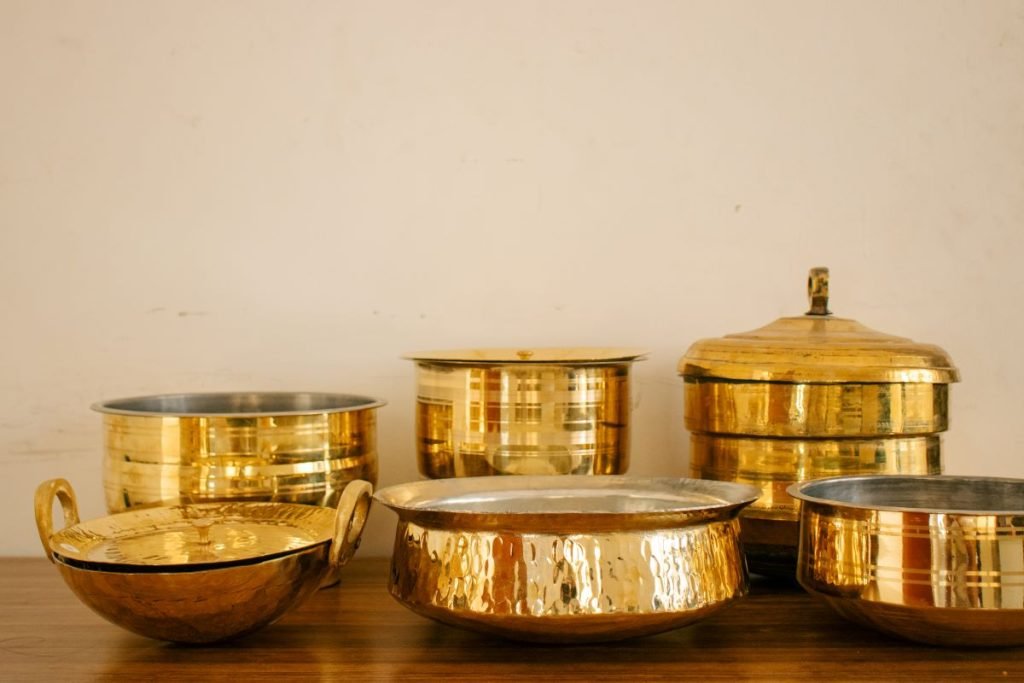
Imagine the perfect kitchen, filled with gleaming utensils ready for action. But when you reach for bronze, you hesitate.
Why is it that bronze, with its rich history and timeless appeal, isn’t used for cooking like other metals? This question might have popped into your mind if you’ve ever admired bronze artifacts or utensils. You might think, “If it was good enough for ancient civilizations, why not now?
” We’ll dive into the intriguing reasons behind this culinary conundrum. Discover how the properties of bronze affect your cooking, and why modern kitchens steer clear of this beautiful metal. Uncover the truths that could change the way you think about your cooking tools. Stick around, because what you learn might surprise you and transform your kitchen choices forever.

Credit: brownliving.in
The Composition Of Bronze
Bronze has been used for centuries in various applications. Its unique properties make it valuable. But using it for cooking raises concerns. Understanding its composition reveals why.
Metal Alloys In Bronze
Bronze is an alloy. It primarily contains copper and tin. The copper content is usually high, around 88-90%. Tin adds strength and hardness to the alloy. Other metals might be present in small amounts. These include zinc, lead, or nickel.
Each metal influences bronze’s properties. They contribute to its durability and corrosion resistance. But they also affect its safety for cooking. Some metals can leach into food. This can pose health risks over time.
Properties Of Bronze
Bronze is known for its strength and durability. It resists corrosion better than pure copper. This makes it ideal for tools and sculptures. But these properties are not always ideal for cooking.
Bronze conducts heat well. This can lead to uneven cooking. It may also react with acidic foods. Such reactions can release metals into the food. This is not safe for consumption.
Understanding these properties highlights why bronze utensils are unsuitable for cooking. Safety and health are priorities in kitchenware.
Historical Uses Of Bronze
Bronze has been used for centuries, shaping civilizations and cultures. This metal alloy, primarily made of copper and tin, has been essential in various domains. Its versatility and durability made it ideal for different applications. Yet, despite its historical significance, bronze utensils are not popular in cooking today. Understanding the historical uses of bronze can shed light on its unique properties.
Bronze In Ancient Tools
Bronze played a crucial role in ancient toolmaking. It was stronger than pure copper, allowing for sharper and more durable tools. Ancient civilizations used bronze to craft axes, chisels, and swords. These tools were vital for farming, building, and warfare. Bronze’s durability provided a significant advantage in daily life. Its ability to hold a sharp edge made it invaluable for cutting and carving. This increased efficiency in various tasks.
Bronze In Art And Decoration
Bronze’s appeal extended beyond practicality to art and decoration. Artists and sculptors valued bronze for its aesthetic qualities. Its rich color and smooth finish made it perfect for sculptures. Bronze statues and ornaments were symbols of wealth and status. Skilled artisans could create intricate designs with this versatile metal. It was also used for decorative items like jewelry and vessels. Bronze’s ability to be molded and shaped enhanced its artistic value.
Reactivity With Food
Bronze utensils have a rich history. Their use dates back centuries. Despite their beauty, they might not be ideal for modern cooking. The problem lies in their reactivity with certain food types. This interaction can change the taste and safety of the dish. Understanding this reactivity is crucial for safe cooking.
Chemical Reactions With Acids
Bronze contains copper and tin. These metals react with acidic foods. Foods like tomatoes and vinegar cause these reactions. This can lead to unwanted flavors and discoloration. The acids break down the metal surface. This reaction might release metal ions into the food. These ions can alter the taste significantly.
Potential Health Risks
The chemical reactions pose health risks too. Consuming metal ions regularly can be harmful. Copper poisoning is a concern with bronze utensils. Symptoms include nausea, vomiting, and stomach pain. Long-term exposure might lead to serious health issues. Using bronze for cooking can be risky without proper care.
Heat Conductivity Concerns
Bronze utensils are poor conductors of heat, leading to uneven cooking and longer preparation times. This metal can also react with acidic foods, affecting taste and safety. For efficient cooking, materials with better heat conductivity like stainless steel are preferred.
Cooking with bronze utensils might sound like an ancient practice, but there are specific reasons why it’s not ideal today. One significant concern is heat conductivity. Understanding how bronze interacts with heat can help you make better choices in your kitchen. Why should you care? Because it directly affects how your food cooks and tastes.Thermal Properties
Bronze is an alloy typically made of copper and tin. Its thermal conductivity is lower compared to metals like aluminum or stainless steel. This means it doesn’t heat up as quickly or evenly, which can lead to uneven cooking. You might have experienced this if you’ve ever tried frying an egg on a pan with hot spots. It cooks unevenly, leaving parts overcooked and others raw. Bronze utensils can create similar issues.Impact On Cooking Efficiency
Cooking is not just about taste; it’s also about time. Bronze’s inefficient heat transfer can extend your cooking time. This isn’t just inconvenient; it can also impact the nutritional value of your food. Think about a stew cooking slowly in a bronze pot. It might sound cozy, but the prolonged cooking could sap nutrients from your ingredients. Are you willing to sacrifice nutrition and time for the sake of tradition? Choosing materials with better heat conductivity can make a world of difference. Metals like stainless steel or copper offer more consistent results, ensuring your meals are both delicious and nutritious. So, next time you’re in the kitchen, consider what your utensils are doing for your food—and your time.Durability And Maintenance
Bronze utensils have a unique charm but aren’t ideal for cooking. Their durability and maintenance demands make them less practical in modern kitchens. Understanding these factors helps explain why bronze is less favored for cooking utensils.
Wear And Tear In Cooking
Bronze is a softer metal compared to stainless steel. Frequent use can lead to visible scratches and dents. This wear affects the appearance and functionality over time. Heat can also cause bronze utensils to lose shape. Constant exposure to high temperatures speeds up the damage.
Cleaning And Care Challenges
Bronze requires careful cleaning to avoid damage. It can develop a patina if not dried properly after washing. This tarnish affects the metal’s surface and can be difficult to remove. Regular polishing is needed to maintain its shine. The process is time-consuming and requires specific products.
Alternatives To Bronze Utensils
While bronze utensils have a rich historical allure, they are not suitable for modern cooking. The metal can react with certain foods, leading to potential health risks. Luckily, there are many alternatives that ensure safety and efficiency in the kitchen.
Safe And Effective Materials
Stainless steel tops the list as a safe and durable choice. It resists rust and does not react with food, making it ideal for everyday cooking. Plus, it’s easy to clean and maintain.
Cast iron is another reliable option. It retains heat well, offering even cooking. If you enjoy searing meats or baking, a cast iron skillet can be a great asset.
Ceramic cookware is perfect for those who prefer non-stick surfaces without the chemicals. It’s non-reactive, meaning it won’t alter the taste of your food.
Modern Cooking Solutions
If you’re looking for something innovative, consider induction cookware. These are designed to work with induction cooktops, offering rapid heating and precise temperature control.
Non-stick pans with a PFOA-free coating provide a hassle-free cooking experience. They are great for frying eggs or making pancakes without sticking issues.
Silicone utensils are a fantastic alternative for non-stick pans. They won’t scratch surfaces and are heat resistant, offering versatility in cooking.
Have you ever tried bamboo utensils? They are lightweight, eco-friendly, and won’t damage your cookware. Plus, they add a touch of natural beauty to your kitchen.
Choosing the right cooking tools can make a world of difference. What materials do you trust in your kitchen? Explore these options and find what suits your culinary style best. Remember, your health and safety in the kitchen are just as important as the flavors you create.
Cultural And Aesthetic Appeal
Bronze utensils have a rich history. Their cultural and aesthetic appeal is undeniable. They once graced the kitchens of ancient civilizations. Today, they are admired for their beauty and craftsmanship. Yet, their use in cooking is limited. Let’s explore why.
Bronze In Modern Kitchens
Modern kitchens often showcase sleek designs. Bronze utensils add a touch of tradition. They serve as decorative pieces. Their warm hue complements contemporary styles. Yet, they’re rarely used for cooking. This is due to health concerns. Bronze may react with certain foods. It can release harmful substances. Safety takes priority in modern cooking.
Balancing Tradition With Safety
Cultural traditions hold great value. Many families cherish their bronze heirlooms. They symbolize heritage and history. Yet, safety cannot be compromised. It’s crucial to balance tradition with health. Displaying bronze utensils preserves cultural roots. Using safe materials for cooking ensures well-being. This balance respects both past and present.

Credit: ptal.in
Credit: girlandthekitchen.com
Frequently Asked Questions
Is It Safe To Cook In Bronze Utensils?
Yes, it’s safe to cook in bronze utensils. They are durable and retain heat well. Ensure utensils are well-tinned to prevent copper leaching. Avoid cooking acidic foods in bronze to maintain safety. Regular maintenance ensures their longevity and safety. Bronze utensils offer a traditional and healthy cooking experience.
Is Bronze Good For Cookware?
Bronze cookware is durable, conducts heat well, and offers even cooking. It’s safe for cooking but can be expensive. Regular maintenance is needed to prevent tarnishing. Ideal for specific recipes, it adds a unique aesthetic to kitchens. Consider your budget and cooking style before choosing bronze cookware.
Does Bronze Leach Into Food?
Bronze cookware is generally safe, but acidic foods can cause leaching. Use stainless steel for acidic dishes. Regular use and proper care minimize risks. Always check cookware for signs of damage or wear to ensure food safety.
What Are The Disadvantages Of Bronze?
Bronze can corrode over time, leading to a greenish patina. It is relatively expensive compared to other metals. Bronze is heavier and softer, making it prone to scratches and dents. It can also be challenging to weld or repair due to its composition.
Conclusion
Bronze utensils might seem appealing. They have a rich history. Yet, they’re not ideal for cooking today. Bronze contains copper and tin. Both can be harmful if leached into food. Modern cookware offers better safety. Stainless steel and non-stick pans are popular choices.
They ensure healthy cooking. Easy maintenance, too. Avoid bronze in the kitchen. Choose safer alternatives. Your health matters. Cooking should be safe and enjoyable. Keep your kitchen updated. Embrace practical, safe utensils. You deserve peace of mind. Enjoy cooking with confidence.
Keep exploring cookware options. Stay informed and make wise choices.

Hi, I’m Daniel Brooks—a food lover and kitchen gear enthusiast. I enjoy testing cookware, utensils, and gadgets to see what really works in everyday cooking. At PlugChef.com, I share honest reviews, comparisons, and simple guides to help you choose the best tools for a safer, smarter, and more enjoyable kitchen.
Related posts:
 What Type of Cooking Utensils are Safe: Expert Picks
 What Innovations Could Blenders Make: Unleashing Future Tech
 Smart Strategies to Organize a Small Kitchen: Maximize Space
 How to Organize a Kitchen Cabinet: Expert Tips & Tricks
 How to Organize Kitchen Drawers: Expert Tips and Tricks
 How to Organize a Corner Kitchen Cupboard: Expert Tips

