
When you’re cooking up a storm in your kitchen, the tools you use can make all the difference. One item that’s become increasingly popular is the bamboo cutting board.
But is bamboo really a good choice for your culinary creations? You’re about to find out. Imagine a cutting board that’s not only gentle on your knives but also eco-friendly and stylish. It sounds perfect, doesn’t it? Yet, you might have heard mixed opinions about bamboo’s durability and maintenance.
Before you make a decision, let’s dive into the benefits and potential drawbacks of using bamboo cutting boards. Your next meal prep might just become a smoother, greener experience. Stick around to discover if bamboo is the right fit for your kitchen needs.
Bamboo As A Material
Bamboo is gaining popularity for cutting boards. It is strong and eco-friendly. Many people prefer bamboo for its unique qualities. This material offers durability and style. It’s a great choice for kitchen use. Let’s explore why bamboo stands out.
Characteristics Of Bamboo
Bamboo is a grass, not wood. It grows incredibly fast. This rapid growth makes it a renewable resource. Bamboo fibers are long and strong. This gives cutting boards a hard surface. They resist knife marks well. They also don’t dull knives quickly.
Bamboo is lightweight yet sturdy. It is easy to handle in the kitchen. The natural patterns of bamboo add beauty. Each piece is unique. This makes bamboo boards attractive on any countertop.
Sustainability Benefits
Bamboo is one of the most sustainable materials. It regenerates quickly after harvesting. This makes it an environmentally friendly choice. Bamboo requires minimal pesticides and fertilizers. This reduces the chemical impact on the environment.
Bamboo’s sustainability extends beyond its growth. It absorbs carbon dioxide and releases oxygen. This helps combat climate change. Choosing bamboo supports eco-friendly practices. It aligns with green living values.

Credit: chefsvisionknives.com
Advantages Of Bamboo Cutting Boards
Bamboo cutting boards offer several benefits that make them popular. Choosing bamboo means selecting a sustainable, durable, and hygienic option. They provide a reliable surface for meal preparation.
Durability And Longevity
Bamboo is tougher than many other woods. It resists scratches and marks from knives. This means it lasts longer, saving money over time. Bamboo’s hardness gives it an edge over softer woods.
Eco-friendly Choice
Bamboo grows quickly, making it renewable. It needs less water than other plants. Bamboo cutting boards contribute to a healthier planet. They reduce deforestation and help preserve natural resources.
Antimicrobial Properties
Bamboo naturally resists bacteria. Its surface is less prone to harbor germs. This makes meal preparation safer. Many people prefer bamboo for its hygienic qualities.
Disadvantages Of Bamboo Cutting Boards
Bamboo cutting boards can dull knives quickly due to their hardness. They may also crack with frequent washing. Some boards might contain glue or chemicals, raising health concerns.
Bamboo cutting boards have gained popularity for their eco-friendly nature and attractive appearance. However, they do come with some disadvantages that you should consider before making a purchase. While bamboo is a renewable resource, it’s not always the easiest material to maintain. If you’re someone who loves cooking and spends a lot of time in the kitchen, understanding the drawbacks of bamboo cutting boards can help you make an informed choice.Maintenance Requirements
Bamboo cutting boards demand regular upkeep to maintain their quality. You need to oil them frequently to prevent them from drying out. This might seem like a small task, but over time, it can become tedious. Are you ready to add another chore to your kitchen routine? Neglecting this maintenance can lead to cracks, which not only affect the board’s appearance but also its functionality.Potential Knife Damage
Bamboo is harder than traditional wood, which can be harsh on your knives. It might dull the blades more quickly compared to other materials. If you find yourself sharpening your knives more often, your bamboo board might be the culprit. Consider whether the durability of bamboo is worth the potential wear on your kitchen tools.Water Absorption Issues
Bamboo cutting boards can absorb water, leading to swelling or warping. This not only affects the board’s longevity but also its safety. Warped boards can make chopping a challenge, posing a risk of accidents. Do you want to deal with the hassle of drying your board thoroughly after each use? Ensuring your bamboo board stays dry is crucial but can be inconvenient. Choosing a cutting board involves weighing these factors against your kitchen habits and preferences. Bamboo offers benefits, but it’s essential to recognize its drawbacks to decide if it’s the right fit for your culinary adventures.Comparing Bamboo To Other Materials
Bamboo cutting boards offer a sustainable choice compared to plastic or wood. They are durable, lightweight, and resist water absorption. Their natural texture helps prevent knife dullness while being gentle on blades.
When choosing a cutting board, it’s crucial to consider the material. Bamboo often comes up as an eco-friendly option, but how does it stack up against other materials? Let’s explore how bamboo compares to wood, plastic, and glass cutting boards. Each has its unique attributes, and understanding these can help you make the best choice for your kitchen.Wood Vs Bamboo
Wood is a traditional choice for cutting boards. It offers a warm, classic look and is gentle on knives. However, wood boards can be heavier and require regular oiling to prevent cracking and warping. Bamboo, on the other hand, is lighter and more sustainable. It doesn’t need as much maintenance as wood, making it a convenient option. However, bamboo can be harder on your knives, potentially dulling them faster. Which do you prefer: the classic appeal of wood or the low-maintenance sustainability of bamboo? Consider how much time you want to invest in upkeep.Plastic Vs Bamboo
Plastic cutting boards are popular for their affordability and ease of cleaning. They’re dishwasher safe, which can be a huge time-saver. However, plastic boards can develop deep grooves over time, which can harbor bacteria. Bamboo boards are naturally antimicrobial, offering a cleaner cutting surface. They are more environmentally friendly than plastic, which is a significant plus. But remember, bamboo boards should not be submerged in water or put in the dishwasher. Do you prioritize hygiene and environmental impact, or is convenience more important to you? This choice can reflect your broader lifestyle values.Glass Vs Bamboo
Glass cutting boards are visually appealing and incredibly easy to clean. They don’t absorb odors and are entirely dishwasher safe. Yet, they can be slippery, posing a risk to your fingers, and are extremely hard on knives. Bamboo offers a more stable cutting surface and is gentler on your blades. It also provides a more natural aesthetic that might fit better in a cozy kitchen environment. However, it does require hand washing, which can be a slight inconvenience. Would you sacrifice a bit of style and convenience for the safety and knife preservation that bamboo offers? This decision can impact both your kitchen’s functionality and its look. Choosing the right cutting board material involves balancing factors like maintenance, knife health, and personal values. Reflect on your priorities to find the perfect match for your kitchen needs.Tips For Choosing A Bamboo Cutting Board
Bamboo cutting boards are gaining popularity in kitchens worldwide. They are eco-friendly, durable, and affordable. Selecting the right bamboo cutting board involves considering several factors. A well-chosen board can enhance your cooking experience. Below are some key tips to guide you in making the best choice.
Quality Indicators
High-quality bamboo boards are made from mature bamboo. This ensures durability and resistance to knife marks. Look for boards with a smooth surface. They should be free from cracks and splits. Quality boards are often glued with food-safe adhesives. Check for certifications that guarantee safety and quality.
Size And Thickness Considerations
Choose a size that suits your kitchen space and needs. Small boards are great for quick tasks. Large boards offer more space for chopping and slicing. Thickness impacts the board’s stability. A thicker board is less likely to warp over time. Consider your storage options when choosing size and thickness.

Credit: www.kitchenknifeguru.com
Care And Maintenance
Bamboo cutting boards offer durability and are gentle on knives. Regular cleaning and oiling help maintain their quality. Bamboo’s natural resistance to bacteria makes it a hygienic choice for kitchen use.
Caring for a bamboo cutting board is essential for its longevity. Proper maintenance ensures it remains functional and attractive. Bamboo boards require specific care to avoid damage. Here are some tips to help keep your board in top shape.Cleaning Techniques
Clean your bamboo board with warm water and mild soap. Use a soft sponge or cloth to prevent scratches. Avoid soaking the board in water to prevent swelling. Rinse thoroughly to remove all soap residues. Dry the board immediately with a clean towel. Stand it upright to air dry completely. This prevents moisture buildup and mold growth.Preventing Cracks And Warping
Apply mineral oil to your bamboo board regularly. This helps maintain its moisture balance. Rub the oil in gently with a soft cloth. Let it soak in for a few hours, then wipe off excess. Store the board in a dry, cool place. Avoid placing it near heat sources like stoves. Keep it away from direct sunlight. These steps prevent cracking and warping over time.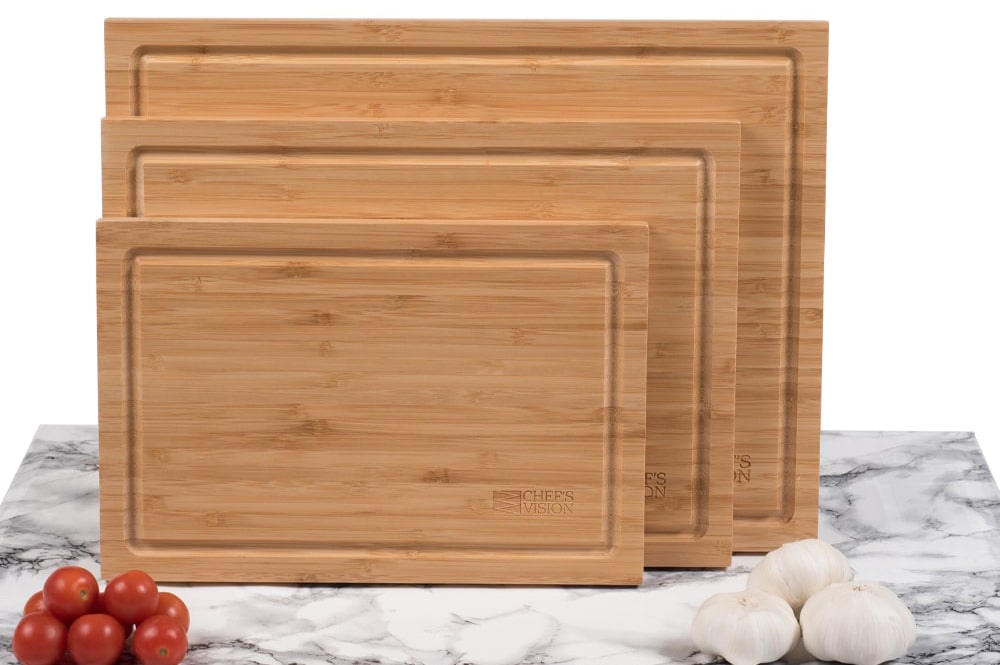
Credit: chefsvisionknives.com
Frequently Asked Questions
What Are The Disadvantages Of Bamboo Cutting Boards?
Bamboo cutting boards can dull knives quickly due to their hardness. They may crack or warp with excessive moisture exposure. Some bamboo boards contain glue or chemicals, affecting food safety. Regular maintenance is required to prevent stains and odors. Their surface can wear down faster with heavy use.
What Is The Healthiest Cutting Board To Use?
Choose bamboo or hardwood cutting boards for health benefits. They resist bacteria better than plastic ones. Regular cleaning and oiling maintain hygiene. Make sure to use separate boards for raw meats to prevent cross-contamination. Sustainable materials like bamboo are eco-friendly and durable, making them a smart choice.
Is Bamboo The Healthiest Cutting Board?
Bamboo cutting boards are durable, eco-friendly, and naturally antimicrobial. They offer a healthy option for food preparation. Bamboo is less porous than wood, reducing bacteria absorption. It’s gentle on knives and easy to clean. However, personal preference and care are crucial for maintaining hygiene and longevity.
Is Bamboo Cutting Board Durable?
Yes, bamboo cutting boards are known for their durability. Bamboo is harder than many other woods, making it resistant to scratches. This durability ensures that your cutting board lasts longer, even with frequent use. Additionally, bamboo’s dense nature makes it less prone to absorbing moisture, which helps prevent warping.
Conclusion
Bamboo cutting boards offer a solid choice for your kitchen needs. They are durable and naturally resist bacteria. Easy to clean, they save time. Bamboo is eco-friendly, a plus for nature lovers. They are gentle on knives, keeping them sharp.
A practical choice for everyday cooking. Affordable, yet stylish. Each board is unique with natural patterns. Lightweight, making handling simple. Bamboo absorbs less moisture, reducing warping. Consider bamboo for a healthy, sustainable option in your kitchen. A valuable addition to any cooking space.
Choose bamboo and enjoy its many benefits.

Hi, I’m Daniel Brooks—a food lover and kitchen gear enthusiast. I enjoy testing cookware, utensils, and gadgets to see what really works in everyday cooking. At PlugChef.com, I share honest reviews, comparisons, and simple guides to help you choose the best tools for a safer, smarter, and more enjoyable kitchen.
Related posts:
 What Type of Cooking Utensils are Safe: Expert Picks
 What Innovations Could Blenders Make: Unleashing Future Tech
 Smart Strategies to Organize a Small Kitchen: Maximize Space
 How to Organize a Kitchen Cabinet: Expert Tips & Tricks
 How to Organize Kitchen Drawers: Expert Tips and Tricks
 How to Organize a Corner Kitchen Cupboard: Expert Tips

