
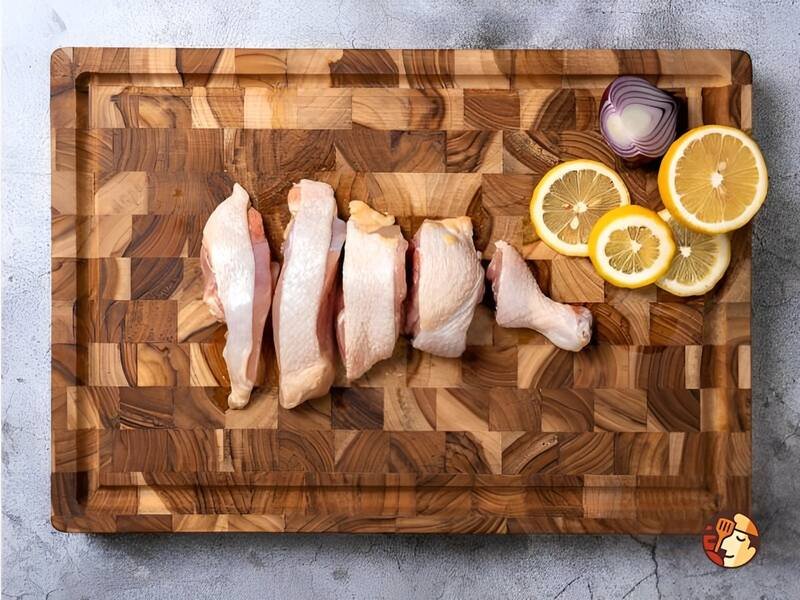
When it comes to preparing meals, your wooden cutting board is a trusty sidekick, especially when handling chicken. But after the chopping and slicing, it needs some tender loving care to stay safe and clean.
You might wonder, “Is my cutting board truly clean after handling raw chicken? ” The answer is crucial for your health and peace of mind. In this guide, you’ll discover simple, effective steps to ensure your wooden cutting board is spotless and ready for its next culinary adventure.
Don’t let bacteria linger—learn the secrets to keeping your kitchen safe and your meals delicious. Stay with us, and you’ll master the art of cleaning your wooden cutting board after chicken like a pro.
Credit: en.chefstudio.vn
Importance Of Proper Cleaning
Cleaning a wooden cutting board after cutting chicken ensures food safety and prevents bacteria growth. Use hot, soapy water and scrub thoroughly. Rinse well, then dry with a clean towel to avoid moisture damage.
Cleaning a wooden cutting board after using it to prepare chicken is crucial for your health and safety. Bacteria from raw chicken, like salmonella, can linger on the surface, posing a risk of foodborne illness. Ensuring your board is properly cleaned helps maintain a hygienic kitchen and extends the life of your board.Why Cleaning Right Matters
Proper cleaning of a wooden cutting board isn’t just about wiping it down. It’s about ensuring harmful bacteria are eliminated. Have you ever wondered if a quick rinse is enough? It’s not. A thorough cleaning process is essential to ensure your kitchen tools are safe to use. Many people think using harsh chemicals will kill bacteria effectively. However, these can damage the wood and leave harmful residues. Instead, opt for natural cleaning agents like vinegar or lemon juice. These are gentle on the board and tough on bacteria.Steps To Clean Your Board
Start by scraping off any food particles. Use a spatula or a bench scraper for this task. Next, wash the board with hot, soapy water. Pay special attention to any grooves where chicken juices may have settled.Sanitizing With Vinegar
After washing, it’s time to sanitize. Pour white vinegar over the board and let it sit for a few minutes. This step ensures any remaining bacteria are killed. Wipe it down with a clean cloth and let it air dry.Conditioning For Longevity
Once your board is dry, apply mineral oil to keep it moisturized. This prevents the wood from cracking and maintains its durability. A well-conditioned board not only looks good but also performs better.Personal Insights
I learned the hard way when I noticed my board starting to smell bad after a few uses. I realized skipping proper cleaning steps was the culprit. Now, I never miss these steps, and my board remains fresh and ready for use. Have you ever experienced a smelly board or noticed it deteriorating quickly? It’s likely due to improper cleaning and maintenance. Embrace these practices, and you’ll find your wooden cutting board becomes a reliable kitchen companion.Materials Needed
Gather essential materials for cleaning your wooden cutting board after chicken preparation. Use warm soapy water, a scrub brush, and white vinegar. These items ensure proper sanitation and maintain the board’s quality.
Cleaning your wooden cutting board after handling raw chicken is crucial for maintaining kitchen hygiene. To do this effectively, you’ll need specific materials. These aren’t just random items you find in your kitchen; they’re carefully selected to ensure your board is safe from harmful bacteria and retains its quality.Natural Dish Soap
Natural dish soap is your first line of defense against bacteria. Choose a soap that’s free from harsh chemicals to preserve the wood. I once picked a soap that had too many additives, and my board lost its charm over time. You don’t want to repeat my mistake.Warm Water
Warm water is essential. It helps in breaking down residue left by chicken juices. Have you noticed how cold water barely cleans anything? Warm water is a game-changer. Use it generously to rinse the board after scrubbing.White Vinegar
White vinegar acts as a natural disinfectant. Its acidic nature kills bacteria effectively. Why not just use bleach, you ask? Bleach is too harsh for wood. Vinegar is gentle yet powerful, making it perfect for wooden surfaces.Coarse Salt
Coarse salt is great for scrubbing. It’s abrasive enough to remove stuck-on bits without damaging the wood. Once, I used regular table salt, and it didn’t do the trick. Coarse salt provides the right texture for effective cleaning.Lemon
Lemon is another natural cleaner with antibacterial properties. Its fresh scent leaves your board smelling great. Plus, it helps break down any grease. Just imagine cutting your next meal on a board that smells of lemon rather than raw chicken—pleasant, right?Clean Towel
A clean towel is crucial for drying. After washing, moisture can damage wood. A towel absorbs the excess water, preserving the board’s condition. Remember to use a fresh towel each time to avoid transferring bacteria back onto the board.Mineral Oil
Mineral oil helps maintain your board’s quality. It prevents drying and cracking. You might wonder, is it really necessary? Trust me, after a few uses, you’ll see how it keeps your board looking new and functional. Now, as you gather these materials, ask yourself: how often do you clean your board thoroughly? Ensuring you have the right tools makes all the difference.Step-by-step Cleaning Process
Cleaning a wooden cutting board after chicken involves crucial steps to ensure safety. Scrub with hot, soapy water, then rinse. Sanitize using vinegar or hydrogen peroxide. Dry thoroughly to prevent bacteria growth.
Cleaning a wooden cutting board after using it for chicken is essential to prevent cross-contamination and maintain hygiene. If you’ve ever felt unsure about how to do this effectively, you’re not alone. Many people find themselves wondering if they’re missing a step or using the wrong products. Let’s break down the cleaning process into manageable steps, ensuring your cutting board is safe and ready for its next use.Rinsing Off Residue
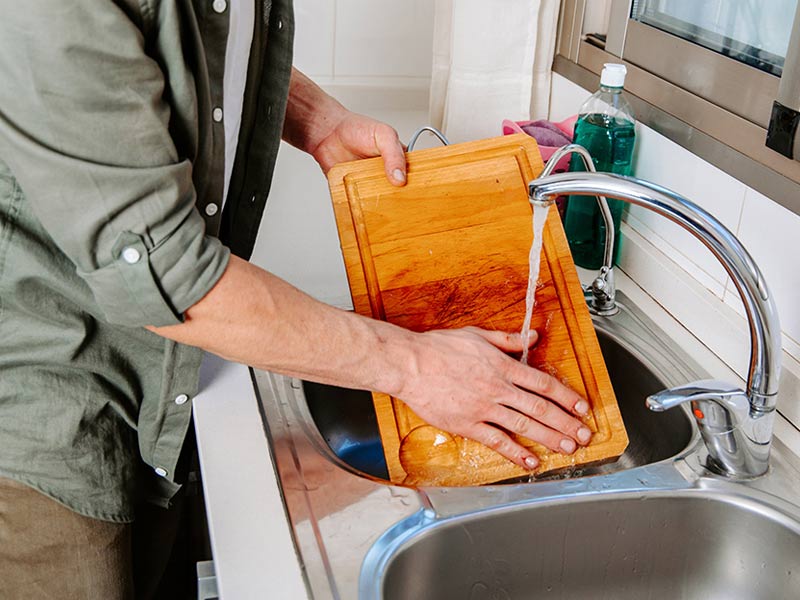
Start by rinsing your cutting board under warm running water. This step is crucial to remove any leftover chicken bits and juices. Hold the board at an angle to allow the water to wash away debris without pooling. This prevents bacteria from settling in. Make it a habit to inspect the board closely. Are there any stubborn pieces clinging on? Use your fingers to gently dislodge them.Using Soap And Water
Grab a mild dish soap. Why mild? Harsh chemicals can damage the wood and affect its longevity. Apply a small amount of soap directly onto the board. Pair this with warm water for effective cleaning. Create a lather using your hands or a soft cloth. The lather helps break down oils and bacteria remaining on the surface.Scrubbing Techniques
Choose a dedicated scrub brush or sponge for your cutting board. This avoids cross-contamination with other kitchen items. Use firm, circular motions to scrub the board. Focus on areas where chicken was chopped to ensure thorough cleaning. Consider adding a pinch of coarse salt. This acts as a natural abrasive, enhancing the scrubbing process. After scrubbing, rinse the board again to wash away soap residue. Are you confident that every inch is clean? Double-check corners and edges. Cleaning a cutting board properly isn’t just about following steps; it’s about developing a routine that keeps your kitchen safe. Have you ever found yourself skipping a step due to time constraints? Remember, taking these few extra minutes ensures your family’s health. What changes will you make to your cleaning routine?Disinfecting The Board
A wooden cutting board requires thorough cleaning after cutting chicken to avoid bacteria. Scrub with hot soapy water, rinse well. Dry completely to prevent warping and germs.
Cleaning a wooden cutting board after chicken is crucial. It prevents bacteria. Disinfecting ensures your board stays safe for future use. Both natural and commercial solutions can help. Choose what fits your needs and preferences.Natural Disinfectants
Vinegar is a great natural cleaner. Use white vinegar for best results. Pour some on the board. Let it sit for a few minutes. Then, wipe with a clean cloth. Lemon juice can also disinfect. Squeeze fresh lemon on the board. Rub it in using the lemon half. The acid kills germs effectively. Rinse with warm water. Dry the board thoroughly.Commercial Cleaners
Some prefer commercial cleaners. They offer convenience and effectiveness. Choose a cleaner made for wood. Read labels to ensure it’s food-safe. Spray or pour the cleaner on the board. Follow the instructions on the product. Use a scrub brush if needed. Rinse well with water. Let the board air dry completely. `Drying The Cutting Board
Drying a wooden cutting board after cleaning is crucial. It helps prevent bacteria growth and keeps your board in good shape. Proper drying ensures the board remains durable and free from unpleasant odors. Follow these simple steps to ensure your cutting board is thoroughly dried and ready for use.
Use A Towel To Remove Excess Water
First, grab a clean towel. Gently pat the cutting board to remove excess water. Make sure to cover all areas. This initial drying step is important. It helps speed up the drying process.
Stand The Board Upright
Once you’ve wiped the board, stand it upright. This position allows air circulation around the board. It aids in faster drying. Avoid laying the board flat. Standing it upright prevents moisture from getting trapped.
Choose A Well-ventilated Area
Place the board in a well-ventilated area. Good airflow helps the board dry completely. The kitchen counter near a window is ideal. Ensure there’s no direct sunlight. It can cause the wood to warp or crack.
Avoid Heat Sources
Keep the board away from heat sources like ovens or heaters. High temperatures can damage the wood. They can also cause the board to dry unevenly. Let natural air do the work.
Check For Moisture Before Storing
Before putting the board away, check for any moisture. Run your hand over the surface. If it’s dry to touch, it’s ready to store. Moisture can lead to mold and bacteria growth. Ensuring complete dryness is key.

Credit: housewifehowtos.com
Maintaining The Board’s Condition
Proper cleaning of a wooden cutting board is essential after cutting chicken to prevent bacteria. First, scrub with hot soapy water, then rinse thoroughly. Dry immediately to maintain the board’s condition and ensure safety.
Maintaining a wooden cutting board’s condition ensures its longevity and performance. After cleaning it post-chicken preparation, care is essential to prevent damage and maintain hygiene. Proper upkeep keeps your board smooth and safe for daily use.Oiling The Surface
Oiling your wooden board keeps it from drying out. Apply food-grade mineral oil once a month. Spread the oil evenly with a clean cloth. Let the oil soak in overnight. This process prevents cracks and warping. A well-oiled board also resists stains and odors.Regular Inspections
Inspect your cutting board weekly for signs of wear. Check for deep cuts or grooves. These can harbor bacteria. Sand down any rough areas with fine sandpaper. Ensure the board remains smooth and even. Regular checks maintain its safety and appearance. Proper care extends the board’s life.Common Mistakes To Avoid
Cleaning a wooden cutting board after chicken is crucial. Avoid soaking it in water, which can cause warping. Instead, use hot soapy water and scrub gently. Rinse well and dry immediately to prevent bacteria growth. Regularly apply mineral oil to maintain the board’s condition and keep it safe for use.
Cleaning a wooden cutting board after handling chicken is a task many of us do almost automatically. Yet, even a small oversight can lead to bacteria growth or damage to your beloved kitchen tool. Let’s explore some common mistakes to avoid, ensuring your board stays safe and in pristine condition. Whether you’re a seasoned cook or a beginner, knowing what not to do can make all the difference.1. Using Harsh Chemicals
It’s tempting to reach for strong disinfectants after handling raw chicken. However, using harsh chemicals can damage the wood and leave residues that might seep into your food. Stick to mild soap and hot water instead.2. Submerging The Board In Water
You might think soaking your cutting board is a good way to deep clean it. This is a common mistake that can cause the wood to warp and split. Instead, rinse it under running water and scrub gently.3. Ignoring The Drying Process
After washing, leaving your board on the counter to air dry seems harmless. But, this can lead to mold and mildew if the board doesn’t dry quickly. Prop it upright or use a towel to pat it dry.4. Overlooking Regular Maintenance
Think regular cleaning is enough? Wooden boards need oiling to maintain their moisture and prevent cracking. Use mineral oil periodically to keep your board in top shape.5. Forgetting To Clean Both Sides
Do you only clean the side you used? This oversight can lead to uneven wear and possible contamination. Always clean both sides to ensure the entire board remains hygienic. By avoiding these common pitfalls, you ensure that your wooden cutting board remains a safe and reliable kitchen companion. Are there any cleaning mistakes you’ve made in the past? Share your experiences and help others learn from them.Expert Advice For Longevity
Keeping your wooden cutting board in top shape is crucial, especially after prepping chicken. By following expert advice, you can extend its lifespan and ensure it’s always ready for your next culinary adventure. Cleaning and maintaining this essential kitchen tool isn’t just about hygiene; it’s about preserving the beauty and functionality of your board.
Immediate Cleaning Is Key
After using your cutting board for chicken, wash it right away. This prevents bacteria from settling in and stains from setting.
Use hot, soapy water to scrub the surface thoroughly. It’s the simplest way to ensure your board remains clean and safe.
Never let your board soak. Water can seep into the wood, causing it to warp or crack. Keep it quick and efficient.
Dry It Thoroughly
Once washed, drying your cutting board is crucial. Moisture is wood’s enemy.
Use a clean towel to pat it dry immediately. Leaving it wet could lead to mold growth.
Stand it upright or place it in a well-ventilated spot to air dry completely. This helps prevent warping.
Disinfect With Vinegar
Vinegar is an excellent natural disinfectant. Spray or wipe your board with white vinegar after cleaning.
Its acidity is effective in killing bacteria without harming the wood. It’s a simple step that makes a big difference.
Let the vinegar sit for a few minutes, then rinse with water. This ensures any vinegar residue is removed.
Regularly Oil Your Board
Oiling keeps your cutting board in prime condition. Use food-grade mineral oil to treat the surface.
Applying oil prevents the wood from drying out and cracking. It also enhances the board’s natural beauty.
Consider oiling your board once a month. It’s a small task that pays off in the long run.
Inspect For Damage
Regularly check your board for any signs of damage. Cracks can harbor bacteria and ruin your board.
If you find any, consider sanding them out and retreating the area with oil. This helps maintain a smooth surface.
Would you rather replace your board or spend a few minutes ensuring its longevity? The choice is yours.
By incorporating these expert tips into your routine, you can enjoy a wooden cutting board that stands the test of time. Keep it clean, dry, and well-maintained, and it will serve you well in all your culinary endeavors.

Credit: www.tiktok.com
Frequently Asked Questions
How Do You Clean A Wooden Cutting Board After Raw Chicken?
Clean the wooden cutting board with hot soapy water. Scrub thoroughly to remove raw chicken residue. Rinse with warm water. Sanitize using a solution of one tablespoon of bleach in one gallon of water. Rinse again and dry immediately with a clean towel.
Keep the board in an upright position to air dry completely.
What Do Chefs Spray On A Cutting Board After Cutting Meat?
Chefs often spray disinfectant or sanitizing solution on a cutting board after cutting meat. This ensures cleanliness and prevents cross-contamination. Using a food-safe cleaner effectively kills bacteria, maintaining a safe cooking environment. Always follow the cleaner’s instructions for proper use and safety.
How Do Chefs Clean Their Wooden Cutting Boards?
Chefs scrub wooden cutting boards with hot soapy water after use. They rinse thoroughly and dry immediately. For deeper cleaning, they sprinkle salt, scrub with lemon, and rinse. Periodically, they apply mineral oil to maintain the board’s condition. Proper care prevents bacteria growth and prolongs the board’s lifespan.
How Often Should I Clean My Wooden Cutting Board?
You should clean your wooden cutting board after each use, especially after cutting chicken. Regular cleaning prevents bacteria buildup. Use hot, soapy water and scrub thoroughly. Rinse and dry it completely. For deep cleaning, apply white vinegar or hydrogen peroxide occasionally.
Regular maintenance will ensure your cutting board remains safe and long-lasting.
Conclusion
Cleaning a wooden cutting board after chicken is simple. Focus on hygiene. Use hot, soapy water first. Scrub thoroughly. Rinse with clean water. Dry immediately to avoid bacteria. Vinegar or lemon juice helps remove odors. Baking soda tackles stubborn stains.
Avoid soaking the board. Wood absorbs water. This leads to warping or cracking. Regular cleaning keeps your board safe. It lasts longer. Always prioritize cleanliness and safety. Proper care makes cooking enjoyable. A clean board means healthier meals. Follow these steps every time.
Your cutting board will stay in excellent condition. Cooking chicken will be worry-free.

Hi, I’m Daniel Brooks—a food lover and kitchen gear enthusiast. I enjoy testing cookware, utensils, and gadgets to see what really works in everyday cooking. At PlugChef.com, I share honest reviews, comparisons, and simple guides to help you choose the best tools for a safer, smarter, and more enjoyable kitchen.
Related posts:
 What Type of Cooking Utensils are Safe: Expert Picks
 What Innovations Could Blenders Make: Unleashing Future Tech
 Smart Strategies to Organize a Small Kitchen: Maximize Space
 How to Organize a Kitchen Cabinet: Expert Tips & Tricks
 How to Organize Kitchen Drawers: Expert Tips and Tricks
 How to Organize a Corner Kitchen Cupboard: Expert Tips

