

Your kitchen is the heart of your home, but keeping it clean can sometimes feel overwhelming. Imagine walking into a spotless kitchen where everything shines and smells fresh—that’s exactly what you can achieve with the right approach.
You’ll discover 7 simple steps that make cleaning your kitchen easier and faster. Follow these tips, and you’ll not only save time but also create a space where cooking and gathering become more enjoyable. Ready to transform your kitchen? Let’s get started!
Credit: www.liquidplumr.com
Gather Essential Cleaning Supplies
Cleaning your kitchen is easier when you have the right tools. Collecting supplies saves time and makes the job smooth.
Focus on items that clean different surfaces well. This way, your kitchen will be fresh and safe.
Basic Cleaning Tools
Start with tools that help you scrub, wipe, and sweep. These make your work faster and cleaner.
- Sponge or scrub brush
- Microfiber cloths
- Broom and dustpan
- Mop and bucket
Cleaning Solutions
Use safe and effective cleaners for different kitchen areas. Each cleaner serves a special purpose.
| Cleaner | Use For |
| All-purpose spray | Countertops and surfaces |
| Dish soap | Washing dishes and greasy spots |
| Glass cleaner | Windows and glass doors |
| Disinfectant wipes | High-touch areas |
Protective Gear
Keep yourself safe with gloves and masks. They protect your skin and lungs from chemicals.
- Rubber gloves
- Face mask
- Apron or old clothes
Organizing Supplies
Keep all your cleaning items in one place. A caddy or box helps you carry them easily.
- Spray bottles
- Sponge and cloths
- Gloves
- Small brush
Clear And Declutter Countertops
Keeping your kitchen countertops clear helps you work better and keeps the space clean. Clutter can make cooking and cleaning harder.
Follow these simple steps to clear and declutter your kitchen countertops quickly and easily.
Remove All Items
Take everything off your countertops. This includes small appliances, utensils, and decorations. Clearing the space gives you a fresh start.
Sort Items By Use
Group items into categories like daily use, occasional use, and rarely used. This will help you decide what stays on the counter.
Decide What Stays
Only keep items you use every day on the countertops. Store the rest in cabinets or drawers to keep counters neat.
Use Storage Solutions
- Use jars or containers for utensils
- Add a small shelf for spices
- Place baskets for fruits or snacks
- Store appliances in cabinets when not in use
Clean The Countertops
Wipe down the counters with a mild cleaner. Remove crumbs, stains, and sticky spots to keep the surface fresh.
Maintain Daily Habits
Make a habit of putting items back after use. This small step keeps your countertops clutter-free every day.
Tackle Dishes And Sink Area
Cleaning the kitchen starts at the sink and dishes. A clean sink keeps your kitchen fresh.
Dirty dishes pile up quickly. Clearing them helps the whole kitchen look tidy.
Clear Out The Sink
Remove all dishes and food scraps from the sink. This clears space for washing and cleaning.
Check the drain for stuck food. Clean it out to avoid bad smells and clogs.
Scrape And Rinse Dishes
Scrape leftover food from plates and pots. This makes washing easier and faster.
Rinse dishes with warm water. It helps remove loose bits before scrubbing.
Organize Dishes By Type
Sort dishes into groups like plates, cups, and utensils. It speeds up the cleaning process.
- Stack plates together
- Place cups upside down
- Put utensils in a container
Wash Dishes Efficiently
Use hot, soapy water to clean dishes. Start with the least dirty items like glasses.
Scrub pots and pans last. This keeps your water cleaner longer.
Dry And Put Away
Dry dishes with a clean towel or let them air dry. This prevents water spots.
Put dishes back in their proper places. A tidy kitchen feels more inviting.
Clean The Sink Thoroughly
Scrub the sink with a sponge and cleaner. Focus on corners and the drain area.
Rinse and wipe dry to leave the sink shiny and fresh. This stops germs from growing.
Maintain The Area Daily
Rinse dishes after meals to avoid buildup. Keep the sink empty and clean each day.
Wipe the sink and counters often. This keeps your kitchen neat and ready for cooking.
Clean Appliances Inside And Out
Cleaning kitchen appliances keeps them working well and looking good. Dirt and food spills can cause damage if not cleaned regularly.
This guide covers how to clean your refrigerator, oven and stove, microwave, and dishwasher inside and outside.
Refrigerator
Unplug the refrigerator before cleaning. Remove all food and shelves. Wash shelves and drawers with warm, soapy water. Wipe inside walls and door seals with a damp cloth. Clean the outside with a gentle cleaner and dry it well.
Oven And Stove
Remove oven racks and soak them in warm water. Use an oven cleaner or a baking soda paste to clean inside the oven. Scrub the stove top and knobs carefully. Wipe all surfaces with a damp cloth and dry.
- Remove all removable parts
- Apply cleaner and let it sit
- Scrub stains gently
- Wipe with a damp cloth
- Dry all parts before reassembling
Microwave
Fill a microwave-safe bowl with water and lemon slices. Heat it for five minutes. The steam loosens grime inside. Wipe the inside with a soft cloth. Clean the outside with a mild cleaner and dry.
Dishwasher
| Part | Cleaning Tip |
|---|---|
| Filter | Remove and rinse under running water weekly |
| Spray Arms | Check for clogs and clean holes with a toothpick |
| Door Seals | Wipe with a damp cloth to prevent mold |
| Exterior | Clean with mild soap and a soft cloth |
Wipe Down Cabinets And Drawers
Keeping your kitchen cabinets and drawers clean helps maintain a fresh cooking space. Dirt and grease build up over time and can make your kitchen look old.
Regular wiping removes dust, spills, and sticky spots. It also protects the surfaces from damage.
Gather Cleaning Supplies
Before you start, collect all the items you need. This makes the process faster and easier.
- Soft cloths or microfiber towels
- Mild dish soap
- Warm water
- Spray bottle (optional)
- Small brush or old toothbrush
Empty Cabinets And Drawers
Remove all items from cabinets and drawers. This lets you clean every corner and check for crumbs or spills.
Dust And Wipe Surfaces
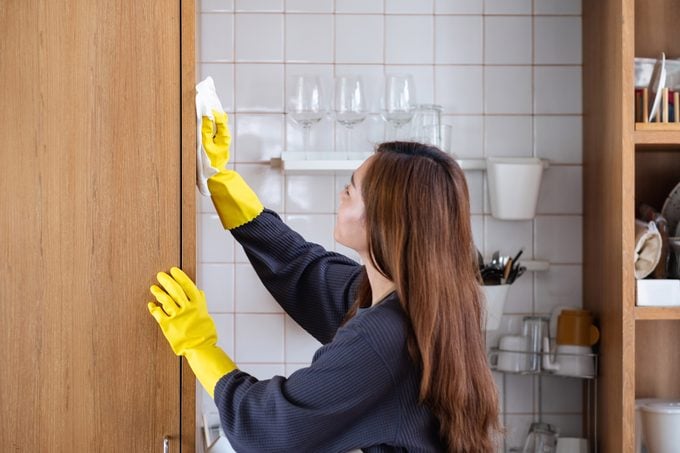
Use a dry cloth to dust the inside and outside of cabinets. Then wipe with a cloth dampened with warm soapy water.
Clean Handles And Knobs
Handles and knobs collect fingerprints and grease. Use a cloth or brush with soap to clean them well.
Dry Thoroughly
Use a dry cloth to remove moisture. Drying helps prevent water damage and mold growth.
Maintain Cleanliness Regularly
| Task | Frequency |
|---|---|
| Wipe cabinet doors | Weekly |
| Clean inside drawers | Monthly |
| Polish handles | Monthly |
| Check for spills | Weekly |

Credit: www.aol.com
Scrub Floors Thoroughly
Keeping your kitchen floors clean is essential for hygiene. Regular scrubbing removes dirt and prevents bacteria growth.
Follow these simple steps to ensure your kitchen floors shine and remain germ-free.
Gather Cleaning Supplies
Before you start, make sure you have all your cleaning materials ready. This will save time and effort.
- Bucket with warm water
- Floor cleaner suitable for your floor type
- Sponge or mop
- Scrubbing brush for tough spots
- Dry towel or mop for drying
Prepare The Floor
Clear the floor of any items or obstacles. This will help you clean more efficiently and effectively.
Mix Cleaning Solution
In the bucket, mix the floor cleaner with warm water according to the instructions on the cleaner’s label.
Scrub The Floors
Use a sponge or mop to apply the cleaning solution to the floor. Scrub gently in circular motions, paying attention to corners and edges.
For stubborn stains, use a scrubbing brush to focus on the area. Apply extra pressure if needed.
Rinse And Dry
Once scrubbing is complete, rinse the floor with clean water to remove any soap residue. Dry the floor with a towel or dry mop.
Inspect The Floor
Look for any missed spots or areas that need more attention. Repeat the scrubbing process if necessary.
Maintain Regular Cleaning
To keep your kitchen floors in top condition, establish a regular cleaning schedule. This will make each cleaning session easier.
| Cleaning Frequency | Recommended Action |
| Daily | Sweep or vacuum |
| Weekly | Mop thoroughly |
| Monthly | Deep scrub |
Maintain Freshness And Organization
Keeping your kitchen fresh and organized makes cooking enjoyable. It also helps in maintaining hygiene. Follow these simple steps to ensure a clean and orderly kitchen.
By following a routine, you can make your kitchen a pleasant place. Let’s explore effective ways to clean your kitchen.
Dispose Of Trash And Recycling
Trash can cause odors and clutter in the kitchen. Dispose of it daily to maintain cleanliness. Separate items for recycling to help the environment.
- Use bins with lids to prevent smells
- Sort recyclables such as paper and plastic
- Empty bins regularly to avoid overflow
Organize Pantry And Storage
An organized pantry saves time and reduces waste. Group similar items together and use clear containers. Label everything for easy access.
- Store grains and cereals in airtight jars
- Place frequently used items at eye level
- Use baskets for smaller snacks
Add Air Fresheners
Air fresheners keep your kitchen smelling nice. Use natural options like lemon or baking soda. They are safe and effective at removing odors.
- Place a bowl of baking soda in the fridge
- Boil lemon slices for a fresh scent
- Use essential oils for a pleasant aroma
Credit: www.rd.com
Frequently Asked Questions
What Are The Essential Steps In Cleaning A Kitchen?
The essential steps include decluttering, wiping surfaces, cleaning appliances, scrubbing sinks, mopping floors, and organizing. Each step ensures a thorough and hygienic kitchen.
How Often Should I Deep Clean My Kitchen?
Deep cleaning your kitchen should be done monthly. This keeps surfaces sanitary and prevents buildup of grease, grime, and bacteria.
What Is The Best Order For Kitchen Cleaning?
Start by decluttering, then dust and wipe surfaces. Clean appliances next, scrub the sink, and finish by mopping floors for efficiency.
Which Cleaning Supplies Are Needed For Kitchen Cleaning?
Use multi-surface cleaners, disinfectants, sponges, microfiber cloths, scrub brushes, and a mop. These supplies help achieve a spotless kitchen.
Conclusion
Cleaning the kitchen becomes simple with these seven clear steps. Each task keeps your space neat and safe. Regular cleaning helps stop germs and smells. A tidy kitchen makes cooking more fun and less stressful. Try to follow these steps often for best results.
Your kitchen will look fresh and inviting every day. Small efforts bring big changes. Keep it clean, keep it happy.

I’m Abby Lu, a passionate home cook who loves simplifying everyday meals. At PlugChef.com, I share product reviews and cooking guides to help you find the best tools for your kitchen.
Related posts:
 What Type of Cooking Utensils are Safe: Expert Picks
 Safest Cooking Utensils: Top Non-Toxic Wooden & Silicone Sets Reviewed
 Best Chef Knife Set for Precision and Durability in Every Kitchen
 How is a Cutting Board Stabilized: Expert Tips for Ultimate Safety
 How to Get Stains Out of Cutting Board: Easy & Effective Tips
 How to Get Smell Out of Wooden Cutting Board: Easy & Effective Tips

