
Imagine opening your kitchen cabinets and being greeted by a clutter-free, organized space where everything is easy to find. Sounds like a dream, right?
But it doesn’t have to be. With just a few simple steps, you can transform your kitchen cabinets into a well-ordered oasis. You’ll no longer waste time searching for that elusive spice jar or pan lid. Instead, you’ll experience the joy and efficiency of a perfectly organized kitchen.
Why struggle with chaos when you can enjoy calm and order? Follow these seven steps to reclaim your kitchen cabinets and make cooking a breeze. Your organized kitchen awaits!

Credit: www.youtube.com
Declutter And Assess
Begin by removing unused items and sorting through what you have. This helps identify essentials and creates more space.
Declutter and Assess Organizing your kitchen cabinets starts with decluttering and assessing what you have. This step is crucial as it sets the stage for a more functional and visually pleasing kitchen. It’s about making space for what truly matters and eliminating what doesn’t.Evaluate Your Items
Open each cabinet and take a good look at what’s inside. Ask yourself: “Do I use this regularly?” If the answer is no, it might be time to let it go. Consider setting aside items that haven’t seen the light of day in months.Sort And Categorize
Create categories for your items. Group similar things together, like pots and pans, baking supplies, or snacks. Sorting helps you see what you have too much of or what might be missing.Decide What To Keep
It’s time to make decisions. Keep items that are functional and frequently used. Donate or recycle those that are broken or rarely touched. Remember, less is more.Think About Accessibility
Consider how often you use each item. Place frequently used items in easy-to-reach spots. Reserve higher shelves or deeper cabinets for seasonal or rarely used items.Visualize Your Ideal Setup
Imagine how you want your kitchen to look and function. Picture a neat and accessible space. This visualization will guide your decluttering decisions and inspire you to maintain the organization.Reflect On Your Habits
Think about your cooking habits and lifestyle. Are there gadgets you bought but never used? Reflecting on your habits can prevent future clutter and help you make mindful purchases.Prepare For The Next Step
Now that you’ve decluttered, you’re ready for the next steps in organizing your kitchen. With a clearer space, you can focus on creating order and efficiency.Categorize Items
Organizing kitchen cabinets can feel like a daunting task, but a little categorization can work wonders. By categorizing items, you can create a more efficient and accessible kitchen space. This process involves some thoughtful sorting and strategic placement to make your kitchen more user-friendly.
Separate By Function
Start by evaluating how you use your kitchen. Think about the different functions your kitchen serves, such as cooking, baking, or storage. By separating items based on their function, you can easily find what you need when preparing meals.
For instance, dedicate one cabinet to baking essentials like flour, sugar, and baking powder, while another can hold all your cooking oils and spices. This way, when you’re in the middle of cooking or baking, everything you need is within arm’s reach. Have you ever found yourself searching for a spice mid-recipe and it just kills the mood?
Group Similar Items
Once items are separated by function, group similar items together within each category. This might mean stacking pots and pans by size or arranging canned goods by type. Keeping like items together reduces the time spent hunting for specific items.
Consider using clear containers or labels for easy identification. Imagine opening your cabinet to find all your pasta neatly stored in labeled jars—it’s a small change that makes a big difference. Have you ever wondered how much time you could save with everything in its place?
By organizing your kitchen cabinets in this way, you not only simplify your cooking process but also make your kitchen a more inviting space. When everything has a designated spot, you can spend more time enjoying the art of cooking and less time searching for that elusive ingredient or tool.
Optimize Storage Space
Organizing your kitchen cabinets effectively can transform not only your cooking experience but also your daily routines. The key to maximizing your kitchen’s potential lies in optimizing storage space. By making the most of every inch, you’ll find that your kitchen becomes a more inviting and efficient space.
Use Vertical Space
Often overlooked, vertical space in cabinets can be a goldmine for extra storage. Install hooks on the inside of cabinet doors to hang measuring spoons or pot lids. Stackable shelves can double your storage area, allowing you to keep more items without clutter.
Consider adding a tension rod to hang spray bottles under the sink or to hold rolls of garbage bags. This not only uses dead space but keeps items easily accessible. By thinking vertically, you create room for items that usually take up valuable counter space.
Incorporate Shelving
Shelving can dramatically change the landscape of your kitchen cabinets. Adjustable shelves give you the flexibility to store items of different heights, making it easier to fit tall bottles or bulky appliances. Adding pull-out shelves can bring items from the back of the cabinet to the front, saving you from digging around.
Consider using wire racks for plates or cutting boards to keep them organized and upright. This approach prevents items from toppling over and makes it simple to grab what you need. What could you achieve if every item in your cabinet had its place?
By taking these steps to optimize your storage space, you set the stage for a kitchen that works for you, not against you. You’ll find cooking more enjoyable and cleanup a breeze, giving you more time to savor the moments that matter. So, what will you rearrange today to make your kitchen truly shine?
Choose The Right Organizers
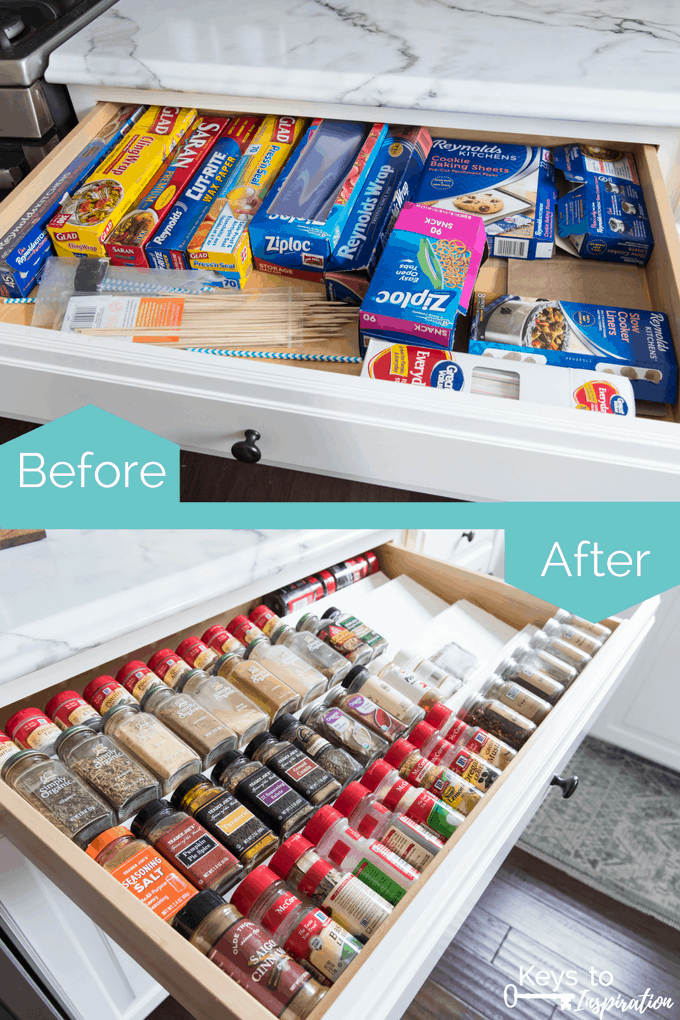
Opt for organizers that suit your kitchen needs and space. Consider shelf risers for stacked items and drawer dividers for utensils. Adjustable racks can help store pans efficiently.
Choosing the right organizers for your kitchen cabinets can transform chaos into harmony. The right tools not only maximize your space but also make daily tasks more efficient. Imagine reaching for a spatula without having to rummage through a cluttered drawer. Organizers are not just about aesthetics; they’re about creating a functional space that works for you.Drawer Dividers
Drawer dividers can be a game-changer for your kitchen. They help you separate and categorize utensils, making it easy to find what you need in a snap. Imagine opening a drawer and seeing everything neatly in place, from spoons to spatulas. You can adjust them to fit the specific dimensions of your drawers, ensuring a perfect fit. Consider the materials, too. Plastic dividers are budget-friendly and easy to clean, while bamboo offers a more eco-friendly and stylish option. You might even find adjustable dividers that can change as your needs evolve. Do you want a drawer that looks like a professional chef’s? Dividers might be your new best friend.Pull-out Trays
Pull-out trays are a brilliant solution for deep cabinets where items often get lost at the back. They bring items to you, eliminating the need to bend down or reach far into the cabinet. Think about how much easier it would be to access that heavy mixer or stack of pans. Installing pull-out trays can be a weekend DIY project or a task for a professional, depending on your comfort level. They come in various materials and finishes, allowing you to match them with your kitchen’s aesthetic. Are you tired of forgetting what’s in the back of your cabinets? Pull-out trays can help keep everything visible and accessible. Choosing the right organizers is about making your kitchen work for you. With drawer dividers and pull-out trays, you can create a space that feels open and inviting. What will you organize first?Strategic Item Placement
Strategic item placement simplifies kitchen tasks and enhances efficiency. Group similar items together and store frequently used items within easy reach. This organization technique maximizes space and minimizes time spent searching for essentials.
Strategic item placement in kitchen cabinets makes cooking easier. It’s about knowing what you need and where. A well-organized kitchen saves time and reduces stress. It also helps keep your space tidy and efficient. Let’s explore how to place items strategically in your kitchen cabinets.Frequently Used Items
Place frequently used items within easy reach. Think about your daily routine. Keep mugs near the coffee maker. Store pots and pans near the stove. Place plates and glasses in the cabinet closest to the dishwasher. This reduces time spent searching for what you need. It also keeps your kitchen flow smooth.Seasonal And Rarely Used Items
Store seasonal items on higher shelves. Think of holiday dishes or special cookware. You don’t need these every day. Place them out of the way but still accessible. Rarely used items can go in the back of cabinets. This way, your everyday items are in front. Keep your kitchen functional and clutter-free.Labeling And Inventory
Efficient labeling and inventory management can transform kitchen cabinets. Organize spices, canned goods, and utensils with clear labels. Regularly update inventory lists to track items and prevent overstocking.
Organizing your kitchen cabinets can feel like a daunting task, but with the right strategies, it becomes manageable and even enjoyable. One of the most effective ways to streamline this process is through labeling and maintaining an inventory. Not only does this create a more efficient kitchen space, but it also saves you time and reduces frustration when searching for ingredients or cookware. Let’s dive into how you can transform your kitchen with these steps.Labeling Techniques
Labels are your kitchen’s best friend. Start by identifying the items you use most frequently and label their storage spots accordingly. Use clear, legible fonts that you can easily read at a glance. Consider using different colors for various categories, like blue for baking supplies and red for spices. This visual cue can help you spot what you need quickly. You can also try using chalkboard labels if you like to switch things around often. They allow you to erase and rewrite as needed, offering flexibility for evolving kitchen needs.Maintain An Inventory
Keeping an inventory of your kitchen items might sound tedious, but it can actually save you from overbuying or running out of essentials. Create a simple list or spreadsheet on your phone or computer to track your pantry and fridge staples. Update it regularly, ideally after each grocery trip. Try taking a quick photo of your pantry or fridge before shopping. This helps jog your memory and ensures you purchase only what you need, cutting down on food waste and saving money. How often have you found expired items hidden at the back of a cabinet? An inventory helps prevent this by keeping you aware of what you already have. By labeling and maintaining an inventory, you’re not just organizing your kitchen; you’re creating a more efficient and enjoyable cooking space. What labeling techniques or inventory methods have you found most effective in your kitchen?Regular Maintenance
Regular maintenance is crucial for keeping your kitchen cabinets tidy and functional. It ensures that your kitchen remains a pleasant space to cook and gather. By dedicating a little time each week and month, you can avoid the chaos of clutter and maintain the order you’ve worked hard to create.
Weekly Clean-up
Make it a habit to do a quick weekly clean-up. Spend just 15 minutes each week to wipe down surfaces and reorganize anything that’s out of place. This small investment of time prevents the buildup of crumbs and sticky spots, keeping your cabinets looking fresh.
Consider setting a timer to stay focused. You might be surprised at how much you can accomplish in such a short span. Ask yourself: is there a particular area that seems to always get messy? Focus your efforts there each week.
Monthly Check-in
Every month, dedicate a bit more time to a thorough check-in. Go through each cabinet and evaluate its contents. Do you still need everything in there?
- Remove expired items and donate what you no longer use.
- Rearrange items if necessary to improve accessibility.
Think of it as a chance to refresh and renew your space. This routine not only keeps your kitchen organized but also helps in making meal prep easier. Are there gadgets you haven’t used in months? It might be time to find them a new home.
Credit: www.christeneholderhome.com

Credit: food52.com
Frequently Asked Questions
What Is The Correct Way To Organize Kitchen Cabinets?
Organize kitchen cabinets by grouping items based on use. Place frequently used items at the front. Store heavy pots below waist level. Keep similar items together for easy access. Use dividers and shelves for efficient storage. Label containers to quickly find ingredients.
How Do I Decide Where To Put Things In My Kitchen?
Organize your kitchen by grouping items based on use. Keep frequently used items within easy reach. Store pots and pans near the stove, and place utensils close to prep areas. Use vertical space for storage and label containers for easy identification.
Ensure accessibility and functionality to enhance efficiency.
What Are The 9th Steps In Organizing Kitchen Cabinets?
1. Declutter and remove unused items. 2. Categorize kitchenware. 3. Use drawer organizers. 4. Place frequently used items upfront. 5. Utilize vertical space. 6. Label containers. 7. Group similar items. 8. Store heavier items on lower shelves. 9. Regularly review and maintain organization.
How To Set Kitchen Cabinets Step By Step?
1. Measure and mark cabinet positions on the wall. 2. Find and mark studs. 3. Install upper cabinets first using screws. 4. Align and level lower cabinets, then secure them. 5. Attach doors, handles, and any additional hardware.
Conclusion
Organizing kitchen cabinets can simplify daily tasks. A neat space saves time. It also reduces stress. Follow these steps to keep cabinets tidy. Start with a plan. Sort items by category. Use clear bins for easy access. Label containers for quick identification.
Maximize space with shelf risers. Regularly review and declutter. Consistency is key to maintaining order. Enjoy a functional and pleasant kitchen. A little effort creates a big difference. Apply these tips for a more organized kitchen today. Happy organizing!

Hi, I’m Daniel Brooks—a food lover and kitchen gear enthusiast. I enjoy testing cookware, utensils, and gadgets to see what really works in everyday cooking. At PlugChef.com, I share honest reviews, comparisons, and simple guides to help you choose the best tools for a safer, smarter, and more enjoyable kitchen.
Related posts:
 What Type of Cooking Utensils are Safe: Expert Picks
 What Innovations Could Blenders Make: Unleashing Future Tech
 Smart Strategies to Organize a Small Kitchen: Maximize Space
 How to Organize a Kitchen Cabinet: Expert Tips & Tricks
 How to Organize Kitchen Drawers: Expert Tips and Tricks
 How to Organize a Corner Kitchen Cupboard: Expert Tips