

Are you tired of rummaging through the chaos of your kitchen junk drawer every time you need a rubber band or a spare battery? You’re not alone.
The kitchen junk drawer, a notorious catch-all for miscellaneous items, often morphs into a cluttered abyss. But it doesn’t have to be this way. Imagine opening that drawer and instantly finding exactly what you need. Sounds like a dream, right?
Well, it’s completely achievable. With just a few simple tips, you can transform that cluttered space into an organized haven. Curious to know how? Stick with us as we reveal six practical tips that will make your kitchen junk drawer a model of efficiency and order. Get ready to reclaim your space and your peace of mind!

Credit: thistlewoodfarms.com
Declutter First
Every kitchen has that one drawer. The one where miscellaneous items pile up. It’s the infamous junk drawer. Before you can organize it, decluttering is key. This step sets the foundation for an organized space. A clutter-free drawer simplifies your daily routine.
Remove Everything
Start by emptying the drawer completely. Spread the items on a table. This helps you see all the contents clearly. You’ll be surprised at what you find.
Sort Items Into Categories
Group similar items together. Pens with pens, rubber bands with rubber bands. This makes it easier to decide what to keep. Categories help streamline the sorting process.
Decide What To Keep
Ask yourself if you really need each item. If not, it’s time to let it go. Keep only what you use regularly. This reduces clutter and saves space.
Dispose Of Unnecessary Items
Throw away broken or expired items. Donate or recycle what you can. Be honest about what you will use. This clears space for important items.
Clean The Empty Drawer
Wipe down the drawer interior. Use a damp cloth or cleaning spray. A clean drawer feels fresh and inviting. It’s ready for a new, organized start.
Assess Drawer Needs
Think about what the drawer should hold. Make a list of essential items. This step ensures the drawer serves its purpose. It’s all about functionality.
Credit: www.walmart.com
Categorize Items
The kitchen junk drawer often turns into a clutter zone. Items pile up without any order. Organizing this space can seem daunting, but categorizing items makes a huge difference. Sorting everything into categories helps you find things faster. It also reduces stress in your daily routine. Below are some practical tips to categorize items effectively.
Sort By Function
Group items based on their purpose. Place all writing tools together. This includes pens, pencils, and markers. Gather all small tools like screwdrivers and tape measures. This way, you know where to find each type of item.
Use Containers
Small containers help keep things organized. Use them to separate categories. For example, store paper clips and rubber bands in separate boxes. This prevents items from mixing up. It also keeps the drawer neat.
Label containers clearly. This helps everyone know where items belong. Use simple labels like “office supplies” or “tools.” Labels make it easy to maintain order. They also help you identify items quickly.
Discard Unnecessary Items
Regularly go through the drawer. Remove items you don’t need. This includes broken or duplicate items. Keeping only essentials helps maintain space. It also makes the drawer more functional.
Assign A Drawer Divider
Use dividers to separate sections in the drawer. These help categorize items further. A divided drawer is easier to manage. It also keeps things from shifting around.
Consider Frequency Of Use
Place frequently used items at the front. Keep less-used items at the back. This makes everyday access convenient. It also helps keep the drawer organized in the long term.
Use Dividers
If your kitchen junk drawer feels like an abyss of chaos, using dividers is a game-changer. Dividers transform messy spaces into organized havens. They bring clarity to clutter, making it easier to find what you need.
Divide And Conquer
Think of dividers as your trusty sidekick in the battle against clutter. When I first used them, I was amazed at how much easier it was to find things. Instead of rummaging through a tangled mess, I could quickly grab what I needed.
Tailor To Your Needs
Not all dividers are created equal. Some people might prefer adjustable ones for flexibility. Others might find joy in custom-cut ones that fit perfectly. It’s all about finding the right match for your drawer and your items.
Create Specific Zones
Use dividers to create specific zones within your drawer. Have one section for batteries, another for pens, and maybe a small spot for those random screws that always seem to appear. This approach keeps everything in its rightful place.
Keep It Simple
Don’t overthink it. Sometimes, the simplest dividers work wonders. Egg cartons or small boxes can be perfect for smaller items. Reusing materials you already have can be both budget-friendly and eco-friendly.
Regular Check-ins
Setting up dividers is just the start. Regular check-ins ensure your system stays efficient. Ask yourself: Is everything in its place? Are the dividers still serving their purpose? Adjust as needed.
Are You Ready To Transform?
Using dividers can be a fun experiment. Which items will be easier to find? How much time will you save? The transformation might surprise you. Dive in and see the difference a little organization can make.
Label Everything
Label Everything helps keep the kitchen junk drawer tidy. Clear labels make finding items easier. Group similar things together.
When it comes to organizing your kitchen junk drawer, labeling everything can be a game changer. Imagine opening your drawer and immediately finding what you need without rummaging through piles of random items. Labeling transforms chaos into order, making your daily routine smoother and more enjoyable. Let’s dive into the details of how labeling can make your junk drawer a model of efficiency.Why Labeling Matters
Labels provide clarity in a cluttered space. They let you know exactly where each item belongs and where to return it after use. This simple step can save you time and reduce frustration.Choosing The Right Labels
Select labels that are durable and easy to read. Consider using a label maker for a professional look, or write with a permanent marker on masking tape for a budget-friendly option. Whatever method you choose, ensure the text is legible.Creative Labeling Techniques
Think beyond traditional labels. Use color-coded stickers to categorize items or try chalkboard labels for a customizable option. This approach adds a touch of creativity while keeping things organized.Organizing By Categories
Decide on categories for your drawer items, like ‘batteries’, ‘tools’, or ‘stationery’. Place items in small bins or dividers and label each section. This method not only organizes but also prevents mixing different items.Keeping Labels Updated
Your drawer’s contents might change over time. Make it a habit to update labels when you add or remove items. This ensures your organization system remains effective.Involving The Family
Encourage your family to participate in the labeling process. Explain the importance of keeping the system intact for everyone’s benefit. This involvement helps maintain order and teaches organizational skills. Labeling everything in your kitchen junk drawer is more than just a tidying task—it’s a shift towards a more organized lifestyle. Have you ever considered how much time you could save with a well-labeled drawer? Why not start today and experience the benefits yourself?Incorporate Containers
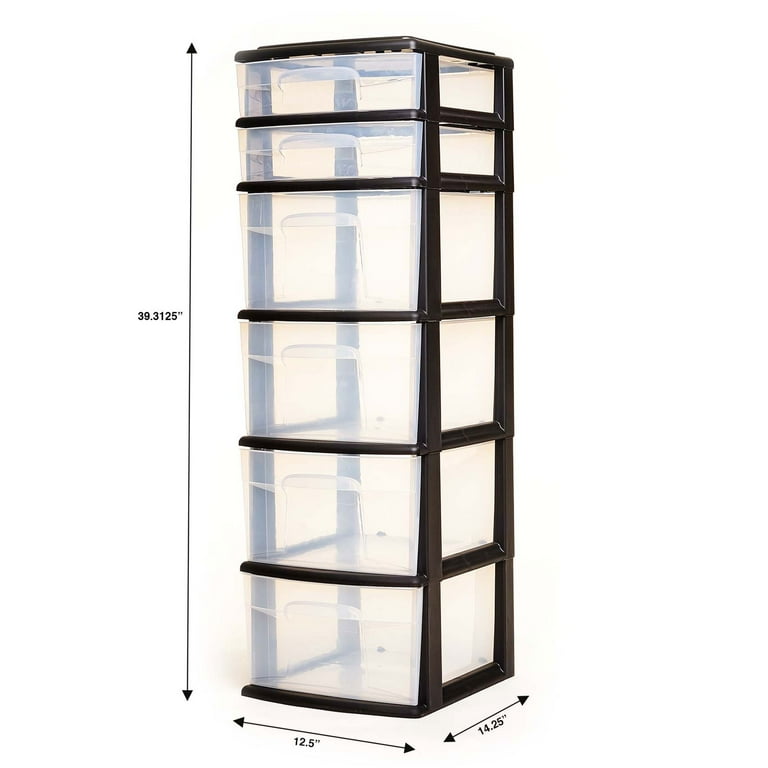
Containers help tidy up your kitchen junk drawer effortlessly. They create separate spaces for items like batteries, pens, and paper clips, making finding things easier. Keep clutter under control with the perfect container size for each item.
Tired of rummaging through a chaotic kitchen junk drawer just to find a stray battery or that elusive roll of tape? You’re not alone! Many people struggle with organizing this notorious drawer. But there’s a simple solution to bring order: adding containers. By using containers, you can compartmentalize your junk drawer, making it easier to find items quickly and efficiently. Let’s dive into some practical tips to get you started.Choose The Right Containers
Selecting the perfect containers is crucial. Think about the size and shape of your drawer. Use small bins for paperclips or elastic bands. Larger containers work well for bulkier items like scissors or tape. Remember, you don’t need fancy organizers. Repurpose old boxes or even use muffin tins for smaller bits.Group Similar Items Together
Grouping similar items in containers can save you time. Imagine reaching for a pen and finding one immediately because you’ve grouped all writing tools together. Keep batteries separate from office supplies, and dedicate a section for miscellaneous items. This strategy not only prevents clutter but ensures easy access.Label Your Containers
Labels make a world of difference. They guide you to the right container without hesitation. Use sticky notes or label makers for a tidy finish. You’ll be surprised how quickly a labeled drawer becomes second nature. Plus, it prevents others from mixing things up.Use Adjustable Dividers
Adjustable dividers offer flexibility. They allow you to change the drawer’s layout as needed. This is particularly useful if your items vary in size. Dividers can be moved around, adapting to your evolving storage needs. It’s like having a custom drawer that evolves with your requirements.Keep Essentials Accessible
Place frequently used items at the front. Imagine needing a flashlight in an emergency and fumbling through the drawer to find it. Keep essentials like flashlights, scissors, and tape within easy reach. This minimizes frustration and saves precious time when you need something urgently.Regularly Declutter
Commit to a regular decluttering schedule. Ask yourself: Do I really need this? It’s easy to accumulate random items over time. Set a reminder to check your drawer monthly. Remove items you no longer use or need, keeping your space organized and efficient. As you organize, think about the impact it’ll have on your daily life. An organized junk drawer means less stress and more time for what truly matters. With these tips, your kitchen junk drawer can transform into a functional space rather than a cluttered abyss. What’s stopping you from making that change today?Schedule Regular Maintenance
Keeping a kitchen junk drawer neat isn’t a one-time task. Regular maintenance ensures it stays organized. It prevents clutter from building up again. Setting aside time for upkeep can make a big difference.
Creating a maintenance routine doesn’t have to be time-consuming. With a few simple steps, you can keep your drawer in top shape. Regular checks help you stay on top of things. This way, you can always find what you need quickly.
Set A Reminder
Set a monthly reminder for junk drawer maintenance. Use a calendar or phone alert. This helps you remember to tidy up regularly. Consistent reminders keep the task from being forgotten.
Quick Clean-up Sessions
Spend five minutes each month cleaning the drawer. Remove items you no longer need. This short session keeps clutter from building up. A quick clean ensures everything stays in place.
Review And Reassess
Take time to review the contents. Check for expired or broken items. Reassessing helps you decide what’s essential. Keep only what you need and use.
Rotate Seasonal Items
Swap out items based on the season. Keep seasonal tools and gadgets handy. Rotating items ensures easy access when needed. It also reduces unnecessary clutter.
Involve The Family
Make maintenance a family task. Everyone can help tidy up the drawer. Involving others makes the job faster and easier. Plus, it teaches everyone to keep things organized.
Celebrate Small Wins
Celebrate each successful clean-up. Enjoy the sense of accomplishment. Recognizing small wins keeps motivation high. It reminds you why regular maintenance is important.

Credit: artofdrawers.com
Frequently Asked Questions
How To Organize A Kitchen Junk Drawer?
Empty the drawer and sort items by category. Use dividers to separate sections for easy access. Regularly declutter and remove unnecessary items. Label sections to maintain organization. Keep frequently used items at the front for convenience.
What Is The One Item Every Junk Drawer Must Have To Be A Real Junk Drawer?
Every junk drawer needs rubber bands. They’re versatile, organizing small items or bundling things together. Perfect for chaotic spaces!
What To Put In Each Drawer In The Kitchen?
Organize utensils in top drawers for easy access. Store pots and pans in lower drawers. Place baking sheets and cutting boards in wider, shallow drawers. Keep spices and condiments in small, middle drawers. Reserve one drawer for miscellaneous items like kitchen towels and measuring cups.
What To Do With A Junk Drawer?
Sort items by category. Discard unnecessary things. Use organizers for small items. Label sections for easy access. Regularly clean and declutter.
Conclusion
Organizing your kitchen junk drawer can feel rewarding. Less clutter means less stress. Follow these tips for a tidy space. Sort items into categories. Use small containers for better organization. Label each section clearly. Regularly clean to maintain order. A tidy junk drawer saves time and effort.
You’ll find things easily when needed. Enjoy a more efficient kitchen. Happy organizing!

I’m Abby Lu, a passionate home cook who loves simplifying everyday meals. At PlugChef.com, I share product reviews and cooking guides to help you find the best tools for your kitchen.
Related posts:
 What Type of Cooking Utensils are Safe: Expert Picks
 What Innovations Could Blenders Make: Unleashing Future Tech
 Smart Strategies to Organize a Small Kitchen: Maximize Space
 How to Organize a Kitchen Cabinet: Expert Tips & Tricks
 How to Organize Kitchen Drawers: Expert Tips and Tricks
 How to Organize a Corner Kitchen Cupboard: Expert Tips

