

When it comes to handling emergencies, being prepared can make all the difference. Your 24 Unit First Aid Kit is more than just a box of supplies—it’s your first line of defense when accidents happen.
But how do you know if you have everything you need inside? This checklist will guide you step-by-step to ensure your kit is complete, organized, and ready for any situation. Keep reading, and take control of your safety with confidence.

Credit: www.amazon.com
Essential First Aid Kit Contents
A well-stocked first aid kit is vital for any emergency. It helps treat minor injuries quickly and prevents infections. Knowing the essential contents ensures you are prepared for most situations. This checklist covers the most important items to include in a 24 unit first aid kit.
Bandages And Dressings
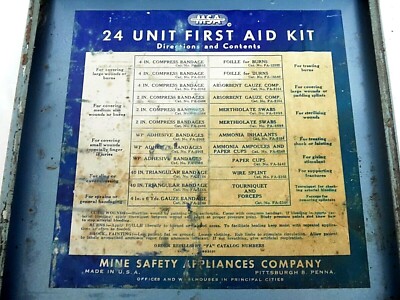
Bandages and dressings protect wounds and control bleeding. They keep dirt and germs away from cuts and scrapes. Include these basics:
- Adhesive bandages in various sizes
- Sterile gauze pads
- Roller bandages
- Adhesive tape
- Elastic bandages for sprains
Antiseptics And Cleaning Supplies
Cleaning supplies stop infections by removing dirt and bacteria. Antiseptics help kill germs on wounds and skin. Make sure your kit has:
- Antiseptic wipes
- Hydrogen peroxide or alcohol swabs
- Antibacterial solution
- Cotton balls or swabs
- Disposable gloves
Medications And Ointments
Medications and ointments relieve pain and protect wounds. They aid faster healing and reduce discomfort. Essential items include:
- Pain relievers like ibuprofen or acetaminophen
- Antibiotic ointment
- Burn cream
- Anti-itch cream
- Oral antihistamines for allergic reactions

Credit: www.macgill.com
Emergency Tools And Devices
Emergency tools and devices are vital parts of any first aid kit. They help you handle unexpected situations quickly. These tools support basic care and make treatment easier. Having the right devices can save time and reduce harm.
Scissors And Tweezers
Scissors cut bandages, tape, and clothing fast. Choose scissors with a blunt tip for safety. Tweezers remove small objects like splinters or glass. They help clean wounds carefully. Both tools must be clean and strong.
Thermometer And Glucose Meter
A thermometer checks body temperature quickly. It helps detect fever or infection. A glucose meter measures blood sugar levels. It is essential for people with diabetes. Both devices give important health information fast.
Flashlight And Batteries
A flashlight shines light in dark or low-light places. It helps you see injuries clearly. Always keep extra batteries ready. Test the flashlight regularly to ensure it works. Bright light improves safety and accuracy.
Safety Gear And Equipment
Safety gear and equipment are the backbone of any effective first aid kit. They protect both you and the injured person from infections and further harm. Having the right items ready can make a critical difference in emergency situations.
Disposable Gloves
Disposable gloves are essential to keep you safe from bloodborne pathogens and other contaminants. They create a barrier that prevents germs from passing between you and the injured person. Always choose gloves that fit well and are made from materials you’re not allergic to, such as nitrile or latex-free options.
Think about a time when you had to help someone with a deep cut—without gloves, you risked infection or contamination. Keeping several pairs in your kit ensures you can change gloves if they tear or become contaminated.
Face Masks And Eye Protection
Face masks shield your mouth and nose from airborne pathogens, while eye protection guards against splashes of blood or bodily fluids. These items are critical when treating injuries that may involve coughing, sneezing, or bleeding.
Have you ever considered how vulnerable your face is during first aid? Adding disposable masks and safety goggles or face shields to your kit helps you maintain a safe barrier, reducing the chance of disease transmission.
Cpr Mask And Barrier
A CPR mask or barrier device is vital for performing mouth-to-mouth resuscitation safely. It prevents direct contact with the victim’s mouth, reducing the risk of disease spread while allowing you to provide effective breaths.
Carrying a CPR mask shows you are prepared to act confidently in life-threatening situations. Would you hesitate to help someone because you lack the right protective equipment? This small item can make you feel more secure and ready to respond.
Instructional Guides And Resources
Instructional guides and resources are essential parts of any first aid kit. They help users act quickly and correctly during emergencies. Clear instructions reduce confusion and increase confidence. These guides ensure proper use of first aid supplies and improve response outcomes.
Including easy-to-read materials is crucial. They provide step-by-step help for common injuries and conditions. Knowing what to do can save lives and prevent worsening situations.
First Aid Manual
A first aid manual offers detailed instructions for treating injuries. It covers wounds, burns, fractures, and choking. The manual uses simple language and pictures for better understanding. It guides users through safety measures and basic care procedures. Having a manual in your kit makes first aid accessible to everyone.
Emergency Contact Information
Emergency contacts list important phone numbers and addresses. This includes local hospitals, ambulances, and poison control centers. It also contains family doctor numbers and nearby emergency services. Quick access to contacts speeds up getting professional help. Keep this information updated and easy to find in the kit.
Poison Control Guide
A poison control guide helps identify and respond to poisoning cases. It explains symptoms of common poisons and what actions to take. The guide advises on when to call emergency services immediately. It includes tips on preventing poison exposure at home or outdoors. This guide is vital for fast and safe treatment of poisoning emergencies.
Specialized Medical Supplies
Specialized medical supplies enhance the effectiveness of any first aid kit. These items address specific injuries beyond basic cuts and scrapes. Including them ensures readiness for unique emergencies. They support quick treatment and reduce discomfort.
Splints And Supports
Splints keep injured limbs stable. They prevent movement that might worsen injuries. Supports like elastic bandages offer compression and reduce swelling. These tools help manage fractures, sprains, and strains safely.
Cold Packs And Heat Pads
Cold packs reduce swelling and numb pain after injuries. They are essential for sprains, bruises, and inflammation. Heat pads relax muscles and improve blood flow. Use heat for stiffness and muscle aches. Both provide fast relief and aid healing.
Burn Relief And Creams
Burn relief creams soothe pain and protect damaged skin. They prevent infection and promote faster healing. Aloe vera gel is a popular natural option. Specialized burn dressings help cover wounds carefully. These supplies are vital for treating burns effectively.
Credit: www.ebay.com
Kit Maintenance And Storage
Keeping your 24 Unit First Aid Kit in top shape is crucial for emergencies. Neglecting maintenance or improper storage can render vital supplies useless when you need them most. Let’s look at simple steps you can take to ensure your kit is always ready to perform.
Regular Inventory Checks
Check your first aid kit at least once every three months. Look for items that are used, missing, or expired. Make a checklist with all the contents and mark off what you have to avoid surprises.
During one check, I found that my adhesive bandages had dried out and some ointments were past their expiration date. Catching these early means you can replace them before an emergency happens. Have you ever opened a kit only to find it missing something important?
Proper Storage Conditions
Store your first aid kit in a cool, dry place away from direct sunlight. High temperatures or moisture can damage medications and supplies. Avoid places like bathrooms or near heaters where humidity and heat fluctuate.
Keep the kit easily accessible but out of reach of children if you have young ones. Clear labeling on the outside helps anyone find it quickly. Think about where you spend most of your time and choose a spot that fits your lifestyle and emergency needs.
Replacement Schedule
Set reminders to replace time-sensitive items like medications, antiseptic wipes, and creams every 6 to 12 months. Even if unused, some supplies lose effectiveness over time. Check expiration dates and toss anything that’s outdated.
Don’t forget to replenish consumables like gloves, bandages, and tape immediately after use. Having a small backup stock stored separately can save you a last-minute trip to the store. How often do you review your kit’s contents to keep it fully stocked?
Frequently Asked Questions
What Items Are Essential In A 24 Unit First Aid Kit?
A 24 unit first aid kit should include bandages, antiseptic wipes, adhesive tape, scissors, gloves, and pain relievers. These items help treat minor injuries quickly and effectively, ensuring basic medical needs are met during emergencies.
How Often Should I Check My First Aid Kit Supplies?
Check your first aid kit every six months to ensure all items are present and unexpired. Replace used or outdated supplies promptly for maximum effectiveness in emergencies.
Can A 24 Unit First Aid Kit Handle Major Emergencies?
A 24 unit first aid kit is designed for minor injuries and basic care. For major emergencies, additional medical equipment and professional help are necessary. It’s a good starter kit for everyday safety.
Where Should I Keep My 24 Unit First Aid Kit?
Store your first aid kit in a cool, dry, and easily accessible place. Common spots include the kitchen, car, office, or any location where quick access might be needed.
Conclusion
A well-stocked 24 unit first aid kit saves time and worry. Keep it ready for small cuts, burns, or injuries. Check supplies often and replace what you use. Knowing what to include helps you act fast and calm. Safety starts with simple steps like a good first aid kit.
Stay prepared, stay safe every day.

I’m Abby Lu, a passionate home cook who loves simplifying everyday meals. At PlugChef.com, I share product reviews and cooking guides to help you find the best tools for your kitchen.
Related posts:
 What Type of Cooking Utensils are Safe: Expert Picks
 What Innovations Could Blenders Make: Unleashing Future Tech
 Smart Strategies to Organize a Small Kitchen: Maximize Space
 How to Organize a Kitchen Cabinet: Expert Tips & Tricks
 How to Organize Kitchen Drawers: Expert Tips and Tricks
 How to Organize a Corner Kitchen Cupboard: Expert Tips

