
Are you looking for a quick and easy way to cook frozen salmon in your oven without sacrificing taste or texture? You’re in the right place.
Cooking salmon straight from the freezer can seem tricky, but with the right steps, you can enjoy a delicious, flaky meal in no time. This guide will show you simple tips to get perfectly cooked salmon every time—no thawing needed.
Keep reading, and you’ll discover how to make your next dinner both effortless and impressive.

Benefits Of Cooking Frozen Salmon
Cooking frozen salmon in the oven offers several surprising benefits that can make your meal prep easier and more efficient. Skipping the thawing step saves you time without sacrificing flavor or texture. Plus, it gives you a chance to enjoy fresh-tasting salmon even when you haven’t planned ahead.
Convenience And Time-saving
One of the biggest advantages of cooking salmon from frozen is how quickly you can get dinner on the table. No need to plan hours in advance or wait for the fish to thaw in the fridge. Simply season and pop it into the oven, and you’re on your way.
Have you ever found yourself hungry but without thawed fish? Cooking frozen salmon solves that problem instantly.
Maintains Freshness And Nutrients
Frozen salmon is often flash-frozen immediately after being caught, locking in nutrients and freshness. Cooking it directly from frozen helps preserve those benefits better than thawing and refreezing might.
This method keeps the salmon’s natural oils intact, which means you get a more flavorful and healthy meal every time.
Less Risk Of Bacterial Growth
Thawing fish improperly can increase the risk of bacterial growth. By cooking salmon straight from frozen, you eliminate this concern and reduce food safety risks.
It’s a practical choice if you want to keep your kitchen safe and your food fresh without extra hassle.
Flexible Portion Control
Frozen salmon allows you to cook exactly the portion you need without worrying about leftovers. You can take out a single fillet or multiple pieces and cook them all evenly.
This flexibility means less food waste and more control over your meals, especially if you’re cooking for one or two people.

Credit: www.mediterraneandietmealplans.com
Choosing The Right Salmon
Choosing the right salmon is crucial to getting a delicious, flaky result when cooking frozen salmon in the oven. Not all salmon freezes or cooks the same way, so knowing what to look for can save you time and disappointment. Let’s break down the types of salmon suitable for freezing and the key quality indicators to watch for.
Types Of Salmon For Freezing
Not every salmon variety holds up well in the freezer. Wild-caught salmon, like sockeye or king salmon, tends to have a firmer texture that freezes nicely without becoming mushy after cooking.
Farmed salmon usually has more fat, which can make it more forgiving if frozen, but the texture might be softer. If you want a balance between flavor and texture, consider coho salmon.
- Sockeye:Rich in color and flavor, freezes well.
- King (Chinook):Large, fatty, great for baking.
- Coho:Medium fat, versatile for various cooking methods.
- Atlantic (farmed):More fat, softer texture.
Ask yourself: Which type will best match your taste preferences and cooking style?
Quality Indicators
Frozen salmon can vary greatly in quality, so you need to know the signs of freshness before freezing or buying it frozen. Clear, bright eyes and firm flesh are good signs if buying fresh to freeze yourself.
When purchasing frozen salmon, look for packaging without frost or ice crystals. Excess frost means it may have thawed and refrozen, which harms texture and taste.
| Quality Indicator | What to Look For | Why It Matters |
|---|---|---|
| Color | Vibrant pink to reddish-orange | Duller colors can indicate old or poor-quality fish |
| Smell | Fresh, mild ocean scent | A strong fishy odor suggests spoilage |
| Packaging | Vacuum-sealed, no ice buildup | Prevents freezer burn and maintains moisture |
Have you ever cooked salmon only to find it dry or flavorless? Often, that’s due to poor freezing or low-quality fish. Choosing salmon carefully sets you up for success from the start.
Preparing Frozen Salmon For Oven
Frozen salmon cooks well in the oven without thawing first. Simply season and place it on a baking sheet. This method saves time and keeps the fish moist and tender.
Preparing frozen salmon for the oven can be an art form that transforms a simple meal into a gourmet experience. Whether you’re a seasoned chef or a home cook, understanding the nuances of preparing frozen salmon can elevate your dish. Let’s explore the essential steps to ensure your salmon is perfectly cooked and flavorful.
Thawing Vs Cooking Directly
Should you thaw your salmon first, or can you pop it straight in the oven? Both methods have their merits. Thawing ensures even cooking and allows you to infuse flavors more deeply. It also gives you a chance to inspect the fish for any imperfections. On the other hand, cooking directly from frozen is a time-saver and can result in a slightly firmer texture. If you’re pressed for time, this could be your go-to method. Whichever you choose, ensure your salmon reaches an internal temperature of 145°F for safe consumption.
Seasoning And Marinades
Seasoning is where you can get creative. A simple salt and pepper rub can bring out the natural flavors of the salmon. Or, you might opt for a zesty lemon and dill mix to add a fresh, tangy kick. Marinades offer a different flavor profile altogether. A soy sauce and honey marinade can provide a sweet and savory glaze that caramelizes beautifully in the oven. Let your salmon sit in the marinade for at least 15 minutes if you’ve thawed it. Do you have a favorite seasoning or marinade? Experiment with different herbs and spices to find your perfect match. The key is to balance flavors without overwhelming the natural taste of the salmon.
Oven Settings And Temperature
Setting the right oven temperature is key to cooking frozen salmon perfectly. The correct heat ensures the fish cooks evenly and stays moist. The oven must be hot enough to cook through but not so hot that the fish dries out.
Choosing the right oven mode can also affect cooking time and texture. Different ovens circulate heat differently, which changes how the salmon cooks. Understanding these differences helps achieve the best results.
Ideal Temperature Range
Set the oven between 375°F and 425°F (190°C to 220°C). This range cooks the salmon gently and thoroughly. Lower temperatures may dry the fish. Higher temperatures can burn the outside before the inside cooks.
Cooking at 400°F (204°C) often gives a good balance. It heats the fish quickly while locking in moisture. For thicker fillets, use the higher end of the range to ensure even cooking.
Using Convection Vs Conventional Oven
Convection ovens have a fan that circulates hot air. This speeds cooking and cooks food evenly. Use convection mode at 375°F (190°C) to avoid overcooking. The fan helps crisp the outside while keeping the inside tender.
Conventional ovens cook with still air. They take longer to cook salmon. Set the temperature closer to 400°F (204°C) to make up for slower heat transfer. Rotate the fish halfway through cooking for even heat.
Step-by-step Cooking Process
Cooking frozen salmon in the oven is simple and quick. Follow clear steps to get moist and tasty fish every time. This guide helps you cook frozen salmon safely without thawing it first. The oven does all the work while you prepare other dishes.
Preheating The Oven
Start by setting your oven to 425°F (220°C). A hot oven seals in the salmon’s juices. Preheating takes about 10-15 minutes. Make sure the oven reaches the right temperature before placing the fish inside.
Cooking Time Guidelines
Place the frozen salmon on a baking sheet lined with parchment paper. Cooking time depends on the thickness of the fillets. Usually, it takes 20-25 minutes for 1-inch thick pieces. Thicker fillets may need up to 30 minutes. Avoid opening the oven door too often to keep the heat steady.
Checking For Doneness
Check the salmon’s color and texture to know if it’s done. The flesh should be opaque and flake easily with a fork. The internal temperature should reach 145°F (63°C) for safe eating. If the salmon looks raw or feels firm, cook it a few minutes longer.
Tips For Enhancing Flavor
Enhancing the flavor of frozen salmon cooked in the oven makes a simple meal much more enjoyable. Small additions can bring out the natural taste of the fish. These tips will help you create a delicious and aromatic dish every time.
Using Herbs And Spices
Herbs and spices add fresh, vibrant flavors to salmon. Try rosemary, dill, or thyme for a classic touch. Paprika and garlic powder give a smoky, savory note. Sprinkle these over the salmon before baking for a tasty crust.
- Fresh herbs work best but dried herbs are fine too.
- Use salt and pepper to balance the flavors.
- Rub spices gently into the fish for better absorption.
Adding Citrus And Butter
Citrus brightens the rich taste of salmon. Lemon or lime slices placed on top add zest and moisture. Butter melts during cooking, keeping the fish tender and juicy.
- Dot the salmon with small butter pieces before baking.
- Add lemon juice or zest for extra tang.
- Combine butter and herbs for a flavorful glaze.
Common Mistakes To Avoid
Cooking frozen salmon in the oven can be simple and tasty. Avoiding common mistakes helps you get the best results every time. Simple errors can cause uneven cooking or dry fish. Follow these tips to keep your salmon moist and flavorful.
Not Preheating The Oven
Always preheat your oven before placing the salmon inside. A cold oven causes uneven cooking. The salmon may cook too slowly or dry out on the edges.
Skipping The Seasoning
Frozen salmon needs seasoning even before cooking. Salt, pepper, and herbs add flavor. Do not wait until after cooking to season the fish.
Cooking At Too High Temperature
High heat cooks the outside quickly but leaves the inside raw. Use moderate oven temperatures to cook salmon evenly. Aim for around 375°F (190°C).
Not Using A Baking Sheet Or Dish
Place salmon on a baking sheet or in a dish. Avoid cooking it directly on the oven rack. This prevents mess and allows even heat circulation.
Overcooking The Salmon
Check the salmon often to avoid dryness. Overcooked fish becomes tough and loses flavor. Cook until the salmon flakes easily with a fork.
Not Covering The Salmon
Covering salmon with foil traps moisture. This keeps the fish tender and juicy. Leaving it uncovered can cause the surface to dry out.
Ignoring The Thickness Of The Fillet
Thicker pieces need more time to cook. Thin fillets cook faster. Adjust cooking time based on the salmon’s size and thickness.
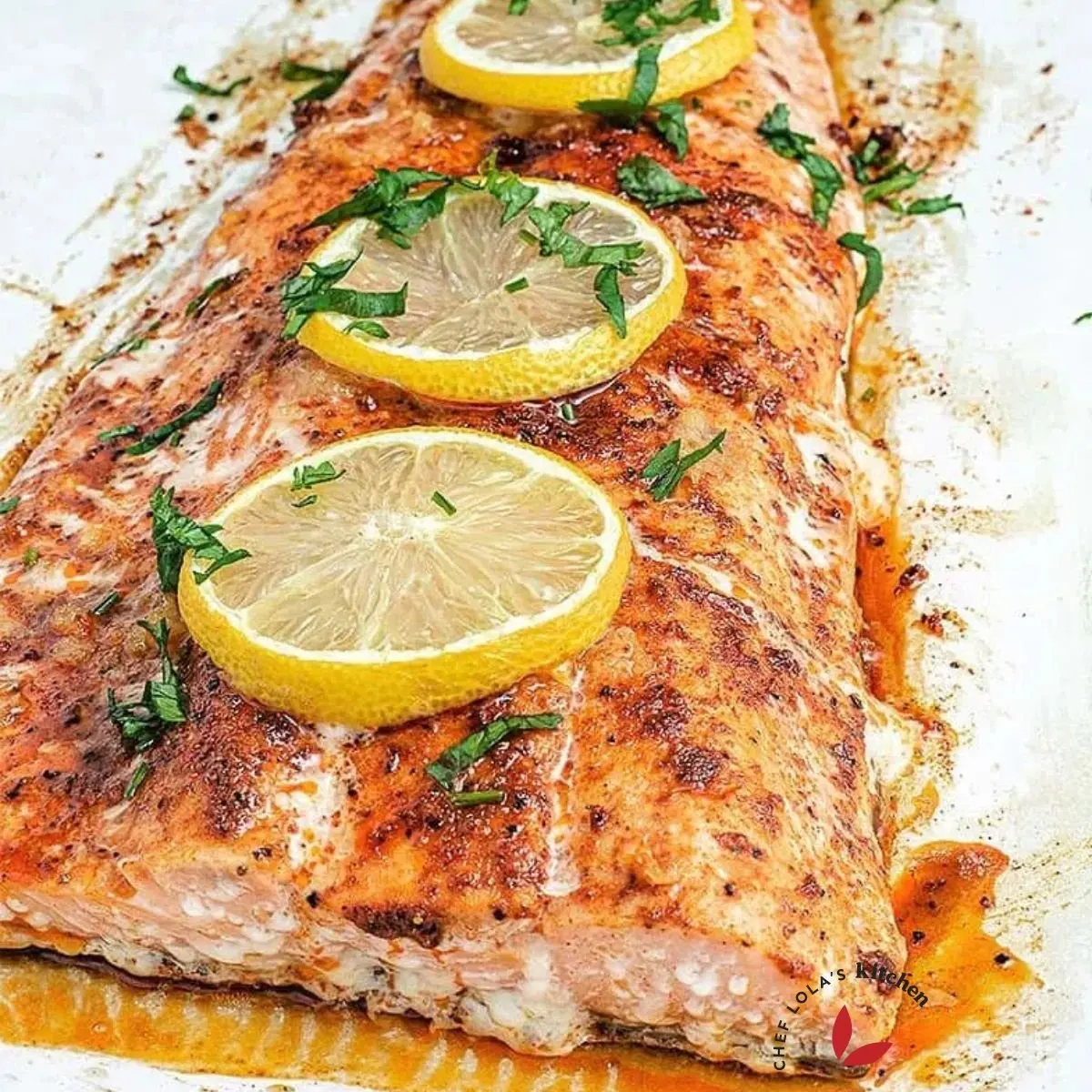
Credit: cheflolaskitchen.com
Serving Suggestions
Serving your perfectly cooked frozen salmon is where the meal truly comes together. What you pair it with and how you present it can make all the difference in your dining experience. Let’s look at some simple yet delicious ways to elevate your salmon dinner.
Side Dishes Pairing
Think about balancing flavors and textures. Salmon’s rich, buttery taste goes great with fresh, crisp vegetables or creamy sides.
- Roasted asparagus or green beans add a nice crunch and slight bitterness that cuts through the salmon’s richness.
- A light quinoa or couscous salad with lemon and herbs refreshes the palate without overpowering the fish.
- Mashed potatoes or sweet potato mash bring comfort and creaminess that complements the flaky texture.
- Steamed broccoli or a simple garden salad offer a healthy, vibrant contrast.
Have you tried pairing salmon with something unexpected like a mango salsa or avocado salad? It brightens the plate and adds a burst of flavor.
Presentation Ideas
How you plate your salmon changes the whole vibe of the meal. Simple tweaks can make your dish look restaurant-worthy.
- Place the salmon on a bed of greens or grains to add height and color contrast.
- Drizzle a fresh herb sauce or a lemon-butter glaze over the top to make it visually appealing and flavorful.
- Use edible flowers or finely chopped fresh herbs like dill or parsley as a garnish to brighten the plate.
- Try slicing the salmon into medallions and fanning them out for a modern look.
What if you plate your salmon with a small wedge of lemon or lime on the side? It invites diners to add a fresh splash of citrus and engage with their food.
Frequently Asked Questions
How Long To Cook Frozen Salmon In The Oven?
Bake frozen salmon at 425°F (220°C) for 20-25 minutes. Cooking time depends on fillet thickness. Always check internal temperature reaches 145°F (63°C) for safe eating.
Do I Need To Thaw Frozen Salmon Before Baking?
No, you can cook salmon directly from frozen. Baking frozen salmon saves time and keeps it moist. Just increase cooking time by 5-7 minutes.
What Temperature Is Best For Baking Frozen Salmon?
Set your oven to 425°F (220°C). This temperature cooks salmon evenly and locks in moisture. Lower temperatures may result in uneven cooking.
Can I Season Frozen Salmon Before Baking?
Yes, season frozen salmon with salt, pepper, and herbs. Lightly brush with olive oil for flavor. Seasoning enhances taste even without thawing.
Conclusion
Cooking frozen salmon in the oven saves time and effort. You do not need to thaw it first. Just season and bake at the right temperature. This method keeps the fish moist and tasty. It also makes dinner simple and quick.
Try different spices to find your favorite flavor. Oven cooking is healthy and easy to clean up. Enjoy fresh salmon anytime without extra steps. A perfect meal can come from frozen fish. Simple, fast, and delicious—what more could you want?

I’m Abby Lu, a passionate home cook who loves simplifying everyday meals. At PlugChef.com, I share product reviews and cooking guides to help you find the best tools for your kitchen.
Related posts:
 Easy Mac N Cheese Microwave: Quick, Creamy, and Delicious Recipe
 Chicken With Fennel And Lemon: Easy, Flavorful Dinner Recipe
 Breakfast Sausage in a Blanket: Irresistible Morning Treats Made Easy
 Glaze Recipe for Smoked Ham: Irresistible Sweet & Spicy Twist
 Vegetarian Recipes in Crock Pot: Easy, Healthy & Delicious Meals
 Healthy Dessert Recipe Book: Delicious Guilt-Free Treats for Every Craving