
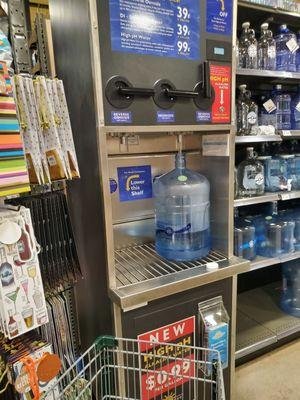
Have you ever wondered if there’s a simple way to stay hydrated while shopping and help the planet at the same time? Whole Foods Water Refill Stations might be exactly what you need.
These stations make it easy for you to refill your water bottle with fresh, clean water—cutting down on plastic waste and saving you money. Keep reading to discover how you can make a small change that benefits your health, your wallet, and the environment every time you visit Whole Foods.

Credit: www.youtube.com
Whole Foods Water Stations
Whole Foods Water Stations offer a convenient way to refill your water bottles. These stations help reduce plastic waste and promote healthy hydration. You can find them in many Whole Foods Market locations across the country. The stations provide clean, fresh water that you can use again and again.
Locations And Availability
Whole Foods Water Stations are available in most stores. They are usually near the entrance or close to the beverage section. Many stores keep the stations open during regular store hours. Some locations also offer water refills outside the store for easy access. Check your local Whole Foods for exact availability.
Types Of Water Offered
The stations typically offer several types of water to choose from. These include:
- Filtered tap water
- Spring water
- Alkaline water
Some stores may provide sparkling water options as well. Each type is tested for quality to ensure safety and taste. Customers can select the water that suits their preferences best.
Benefits Of Water Refill Stations
Water refill stations at Whole Foods offer more than just a convenient way to stay hydrated. They bring several benefits that affect your wallet, the environment, and your daily habits. Understanding these advantages can help you make smarter choices when it comes to drinking water on the go.
Environmental Impact
Every time you refill a reusable bottle at a Whole Foods water station, you reduce the demand for single-use plastic bottles. This simple action helps cut down plastic waste that often ends up in landfills or oceans.
Think about the amount of plastic you throw away in a week. Could refilling your bottle instead save hundreds of bottles annually? Your small step can lead to a big change in reducing pollution and conserving resources.
Cost Savings For Customers
Refilling your water bottle for free or at a minimal cost at Whole Foods means you avoid buying expensive bottled water. Over time, this adds up to significant savings, especially if you drink water regularly throughout the day.
Imagine how much you spend on bottled water each month. Switching to refills can free up money for other essentials or treats. Plus, carrying your bottle encourages you to drink more water, supporting your health without extra cost.
How To Use The Refill Stations
Visit the Whole Foods Water Refill Station with your empty bottle. Place it under the dispenser and press the button to fill. Enjoy fresh, filtered water while reducing plastic waste.
Using the Whole Foods Water Refill Station is an eco-friendly choice that benefits both you and the environment. Whether you’re a regular shopper or a newcomer, understanding how to use these refill stations efficiently can enhance your experience. Let’s dive into the practical steps and safety measures to make the most of your visit.
Step-by-step Guide
- Locate the Station:Look for the water refill station near the entrance or beverage section. Most stations are clearly marked for easy identification.
- Prepare Your Container:Bring your clean, reusable bottle. Ensure it’s empty to avoid any spills or overflow during the refill process.
- Position Your Bottle:Place your bottle under the dispenser nozzle. Make sure it’s centered to prevent water from spilling.
- Start the Refill:Press the button or lever to start the water flow. Keep an eye on the water level to avoid overfilling.
- Stop and Seal:Release the button or lever once your bottle is full. Secure the lid tightly to maintain freshness and prevent leaks.
Safety And Hygiene Tips
- Clean Your Bottle:Regularly wash your bottle with soap and water to avoid bacterial build-up. A clean bottle ensures safe drinking water.
- Check for Station Cleanliness:Before refilling, inspect the station for cleanliness. Report any issues to store staff for prompt maintenance.
- Use Hand Sanitizer:Utilize hand sanitizer before and after using the station. This small step reduces the spread of germs.
- Stay Informed:Pay attention to any signage or instructions at the station. These may include specific guidelines or updates from the store.
Have you ever thought about how your choice to refill impacts the planet? Each refill reduces plastic waste, contributing to a cleaner environment. Embrace the habit of using refill stations, and encourage others to join you in making sustainable choices.

Credit: kumin.news
Sustainability Initiatives At Whole Foods
Whole Foods shows strong commitment to protecting the planet through many sustainability efforts. These initiatives focus on reducing waste, saving water, and supporting local communities. The water refill stations at Whole Foods play a key role in these goals. They help customers avoid single-use plastic bottles and encourage eco-friendly habits.
Plastic Reduction Efforts
Whole Foods works hard to cut down plastic waste. The water refill stations offer a simple way for shoppers to fill reusable bottles. This reduces the need for buying plastic water bottles. Stores also promote using containers made from sustainable materials. Staff educate customers on how to reduce plastic use at home.
Community Engagement
Whole Foods involves local people in its green projects. The company partners with community groups to spread awareness about sustainability. They host events and workshops focused on recycling and water conservation. Customers get involved by joining refill programs and supporting local clean-up efforts. This helps build a stronger, eco-conscious community.
Customer Experiences
Many customers share their thoughts about the Whole Foods water refill station. Their experiences help others understand its benefits and challenges. These insights reveal what people enjoy and what could improve.
Popular Feedback
- Customers appreciate the clean and easy-to-use design.
- Many like saving money by refilling bottles instead of buying new ones.
- People mention the convenience of having refill stations near the store entrance.
- Some enjoy the eco-friendly approach of reducing plastic waste.
- Users find the water quality fresh and refreshing.
Suggestions For Improvement
- Some customers want clearer instructions on how to use the station.
- Others suggest adding more refill points to reduce waiting time.
- Several users ask for better signage to easily locate the refill area.
- Some recommend regular maintenance checks to avoid machine malfunctions.
- A few customers wish for options to refill larger containers.
Credit: www.snapchat.com
Comparing Refill Stations To Bottled Water
Choosing between refill stations and bottled water affects more than convenience. It impacts the environment and your drinking experience. Both options have pros and cons to consider before making a choice.
Environmental Footprint
Refill stations reduce plastic waste by encouraging reuse. They cut down the need for single-use plastic bottles. Bottled water production uses more energy and creates more pollution.
- Refill stations lower carbon emissions significantly.
- Bottled water contributes to landfill and ocean pollution.
- Plastic bottles take hundreds of years to decompose.
- Using refill stations helps conserve natural resources.
Choosing refill stations supports a cleaner planet and less waste.
Taste And Quality Differences
Water from refill stations often comes from local sources. It usually undergoes filtration for purity. Bottled water quality varies based on brand and source.
- Refill water can taste fresher and cleaner.
- Bottled water sometimes contains minerals affecting taste.
- Refill stations maintain water quality with regular cleaning.
- Bottled water may lose freshness over time.
Refill stations provide fresh water without added flavors or chemicals.
Future Of Water Refill Stations
The future of Whole Foods Water Refill Stations looks promising as they continue to evolve and meet the growing demand for sustainable hydration options. These stations are becoming more than just convenient spots to refill your bottle—they are transforming into smart, efficient hubs that encourage eco-friendly habits. What changes can you expect to see next when you visit your local store?
Technological Innovations
Water refill stations are getting smarter with new technology. Touchless sensors and QR code payments make the refilling process faster and more hygienic. Imagine refilling your bottle without touching any surfaces—this not only saves time but also reduces the spread of germs.
Some stations now include digital displays that show water quality and track your personal refill history. This feature motivates you to refill more often by showing exactly how much plastic waste you’ve avoided. Could this data-driven approach help you stay committed to reducing single-use plastics?
Expansion Plans
Whole Foods is planning to increase the number of water refill stations across their stores nationwide. This expansion means more accessibility for you, whether you’re in a busy city or a smaller town. More locations also mean a stronger community effort toward sustainability.
Beyond the stores, there’s talk about partnerships with local parks and gyms to place refill stations in public spaces. This would make clean, free water available wherever you go, encouraging you to carry reusable bottles more often. How would having refill stations in your favorite spots change your daily habits?
Frequently Asked Questions
What Is The Whole Foods Water Refill Station?
The Whole Foods water refill station allows customers to refill their bottles with filtered water. It promotes sustainability by reducing plastic waste. The stations are available in most store locations for public use.
How Does The Water Refill Station Work?
Customers place their bottles under the station’s spout and press a button. The machine dispenses clean, filtered water quickly. It’s a convenient and eco-friendly way to stay hydrated on the go.
Is The Water At Whole Foods Refill Stations Safe To Drink?
Yes, the water is filtered and tested regularly to ensure safety. Whole Foods maintains high quality standards for their refill stations. This guarantees clean, fresh, and safe drinking water for customers.
Are There Any Costs For Using The Refill Station?
Most Whole Foods refill stations are free to use for customers. Some locations may encourage donations for environmental causes. Always check with the local store for specific policies.
Conclusion
Whole Foods Water Refill Stations offer a simple way to save plastic. They help you fill your bottles with clean, fresh water anytime. This supports a healthier planet by reducing waste. Many customers enjoy the easy access and convenience. Using refill stations can lower your plastic footprint daily.
Small actions add up to big changes over time. Try it during your next visit and feel good about it. Everyone can play a part in protecting the environment. Clean water, less waste, and a greener future await.

Hi, I’m Daniel Brooks—a food lover and kitchen gear enthusiast. I enjoy testing cookware, utensils, and gadgets to see what really works in everyday cooking. At PlugChef.com, I share honest reviews, comparisons, and simple guides to help you choose the best tools for a safer, smarter, and more enjoyable kitchen.
Related posts:
 What Type of Cooking Utensils are Safe: Expert Picks
 What Innovations Could Blenders Make: Unleashing Future Tech
 Smart Strategies to Organize a Small Kitchen: Maximize Space
 How to Organize a Kitchen Cabinet: Expert Tips & Tricks
 How to Organize Kitchen Drawers: Expert Tips and Tricks
 How to Organize a Corner Kitchen Cupboard: Expert Tips

