
Craving a healthy, delicious meal but don’t have time to thaw your salmon? You’re in luck.
This baked salmon from frozen recipe is your new go-to solution. It’s quick, simple, and perfect for busy days when you want something tasty without the hassle. Imagine juicy, flaky salmon ready in minutes—no need to plan ahead or defrost overnight.
Keep reading, and you’ll discover how easy it is to transform frozen salmon into a mouthwatering dish that feels like a treat every time.
Benefits Of Baking Salmon From Frozen
Baking salmon from frozen offers several practical and tasty benefits. It saves time and reduces food waste. The process keeps the fish fresh and moist. This simple cooking method suits busy days and last-minute meals.
Preserves Nutrients And Flavor
Baking salmon straight from frozen helps lock in nutrients. Vitamins and healthy fats stay intact. The flavor remains rich and natural. No thawing means less chance of losing taste or texture.
Saves Time And Effort
No need to plan ahead or defrost. You can bake salmon directly from the freezer. This makes meal prep faster and easier. Perfect for quick dinners or unexpected guests.
Reduces Risk Of Bacteria Growth
Freezing salmon slows bacterial growth. Baking from frozen lowers food safety risks. Salmon stays safe to eat without long thawing periods. This reduces chances of spoilage or contamination.
Maintains Moisture And Texture
Baking from frozen helps keep salmon moist. The fish cooks evenly without drying out. It avoids the mushy texture sometimes caused by thawing. Results in tender, flaky salmon every time.
Minimizes Food Waste
Frozen salmon lasts longer than fresh fish. You only cook what you need. This prevents throwing away unused portions. Baking from frozen supports better meal planning and less waste.

Credit: mowisalmon.us
Choosing The Right Salmon
Choosing the right salmon is essential for a tasty baked salmon from frozen dish. The type and quality of salmon affect flavor and texture. Understanding the differences helps pick the best fish for your recipe.
Wild Vs. Farmed Salmon
Wild salmon comes from natural oceans and rivers. It often has a richer flavor and firmer texture. Wild salmon is usually leaner and contains fewer contaminants.
Farmed salmon is raised in controlled environments. It tends to be fattier and softer. Farmed salmon is more available and usually less expensive.
Both types work well for baking from frozen. Choose based on taste preference and budget.
Freshness And Quality Tips
- Check the color: bright pink or orange is best.
- Look for firm flesh that springs back when pressed.
- Smell the salmon; it should have a mild, ocean scent.
- Avoid fish with a strong fishy odor or slimy texture.
- Buy from trusted sources to ensure good quality.
Essential Ingredients
Creating a delicious baked salmon dish from frozen is simple. The right ingredients make all the difference. With the right combination, the flavors of the salmon truly shine. Let’s explore the essential ingredients needed for this easy recipe.
Seasonings And Marinades
Start with basic seasonings to enhance the salmon’s natural taste. Salt and pepper are must-haves. They bring out the flavor of the fish. For a citrusy touch, add lemon juice. It adds brightness to the dish.
Garlic powder and onion powder give depth. They add a savory note. For a hint of spice, consider paprika or cayenne. These spices add warmth without overpowering the salmon.
A simple marinade can elevate the dish. Mix olive oil, soy sauce, and honey for a sweet and savory glaze. Let the salmon soak briefly before baking. This enhances the taste and keeps it moist.
Optional Add-ins
Optional ingredients can add variety to your dish. Fresh herbs like dill or parsley add freshness. They pair well with the salmon’s flavor. You can also add capers for a tangy twist. They complement the fish beautifully.
Vegetables make great companions. Consider adding cherry tomatoes or asparagus. They roast well alongside the salmon. They also add color and nutrition to your plate.
Nuts like almonds or walnuts offer a crunchy texture. Sprinkle them on top before baking. They add a delightful crunch to each bite.

Credit: www.youtube.com
Step-by-step Baking Instructions
Baking salmon from frozen is a quick and easy way to enjoy a healthy meal. Following clear baking instructions ensures the fish cooks evenly and stays moist. This guide breaks down the process into simple steps.
Each step is designed to help you prepare and cook the salmon with confidence. No need to thaw; just grab your frozen fillets and start baking.
Prepping The Salmon
Take the frozen salmon out of the packaging. Rinse the fillets under cold water to remove any ice crystals. Pat dry with paper towels.
Place the salmon on a baking sheet lined with parchment paper or foil. Brush the fillets lightly with olive oil to keep them moist. Season with salt, pepper, and your favorite herbs or spices.
Setting The Oven
Preheat the oven to 425°F (220°C). This temperature cooks the salmon quickly while keeping it tender. Use the middle rack for even heat distribution.
Make sure the oven is fully heated before placing the salmon inside. This step helps achieve a nice crust without drying out the fish.
Cooking Times And Temperatures
| Salmon Thickness | Cooking Time | Oven Temperature |
|---|---|---|
| 1 inch (2.5 cm) | 15-18 minutes | 425°F (220°C) |
| 1.5 inch (3.8 cm) | 20-22 minutes | 425°F (220°C) |
| 2 inch (5 cm) | 25-28 minutes | 425°F (220°C) |
Check the salmon’s internal temperature with a food thermometer. It should read 145°F (63°C) when done. The flesh should flake easily with a fork.
Tips For Perfect Texture And Flavor
Getting the perfect texture and flavor in baked salmon from frozen can feel tricky. But with the right approach, your salmon can come out tender, juicy, and full of taste every time. A few simple tips can help you avoid common pitfalls and bring out the best in your fish.
Avoiding Overcooking
Overcooking is the biggest challenge when baking salmon from frozen. It can make the fish dry and tough, ruining the experience. To prevent this, keep a close eye on the cooking time and temperature.
- Set your oven to 375°F (190°C) for a steady, even bake.
- Use a timer and check the salmon about 10 minutes before the expected finish time.
- Look for a slightly translucent center as a sign to stop baking—it will continue to cook as it rests.
I once left my salmon in too long and ended up with a rubbery texture that no seasoning could fix. Have you ever had that happen? Adjusting your timing can make all the difference.
Enhancing Moisture
Keeping your salmon moist during baking is key to delicious flavor and texture. Frozen salmon can easily dry out, but some simple tricks can lock in moisture.
- Brush the fish with olive oil or melted butter before baking.
- Cover the baking dish with foil to trap steam.
- Add a splash of lemon juice or broth to the dish for extra moisture and flavor.
Adding these steps transformed my salmon from dry and bland to juicy and flavorful. What simple change could you try to boost moisture in your next dish?
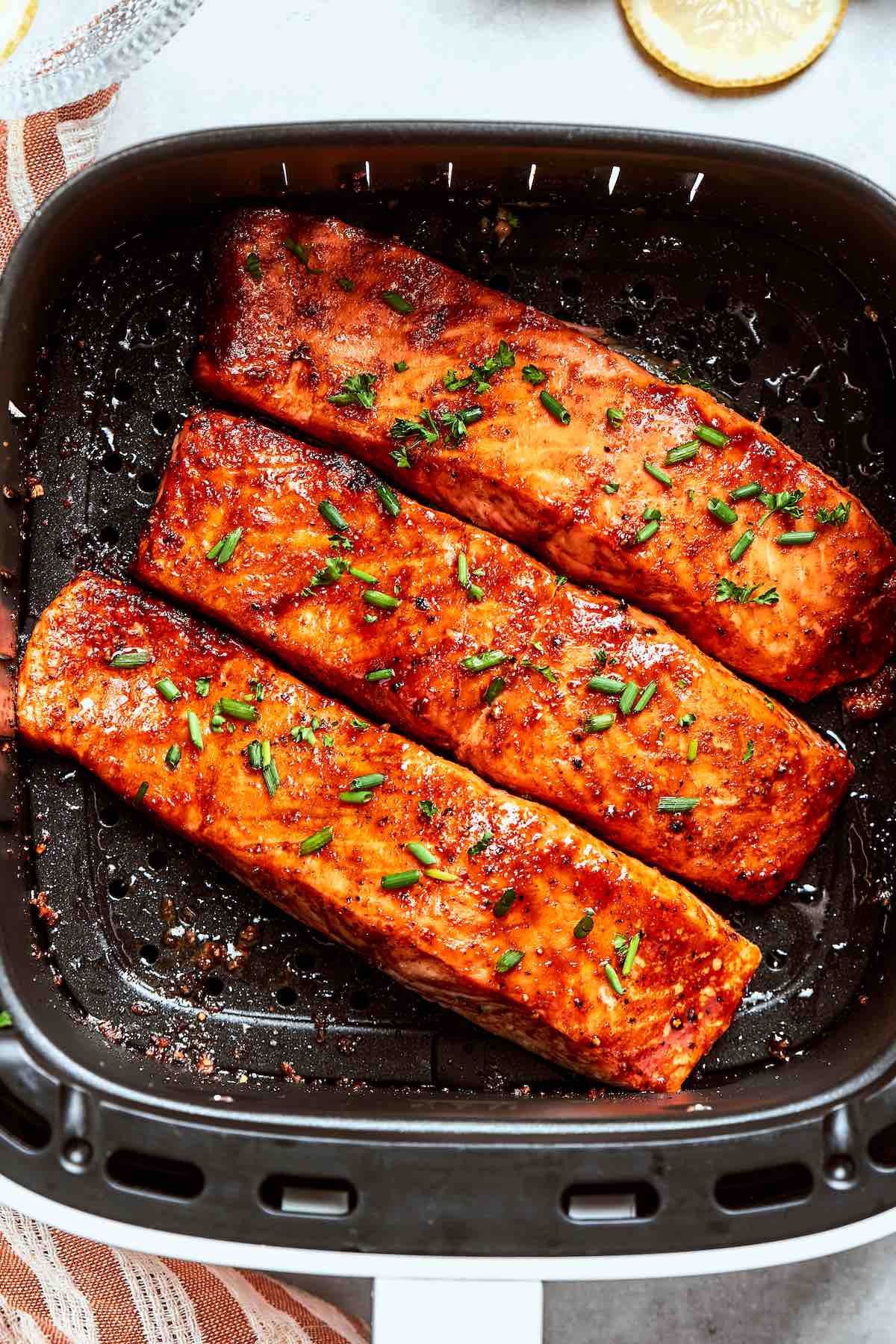
Credit: thebigmansworld.com
Serving Suggestions
Serving baked salmon from frozen offers a simple, healthy meal option. Pairing it with the right sides and sauces enhances the flavors. These serving ideas bring balance and color to your plate. They also make the meal more exciting and tasty.
Side Dishes That Complement Salmon
- Steamed asparagus with a squeeze of lemon
- Garlic roasted baby potatoes
- Quinoa salad with fresh herbs and cherry tomatoes
- Sauteed spinach with garlic and olive oil
- Simple cucumber and dill salad
- Brown rice with toasted almonds and parsley
Sauces And Garnishes
- Classic dill sauce made with yogurt and fresh dill
- Lemon butter sauce for a rich, tangy flavor
- Honey mustard glaze to add sweetness
- Fresh avocado salsa for creaminess and freshness
- Chopped fresh herbs like parsley, chives, or cilantro
- Thin lemon slices or wedges for an extra zing
Storing And Reheating Leftovers
Storing and reheating leftover baked salmon from frozen helps keep it fresh and tasty. Proper storage prevents spoilage and maintains flavor. Reheating correctly ensures the salmon stays moist and delicious.
How To Store Leftover Baked Salmon
- Cool the salmon to room temperature before storing.
- Use airtight containers or wrap tightly with plastic wrap.
- Label the container with the date to track freshness.
- Store in the refrigerator for up to 3 days.
- For longer storage, freeze in a freezer-safe bag for up to 2 months.
Best Ways To Reheat Baked Salmon
- Preheat the oven to 275°F (135°C) for gentle reheating.
- Place salmon on a baking sheet and cover with foil.
- Heat for 10-15 minutes until warmed through.
- Alternatively, use a microwave on low power in short bursts.
- Avoid high heat to prevent drying out the fish.
Tips To Keep Salmon Moist When Reheating
- Add a splash of water or broth before heating.
- Cover the salmon to trap steam and moisture.
- Do not overheat to avoid a dry texture.
- Serve immediately after reheating for best taste.
Common Mistakes To Avoid
Baking salmon from frozen is quick and easy. Still, some common mistakes can spoil the dish. Avoiding these errors helps make your salmon moist and tasty. Let’s explore what to watch out for.
Not Preheating The Oven
Starting with a cold oven causes uneven cooking. The salmon might stay frozen inside while burning outside. Preheat your oven to the right temperature before placing the fish in.
Skipping Seasoning
Frozen salmon often lacks flavor without proper seasoning. Salt, pepper, and herbs enhance its natural taste. Season the fish before baking, even if it feels frozen solid.
Cooking At Too High Temperature
High heat dries out salmon quickly. It can become tough and lose its juicy texture. Bake at moderate heat to keep the fish tender and moist.
Not Using A Baking Tray With Sides
Using a flat tray can cause juices to spill. This leads to a dry fish and messy oven. Choose a baking tray with sides to catch drips and keep moisture around the salmon.
Overcooking The Salmon
Frozen salmon takes longer to cook than fresh. Check frequently to avoid overcooking. The fish should flake easily but remain moist inside.
Frequently Asked Questions
Can You Bake Salmon Directly From Frozen?
Yes, you can bake salmon from frozen. It requires a longer cooking time, about 20-25 minutes at 425°F. This method saves time and keeps the fish moist and flavorful without thawing.
How Do You Season Frozen Salmon For Baking?
Season frozen salmon by brushing with olive oil, salt, pepper, and herbs. Adding lemon slices or garlic enhances flavor. Apply seasoning directly on the frozen fillet before baking for best results.
What Is The Ideal Baking Temperature For Frozen Salmon?
Bake frozen salmon at 425°F (220°C) for even cooking. This temperature ensures the fish cooks through without drying out. Adjust time based on fillet thickness for perfect doneness.
How Long Should Frozen Salmon Bake In The Oven?
Bake frozen salmon for 20 to 25 minutes at 425°F. Thicker fillets may need a few extra minutes. Check for an internal temperature of 145°F to ensure safety.
Conclusion
Baking salmon from frozen saves time and effort. It stays juicy and tastes fresh. No need to thaw or wait long. Just season, bake, and enjoy a healthy meal. This method works well for busy days or quick dinners. Try it for an easy, tasty fish dish.
You will love how simple and good it is. Cooking salmon this way is smart and practical. Give it a shot and enjoy your meal!

Hi, I’m Daniel Brooks—a food lover and kitchen gear enthusiast. I enjoy testing cookware, utensils, and gadgets to see what really works in everyday cooking. At PlugChef.com, I share honest reviews, comparisons, and simple guides to help you choose the best tools for a safer, smarter, and more enjoyable kitchen.
Related posts:
 What Type of Cooking Utensils are Safe: Expert Picks
 What Innovations Could Blenders Make: Unleashing Future Tech
 Smart Strategies to Organize a Small Kitchen: Maximize Space
 How to Organize a Kitchen Cabinet: Expert Tips & Tricks
 How to Organize Kitchen Drawers: Expert Tips and Tricks
 How to Organize a Corner Kitchen Cupboard: Expert Tips

