
Reheating sliced ham so it’s warm, juicy, and flavorful is simple when you use the right method and temperature. This guide walks through safe temperatures, preparation, step‑by‑step reheating methods (oven, stovetop, microwave, slow cooker, and sous‑vide), glazing tips, troubleshooting, and storage. Read on for practical, tested techniques that consistently deliver moist, evenly heated ham.
Credit: www.food.com
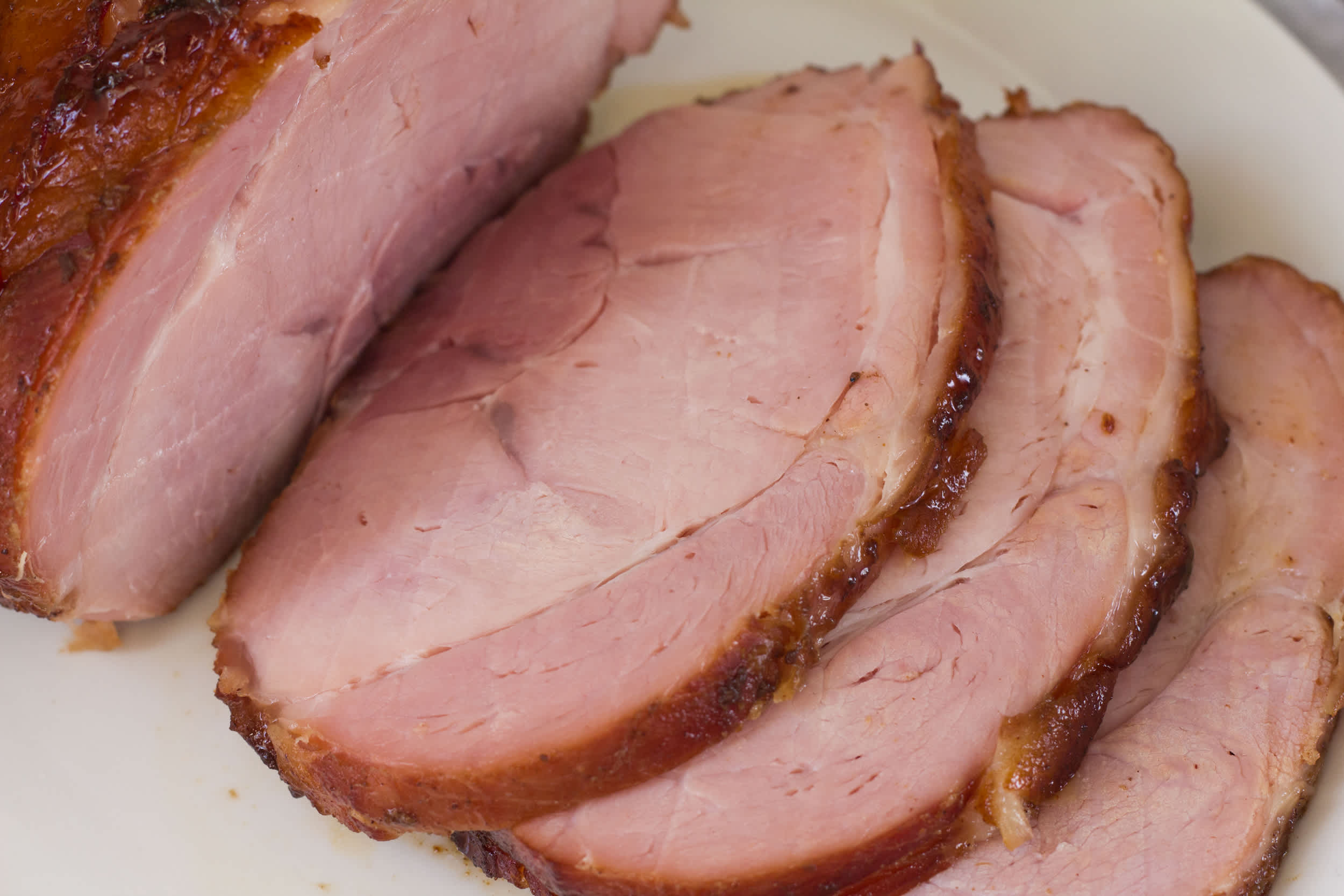
Plated slices of reheated ham ready to serve.
Why proper reheating matters (safety + quality)
Two goals when reheating sliced ham:
- Food safety — heat to a safe internal temperature so bacteria are controlled.
- Texture/flavor — avoid drying and overcooking while preserving fat and natural juices.
For safety, follow USDA guidance on reheating and leftovers: fully cooked hams that are packaged and labeled “ready to eat” are typically reheated to about 140°F for service, while previously cooked leftovers should be reheated to 165°F. When in doubt, use an instant‑read thermometer to confirm internal temperature before serving (USDA food safety guidance).
In practice: a common mistake is rushing with high heat—this dries the lean ham quickly. Gentle, even heat and moisture retention are the keys to success.
Know your ham: type and pre‑cook status
Different hams behave differently when warmed:
- Fully cooked, packaged ham: Ready to eat; you’re only warming. Reheat gently.
- Spiral‑cut or deli sliced ham: Thin slices heat fast — watch closely.
- Fresh (raw) ham: Requires full cooking from raw — this guide focuses on warming pre‑cooked or previously cooked sliced ham.
- Glazed or honeyed ham: Surface sugars can burn; apply glaze late in the heating process.
If your package says “fully cooked,” you’re reheating; if it’s raw, follow full‑cook rules and a different recipe.
Storage and prep before reheating
Proper storage preserves moisture and reduces risk:
- Refrigerate cooked ham within 2 hours of cooking. Store at 40°F (4°C) or below.
- Use cooked ham within 3–4 days. For longer storage, freeze (up to 1–2 months for best quality).
- Keep slices flat and wrapped in airtight containers or plastic wrap to prevent drying and odor transfer.
Prep tips:
- Bring slices out of the fridge for 10–15 minutes to reduce chill time before gentle reheating.
- Arrange slices in a single layer or slightly overlapped so warm air or liquid reaches each piece.
- Use an instant‑read thermometer to check final internal temps.
Step‑by‑step reheating methods (choose one)
Below are practical, tested methods with times and temperatures for typical sliced ham (pre‑cooked, slices 1/8"–1/4").
Oven (best for larger batches and even results)
Why use it: gentle, even heating; easy to add glaze. Steps:
- Preheat oven to 275°F (135°C).
- Place slices in a single layer on a shallow baking dish or rimmed sheet. For best airflow, use a wire rack set over the pan.
- Add a tablespoon or two of broth, apple juice, or water over the slices per 12–16 oz to maintain moisture.
- Cover tightly with foil.
- Heat 8–12 minutes for thin slices (1/8"–1/4"); 15–20 minutes for thicker slices or small piles. Check temperature — aim for 140°F for fully cooked ham serving, or 165°F for leftovers.
- For a glaze, remove foil in the last 8–12 minutes, brush glaze on, and return to oven to caramelize lightly.
Practical tip: in practice, a covered baking dish prevents edge‑drying; don’t skip the foil.
Stovetop skillet (fast, great for crisp edges)
Why use it: quick, good for a few slices. Steps:
- Heat a nonstick or cast‑iron skillet over medium‑low.
- Add a small amount of butter, oil, or a splash (1–2 tsp) of broth.
- Add slices in a single layer; cook 45–90 seconds per side for thin slices, 2–3 minutes per side for thicker. Lower the heat if you see browning too fast.
- Cover the pan for a minute to warm through if slices are thicker.
- Check temperature as needed.
Common mistake: using high heat to get color fast—this produces dry ham. Use medium‑low and patience.
Microwave (fastest for single servings)
Why use it: speed, convenience. Steps:
- Place 1–4 slices on a microwave‑safe plate in a single layer.
- Dampen a paper towel or use a microwave cover to trap steam.
- Microwave at 50–70% power (medium) in short bursts: start with 30–45 seconds, then check. Add 15–20 second bursts until warm.
- Let rest 30–60 seconds; internal heat distributes during rest. Aim for 140°F–165°F depending on context.
Microwave tips: microwaves heat unevenly; check multiple spots and rotate slices between bursts.
Slow cooker (hands‑off, great for many slices)
Why use it: set‑and‑forget for buffet serving. Steps:
- Layer slices flat in the slow cooker; add 1/4–1/2 cup broth or apple juice per 2–3 lbs.
- Cover and set to LOW.
- Heat 45–90 minutes until slices reach the target temperature. Avoid cooking on HIGH to prevent drying.
- Apply glazes in the last 20–30 minutes.
Slow cooker note: this method is best when serving at a gathering; keep on LOW to maintain warmth but monitor to avoid overcooking.
Sous‑vide (ultra‑gentle reheating)
Why use it: precise temperature control and even reheating without moisture loss. Steps:
- Vacuum‑seal or use a heavy zip bag with the air removed.
- Set water bath to 140°F (60°C) for fully cooked ham; reheat slices 20–45 minutes depending on thickness.
- Remove, pat dry, and quickly sear in a hot pan or under broiler for color if desired.
Safety note: use an accurate immersion circulator and thermometer. If unsure about sous‑vide temperatures and pasteurization times, stick to oven or stove methods.
Glazing and flavoring — when and how
Glazes add flavor and protect moisture. Apply glaze late to avoid burning sugar.
Quick maple‑mustard glaze (for ~1 lb ham slices):
- 2 tbsp maple syrup or honey
- 1 tbsp Dijon mustard
- 1 tsp apple cider vinegar Whisk and brush on in final 8–12 minutes of oven heating or last 1 minute of skillet time.
Savory finishing: rub with olive oil + chopped fresh herbs (thyme or rosemary) before warming for aromatic lift. Sprinkle coarse black pepper after heating.
Pro tip: for spiral or heavily sugared hams, tent with foil during most reheating and apply glaze for the last 8–15 minutes under moderate heat.
:max_bytes(150000):strip_icc()/Glazed-Ham-with-pineapple-chutney_Audit3429_Beauty-001-bbff0ab142074f288b1f2e538fcd83bf.jpg)
Credit: www.southernliving.com
Glazed ham slices during the final minutes of warming.
Troubleshooting: common problems and fixes
- Dry edges but cold center: slices were too thin and heated too long at high temp. Fix: rehydrate with broth and cover; warm gently.
- Burned glaze: sugar burned from too-high heat. Fix: remove burnt portions, lower temperature, brush with more liquid and reheat covered.
- Uneven heating in microwave: rotate plate, use medium power, and pause to redistribute heat.
- Soggy texture after slow cooker: excess steam made surface limp. Fix: briefly sear slices on skillet or broil 1–2 minutes to revive texture.
In practice, a small splash of liquid and a tight cover solve most dryness issues.

Credit: www.tasteofhome.com
Applying a sweet glaze in the final oven minutes for shine and flavor.
Serving and leftover storage
Serving:
- Rest slices 3–5 minutes after reheating so heat evens out.
- For sandwiches, slightly under‑heat the ham (toward 140°F) if it will be warmed again in a sandwich press.
Leftovers:
- Refrigerate within 2 hours of serving.
- Store in airtight container; use within 3–4 days.
- Reheat leftovers to 165°F for safety, per general reheating guidance.
For additional safe handling practices, consult USDA food safety resources. If you want further manufacturer‑specific advice, follow package instructions printed on your ham label.
FAQs
Q: What temperature should I reheat sliced ham to? A: For pre‑cooked, ready‑to‑eat ham being served, reheat to about 140°F. For previously cooked leftovers, reheat to 165°F. Use an instant‑read thermometer to verify.
Q: Can I reheat ham more than once? A: It’s best to reheat only what you’ll eat. Repeated reheating increases food‑safety risk and accelerates quality loss.
Q: How long can I leave reheated ham out at a buffet? A: Follow the 2‑hour rule: discard perishable foods left out more than 2 hours (1 hour above 90°F ambient). Keep ham hot (135°F or above) with chafing dishes or warming trays.
Q: Is it okay to microwave glazed ham? A: Yes for small portions—cover and use medium power; apply glaze in short bursts and avoid burning sugars.
Conclusion
Warming sliced ham well is about controlled heat, moisture, and timing. Choose the method that fits your batch size—oven for even results, skillet for speed, microwave for convenience, slow cooker for hands‑off service, or sous‑vide for precision—and always use a thermometer for safety. Apply glazes at the end and rest slices briefly before serving.
Try the oven method for the most reliable juicy result—you’ll notice the difference when ham is warmed gently and covered. Bookmark this guide and use it the next time you reheat ham for best results.

Hi, I’m Daniel Brooks—a food lover and kitchen gear enthusiast. I enjoy testing cookware, utensils, and gadgets to see what really works in everyday cooking. At PlugChef.com, I share honest reviews, comparisons, and simple guides to help you choose the best tools for a safer, smarter, and more enjoyable kitchen.
Related posts:
 How to Make a Fruit Basket for a Gift: Easy DIY Guide
 Do You Need a Basket? Essential Guide for Air Fryers
 What Blenders Do Tropical Smoothie Use: Expert Insights
Stainless Steel Vs White Kitchen Appliances: Ultimate Showdown
What Blenders Do Tropical Smoothie Use: Expert Insights
Stainless Steel Vs White Kitchen Appliances: Ultimate Showdown
 Kitchen Appliances for Wedding Registry: Must-Have Essentials
 Top 10 Best Non-Toxic Cooking Utensils – Safe & Durable Choices for Healthy Homes

