
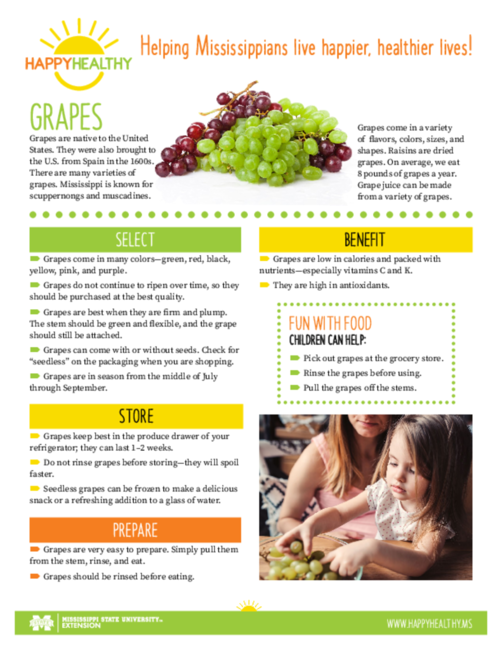
Have you ever bought a bunch of grapes only to find them turning mushy or moldy before you get a chance to enjoy them? Knowing exactly how long grapes last can save you from wasting money and prevent disappointment when you reach for a sweet snack.
You’ll discover the simple secrets to keeping your grapes fresh longer and learn how to spot when they’ve gone bad. Keep reading—you’ll never look at grapes the same way again!
Shelf Life Of Grapes
Understanding the shelf life of grapes helps you enjoy their fresh taste longer and reduce food waste. Grapes are delicate fruits that need the right storage conditions to stay fresh. Let’s look at how long you can expect grapes to last based on where and how you keep them.
Fresh Grapes At Room Temperature
Fresh grapes left at room temperature usually last about 1 to 2 days. They can quickly become soft and lose their crispness if left out too long. If you accidentally leave grapes on the counter, check them daily for any signs of spoilage like shriveling or mold.
Have you noticed how grapes sometimes sweat when left out? This moisture speeds up spoilage, so it’s better to keep them in a cool place or move them to the fridge as soon as possible.
Refrigerated Grapes
Refrigerating grapes significantly extends their shelf life, keeping them fresh for up to 1 to 2 weeks. Store grapes unwashed in a perforated plastic bag or container to allow airflow and prevent moisture buildup. Washing grapes before storage can lead to faster mold growth, so wash them only before eating.
One tip I’ve found helpful is to remove any damaged grapes before refrigeration. Damaged ones release ethylene gas that speeds up spoilage of the rest. Do you check your grapes regularly to catch bad ones early?
Frozen Grapes Lifespan
Freezing grapes is a great way to preserve them for months, typically up to 6 to 12 months. Frozen grapes make a refreshing snack or can be used in smoothies and desserts. To freeze, wash and dry grapes thoroughly, then spread them on a baking sheet before transferring to an airtight container or freezer bag.
Frozen grapes won’t have the same texture as fresh ones but keep their flavor well. Have you tried frozen grapes as a natural ice cube alternative in drinks? It’s a simple trick to chill your beverage without watering it down.

Credit: parade.com
Factors Affecting Grape Freshness
Grape freshness depends on many factors. These factors control how long grapes stay tasty and safe to eat. Understanding these can help keep grapes fresh longer.
Temperature And Humidity
Temperature plays a big role in grape freshness. Cooler temperatures slow down decay and mold growth. Grapes last longer when stored between 30°F and 32°F.
Humidity also affects grapes. Too much moisture can cause mold. Too little can dry the grapes out. Ideal humidity is around 90% to keep grapes plump and fresh.
Packaging And Storage Methods
Packaging protects grapes from damage and moisture loss. Containers with small holes help air flow and reduce mold risk. Avoid tightly sealed bags that trap moisture.
Storing grapes in the refrigerator is best. Keep them dry and do not wash before storage. Wash grapes only before eating to prevent early spoilage.
Grape Variety And Ripeness
Different grape varieties last different times. Firm grapes like Thompson seedless stay fresh longer. Softer varieties spoil faster.
The ripeness at purchase affects shelf life too. Overripe grapes spoil quickly. Choose grapes that are firm and fresh for longer storage.
Best Storage Practices
Grapes are a delicious and healthy snack, but their freshness can be fleeting if not stored properly. To maximize the shelf life of your grapes, it’s essential to follow the best storage practices. With the right techniques, you can enjoy your grapes for longer and reduce waste. Let’s dive into some effective strategies to keep your grapes fresh and tasty.
Storing Grapes In The Fridge
The fridge is your ally when it comes to preserving grapes. Store your grapes in the refrigerator to keep them fresh for about one to two weeks. The cool temperature slows down the ripening process, helping to maintain their crispness and flavor.
Place grapes on a refrigerator shelf rather than the crisper drawer. This ensures they receive optimal air circulation, reducing the risk of moisture buildup. Remember, a consistent temperature is key to prolonging their freshness.
Using Containers And Bags
Proper containers or bags can significantly impact grape longevity. Use breathable bags or containers that allow air circulation while preventing moisture accumulation. Avoid sealing them in airtight bags, as this traps moisture and accelerates spoilage.
Consider using a shallow container to spread the grapes out. This prevents them from being squished, preserving their texture and taste. If you’ve ever had squished grapes, you know the disappointment!
Avoiding Moisture And Mold
Moisture is the enemy when storing grapes. Always ensure grapes are dry before storing them in the fridge. Excess water can lead to mold, which is a surefire way to ruin your snack.
It might be tempting to rinse grapes before storing, but it’s best to wash them just before eating. If you must wash them ahead of time, make sure they are thoroughly dried. Have you ever thought about how a small step like drying can make such a big difference?

Credit: www.express.co.uk
Signs Of Spoiled Grapes
Knowing the signs of spoiled grapes helps avoid eating bad fruit. Grapes spoil quickly if not stored properly. They show clear changes in look, feel, and smell. Recognizing these signs keeps you safe and prevents waste.
Visual Indicators
- Wrinkled or shriveled skin means grapes are drying out.
- Dark spots or mold appear on spoiled grapes.
- Discoloration, such as brown or dull skin, signals spoilage.
- Leaking juice or sticky residue shows grapes are breaking down.
Texture Changes
- Soft or mushy grapes lose their firmness.
- Dry or shriveled texture means grapes are old.
- Grapes that feel slimy or sticky are spoiled.
Smell And Taste
- Sour or fermented smell is a clear warning.
- Bitter or off taste means grapes are bad.
- Fresh grapes have a sweet, mild aroma and flavor.
Tips To Extend Grape Freshness
Keeping grapes fresh longer can save you money and reduce waste. With the right care, you can enjoy their crispness and sweetness for days beyond the typical shelf life. Let’s look at some practical tips to help you extend the freshness of your grapes, whether you plan to eat them right away or store them for future use.
Washing And Drying Techniques
Wait to wash your grapes until you’re ready to eat them. Washing too early adds moisture, which speeds up spoilage. Instead, rinse grapes under cold water just before eating or using them.
After washing, dry the grapes thoroughly. Use a clean kitchen towel or paper towels to gently pat them dry. Excess water can cause mold, so keeping grapes dry is key to prolonging their freshness.
Freezing Grapes Properly
Freezing grapes is a great way to enjoy them long after they’ve been picked. Start by rinsing and drying the grapes completely. Spread them out in a single layer on a baking sheet to freeze individually.
Once frozen solid, transfer the grapes into airtight freezer bags or containers. This prevents clumping and freezer burn. Frozen grapes make a tasty, refreshing snack and can add a burst of flavor to smoothies anytime.
Using Grapes In Recipes Before Spoiling
If your grapes are nearing the end of their freshness, try using them in recipes instead of tossing them out. Grapes work wonderfully in salads, sauces, and desserts. They add natural sweetness and texture.
You can also cook grapes down into jams or compotes. Have you ever tried roasting grapes to bring out a caramelized flavor? This technique transforms them into a delicious topping for meats or cheeses.
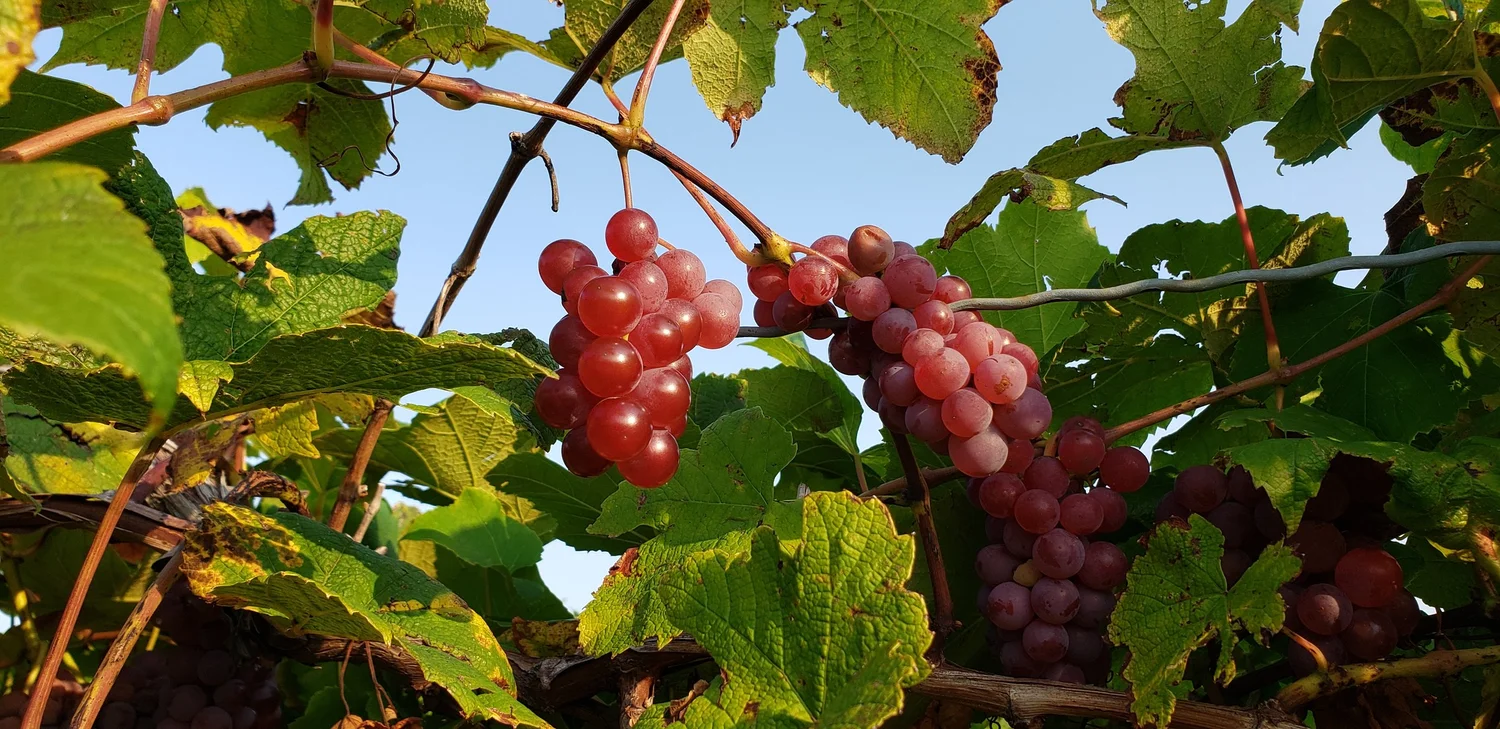
Credit: lergp.com
Frequently Asked Questions
How Long Do Grapes Last In The Refrigerator?
Grapes usually last up to 1-2 weeks when stored in the refrigerator. Keep them dry and in a ventilated container for best freshness.
Can Grapes Last Longer If Frozen?
Yes, grapes can last up to 6-12 months when frozen. Freeze them in a single layer before storing in airtight bags for best quality.
How To Tell If Grapes Have Gone Bad?
Spoiled grapes appear wrinkled, soft, or moldy with an off smell. Discard any grapes that look or smell unusual to avoid illness.
Do Grapes Last Longer At Room Temperature?
Grapes last only 1-2 days at room temperature. Refrigeration significantly extends their freshness and prevents spoilage.
Conclusion
Grapes stay fresh longer when kept cold and dry. Store them in the fridge inside a breathable container. Check grapes daily and remove any spoiled ones. Fresh grapes usually last about one to two weeks. Eating grapes soon after buying means better taste and nutrition.
Remember, proper storage extends their freshness and reduces waste. Enjoy grapes as a healthy snack anytime. Simple care keeps your grapes fresh and tasty longer.

Hi, I’m Daniel Brooks—a food lover and kitchen gear enthusiast. I enjoy testing cookware, utensils, and gadgets to see what really works in everyday cooking. At PlugChef.com, I share honest reviews, comparisons, and simple guides to help you choose the best tools for a safer, smarter, and more enjoyable kitchen.
Related posts:
 What Type of Cooking Utensils are Safe: Expert Picks
 What Innovations Could Blenders Make: Unleashing Future Tech
 Smart Strategies to Organize a Small Kitchen: Maximize Space
 How to Organize a Kitchen Cabinet: Expert Tips & Tricks
 How to Organize Kitchen Drawers: Expert Tips and Tricks
 How to Organize a Corner Kitchen Cupboard: Expert Tips

