
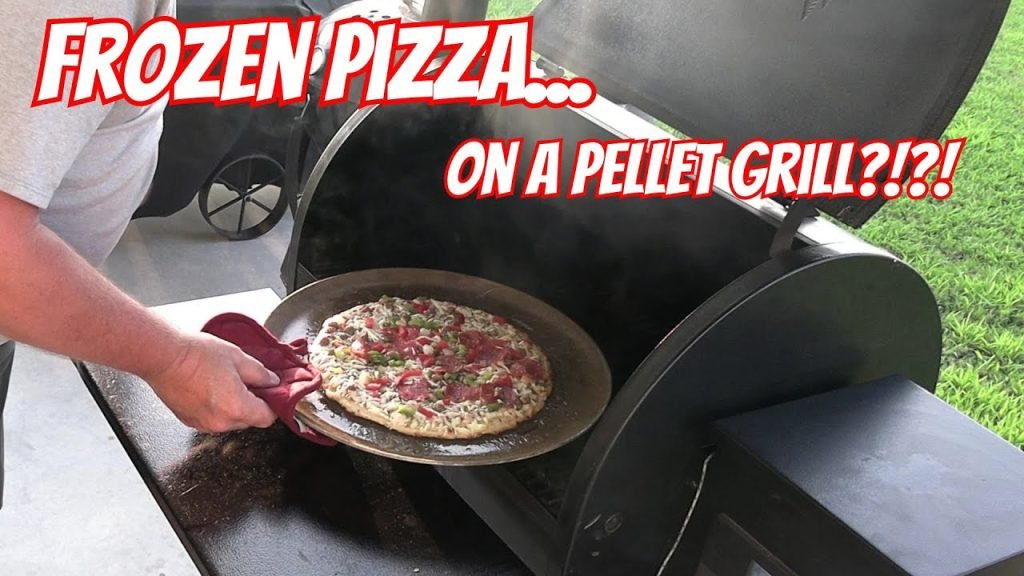
Have you ever wondered if you can grill pizza straight from the freezer? Imagine biting into a hot, crispy slice with that perfect smoky flavor, all without waiting for the oven to heat up.
If you love quick and tasty meals, grilling frozen pizza might be your new go-to trick. You’ll discover exactly how to grill frozen pizza like a pro, avoid common mistakes, and enjoy a delicious, hassle-free meal every time. Ready to turn your grill into the ultimate pizza oven?
Let’s dive in!

Credit: www.threads.com
Benefits Of Grilling Frozen Pizza
Grilling frozen pizza offers several surprising benefits that can change the way you enjoy this quick meal. It’s not just about convenience; grilling brings out flavors and textures that baking sometimes misses. If you’ve never tried it, you might find grilling frozen pizza to be a game-changer in your kitchen routine.
Time-saving Convenience
Grilling frozen pizza cuts down your cooking time significantly. You don’t need to wait for the oven to preheat, and the heat from the grill cooks the pizza quickly and evenly. This makes it perfect for busy evenings when you want a hot meal fast without much prep.
Plus, grilling outside means you keep your kitchen cool and avoid heating up your entire house. Isn’t that a nice bonus during hot summer days?
Enhanced Flavor And Texture
The grill adds a unique smoky flavor that you won’t get from your oven. The direct heat crisps the crust beautifully, giving you that satisfying crunch while keeping the toppings juicy and melted. This contrast makes every bite more enjoyable.
You might be surprised how the grill’s high heat caramelizes the cheese and toppings, making simple frozen pizza taste like a fresh, gourmet dish. Have you noticed how the grill can elevate even the most basic ingredients?
Easy Cleanup
Grilling frozen pizza usually means fewer dishes to wash. You can cook it right on the grill grate or on a simple grill pan, which you can clean quickly after. No need to deal with baking trays or pizza stones covered in sticky cheese and sauce.
Also, grilling outside keeps messes out of your kitchen, reducing overall cleanup time. Wouldn’t you agree that less time cleaning means more time enjoying your meal?

Credit: www.aldireviewer.com
Choosing The Right Frozen Pizza
Choosing the right frozen pizza makes grilling easier and tastier. Not all frozen pizzas suit the grill. Some cook better and hold up well on the heat. Picking the right one ensures a crisp crust and melted cheese.
Types Of Frozen Pizzas
Frozen pizzas come in many styles. Thin crust pizzas cook quickly and get crispy on the grill. Thick crust or deep-dish pizzas take longer to heat through. Some pizzas have stuffed crusts or extra toppings that affect grilling time. Consider classic cheese, pepperoni, veggie, or specialty pizzas. Each type responds differently to grilling heat.
Size And Thickness Considerations
Smaller pizzas fit better on most grills. Large pizzas might not cook evenly. Thin pizzas heat fast and crisp up nicely. Thick pizzas need more time and care to avoid burning. Choose a size and thickness that matches your grill space and cooking patience. A medium, thin crust often works best for grilling.
Ingredients To Look For
Simple ingredients grill better. Avoid pizzas with too many toppings or heavy sauce. Cheese should melt well but not drip excessively. Vegetables should be fresh or lightly cooked. Meats should be pre-cooked or thinly sliced. A balanced pizza helps cook evenly and tastes great off the grill.
Preparing Your Grill
Grill must be clean and preheated to medium-high before cooking frozen pizza. Use indirect heat to avoid burning the crust while melting toppings.
Preparing your grill is crucial for grilling frozen pizza. A well-prepared grill ensures even cooking and a crispy crust. Follow these steps to get your grill ready.Cleaning And Preheating
Start by cleaning your grill grates. Remove any leftover debris or grease. Use a grill brush for best results. A clean surface prevents sticking and uneven cooking. After cleaning, preheat your grill for about 15 minutes. Preheating helps in achieving a consistent cooking temperature. It also reduces the risk of the pizza sticking to the grates.Setting The Temperature
Temperature control is key to grilling pizza. Set your grill to medium-high heat, around 375°F to 400°F. This range cooks the pizza evenly without burning. Use a grill thermometer for accuracy. Proper temperature ensures the crust is crispy and the cheese melts perfectly.Indirect Vs Direct Heat
Decide between indirect and direct heat for grilling. Direct heat cooks the pizza quickly but can burn the crust. Indirect heat is gentler and more consistent. For frozen pizza, indirect heat is often best. Place the pizza on the side of the grill away from direct flames. This method cooks the pizza evenly without burning.Step-by-step Grilling Process
Grilling frozen pizza might sound tricky, but the process is straightforward once you know the right steps. Handling frozen pizza on the grill requires a bit of attention to heat and timing to achieve that perfect crispy crust and melted cheese. Let’s break down the grilling process so you can enjoy a delicious grilled pizza right from the freezer.
Placing The Pizza On The Grill
Preheat your grill to medium heat before placing the pizza on it. Avoid putting the frozen pizza directly over high flames to prevent burning the crust before the toppings cook. Place the pizza carefully on the grill grates, ideally over indirect heat, to allow it to thaw and start cooking evenly.
Have you noticed how the grill marks add a unique flavor and texture to your pizza? Position the pizza so it doesn’t slip through the grates, and consider using a pizza stone or a grill-safe pan if you’re worried about sticking.
Managing Cooking Time
Cooking frozen pizza on the grill usually takes about 10 to 15 minutes, but watch it closely. Keep the grill lid closed as much as possible to maintain consistent heat. Check the pizza every few minutes to make sure the crust isn’t burning and the cheese is melting nicely.
Use a timer to avoid overcooking, but trust your eyes too. If the edges look golden brown and the cheese is bubbling, your pizza is probably ready. Adjust the heat if you see the pizza cooking too fast or too slow.
Rotating For Even Crispiness
Rotating the pizza during grilling helps it cook evenly and prevents hot spots from burning one side. Turn the pizza 90 degrees every 3 to 5 minutes to ensure all sides get equal heat exposure. This also helps the toppings cook uniformly and the crust to crisp up perfectly.
Have you ever ended up with one side burnt and the other undercooked? Frequent rotation is the key to avoiding that. Use tongs or a spatula to carefully flip and rotate the pizza, being gentle to keep the toppings intact.
Tips For Perfect Crispiness
Getting that perfect crispy crust on a frozen pizza grilled outdoors can be a game changer. It’s easy to end up with a crust that’s either too soft or burnt if you don’t pay attention to a few key details. These tips will help you get a crust that’s just right—crispy on the outside, tender inside, and full of flavor.
Using A Pizza Stone Or Pan
Placing your frozen pizza directly on the grill grates can cause uneven cooking. A pizza stone or a cast iron pan creates a steady heat surface that mimics a traditional oven floor.
I once grilled a frozen pizza without a stone and got a burnt bottom but undercooked toppings. Using a pizza stone next time made all the difference—heat spread evenly, and the crust crisped perfectly.
Make sure to preheat the stone or pan on the grill before placing the pizza on it. This helps the crust start cooking immediately and avoid sticking.
Avoiding Soggy Crust
Soggy crust is often caused by excess moisture from frozen toppings or too much sauce. Pat frozen toppings dry with a paper towel if you can, or let the pizza sit for a few minutes after thawing slightly.
Grill with the lid closed to trap heat, but open it occasionally to let moisture escape. This balance keeps the crust crispy without drying out the toppings.
Do you ever wonder why some grilled pizzas feel wet on the bottom? Controlling moisture is the key you might be missing.
Adding Extra Toppings
Adding extra toppings to frozen pizza might seem risky if you want crispiness, but it can actually improve flavor and texture if done right.
Choose toppings that grill well, like sliced peppers, mushrooms, or thinly sliced meats. Avoid watery veggies like fresh tomatoes unless you drain them first.
Adding a light drizzle of olive oil before grilling can also enhance crispiness and prevent toppings from drying out. Have you tried adding fresh herbs after grilling for a burst of freshness?

Credit: butcherbbq.com
Common Mistakes To Avoid
Grilling frozen pizza can be simple, but many make common mistakes. These errors affect taste and texture. Avoid them for a better grilling experience.
Grilling At Too High Heat
High heat cooks the outside fast but leaves the inside cold. It can burn the crust and toppings quickly. Use medium heat to cook evenly and avoid burning.
Skipping Preheating
Placing frozen pizza on a cold grill causes uneven cooking. Preheat the grill for 10-15 minutes before grilling. This ensures the pizza cooks through and gets a crispy crust.
Opening The Lid Too Often
Opening the grill lid lets heat escape. This slows cooking and makes pizza soggy. Keep the lid closed as much as possible for consistent heat and better results.
Alternative Methods For Frozen Pizza
If you’re wondering how to enjoy frozen pizza beyond the grill, there are several reliable alternatives. Each method offers a unique way to get that crispy crust and melty cheese without the hassle of outdoor cooking. Let’s explore some practical options that might fit your kitchen setup and mood.
Oven Baking Vs Grilling
Baking frozen pizza in the oven gives you consistent heat and control over cooking time. Your pizza cooks evenly, producing a crispy crust and thoroughly melted cheese. Plus, you avoid the risk of flare-ups that grilling might cause.
Grilling adds a smoky flavor that’s hard to replicate in an oven. However, it requires more attention to prevent burning. If you want that outdoor taste, grilling frozen pizza is worth trying, but baking is safer for beginners or when you want a straightforward meal.
Using A Stovetop Skillet
Using a skillet on the stovetop is a quick alternative, especially when you don’t want to heat the entire oven. Preheat the pan, place the frozen pizza in it, and cover with a lid to trap heat. This method crisps the bottom while melting the toppings efficiently.
I tried this once when my oven was broken, and surprisingly, the crust turned out crispy and the cheese perfectly melted. Just keep an eye on the heat to avoid burning the base before the toppings cook through.
Microwave Tips
Microwaving frozen pizza is the fastest way, but it can lead to a soggy crust if you’re not careful. Use a microwave crisper pan or place the pizza on a microwave-safe plate and add a paper towel underneath to absorb moisture.
Microwaving won’t give you the same crunch as oven or grill, but it works well for a quick snack. Have you ever tried combining microwave and skillet heating? Start in the microwave to melt the cheese, then finish in a hot skillet to crisp the crust.
Serving And Storing Grilled Pizza
Serving and storing grilled pizza properly can make a big difference in your overall experience. Whether you’re sharing with friends or saving some for later, knowing how to cut, serve, and store your grilled pizza ensures every bite stays delicious. Let’s look at some practical tips to help you enjoy your grilled pizza to the fullest.
Cutting And Serving Suggestions
Use a sharp pizza cutter or a large chef’s knife to slice your grilled pizza. Cutting it while still warm helps the cheese stay melted and the toppings intact. If you like crispy edges, cut the pizza into larger slices so each piece holds its crunch better.
Consider serving grilled pizza with a side of fresh greens or a drizzle of olive oil for extra flavor. You might also want to add some chili flakes or fresh basil leaves on top right before serving to boost the taste. How do you like to customize your pizza after grilling?
Storing Leftovers
Wrap leftover grilled pizza slices tightly in aluminum foil or place them in an airtight container to keep them fresh. Store them in the refrigerator if you plan to eat within 2-3 days. For longer storage, freezing is a great option—just separate slices with parchment paper to avoid sticking.
Remember, reheating grilled pizza from frozen is easy and keeps the texture better than microwaving cold pizza. Have you ever tried freezing grilled pizza and found it tastes just as good later?
Reheating Tips
To reheat grilled pizza, preheat your oven or grill to around 375°F (190°C). Place the pizza slices directly on the oven rack or grill grates to keep the crust crispy. Heat for about 5-8 minutes until the cheese is bubbly and the crust is warmed through.
If you’re short on time, reheating in a hot skillet works well. Just cover the pan with a lid for a few minutes to melt the cheese without drying out the crust. Avoid using the microwave if you want to keep that fresh-grilled texture intact—do you agree that crispy crust makes all the difference?
Frequently Asked Questions
Can You Grill Pizza Directly From Frozen?
Yes, you can grill pizza from frozen. Preheat the grill, place the frozen pizza on it, and cook until the crust is crispy and cheese melts. Use medium heat to avoid burning and cover the grill for even cooking.
How Long Does Frozen Pizza Take On The Grill?
Frozen pizza typically takes 10 to 15 minutes to grill. Cooking time varies with grill temperature and pizza size. Check frequently to avoid burning, and rotate the pizza halfway for even cooking.
Should You Thaw Frozen Pizza Before Grilling?
Thawing frozen pizza before grilling is optional. Grilling from frozen saves time and preserves texture. However, thawing can help cook the pizza more evenly and reduce grilling time slightly.
What Temperature Is Best For Grilling Frozen Pizza?
Medium heat, around 350°F to 400°F (175°C to 200°C), works best for grilling frozen pizza. This temperature ensures the crust crisps without burning and the toppings cook thoroughly.
Conclusion
Grilling frozen pizza is easy and quick. You only need a grill and some heat. The crust gets crispy, and toppings cook well. No need to thaw the pizza first. Just watch it closely to avoid burning. This method saves time and tastes great.
Give it a try for a simple meal. Grilled frozen pizza can be a fun change. Enjoy a tasty pizza with little effort.

Hi, I’m Daniel Brooks—a food lover and kitchen gear enthusiast. I enjoy testing cookware, utensils, and gadgets to see what really works in everyday cooking. At PlugChef.com, I share honest reviews, comparisons, and simple guides to help you choose the best tools for a safer, smarter, and more enjoyable kitchen.
Related posts:
 What Type of Cooking Utensils are Safe: Expert Picks
 What Innovations Could Blenders Make: Unleashing Future Tech
 Smart Strategies to Organize a Small Kitchen: Maximize Space
 How to Organize a Kitchen Cabinet: Expert Tips & Tricks
 How to Organize Kitchen Drawers: Expert Tips and Tricks
 How to Organize a Corner Kitchen Cupboard: Expert Tips

