
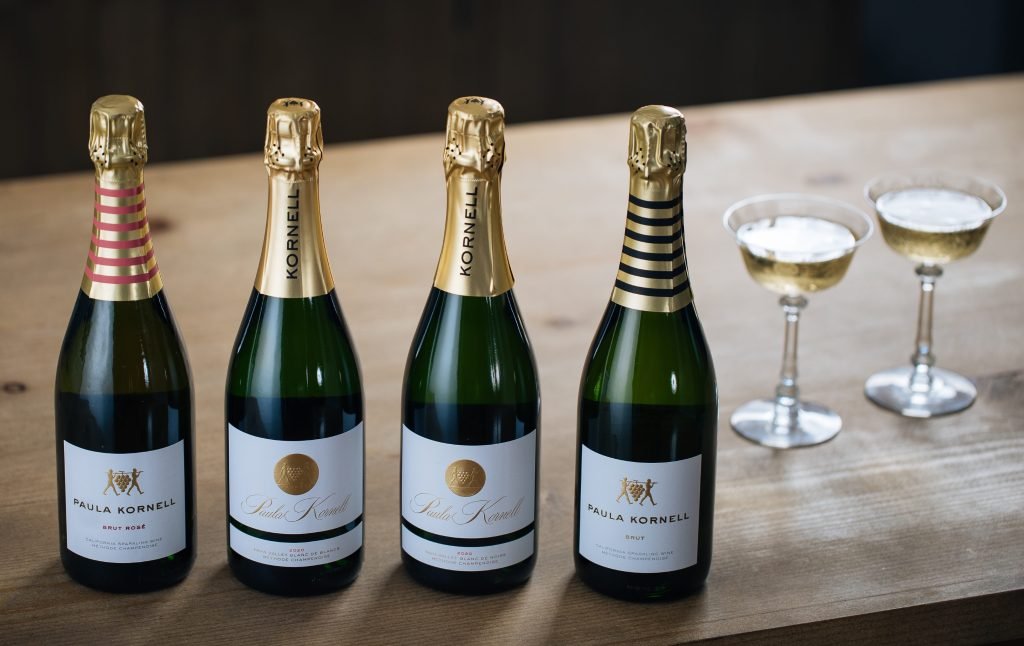
If you love sparkling wine, California Heritage Brut Sparkling Wine is a name you need to know. This wine offers a fresh and vibrant taste that can turn any moment into a celebration.
Imagine popping open a bottle that’s crafted with care, delivering crisp bubbles and rich flavors with every sip. Whether you’re planning a special dinner or just want to treat yourself, this sparkling wine promises to add a touch of elegance to your experience.
Keep reading to discover what makes California Heritage Brut Sparkling Wine stand out and why it could become your new favorite.
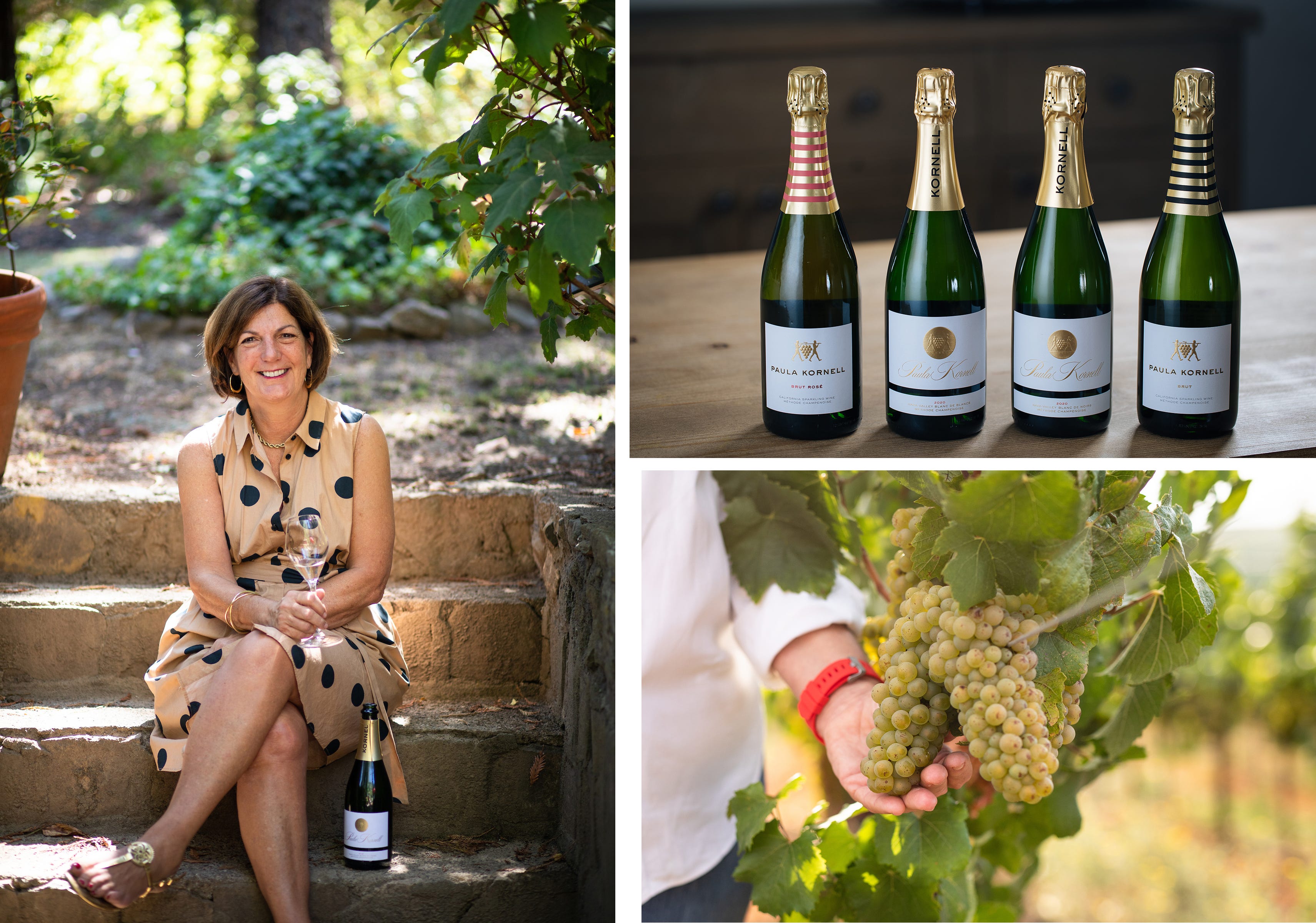
Credit: napavalleyfocus.substack.com
California Sparkling Wine History
California’s sparkling wine has a rich and fascinating history. It reflects the spirit of innovation and passion of local winemakers. The journey began in the 19th century and has grown into a celebrated tradition. Today, California Heritage Brut Sparkling Wine stands as a symbol of this legacy.
Early Beginnings
California’s sparkling wine story started in the late 1800s. Immigrants brought grape-growing skills from Europe. They planted vineyards in cool coastal areas. Early winemakers used traditional methods learned from Champagne, France. They aimed to create wines with fine bubbles and crisp flavors.
By the early 1900s, sparkling wines gained local popularity. Small wineries experimented with different grapes like Chardonnay and Pinot Noir. These early efforts laid the foundation for California’s sparkling wine industry.
Evolution Over The Years
Over decades, winemakers refined their techniques. They adopted modern tools and technology. This improved the quality and consistency of sparkling wines. California’s diverse climate allowed production of many styles.
In the late 20th century, sparkling wines gained national and international acclaim. Producers focused on quality, often using the traditional method. This involves a second fermentation in the bottle to create bubbles.
Today, California Heritage Brut Sparkling Wine honors this tradition. It offers a fresh, elegant taste that reflects years of craftsmanship and care.
What Makes Heritage Brut Unique
California Heritage Brut stands out with its distinct character and craftsmanship. Its uniqueness lies in the careful selection of grapes, precise winemaking, and a flavor profile that surprises and delights. Understanding these elements can help you appreciate why this sparkling wine is a favorite among enthusiasts.
Grape Varieties Used
This sparkling wine blends traditional grape varieties like Chardonnay and Pinot Noir. Both bring a balance of acidity and richness that forms the wine’s backbone.
Chardonnay adds crispness and bright citrus notes, while Pinot Noir contributes body and subtle berry flavors. This combination creates a complex yet approachable taste that works well for many occasions.
Winemaking Techniques
Heritage Brut is made using the traditional method, where secondary fermentation occurs inside the bottle. This process helps create its fine, persistent bubbles and a creamy texture.
Winemakers also pay close attention to aging on the lees (dead yeast cells), which enhances depth and adds a toasty, nutty character. This technique requires patience but results in a sparkling wine that feels both elegant and lively.
Flavor Profile
The flavor of Heritage Brut is fresh and vibrant, with notes of green apple, lemon zest, and hints of brioche. You’ll notice a crisp acidity that balances the subtle creaminess from lees aging.
Its finish is clean and refreshing, making it perfect for pairing with light dishes or enjoying on its own. Have you ever experienced a sparkling wine that feels both lively and smooth? This one manages to do just that.
Tasting California Heritage Brut
California Heritage Brut Sparkling Wine offers a crisp, refreshing taste with delicate bubbles. Its bright flavors reflect the rich California vineyards. Perfect for celebrations or a simple toast.
Tasting California Heritage Brut offers a delightful experience that captivates your senses, leaving a lasting impression. This sparkling wine embodies the essence of California’s rich viticulture, offering a unique taste that reflects its origins. As you explore its complexities, you’ll discover a world of flavors and aromas waiting to be savored.Aroma Characteristics
Upon uncorking a bottle of California Heritage Brut, you’re greeted with a vibrant bouquet that tantalizes your nose. You might detect hints of green apple and citrus, mingling with subtle floral notes. These aromas are a prelude to the sparkling wine’s refreshing profile, inviting you to take a sip.Palate Experience
Taking a sip, the wine envelops your palate with fine bubbles that dance joyfully. The initial crispness is followed by flavors of pear and a hint of toasted almond. This balance of fruitiness and subtle complexity keeps each sip interesting, urging you to explore further.Food Pairings
California Heritage Brut is a versatile companion to a wide range of dishes. Pair it with a classic cheese platter, featuring Brie and Gouda, to elevate your tasting experience. For something more adventurous, try it with sushi or spicy Asian cuisine, as the wine’s acidity complements and enhances these flavors beautifully. Have you ever found a wine that perfectly complements your favorite meal? California Heritage Brut might just be that match, offering delightful surprises with every sip.Vineyard Locations And Terroir
The unique character of California Heritage Brut Sparkling Wine comes largely from where its grapes are grown. The vineyard locations and their terroir play a crucial role in shaping the wine’s flavor, aroma, and texture. Understanding these factors helps you appreciate every sip and makes your tasting experience richer.
Key Vineyards
California Heritage Brut sources grapes from several standout vineyards across the state. Each vineyard brings something special to the blend, contributing to the wine’s complexity.
- Russian River Valley:Known for its cool climate, this area produces grapes with bright acidity and delicate fruit notes.
- Carneros:This region’s cool breezes and foggy mornings create perfect conditions for sparkling wine grapes.
- Monterey County:Here, the long growing season allows grapes to develop rich flavors and balanced sugars.
Visiting these vineyards yourself can reveal how different conditions affect grape quality. Have you ever noticed how the same grape variety tastes different depending on where it’s grown?
Impact Of Climate And Soil
Climate and soil are the backbone of terroir. In California, the combination of coastal influences and varied soil types molds the grapes uniquely.
- Climate:Cool coastal fog keeps temperatures moderate, which helps maintain the grapes’ acidity—a key factor in sparkling wines.
- Soil:Well-drained sandy loam and volcanic soils encourage deep root growth and stress the vines just enough to concentrate flavors.
Your wine glass carries a story of sun, wind, and earth. Next time you taste California Heritage Brut, think about how these natural elements shaped the grapes. What flavors do you detect that might come from the soil or climate?
Comparing Heritage Brut To Other Sparkling Wines
Comparing Heritage Brut to other sparkling wines reveals unique qualities and distinctions. This wine offers a fresh perspective on traditional sparkling styles. Its character stands out in both flavor and production methods. Understanding these differences helps appreciate its place among sparkling wines worldwide.
Differences From Champagne
Heritage Brut is made in California, not in the Champagne region of France. Champagne uses specific grape varieties like Pinot Noir, Chardonnay, and Pinot Meunier. Heritage Brut often includes similar grapes but can vary in blend and style.
Champagne follows strict rules for production, including aging time and méthode champenoise. Heritage Brut may use traditional methods but often has shorter aging periods. This results in a lighter, fruitier taste compared to the complex, toasty notes of Champagne.
Price points differ as well. Champagne is usually more expensive due to its prestige and production costs. Heritage Brut offers a more affordable alternative without losing quality.
Comparison With Other California Sparklers
California produces many sparkling wines, each with a distinct style. Heritage Brut stands out for its balance between fruitiness and acidity. Other California sparklers can be sweeter or more robust.
Many California sparkling wines use the Charmat method, which is faster and less costly. Heritage Brut often uses the traditional bottle fermentation, giving it finer bubbles and more complexity.
Heritage Brut pairs well with a wide range of foods. Some California sparklers focus more on dessert pairings due to their sweetness. This versatility makes Heritage Brut a popular choice for various occasions.
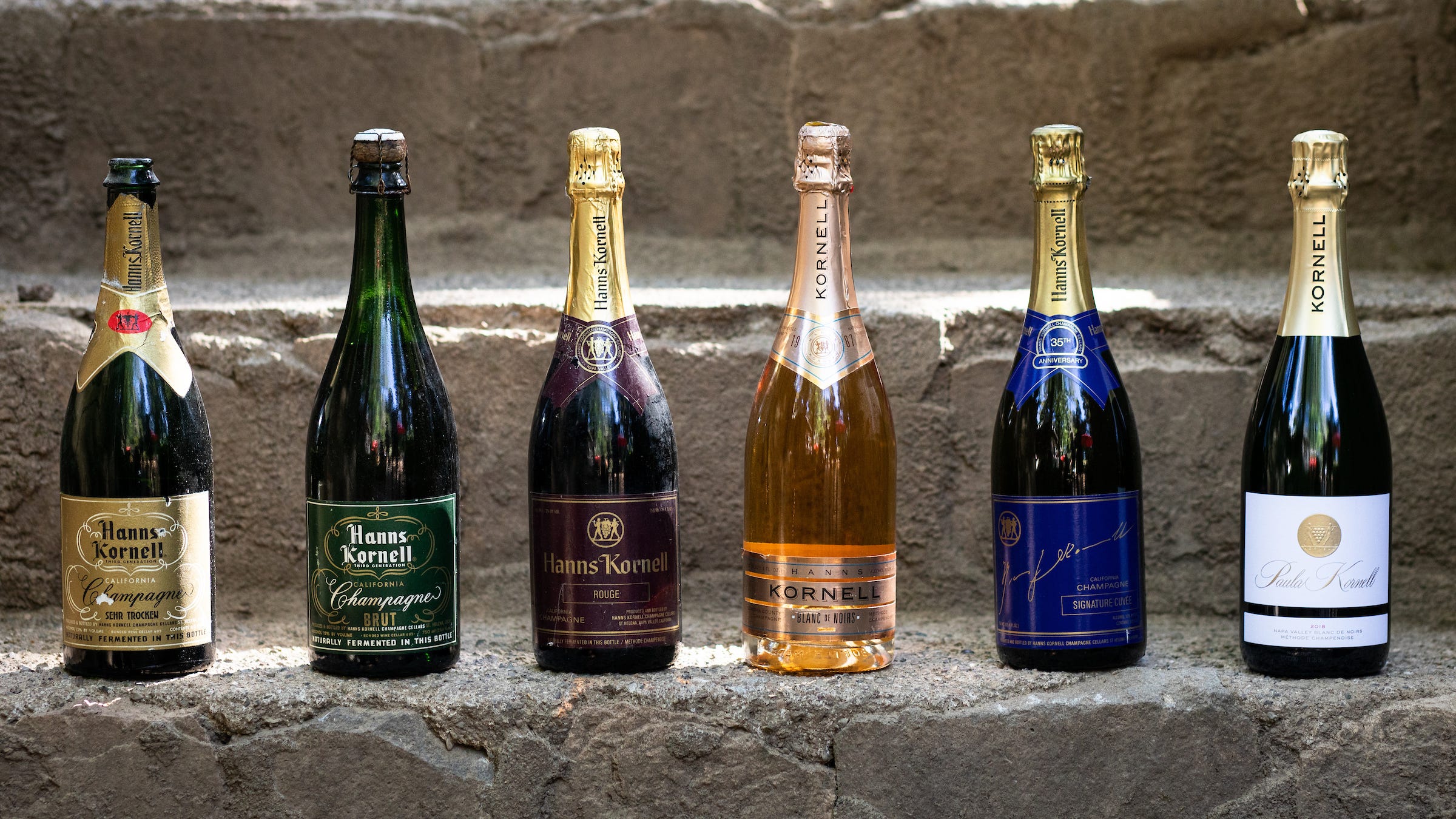
Credit: napavalleyfocus.substack.com
Serving And Storage Tips
Serving and storing your California Heritage Brut Sparkling Wine correctly can greatly enhance your tasting experience. These wines are delicate and need just the right conditions to keep their sparkle and flavor intact. Paying attention to temperature and storage will make sure every sip is as fresh as the first.
Ideal Serving Temperature
Serving your Brut sparkling wine too warm can dull its crispness, while too cold can mask its flavors. Aim for a temperature between 40°F and 50°F (4°C to 10°C) to enjoy the perfect balance of bubbles and taste.
Chill the bottle in the fridge for about three hours before serving or use an ice bucket with half water and half ice for 20-30 minutes. Avoid freezing it, as this can damage the wine’s texture and flavor.
Have you noticed how the bubbles linger longer and taste brighter at the right temperature? This simple step can change your entire experience.
Storage Best Practices
Store your California Heritage Brut Sparkling Wine in a cool, dark place away from direct sunlight and heat sources. A consistent temperature between 50°F and 55°F (10°C to 13°C) is ideal for preserving its freshness over time.
Keep bottles lying on their sides to maintain moisture on the cork, preventing it from drying out and letting air in. Avoid storing sparkling wine in your kitchen or near appliances that emit heat.
Have you ever opened a bottle that tasted flat? Improper storage is often the culprit. Treat your sparkling wine with care to enjoy its full sparkle and flavor whenever you choose to pour a glass.
Celebrations And Occasions
California Heritage Brut Sparkling Wine adds a special touch to celebrations. Its crisp bubbles and balanced flavors lift spirits and create joy. This wine suits many occasions, from small gatherings to grand parties.
Sharing a glass of Heritage Brut makes moments memorable. The fresh taste and elegant finish match various foods and moods. It brings friends and family closer, making every toast meaningful.
Perfect Moments For Heritage Brut
- Weddings: Celebrate love with a classic sparkling wine.
- Anniversaries: Mark years of togetherness with elegance.
- Graduations: Toast success and new beginnings.
- Birthdays: Add sparkle to special days.
- Holiday dinners: Enhance festive meals with bubbly.
- Casual get-togethers: Raise a glass with friends.
Gift Ideas
Heritage Brut is a thoughtful gift choice. Its stylish bottle and quality wine impress receivers. Perfect for wine lovers and casual drinkers alike.
Consider pairing it with:
- Cheese boards for a tasty combo.
- Chocolate for a sweet surprise.
- Gift baskets with gourmet treats.
- Personalized wine stoppers for a custom touch.
Giving Heritage Brut shows care and celebration. It fits birthdays, thank-yous, housewarmings, and more. A sparkling gift that brings smiles and joy.

Credit: parade.com
Frequently Asked Questions
What Is California Heritage Brut Sparkling Wine?
California Heritage Brut is a sparkling wine crafted in California. It offers a crisp, refreshing taste with fine bubbles, perfect for celebrations and casual sipping.
How Is California Heritage Brut Sparkling Wine Made?
This wine is made using traditional methods, fermenting in bottles to create natural carbonation. It blends select California grapes for balanced flavor and aroma.
What Food Pairs Well With California Heritage Brut?
California Heritage Brut pairs well with seafood, light salads, and soft cheeses. Its acidity complements fresh dishes and enhances savory flavors.
Where Can I Buy California Heritage Brut Sparkling Wine?
You can purchase California Heritage Brut at specialty wine shops, online retailers, and select grocery stores across California and beyond.
Conclusion
California Heritage Brut Sparkling Wine offers a fresh taste of tradition. Its crisp bubbles and balanced flavors make it easy to enjoy. Perfect for special moments or simple pleasures. This wine shows the care of California winemakers. A sip brings a touch of celebration anytime.
Try it with friends or quiet evenings. Discover why it stands out in sparkling wines. Simple, elegant, and always refreshing. A true choice for those who love fine wine. Give it a chance and enjoy the sparkle.

Hi, I’m Daniel Brooks—a food lover and kitchen gear enthusiast. I enjoy testing cookware, utensils, and gadgets to see what really works in everyday cooking. At PlugChef.com, I share honest reviews, comparisons, and simple guides to help you choose the best tools for a safer, smarter, and more enjoyable kitchen.
Related posts:
 What Type of Cooking Utensils are Safe: Expert Picks
 What Innovations Could Blenders Make: Unleashing Future Tech
 Smart Strategies to Organize a Small Kitchen: Maximize Space
 How to Organize a Kitchen Cabinet: Expert Tips & Tricks
 How to Organize Kitchen Drawers: Expert Tips and Tricks
 How to Organize a Corner Kitchen Cupboard: Expert Tips

