
Planning a meal with beef tenderloin? One big question you might have is, “How much beef tenderloin should I prepare per person?”
Getting the size right can make all the difference between a perfectly satisfying dinner and leftover overload—or worse, running out of food. Whether you’re hosting a small family dinner or a larger gathering, knowing the ideal portion size helps you save money, reduce waste, and impress your guests.
You’ll discover simple guidelines to nail the perfect beef tenderloin size for every guest at your table. Keep reading to make your next meal effortless and unforgettable.
Choosing The Right Portion Size
Choosing the right portion size of beef tenderloin can make a big difference in your meal experience. It ensures everyone leaves the table satisfied without wasting food or overspending. Understanding how to balance portions based on your guests’ needs will help you plan better and cook with confidence.
Factors Influencing Portion Size
Several things affect how much beef tenderloin you should serve per person. The type of event matters—formal dinners usually call for smaller portions compared to casual gatherings where people expect larger servings.
Also, consider the number of side dishes you’re offering. If you have rich sides like creamy potatoes or cheese-filled vegetables, your guests might eat less beef. Don’t forget to think about the guest’s appetite. Kids and light eaters need less, while meat lovers might want more.
Standard Serving Sizes
Generally, a safe estimate is about 6 to 8 ounces of raw beef tenderloin per person. This usually shrinks by about 25% after cooking due to moisture loss. So, if you want to serve 6 ounces cooked, start with around 8 ounces raw.
| Guest Type | Raw Beef Tenderloin per Person | Cooked Portion Size |
|---|---|---|
| Average Adult | 8 oz (225 g) | 6 oz (170 g) |
| Light Eaters / Children | 5-6 oz (140-170 g) | 4-5 oz (115-140 g) |
| Big Appetites / Meat Lovers | 10 oz (280 g) or more | 7.5 oz (210 g) or more |
Adjusting Portions For Different Appetites
Think about your guests’ preferences before deciding how much to serve. If you know you’re feeding a crowd that loves meat, add extra ounces per person to avoid running short. It’s better to have a little leftover than to leave people hungry.
On the other hand, if you’re hosting a multi-course meal with several heavy dishes, scale back the beef tenderloin portion. You might even serve it as a smaller tasting portion to keep the balance. This approach shows you understand your guests’ tastes and respect their hunger levels.

Credit: www.theitaliandishblog.com
Calculating Beef Tenderloin Weight
Knowing the right weight of beef tenderloin to buy can make or break your meal planning. Too little, and some guests may leave hungry; too much, and you risk wasting money and leftovers. Calculating the correct beef tenderloin weight ensures you serve perfectly sized portions without any guesswork.
Whole Vs. Trimmed Tenderloin
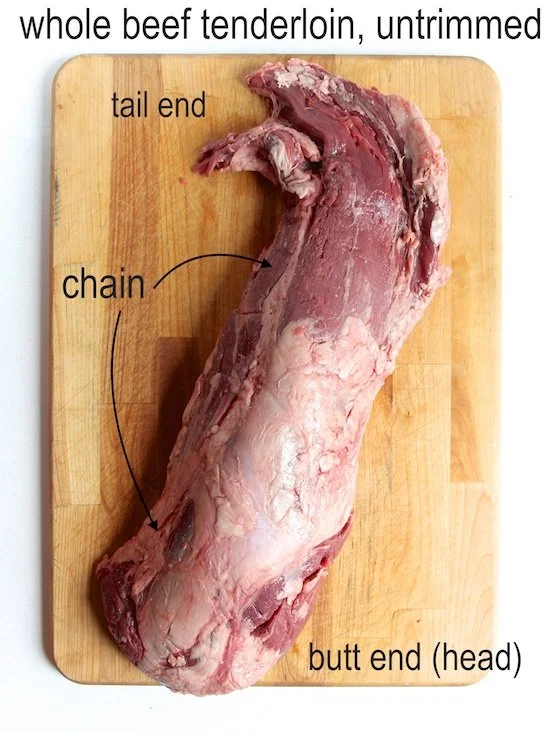
A whole beef tenderloin includes the chain and silver skin, adding extra weight you won’t eat. Trimmed tenderloin is cleaned and ready to cook, so its weight reflects what you will actually serve. If you buy whole, expect to lose about 15-20% of the weight during trimming.
Keep this in mind when shopping. If you want to serve 10 people and you need 6 ounces each, buying a 5-pound whole tenderloin won’t be enough after trimming.
Estimating Weight Per Person
Standard servings of beef tenderloin range from 6 to 8 ounces per person, depending on appetite and side dishes. For a hearty main course, aim for 8 ounces; for lighter meals or multiple courses, 6 ounces works well.
Here’s a simple guide:
- Light eaters or multi-course meals: 6 ounces per person
- Average appetite: 7 ounces per person
- Big eaters or fewer sides: 8 ounces per person
Calculate your total weight by multiplying the number of guests by your chosen portion size. For example, 8 guests at 7 ounces each means you need 56 ounces, or 3.5 pounds of trimmed tenderloin.
Accounting For Bone And Fat
Beef tenderloin is mostly boneless, but the chain and fat can add unwanted bulk if not trimmed. Fat is flavorful but often trimmed off for presentation and health reasons. Keep in mind that buying untrimmed tenderloin means you’ll lose weight after removing these parts.
Expect about 15-20% weight loss if you trim yourself or buy whole. If you prefer convenience, purchase pre-trimmed tenderloin to get exactly what you need. Always factor in these losses to avoid coming up short at the table.
Portion Sizes For Various Occasions
Beef tenderloin is a popular choice for many occasions. It offers a tender and flavorful experience. Different events call for different portion sizes. Understanding how much to serve can enhance your gathering. Let’s explore the ideal portions for various occasions.
Formal Dinners And Events
At formal dinners, presentation matters. Serve 6 to 8 ounces per person. This size ensures elegance and satisfaction. Pair it with sides like vegetables and potatoes. It provides a balanced and appealing plate. Guests will appreciate the attention to detail.
Casual Gatherings
Casual gatherings call for relaxed servings. Aim for 8 to 10 ounces per person. This allows for hearty enjoyment. Guests can savor the meat without feeling restricted. Include simple sides to complement the dish. The atmosphere stays informal and inviting.
Buffet And Family Style Meals
Buffets offer variety and choice. Plan for 4 to 6 ounces per person. This size encourages sampling other dishes. It prevents waste and ensures variety. Family style meals benefit from similar portions. Sharing creates a sense of community and abundance.
Tips For Preparing And Serving
Preparing and serving beef tenderloin with the right techniques makes all the difference in taste and presentation. Paying attention to details like resting, carving, and serving temperature ensures your guests enjoy every bite. Plus, knowing how to handle leftovers keeps the flavors alive and your efforts worthwhile.
Resting And Carving Techniques
After roasting, let your beef tenderloin rest for at least 15 minutes. This allows the juices to redistribute, making the meat juicier and more tender. Cutting into it too soon causes those flavorful juices to spill out onto the cutting board.
When carving, use a sharp knife and slice against the grain. This makes the meat easier to chew and enhances the texture. If you’re unsure about the grain direction, look closely at the muscle fibers before slicing.
Serving Temperature And Presentation
Serve beef tenderloin warm, but not piping hot. Around 130–135°F (54–57°C) is perfect for medium-rare, letting the flavors shine without drying out the meat. Use a meat thermometer to check the temperature accurately.
Presentation matters. Arrange slices neatly on a warmed platter and garnish with fresh herbs or a drizzle of sauce. Simple touches like this elevate the dining experience and make your meal visually appealing.
Leftover Storage And Usage
Store leftover beef tenderloin in an airtight container within two hours of serving to keep it fresh. Refrigerate for up to 3 days or freeze for longer storage. Label the container with the date to avoid confusion.
Leftovers don’t have to be boring. Thin slices work great in sandwiches, salads, or stir-fries. Have you tried adding a quick marinade and tossing it with veggies? It’s a tasty, quick meal that extends your tenderloin enjoyment beyond the main event.
Common Mistakes To Avoid
Estimating the right amount of beef tenderloin per person can be tricky. Many people fall into common traps that lead to either too much or too little food. Avoiding these mistakes will help you serve perfectly sized portions without waste or shortage.
Overestimating Guest Appetite
It’s easy to assume everyone will eat a large portion of beef tenderloin. However, not all guests have the same appetite. Some may prefer smaller servings or may be filling up on appetizers and sides.
Think about your audience. Are they mostly big eaters, or do they tend to nibble? Adjust your beef tenderloin size accordingly to avoid leftovers that go to waste.
Ignoring Cooking Loss
Raw weight doesn’t equal cooked weight. Beef tenderloin loses about 25% of its weight during cooking due to water and fat loss. If you buy 8 ounces per person raw, expect to serve closer to 6 ounces cooked.
Failing to factor this in can leave you short on meat. Always buy a bit extra to cover shrinkage and ensure everyone gets a satisfying portion.
Neglecting Side Dish Impact
Side dishes can greatly influence how much beef your guests eat. When rich sides like creamy potatoes or buttery vegetables are on the menu, people often eat less meat.
Ask yourself: Are you serving heavy or light sides? Adjust the beef tenderloin size down if sides are filling. This balance helps you avoid overspending and food waste while keeping guests happy.

Credit: www.theitaliandishblog.com

Credit: parade.com
Frequently Asked Questions
How Much Beef Tenderloin Per Person Is Recommended?
A standard serving is 6 to 8 ounces of beef tenderloin per person. This accounts for bone and trimming losses. For larger appetites, consider 10 ounces. Adjust servings based on side dishes and meal context for best results.
What Factors Affect Beef Tenderloin Size Per Person?
Factors include appetite size, meal type, and side dish quantity. Special occasions may require larger portions. Children and light eaters need smaller servings. Always consider these to avoid waste or shortage during meals.
How To Calculate Beef Tenderloin For A Group?
Multiply 6 to 8 ounces by the number of guests. Add 10-15% extra for safety and trimming. This ensures enough tenderloin for everyone. Round up for bigger appetites or special events.
Is Beef Tenderloin Size Different For Buffet Servings?
Yes, buffet servings typically require smaller portions per person. Aim for 4 to 6 ounces per guest. This allows room for multiple dishes. Adjust based on other available foods and expected consumption.
Conclusion
Planning the right beef tenderloin size per person helps avoid waste. Aim for about half a pound per guest for a satisfying meal. Adjust the amount for big eaters or small children. Preparing the correct portion saves money and ensures everyone enjoys dinner.
Keep these tips in mind for your next gathering. Enjoy cooking and sharing delicious beef tenderloin with friends and family. Simple steps lead to a great meal every time.

Hi, I’m Daniel Brooks—a food lover and kitchen gear enthusiast. I enjoy testing cookware, utensils, and gadgets to see what really works in everyday cooking. At PlugChef.com, I share honest reviews, comparisons, and simple guides to help you choose the best tools for a safer, smarter, and more enjoyable kitchen.
Related posts:
 What Type of Cooking Utensils are Safe: Expert Picks
 What Innovations Could Blenders Make: Unleashing Future Tech
 Smart Strategies to Organize a Small Kitchen: Maximize Space
 How to Organize a Kitchen Cabinet: Expert Tips & Tricks
 How to Organize Kitchen Drawers: Expert Tips and Tricks
 How to Organize a Corner Kitchen Cupboard: Expert Tips

