
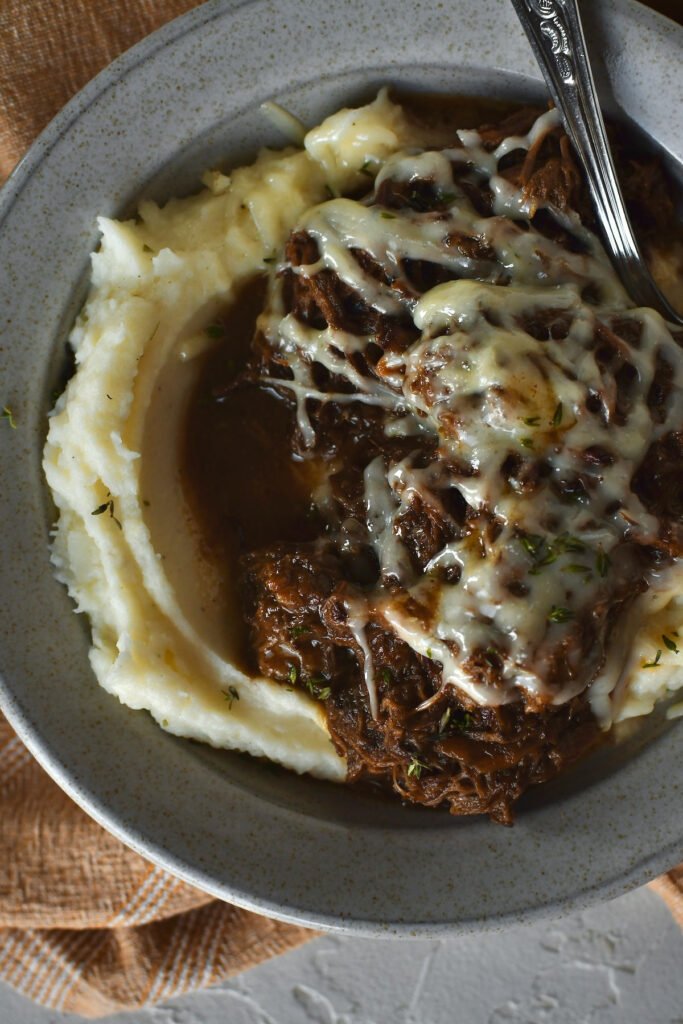
There’s nothing quite like a bowl of beef roast French onion soup to chase away the chill of a cold day. This dish masterfully combines the hearty, savory depth of slow-roasted beef with the sweet, caramelized richness of classic French onion soup, creating a comforting, satisfying meal that works for weeknight dinners, casual gatherings, or even a cozy solo lunch. Unlike restaurant versions that can feel intimidating to recreate, this recipe uses simple, accessible ingredients and straightforward steps to deliver restaurant-quality flavor right in your home kitchen. You don’t need fancy equipment or hours of active prep time—just a little patience for the caramelized onions, which are the true soul of this dish.
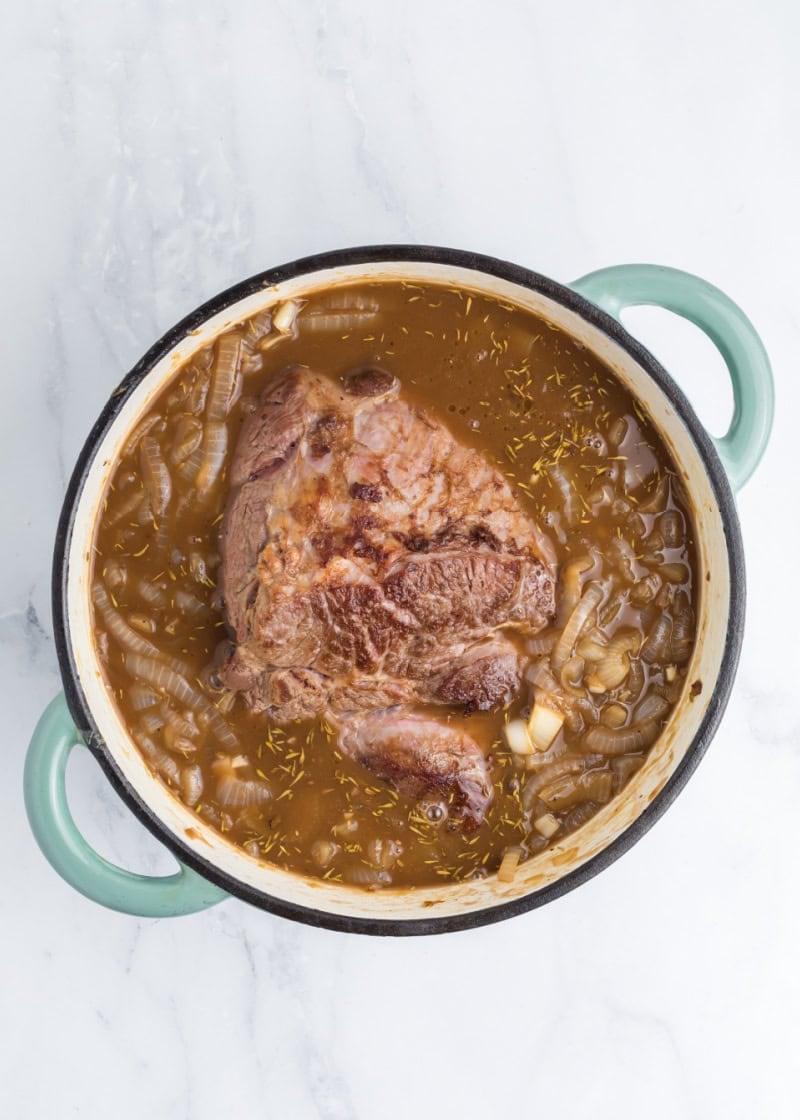
 A well-seared chuck roast forms the hearty, flavorful base of this soup
Image source: somuchfoodblog.com
A well-seared chuck roast forms the hearty, flavorful base of this soup
Image source: somuchfoodblog.com
What You’ll Need: Core Ingredients
The magic of this dish comes from high-quality, simple components with no hard-to-find items. Each ingredient plays a specific role in building the deep, balanced flavor the soup is known for.
Beef Roast Selection
A well-marbled 3–4 lb chuck roast is the ideal choice for this recipe. Chuck has high connective tissue that breaks down into gelatin during slow cooking, creating a rich, velvety broth and tender, shreddable meat that melts in your mouth. Avoid very lean cuts like sirloin or round roast, as they will turn dry and chewy during the long cook time required for this soup. If you have leftover pot roast or holiday prime rib on hand, you can use that instead for an even more decadent, time-saving version.
Onions & Aromatics
You’ll need 4 large yellow onions (about 2 lbs total), sliced into ¼-inch thick strips for even caramelization. For a sweeter, more complex flavor, you can swap 1–2 of the yellow onions for sweet Vidalia or shallots. You’ll also need 3–4 cloves of minced garlic, 2 sprigs of fresh thyme, and 2 bay leaves to add earthy, aromatic depth to the broth.
Broth & Seasonings
Use 4 cups of low-sodium beef broth or stock for the base—homemade stock works best, but high-quality store-bought options are perfectly acceptable. You’ll also need 2 tablespoons of Worcestershire sauce for umami depth, ½ cup of dry red wine (optional, but highly recommended for complexity), kosher salt, and freshly ground black pepper to taste. A pinch of sugar or a splash of balsamic vinegar can also help speed up onion caramelization if you’re short on time.
Cheesy Bread Toppings
The classic crispy, cheesy crust is non-negotiable for this dish. Use a crusty French baguette or sourdough, sliced into 1-inch thick rounds. For the cheese, opt for freshly shredded Gruyère—pre-shredded cheese is coated in anti-caking cellulose that prevents smooth, even melting, so grating your own makes a noticeable difference in the final texture.
Step 1: Prepare & Cook the Tender Beef Roast
The quality of your cooked roast will make or break the soup’s texture and flavor, so don’t rush this step.
Choosing the Right Cut
As mentioned earlier, chuck roast is the gold standard for this recipe, but brisket works as a substitute if you prefer a richer, fattier broth. No matter which cut you choose, look for good marbling (white flecks of fat throughout the meat) as this fat will render down during cooking to add flavor and moisture to the soup. Trim any large, hard pieces of exterior fat if you prefer a leaner final dish, but leave small marbled fat intact for flavor.
Seasoning & Searing
Pat the roast completely dry with paper towels first—this is a common step many home cooks skip, but it ensures the meat sears properly instead of steaming. Season generously on all sides with kosher salt and black pepper, then heat 1 tablespoon of oil in a heavy-bottomed Dutch oven over medium-high heat. Sear the roast for 3–4 minutes per side until a deep golden brown crust forms on all sides. This step, called the Maillard reaction, adds deep, savory flavor to the entire soup base, so don’t skip it. If you have young children in the home, use childproof drawer latches to keep sharp knives and hot cooking surfaces out of reach while you prep ingredients.
Slow Cooking Methods
Once seared, you can cook the roast using one of three methods, depending on your schedule and equipment:
- Oven method: Add any aromatics you want to the Dutch oven, cover, and cook at 325°F for 2.5–3 hours, until the internal temperature reaches 195–203°F and the meat shreds easily with a fork. For food safety guidance, reference USDA safe beef handling guidelines to confirm proper temperature ranges for your cut.
- Slow cooker method: Transfer the seared roast to a slow cooker, add aromatics and 1 cup of beef broth, and cook on low for 6–7 hours until tender.
- Stovetop method: Keep the roast in the Dutch oven, add aromatics and 1 cup of broth, cover, and simmer on low for 2.5–3 hours, adding more broth as needed to prevent the meat from drying out.
In practice, the oven method yields the most consistent, flavorful results, as the even heat helps break down connective tissue evenly without drying out the meat. Once cooked, remove the roast from the pot, shred it with two forks, and set aside, leaving any rendered fat and fond (the browned bits on the bottom of the pot) in the Dutch oven for the soup base. Once you’re done searing and slow cooking the roast, a sturdy kitchen cleaning scrub brush makes quick work of scrubbing caramelized onion residue off your Dutch oven.
Step 2: Master the Caramelized Onions (The Soup’s Flavor Foundation)
Caramelized onions are the heart of this dish—they add the sweet, savory depth that balances the rich beef and savory broth. This step can’t be rushed, but it’s mostly hands-off, so you can multitask while the onions cook.
Technique for Deep, Even Caramelization
Slice your onions uniformly into ¼-inch thick strips to ensure they cook evenly. Add 1 tablespoon of butter or oil to the same Dutch oven you used for the roast (the leftover fond will add extra flavor) over medium heat, then add the sliced onions and a pinch of salt. The salt helps draw out moisture and speed up caramelization. Stir the onions every 5–7 minutes to prevent sticking, but don’t stir too often—letting them rest on the heat for a few minutes at a time encourages even browning. If the onions start to stick to the pan, add 1 tablespoon of water to deglaze the bottom and scrape up any browned bits.
Timing & Temperature Tips
Start the onions over medium heat for the first 10 minutes to soften them, then turn the heat down to low. Cook for 45–60 minutes, stirring occasionally, until the onions are a deep, rich golden brown and smell sweet and savory. If you’re short on time, you can add a pinch of sugar or a splash of balsamic vinegar to speed up the process, but slow-cooked onions have a far more complex, layered flavor. If the onions start to darken too quickly or smell burnt, turn the heat down immediately and add a splash of water to stop the cooking process. In practice, most home cooks underestimate how long onions take to caramelize—rushing this step is the most common reason the soup tastes flat, not sweet and deep.
 Slow-caramelized onions take 45–60 minutes to develop their deep, sweet flavor
Image source: myorganizedchaos.net
Slow-caramelized onions take 45–60 minutes to develop their deep, sweet flavor
Image source: myorganizedchaos.net
Step 3: Build & Simmer the Rich Soup Base
This step ties all your prepped components together into a cohesive, flavorful broth.
Combining Ingredients
Once your onions are fully caramelized, add the minced garlic to the pot and cook for 30 seconds until fragrant, being careful not to burn it. Pour in the 4 cups of low-sodium beef broth, scraping up any browned bits from the bottom of the pot to incorporate all that savory flavor. Add the shredded cooked beef, Worcestershire sauce, optional red wine, thyme sprigs, and bay leaves. Stir gently to combine all ingredients.
Simmering for Balanced Flavor
Bring the mixture to a gentle simmer, then turn the heat down to low and cover the pot. Let it simmer for 30 minutes to allow all the flavors to meld together. Taste the broth and adjust seasoning with salt and pepper as needed—keep in mind that the Gruyère topping will add extra saltiness, so avoid oversalting the base. Remove the bay leaves and thyme stems before moving on to assembly. For stubborn, baked-on fond from the seared beef, a top-rated cleaning brush will save you excessive scrubbing time.
Step 4: Assemble & Broil for the Perfect Cheesy Crust
This final step transforms your rich soup base into the iconic, indulgent dish everyone loves.
Topping Bread & Cheese
Preheat your oven’s broiler to high. While it heats, toast the baguette slices under the broiler for 1–2 minutes per side until crispy and golden—this step prevents the bread from getting soggy when it’s added to the soup. Ladle the hot soup into individual oven-safe bowls, top each with a toasted baguette slice, then cover the bread completely with freshly shredded Gruyère. Don’t skimp on the cheese—you want a thick, even layer that will melt into a gooey, golden crust.
Broiling to Perfection
Place the topped bowls on a baking sheet to catch any drips, then broil for 2–3 minutes until the cheese is fully melted, bubbly, and golden brown. Watch the bowls closely the entire time—broilers can vary in heat, and the cheese can go from perfectly golden to burnt in 30 seconds. Once done, remove the bowls from the oven carefully—they will be very hot.
Serving & Presentation Tips
Serve the soup immediately while it’s steaming hot. For a pop of color and freshness, garnish each bowl with a sprinkle of chopped fresh parsley. If you’re serving a crowd, you can keep the soup base warm on low on the stovetop and set up a topping station with toasted bread, shredded cheese, and garnishes so guests can assemble their own bowls. A soap-dispensing dish brush makes washing soup bowls and serving utensils a breeze after dinner.
 Broiled until the cheese is golden and bubbly, the classic cheesy crust is the perfect finish
Image source: feelingsinfood.com
Broiled until the cheese is golden and bubbly, the classic cheesy crust is the perfect finish
Image source: feelingsinfood.com
Pro Tips for Flawless Results Every Time
Small adjustments can take your soup from good to unforgettable, and help you avoid common pitfalls.
Common Mistakes to Avoid
- Rushing the onion caramelization: This is the most common mistake home cooks make. Undercaramelized onions will leave the soup tasting flat and bitter, rather than sweet and deep. Set a timer and plan for at least 45 minutes of cook time for the onions.
- Skipping the beef sear: Searing creates the Maillard reaction, which adds the deep, savory flavor that makes this soup stand out. Don’t skip this step, even if you’re short on time.
- Using pre-shredded cheese: As mentioned earlier, pre-shredded cheese is coated in anti-caking agents that prevent smooth melting. Grate your own Gruyère for the best texture.
- Boiling the soup vigorously: High heat will toughen the shredded beef and make the broth cloudy. Keep the soup at a gentle simmer throughout the cooking process.
Easy Flavor Variations
If you want to switch up the classic recipe, try these simple tweaks:
- Add a pinch of smoked paprika to the soup base for a subtle smoky note that pairs beautifully with the beef.
- Swap Gruyère for sharp white cheddar if you prefer a tangier, more pungent cheese flavor.
- Add a dollop of sour cream or crème fraîche on top of the broiled cheese for extra richness.
- Use leftover holiday prime rib or rotisserie chicken instead of chuck roast for a faster, more decadent version.
Pairing & Serving Suggestions
This rich soup pairs perfectly with light, crisp sides and balanced beverages that cut through its heaviness without overpowering its flavor.
Side Dishes
A simple arugula salad with lemon vinaigrette adds a peppery, bright contrast to the soup’s richness, while roasted root vegetables like carrots and parsnips echo the sweet caramelized onion flavor. For a more casual meal, serve with extra toasted baguette slices rubbed with garlic butter. If you’re hosting a dinner party, pair the soup with a perfectly arranged charcuterie board of cured meats, cheese, and crackers for a full spread. If you’re cooking with kids nearby, install easy-to-use cabinet latches to keep little hands away from hot pans and sharp prep tools.
Beverage Pairings
For wine lovers, a medium-bodied red wine like Pinot Noir or Merlot pairs perfectly with the soup’s rich, savory flavor—their acidity cuts through the heaviness of the beef and cheese without overpowering the dish. If you prefer white wine, a dry Riesling with its crisp, subtle fruitiness is an excellent choice. Non-alcoholic options include sparkling water with a lemon slice, or a lightly brewed iced tea, both of which refresh your palate and let the soup’s complex flavors shine.
Frequently Asked Questions
What makes beef roast the perfect protein for French onion soup?
Beef roast, specifically well-marbled cuts like chuck, adds unbeatable depth and heartiness to French onion soup. Unlike thin-sliced beef, slow-roasted roast breaks down its connective tissue into gelatin during cooking, which thickens the broth slightly and adds a rich, savory mouthfeel that you can’t get from quick-cooking cuts. The slow cooking process also infuses the entire broth with deep, beefy flavor that pairs perfectly with the sweet caramelized onions.
How do I properly prepare beef roast for French onion soup?
Start by patting the roast dry with paper towels, then season generously with kosher salt and black pepper. Sear all sides in a hot Dutch oven with a little oil to develop a golden, flavorful crust, then slow cook it either in the oven, a slow cooker, or on the stovetop with aromatics until it reaches 195–203°F internally and shreds easily with a fork. Once cooked, shred the meat and set it aside, leaving any rendered fat and browned bits in the pot for the soup base.
Can I use other beef cuts instead of a chuck roast?
Yes, while chuck roast is the gold standard for its balance of flavor, tenderness, and affordability, brisket works as a substitute if you prefer a richer, fattier broth. Avoid very lean cuts like sirloin or round roast, as they will turn dry and chewy during the long slow cooking process required for this soup.
How long does beef roast need to cook in French onion soup?
For a 3–4 lb chuck roast, cook for 2.5–3 hours in a 325°F oven, or 6–7 hours on low in a slow cooker, until it is fork-tender and shreds easily. If you’re using leftover pre-cooked roast, add it to the soup during the last 10 minutes of simmering just to heat it through, so it doesn’t overcook and toughen.
Can I make this soup ahead of time?
Yes, you can make the full soup base (without the cheese and bread topping) up to 3 days in advance and store it in an airtight container in the refrigerator, or freeze it for up to 3 months. To serve, reheat the soup base gently on the stovetop, then add the toasted bread and cheese and broil as directed for a fresh, hot meal.
Conclusion
Beef roast French onion soup is the ultimate cozy, crowd-pleasing meal that feels far more indulgent than it is to make. The combination of tender, slow-roasted beef, sweet caramelized onions, and gooey, broiled Gruyère creates a depth of flavor that’s hard to beat, and the recipe is flexible enough to work with leftover roast or adjustments to suit your taste. It’s perfect for cold winter nights, weeknight family dinners, or casual get-togethers with friends, and it freezes beautifully for quick meals later on. Don’t be intimidated by the onion caramelization step—set a timer, stir occasionally, and you’ll end up with a rich, sweet base that makes the entire dish shine. Ready to make your own batch? Grab a chuck roast and start cooking today for a warm, satisfying meal you’ll crave all season long. For post-meal cleanup, a complete kitchen brush set makes scrubbing pots, pans, and countertops quick and easy.

I’m Abby Lu, a passionate home cook who loves simplifying everyday meals. At PlugChef.com, I share product reviews and cooking guides to help you find the best tools for your kitchen.
Related posts:
 What Oil to Use on Cutting Board: Best Options Revealed
 Is Teak Wood Good for Cooking Utensils: Discover Benefits
 How to Cut Skirt Board for Stair: Expert Tips & Techniques
 Can I Put Wood Cutting Board in Dishwasher? Essential Tips
 First Aid Kit Supplies Refills: Essential Items You Must Restock
 10 Person First Aid Kit: Essential Gear for Emergencies

