
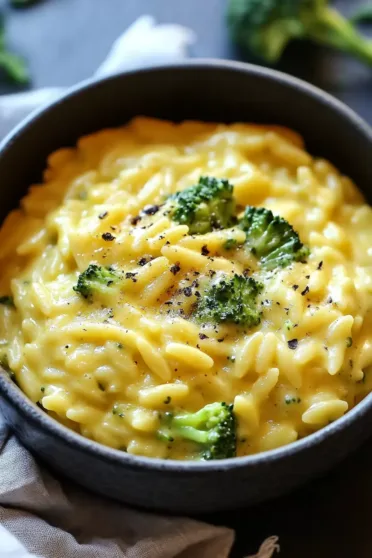
Craving a cozy, cheesy dinner that doesn’t require hours of cooking or a sink full of dishes? One pot broccoli cheese orzo is the ultimate weeknight hack: tender orzo pasta, crisp-tender broccoli, and rich melted cheddar come together in a single pot in 30 minutes flat, with zero pasta water draining required. The natural starch from the orzo thickens the cheese sauce into a velvety, comforting finish that feels like a warm hug in a bowl, and it’s endlessly customizable to fit your taste and dietary needs. Whether you’re cooking for a family, meal prepping for the week, or just want a low-effort comfort meal, this recipe is guaranteed to become a staple.
 A serving of creamy one pot broccoli cheese orzo topped with fresh chives and red pepper flakes
Credit: choosingchia.com
A serving of creamy one pot broccoli cheese orzo topped with fresh chives and red pepper flakes
Credit: choosingchia.com
Why This One Pot Dish Is a Busy Weeknight Essential
One pot meals have earned their reputation as a busy cook’s best friend, but this broccoli cheese orzo stands out for reasons beyond easy cleanup. First, there’s no need to boil orzo separately and drain it—cooking the pasta directly in broth infuses it with flavor and releases natural starches that thicken the cheese sauce without requiring a roux or extra thickener. The dish uses just one 3-quart pot, so you’ll only have one pot to wash when you’re done, and it cooks start to finish in under 30 minutes, making it faster than most takeout options. It’s also budget-friendly, using mostly pantry staples, and packed with veggies and protein from the cheddar for a balanced meal that doesn’t feel like a compromise on nutrition. In practice, a common mistake home cooks make is rinsing orzo before adding it to the pot, which washes off those critical starches and leads to a thin, watery sauce instead of the rich, creamy texture this dish is known for.
Core Ingredients for Perfect Creamy Orzo
The best versions of this dish rely on simple, high-quality ingredients that work together to create a balanced flavor and texture. Skip the pre-shredded cheese and low-quality orzo, as small ingredient swaps make a massive difference in the final result.
Fresh Produce & Dairy
Start with 2 cups of fresh broccoli crowns, cut into uniform 1-inch florets for even cooking. The stems can be peeled and diced if you want to avoid waste—they add a nice crunch and extra fiber. For the cheese, block-cut sharp cheddar is the gold standard: it has a bold, tangy flavor that cuts through the richness of the sauce, and it melts smoothly without the grainy texture that comes from pre-shredded cheese, which is coated in anti-caking agents. If you want extra creaminess, swap ½ cup of the cheddar for smoked gouda or Monterey Jack, both of which melt beautifully and add a subtle depth of flavor. Chop broccoli into uniform 1-inch florets on a well-maintained cutting board—check out our cutting board care guide for tips to keep your board in top shape.
Pantry Staples
You’ll need 1 cup of uncooked orzo pasta (a rice-shaped pasta made from durum wheat, which cooks faster than rice and holds its shape well), 2.5 cups of low-sodium chicken or vegetable broth (low-sodium lets you control the salt level of the final dish), 1 cup of whole milk or half-and-half for extra richness, 1 tbsp of olive oil or unsalted butter for sautéing, and basic seasonings: ½ tsp salt, ¼ tsp freshly ground black pepper, and optional aromatics like diced onion or garlic for added depth.
Simple Swaps for Dietary Needs
This recipe is easy to adapt for almost any diet: use gluten-free orzo (made from chickpeas, rice, or corn) for a gluten-free version, swap dairy milk for oat milk or unsweetened almond milk, and use vegan cheddar shreds plus 1 tbsp of nutritional yeast for a vegan version that still has that signature cheesy flavor. For a lower-carb option, swap half the orzo for riced cauliflower and reduce the broth by ¼ cup to account for the extra moisture from the cauliflower.
 Prepped broccoli, shredded cheddar, orzo, and broth laid out before cooking
Credit: choosingchia.com
Prepped broccoli, shredded cheddar, orzo, and broth laid out before cooking
Credit: choosingchia.com
Step-by-Step One Pot Broccoli Cheese Orzo Recipe
This recipe is designed to be foolproof, with specific timing and temperatures to ensure perfect texture every time. You’ll need a 3-quart heavy-bottomed pot with a tight-fitting lid for best results.
1. Sauté Aromatics and Toast the Orzo
Heat the olive oil or butter in your pot over medium heat. If using onion or garlic, add it now and sauté for 2 minutes until soft and fragrant. Add the uncooked orzo and stir constantly for 2-3 minutes until it turns a light golden brown. This toasting step adds a subtle nutty flavor to the orzo and helps it hold its shape during cooking, so you don’t end up with mushy pasta.
2. Simmer Orzo and Broccoli
Pour in the broth and bring the mixture to a rolling boil, stirring once to make sure no orzo is stuck to the bottom of the pot. Stir in the broccoli florets, then reduce the heat to low, cover the pot, and simmer for 10-12 minutes, stirring occasionally to prevent sticking. The orzo is done when it is al dente (tender but with a slight bite) and the broccoli is tender-crisp, not mushy.
3. Melt Cheese and Finish the Sauce
Turn off the heat entirely—this is critical, as boiling the cheese will cause it to separate and turn grainy. Stir in the milk, shredded cheddar, salt, and pepper, stirring constantly until the cheese is fully melted and the sauce is smooth. If the sauce is too thick for your liking, stir in an extra ¼ cup of broth or milk. Taste and adjust seasoning as needed, then serve immediately.
Pro Tips for Ultra-Creamy, Grain-Free Sauce
These small, tested tweaks will take your orzo from good to restaurant-quality, and eliminate common texture issues.
Cheese Selection for Smooth Melting
Always shred your cheese from a block instead of using pre-shredded varieties, which are coated in anti-caking agents that prevent smooth melting and leave a gritty texture in your sauce. For an extra flavor boost, add ⅛ tsp of freshly grated nutmeg to the sauce—it won’t taste like nutmeg, but it will brighten the cheese’s natural flavor and make the sauce taste richer and more complex.
Liquid Ratio Adjustments
The ideal liquid ratio for this dish is 2.5 cups of liquid per 1 cup of orzo, which yields a perfectly creamy sauce without being watery. If you prefer a thicker, more sauce-heavy dish, reduce the broth to 2 cups per cup of orzo. If you like a looser, more soup-like consistency, add an extra ½ cup of broth at the end. The orzo releases natural starch as it cooks, so the sauce will thicken slightly as it sits, so don’t add extra liquid unless necessary.
Common Mistakes to Avoid
Beyond rinsing the orzo and boiling after adding cheese, another common error is overcooking the broccoli. Add it at the same time as the orzo, and it will cook perfectly in the 10-12 minute simmer time. If you prefer your broccoli extra crisp, add it in the last 5 minutes of cooking instead. Another tip: don’t skip the toasting step for the orzo—it adds a depth of flavor that makes the dish taste far more gourmet with zero extra effort.
 Stirring melted cheddar into the orzo and broccoli to create a smooth, velvety sauce
Credit: choosingchia.com
Stirring melted cheddar into the orzo and broccoli to create a smooth, velvety sauce
Credit: choosingchia.com
Customization Ideas for Every Taste
The base recipe is delicious on its own, but small add-ins can make it fit any craving or dietary need.
Protein Boosters
To turn this side dish into a full, balanced meal, stir in 1 cup of your favorite cooked protein right before serving: rotisserie chicken, crumbled breakfast sausage, peeled and deveined shrimp (add in the last 2 minutes of cooking to avoid overcooking), canned white beans or chickpeas (drained and rinsed), or cubed pan-seared tofu all work beautifully. Each adds a different texture and flavor profile while keeping the dish easy to prepare. This dish is a hit with kids and adults alike, and you can stir in extra hidden veggies like diced carrots or spinach for picky eaters, especially if you’ve child-proofed your kitchen to let them help with prep.
Flavor Variations
For a smoky kick, add ½ tsp of smoked paprika or a pinch of red pepper flakes when you sauté the aromatics. Swap cheddar for pepper jack cheese for a spicy, cheesy flavor, or stir in 1 tbsp of Dijon mustard with the milk for a subtle tang that cuts through the richness. Roasted cherry tomatoes stirred in at the end add a bright, acidic pop that balances the creamy sauce perfectly.
Dietary Adjustments
As mentioned earlier, this recipe is easy to adapt for gluten-free, dairy-free, vegan, and lower-carb diets. For a lower-carb version, swap half the orzo for riced cauliflower and reduce the broth by ¼ cup. For a vegan version, use vegan butter, oat milk, vegan cheddar shreds, and 1 tbsp of nutritional yeast for an extra cheesy flavor boost.
Serving Suggestions and Pairings
This dish is rich and creamy, so pairing it with bright, crisp, or acidic sides and drinks will balance the flavor profile and keep your palate from getting overwhelmed.
Side Dishes
The best sides for this dish cut through the richness with bright, fresh flavors:
- A simple arugula salad with lemon vinaigrette (3 parts olive oil, 1 part fresh lemon juice, 1 tsp Dijon mustard, salt and pepper to taste) and shaved Parmesan
- Roasted cherry tomatoes with garlic and fresh thyme for a sweet, savory pop
- Steamed asparagus or green beans tossed with lemon juice and olive oil for extra greens
- Crusty sourdough or garlic bread to soak up any extra cheesy sauce left in the pot Pair with roasted seasonal veggies like Brussels sprouts or cherry tomatoes (use our favorite veggie cleaning brush to scrub off stubborn dirt before cooking) for a balanced, nutrient-dense meal.
Beverage Pairings
For drinks, opt for something with bright acidity or a light, crisp finish to balance the richness of the cheese:
- Crisp white wines like Sauvignon Blanc or Unoaked Chardonnay
- Light lagers, pilsners, or wheat beers
- Non-alcoholic options: sparkling water with muddled strawberry and mint, or iced green tea with lemon
- For a cozy post-dinner drink, a cup of chamomile or peppermint tea helps cut through the richness of the cheese.
Storing and Reheating Leftovers (No Separated Sauce!)
This dish keeps beautifully for meal prep and leftovers, as long as you follow a few simple rules to preserve its creamy texture.
Safe Storage Guidelines
As noted in USDA food safety guidance, leftovers should be cooled to room temperature within two hours of cooking to prevent bacterial growth. Once cooled, store the orzo in airtight containers in the refrigerator for up to 4 days, or freeze for up to 3 months for longer storage. Per FDA leftover safety rules, always label frozen portions with the date so you can use them within the safe storage window. This dish holds up beautifully for meal prep, so you can portion it out for quick lunches or busy weeknights. If you’re prepping for a family with young kids, no-drill drawer locks keep leftovers safely out of reach until you’re ready to serve them.
Reheating for Perfect Texture
The stovetop is the best method for reheating, as it preserves the sauce’s creamy texture best: add 1-2 tbsp of broth or milk per serving, heat over low-medium heat, and stir constantly until warm, taking care not to boil the sauce. For microwave reheating, add 1 tsp of milk per serving, cover with a damp paper towel to trap moisture, and heat in 30-second intervals, stirring between each, until warm. Avoid high heat at all costs, as it will cause the cheese to separate and the orzo to turn gummy.
Frequently Asked Questions
What ingredients do I need for one pot broccoli cheese orzo?
This recipe uses 9 simple, easy-to-find ingredients: 1 cup uncooked orzo pasta, 2 cups broccoli florets (cut into 1-inch pieces), 2 cups block-shredded sharp cheddar cheese, 2.5 cups low-sodium chicken or vegetable broth, 1 cup whole milk or half-and-half, 1 tbsp olive oil or butter, 1 small diced onion (optional), ½ tsp salt, and ¼ tsp freshly ground black pepper. No fancy equipment or hard-to-find ingredients required.
How long does it take to cook one pot broccoli cheese orzo?
The entire process takes 30 minutes or less from start to finish: 5 minutes for prep, 15 minutes for simmering, and 5 minutes to melt the cheese and finish the sauce. It’s perfect for busy weeknights when you don’t have time to cook a multi-course meal.
Can I use frozen broccoli instead of fresh?
Yes, you can use frozen broccoli to cut down on prep time. Thaw it first and pat it completely dry with a paper towel to avoid adding extra water to the dish, which will thin the cheese sauce. Add it to the pot at the same time as you would fresh broccoli.
Is this dish kid-friendly?
Absolutely. The mild, creamy, cheesy flavor is a hit with most kids, and you can easily hide extra veggies like diced carrots, spinach, or zucchini in the sauce for picky eaters. It’s also a great dish to let kids help with: they can chop the broccoli (with supervision) and stir the cheese into the sauce.
Can I make this dish ahead of time?
Yes, this orzo holds up beautifully for meal prep. Cook it 1-2 days in advance, store it in airtight containers in the refrigerator, and reheat gently with a splash of milk or broth to loosen the sauce before serving. You can also freeze portions for up to 3 months for quick future meals.
Final Thoughts
If you’re tired of spending hours cooking and cleaning up after dinner, this one pot broccoli cheese orzo is the perfect low-effort, high-reward solution. It comes together in 30 minutes flat, requires only one pot to wash, and is endlessly customizable to suit your taste and dietary needs. Try the base recipe first to get a feel for the creamy, comforting flavor, then experiment with add-ins like smoked gouda, roasted cherry tomatoes, cooked shrimp, or red pepper flakes to make it your own. For more easy, tested weeknight dinner recipes the whole family will love, browse our full blog collection.

I’m Abby Lu, a passionate home cook who loves simplifying everyday meals. At PlugChef.com, I share product reviews and cooking guides to help you find the best tools for your kitchen.
Related posts:
 Velveeta Slow Cooker Cheese Dip: Irresistibly Creamy & Easy
 Iced Coffee With French Press: Ultimate Guide for Bold Refreshment
 Garlic Mashed Potatoes Yukon Gold: Creamy, Flavorful, Perfect Side
 Orzo Pasta Recipes With Spinach: Quick, Healthy & Delicious Ideas
 Pesto With an Immersion Blender: Quick, Creamy & Flavorful Recipe
Penne Chicken And Broccoli Recipe: Easy, Delicious Weeknight Dinner
Pesto With an Immersion Blender: Quick, Creamy & Flavorful Recipe
Penne Chicken And Broccoli Recipe: Easy, Delicious Weeknight Dinner

