
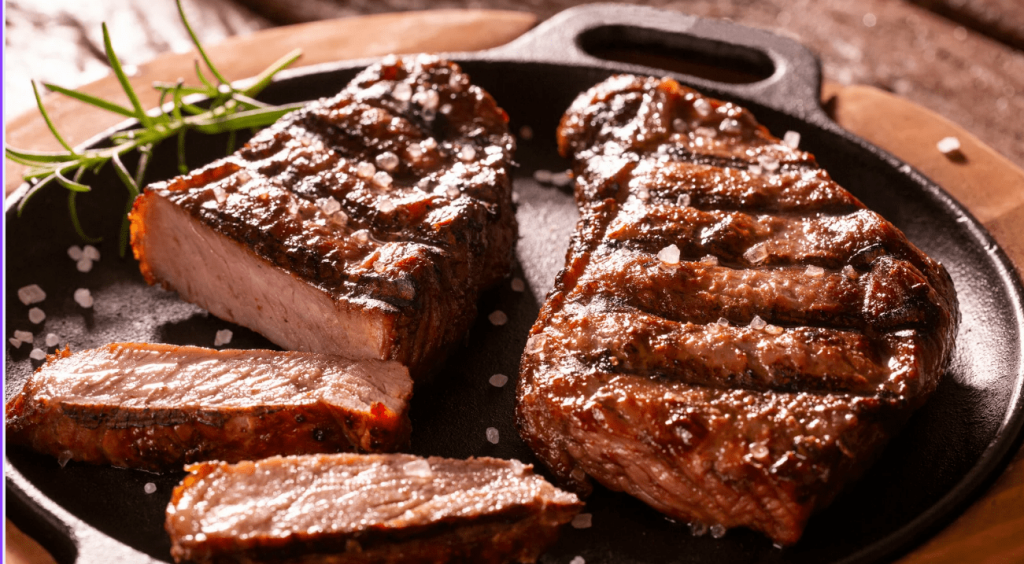
Beef brisket is the crown jewel of low-and-slow cooking: 12+ hours of smoking, rubbing, and tending yields tender, flavorful meat that’s worth every minute of effort. Leftover brisket is just as prized as the first serving, but far too often, it ends up dry, tough, and flavorless after reheating. If you’ve ever ruined a batch of leftover brisket by rushing the process or using the wrong method, you’re not alone. This guide shares food-safe, tested tips to reheat brisket so it stays juicy and tastes just like it did fresh off the smoker, no matter how much time you have.
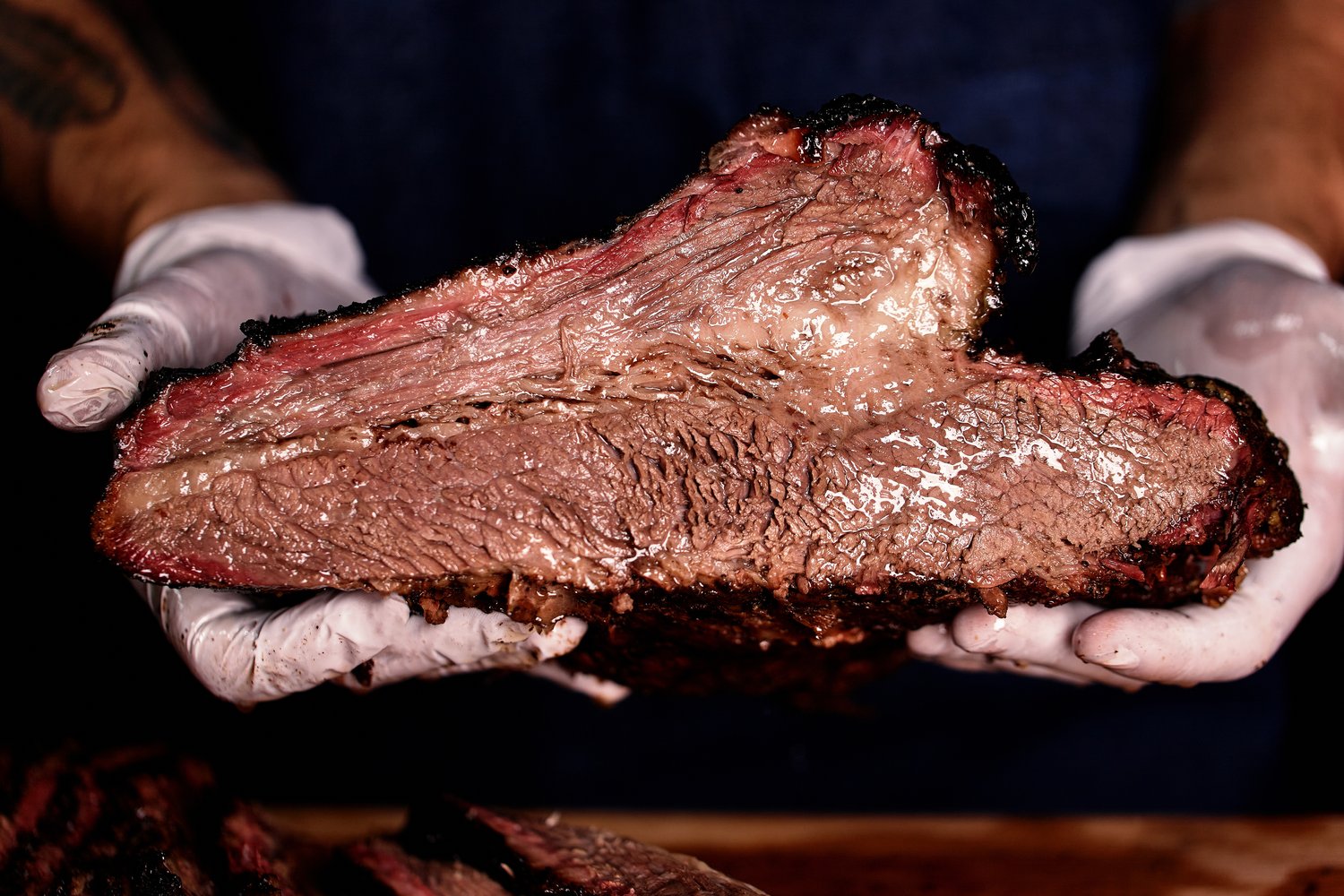 Freshly trimmed beef brisket, portioned for even reheating
Credit: www.thegrillcoach.com
Freshly trimmed beef brisket, portioned for even reheating
Credit: www.thegrillcoach.com
Why Proper Reheating Makes or Breaks Leftover Brisket
Brisket’s signature tenderness comes from collagen in its connective tissue that breaks down into gelatin during long, low cooking. Reheating it too quickly or at high temperatures tightens muscle fibers again, squeezing out that precious moisture and leaving you with chewy, dry meat. Beyond texture, improper reheating poses food safety risks: leftover cooked brisket is perishable, and uneven heating can leave dangerous bacteria in the "danger zone" of 40°F to 140°F (4°C to 60°C). Following proven, low-heat methods and food safety guidelines ensures you get juicy, safe results every time.
Prep Work: Storing and Prepping Brisket for Perfect Reheating
How you store and prep brisket before reheating has a huge impact on the final result. Skipping these steps will leave you with subpar meat even if you use the best reheating method.
Store Brisket Correctly First
If your brisket has been sitting out at room temperature for more than 2 hours (1 hour if your kitchen is above 90°F / 32°C), discard it immediately – it’s no longer safe to eat. For properly stored leftovers:
- Cool brisket to room temperature within 2 hours of cooking, then store in an airtight container in the refrigerator for up to 3 to 4 days
- For longer storage, wrap tightly in plastic wrap and aluminum foil, then freeze for up to 3 months
- Thaw frozen brisket in the refrigerator for 24 hours per 5 lbs of meat before reheating, never thaw at room temperature to avoid bacterial growth
Trim and Portion for Even Heating
Whole packer briskets (10+ lbs) reheat unevenly if left intact. Trim off any hard, congealed fat that formed during cooling, but leave a thin 1/8 inch layer of fat on the surface to baste the meat as it warms. Cut the brisket into 1 to 2 lb chunks, or slice against the grain into 1/4 inch thick pieces if you’re reheating individual servings. Uniform portions ensure even heating, no cold spots or overcooked edges. If you’re prepping on a cutting board, a well-maintained prep surface will hold up to heavy slicing without dulling your knife.
Add Moisture Before Heating
Brisket loses moisture during storage, so adding liquid before reheating is non-negotiable for juicy results. Use unsalted beef broth, leftover au jus, or a thin layer of your favorite barbecue sauce – avoid plain water, which dilutes flavor. Use 1 to 2 tbsp of liquid per pound of brisket, drizzling it over the meat or placing a small dish of it in the reheating container to create steam.
How to Choose the Best Reheating Method for Your Needs
No single reheating method works for every situation. Use this quick guide to pick the right option for your portion size, time constraints, and texture goals:
| Reheating Method | Best For | Prep Time | Reheating Time | Final Texture |
|---|---|---|---|---|
| Oven | Large whole brisket portions (3+ lbs), no time pressure | 5 minutes | 20-45 minutes | Tender, with crispy bark (if uncovered at the end) |
| Stovetop | Sliced individual servings (1-2 servings), quick meals | 2 minutes | 8-12 minutes | Juicy, with a slight sear if desired |
| Slow Cooker | Crowd-sized batches, hands-off reheating, keeping warm for events | 2 minutes | 2-4 hours | Fall-apart tender, no risk of drying out |
| Microwave | Single servings, urgent meals, no other equipment available | 1 minute | 1-2 minutes | Slightly less tender, acceptable for quick use |
Step-by-Step Reheating Guides (With Exact Temps and Times)
All methods below are tested to deliver juicy, food-safe results, with exact temperatures and times to avoid guesswork.
Oven Reheating (Best for Large Pieces)
The oven is the gold standard for reheating whole or large portions of brisket, as low, even heat preserves moisture and texture without toughening the meat.
- Preheat your oven to 250°F (120°C) – high heat will cause the brisket to dry out and toughen.
- Place brisket in a baking dish, drizzle with 1-2 tbsp unsalted beef broth per pound, and cover tightly with aluminum foil to trap steam.
- Heat for 20 to 30 minutes for 1-2 lb portions, or 30 to 45 minutes for 3-5 lb whole packer briskets.
- Check the internal temperature with a meat thermometer – it should reach 165°F (74°C) for food safety.
- Let the brisket rest covered for 10 minutes before slicing to let juices redistribute. Pro tip: For crispy, smoky bark, remove the foil for the last 5 minutes of reheating.
Stovetop Reheating (Best for Sliced Portions)
This quick method is ideal for single servings or small batches, and lets you add a quick sear for extra flavor if desired.
- Place brisket slices in a heavy-bottomed cast iron or stainless steel skillet, drizzle with 1 tbsp beef broth per serving.
- Cover with a tight-fitting lid, heat on low for 8 to 12 minutes, flipping slices halfway through to ensure even warming.
- Check internal temperature to confirm it hits 165°F (74°C).
- For a caramelized finish, add a splash of barbecue sauce in the last 2 minutes of heating and uncover the pan to let the sauce thicken.
Slow Cooker Reheating (Best for Hands-Off, Crowd-Sized Batches)
If you’re feeding a crowd or don’t want to monitor the reheating process, the slow cooker is a foolproof option.
- Place brisket in the slow cooker, add 1/4 cup beef broth for every 2 lbs of meat, and stir to coat.
- Set to low heat, cover, and heat for 2 to 3 hours for pre-portioned sliced brisket, or 3 to 4 hours for a whole packer brisket.
- Stir sliced portions halfway through to ensure even heating.
- Keep the slow cooker on the "warm" setting for up to 2 hours if you’re not serving immediately – no need to adjust heat or risk overcooking.
Microwave Reheating (Last Resort for Single Servings)
The microwave is the fastest option, but it’s the easiest way to ruin brisket’s texture if you’re not careful. Only use this method for single servings when you have no other options.
- Slice brisket into 1/4 inch thick pieces, arrange in a single layer on a microwave-safe plate (stacking causes uneven heating).
- Drizzle with 1 tsp of beef broth per slice, then cover with a damp paper towel (plastic wrap traps too much steam and makes the meat soggy).
- Heat on 50% power in 30-second bursts, flipping slices between each burst, for 1 to 2 minutes total.
- Check internal temperature to confirm it hits 165°F (74°C), and serve immediately to avoid rubbery texture.
 Tight foil wrapping traps steam to lock in moisture during low-heat reheating
Credit: argentineasado.com
Tight foil wrapping traps steam to lock in moisture during low-heat reheating
Credit: argentineasado.com
Food Safety Guidelines You Can’t Skip
Reheating brisket isn’t just about texture – it’s about avoiding foodborne illness. Follow these rules to keep your meal safe, aligned with USDA food safety recommendations:
- Always reheat leftover brisket to a minimum internal temperature of 165°F (74°C) measured with a meat thermometer inserted into the thickest part of the meat. Visual cues like "steaming" are not reliable, as bacteria can survive at lower temperatures.
- Never reheat brisket more than once. Repeated heating and cooling cycles dry out the meat and increase the risk of bacterial growth.
- If you’re reheating brisket for a crowd, keep it at a safe holding temperature of 140°F (60°C) or above until serving, and discard any leftovers that have been left out for more than 2 hours.
- When handling hot brisket and cooking equipment, keep your kitchen safe for children by installing childproof cabinet latches on lower cabinets storing hot pads, cleaning supplies, or sharp utensils.
Common Reheating Mistakes (And How to Avoid Them)
Even experienced cooks make these errors that ruin leftover brisket. Skip them for perfect results every time:
Cranking Up the Heat to Speed Things Up
High heat seems like a quick fix, but it tightens brisket’s muscle fibers instantly, squeezing out all its natural juices and leaving you with tough, dry meat. Always use low heat, even if it adds 10 to 15 minutes to your total time – the texture difference is worth the wait.
Skipping Added Moisture
Even if you stored brisket in its own juices, it will lose moisture during the reheating process. Adding 1-2 tbsp of broth or sauce per pound creates steam that keeps the meat tender, no exceptions.
Overcooking After Reheating
Brisket is already fully cooked from its initial smoking process. You only need to warm it through to 165°F, not cook it further. Use a meat thermometer instead of guessing – every extra minute of heat dries out the meat more.
Skipping the Rest Period
Just like after initial cooking, reheated brisket needs 5 to 10 minutes of resting time covered in foil to let its juices redistribute. Slicing it immediately will cause all the moisture to run out onto your cutting board, leaving the meat bland and dry.
Using the Wrong Wrapping Material
Foil is ideal for oven reheating, as it creates a sealed steam environment. For microwave reheating, use a damp paper towel instead of foil or plastic wrap, which can cause sogginess or sparks in the microwave.
 Low stovetop heat with a splash of broth keeps sliced brisket from drying out
Credit: argentineasado.com
Low stovetop heat with a splash of broth keeps sliced brisket from drying out
Credit: argentineasado.com
Boosting Flavor After Reheating
Reheating can sometimes mute brisket’s rich, smoky flavor. These simple tips bring it back to life:
- Add a finishing glaze: Brush on a mix of 2 parts barbecue sauce, 1 part apple cider vinegar, and 1 tbsp brown sugar during the last 2 minutes of reheating to create a sticky, flavorful coating.
- Top with fresh accents: Diced red onion, pickled jalapeños, fresh cilantro, or a squeeze of lime cut through the brisket’s rich fat and brighten the flavor.
- Serve with complementary sides: Creamy mashed potatoes, roasted root vegetables, tangy coleslaw, or warm brioche buns for sandwiches all pair perfectly with reheated brisket.
- When cleaning up after your meal, use soap-dispensing dish brushes to cut through greasy brisket residue without harsh scrubbing, and heavy-duty kitchen scrubbers for stuck-on sauce on baking dishes or pans. For a fully organized, safe kitchen space, install drawer safety latches on utensil drawers to keep sharp knives out of reach of children.
Frequently Asked Questions
How do you reheat beef brisket without drying it out?
Reheat brisket at low temperatures (250°F / 120°C for oven, low setting for stovetop/slow cooker) with added moisture (beef broth, au jus, or sauce) and tight wrapping to trap steam. Always use a meat thermometer to avoid overcooking, and let the brisket rest for 5-10 minutes after reheating to let juices redistribute.
Can you microwave leftover beef brisket safely?
Yes, as long as you follow food safety rules: slice it into uniform 1/4 inch pieces, cover with a damp paper towel, heat on 50% power in 30-second bursts, and confirm it reaches an internal temperature of 165°F (74°C) before eating. Note that microwave reheating will produce slightly less tender texture than low-heat oven or stovetop methods.
What’s the best oven temperature to reheat brisket?
The best oven temperature for reheating brisket is 250°F (120°C). This low heat warms the meat slowly without tightening muscle fibers, preserving its tender texture and juicy flavor. Heat for 20-45 minutes depending on portion size, and confirm internal temperature hits 165°F before serving.
Should you add liquid when reheating brisket?
Yes, adding 1-2 tbsp of unsalted beef broth, au jus, or thin barbecue sauce per pound of brisket is critical to preventing dryness. The liquid creates steam as it heats, which keeps the meat moist, and adds extra flavor to leaner cuts of brisket.
How long does leftover brisket last in the fridge?
Properly stored in an airtight container, leftover cooked brisket lasts 3 to 4 days in the refrigerator. For longer storage, wrap it tightly and freeze for up to 3 months. Always thaw frozen brisket in the refrigerator before reheating, never at room temperature.
Can you reheat frozen brisket directly?
No, never reheat frozen brisket directly. Thaw it in the refrigerator for 24 hours per 5 lbs of meat first, then reheat using your preferred method. Thawing at room temperature can cause bacterial growth on the outer layers of the meat before the inside thaws.
How do you keep brisket bark crispy when reheating?
If you want to preserve the smoky, crispy bark from your initial cook, reheat the brisket uncovered in the oven at 300°F (150°C) for the last 5 minutes of heating. For sliced brisket, crisp the pieces in a hot cast iron skillet for 1-2 minutes after low-heat reheating.
Conclusion
Reheating beef brisket doesn’t have to result in dry, tough leftovers – it just takes the right low-heat method, a little added moisture, and attention to food safety. Whether you’re reheating a whole packer brisket for a crowd or a single slice for a quick lunch, following these tips will let you enjoy your labor of love just as much the second time around. Skip the high heat, use a meat thermometer to avoid overcooking, and don’t skip the rest step – your taste buds (and your leftover brisket) will thank you.
For more guides to simplify your kitchen cleanup after cooking and reheating, explore our full range of kitchen cleaning tools.

I’m Abby Lu, a passionate home cook who loves simplifying everyday meals. At PlugChef.com, I share product reviews and cooking guides to help you find the best tools for your kitchen.
Related posts:
 Stewed Black Eyed Peas Recipe: Delicious, Easy & Nutritious Guide
 Cowboy Butter Chicken Wings Recipe: Irresistibly Crispy & Flavorful
 Potatoes in Cast Iron Skillet: Crispy, Golden Perfection Every Time
 What to Have With Risotto: Perfect Pairings for Every Occasion
 Chex Mix Recipe for Oven: Easy, Crispy, and Irresistible Snack
 Joanna Gaines Tortilla Soup Recipe: Delicious & Easy to Make

