
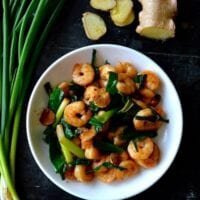
A 20-minute weeknight hero, this Cantonese staple delivers restaurant-quality flavor with minimal effort. Tender, sweet shrimp are coated in a bright, savory sauce built from fresh ginger and scallions, with just enough warmth and umami to keep every bite interesting. Unlike heavy, sauce-laden shrimp dishes, this recipe lets the natural sweetness of the seafood shine through, making it perfect for busy weeknights, last-minute dinner parties, or meal prep. It’s naturally high in protein, low in added sugar, and easy to customize for dietary needs, so it’s a crowd-pleaser for almost every palate.
For more quick, tested weeknight recipes that deliver big flavor without the hassle, our kitchen inspiration blog has hundreds of dishes ready in 30 minutes or less. If you’re cooking with young children in the kitchen, keep cleaning supplies and sharp tools stored out of reach with reliable child safety hardware to keep little ones safe while you cook.
Why This Dish Works So Well
The magic of this dish lies in its perfectly balanced flavor profile: the natural umami and sweetness of shrimp form the base, while fresh ginger adds warm, zesty heat without overpowering the seafood. Scallions bring a mild, fresh onion bite and a pop of bright green color, and a simple sauce of soy sauce, a touch of sugar, and sesame oil ties everything together with deep, savory depth. It’s a no-fuss recipe that feels gourmet, but requires no special skills or hard-to-find ingredients, which is why it’s a staple in home kitchens across Asia and around the world.
Ingredients (With Pro Tips For Best Results)
The short ingredient list is one of the biggest perks of this recipe, but choosing high-quality, fresh components will take your dish from good to unforgettable. Below are pro tips for selecting and prepping each element, plus easy swaps for dietary restrictions.
Fresh Shrimp Selection
For the best texture and flavor, opt for 16/20 count (large) shrimp, which are big enough to stand up to the bold ginger and scallion flavors without getting lost, and cook in 1-2 minutes without overcooking. Both wild-caught and farmed shrimp work well, but look for shrimp with a clean, ocean-like smell (never fishy or ammonia-like) and firm, plump flesh with no grey or dull spots. If buying frozen, choose shrimp with no signs of freezer burn (white ice crystals or dry, discolored spots), and thaw completely in the refrigerator overnight or in a bowl of cold water for 30 minutes before cooking. Pat shrimp thoroughly dry with paper towels before marinating to avoid steaming instead of searing. For official guidance on safe seafood handling, storage, and cooking temperatures to avoid foodborne illness, refer to official USDA seafood safety guidance. Leaving shells on during cooking adds extra depth of flavor, but peeled and deveined shrimp cut down on prep time significantly.
Choosing The Right Ginger
Fresh ginger is non-negotiable for this dish: dried or powdered ginger lacks the bright, pungent zing that makes the sauce pop. Look for firm, smooth-skinned roots with no wrinkles or soft spots; younger, smaller ginger roots are less fibrous and milder in flavor, while mature ginger is spicier and more intense. For 1 pound of shrimp, 1 tablespoon of grated ginger is a good starting point; adjust up or down based on your preference for heat. Store unpeeled ginger in a paper towel in the crisper drawer of your fridge for up to 3 weeks, or freeze grated ginger for up to 6 months for easy use later.
Picking Scallions
Also called green onions, scallions add a fresh, mild onion flavor and a vibrant pop of green. Look for scallions with bright, firm green tops and no yellowing or wilting. The white parts near the root have a sharper, more intense onion flavor, while the green tops are milder and herbaceous. For even cooking, trim the root ends and slice both parts on a slight diagonal to create more surface area; add the whites early in cooking and toss the greens in at the end for a fresh, crisp finish. If you can’t find scallions, chives work as a mild substitute, but they lack the onion bite of the white scallion parts.
Additional Flavor Enhancers
The base ingredients are all you need for a delicious dish, but a few simple add-ins can elevate the flavor even more:
- Low-sodium soy sauce (or tamari for gluten-free diets) for savory umami depth
- 1 teaspoon of toasted sesame oil, added at the end of cooking to preserve its nutty flavor
- 1 minced garlic clove, sautéed with the ginger for extra depth
- A pinch of red pepper flakes or sliced fresh chili for heat
- 1 teaspoon of rice wine or dry sherry to tenderize the shrimp and add complexity
- A tiny pinch of sugar to balance the saltiness of the soy sauce
Avoid overpowering the shrimp with too many add-ins: the star of the dish is the fresh seafood and aromatic ginger-scallion base. Prep all ingredients on a sturdy wooden cutting board; if you love adding personal touches to your kitchen tools, our guide to customizing kitchen gear walks through easy ways to make your cookware uniquely yours.
Step-By-Step Preparation
Proper prep is the key to avoiding common mishaps like rubbery shrimp or bland flavor. Follow these steps for perfect results every time.
Cleaning And Deveining Shrimp
Rinse shrimp under cold running water to remove any surface debris, then pat completely dry with paper towels — this is the most important step for getting a good sear, as excess moisture will steam the shrimp instead of browning them. Peel the shrimp if desired, leaving the tail on for better presentation and easier gripping while eating. Use a small shrimp deveiner or paring knife to make a shallow cut along the back curve of each shrimp, then slide out the dark intestinal vein (it can taste gritty or bitter if left in). Pat the deveined shrimp dry again before marinating.
Slicing Aromatics
Peel fresh ginger with a spoon (it removes the skin easily without wasting any of the flesh) and cut into thin matchsticks for even cooking and maximum flavor release. Thick ginger chunks will release heat too slowly and can overpower the shrimp, so aim for slices no thicker than 1/8 inch. For scallions, trim off the root ends and slice the white and green parts on a slight diagonal; this creates more surface area so they cook faster and release more flavor. Uniform slicing ensures all aromatics cook evenly, so take an extra 30 seconds to cut them to the same size.
Marinating For Maximum Flavor
Combine the dried shrimp, sliced ginger, scallion whites, soy sauce, rice wine (if using), sugar, and white pepper in a bowl, tossing to coat evenly. Marinate for 15 minutes maximum: the enzymes in fresh ginger and the mild acid in rice wine start to break down shrimp proteins if left longer, leading to a soft, mealy texture after cooking. In practice, most home cooks over-marinate shrimp by hours, not minutes, so set a timer to avoid this common mistake. Skip adding salt to the marinade, as the soy sauce provides plenty of seasoning.
Cooking Technique (No Mushy Shrimp Guaranteed)
This dish comes together in 10 minutes or less, but a few small tricks will ensure your shrimp are tender, not rubbery, and the sauce is perfectly balanced.
Stir-Fry Method
Use a wok or heavy-bottomed 12-inch skillet for the best heat distribution. Heat 1 tablespoon of a neutral high-smoke-point oil (avocado, canola, or peanut oil work best) over medium-high heat until it shimmers and just starts to smoke. Add the marinated shrimp in a single layer, being careful not to overcrowd the pan — if you have more than 1 pound of shrimp, cook in batches to avoid lowering the pan temperature, which will steam the shrimp instead of searing them. Sear for 1-2 minutes per side until the shrimp are pink and opaque, then remove them from the pan and set aside. Add the remaining sliced ginger and scallion greens to the pan, sautéing for 30 seconds until fragrant, then add the soy sauce, sesame oil, and any optional add-ins (chili, garlic). Stir to combine, then add the cooked shrimp back to the pan and toss to coat in the sauce for 30 seconds more. Remove from heat immediately to avoid overcooking.
Perfect Texture Tips
The difference between good and great shrimp is all in the cooking time. Shrimp are done when they curl into a loose "C" shape and are firm to the touch, but still slightly springy. If they curl into a tight "O" shape, they’re overcooked and will be rubbery. For food safety, shrimp should reach an internal temperature of 120°F (49°C), per USDA guidelines. Avoid moving the shrimp around the pan constantly while searing: let them sit undisturbed for 1 minute per side to develop a golden crust. If you want a thicker, glossy sauce that clings to the shrimp, mix 1 teaspoon of cornstarch with 1 tablespoon of cold water, then stir it into the pan at the end of cooking and simmer for 30 seconds until thickened.
Balancing Flavors
Taste the sauce before serving and adjust to your preference: add a tiny pinch of sugar if it’s too salty, a squeeze of fresh lime or lemon juice to brighten the flavors, or extra chili if you love heat. The sauce should be savory and bright, not overly salty or sweet, so adjust gradually. Remember that sesame oil is a finishing ingredient: adding it while cooking over high heat will burn it and create a bitter flavor, so always stir it in right before serving.
 Freshly stir-fried shrimp with ginger and scallions, glistening with savory sauce in a carbon steel wok.
Common Mistakes To Avoid
Even experienced home cooks run into issues with this dish, but avoiding these common pitfalls will guarantee perfect results every time:
- Overcooking the shrimp: This is the most common mistake, leading to tough, rubbery texture. Pull the shrimp off the heat when they’re just pink and slightly underdone, as they will continue cooking for 1-2 minutes after removing from the pan.
- Over-marinating: As mentioned earlier, 15 minutes is the maximum marinating time; longer will break down the shrimp’s proteins and leave you with a mushy texture.
- Crowding the pan: Overfilling the pan drops the temperature, steams the shrimp, and prevents a golden sear. Cook in batches if you’re making a large batch.
- Using low-quality ginger: Old, dried, or wrinkled ginger has lost most of its pungent flavor, so always opt for firm, fresh roots for the best results.
- Not patting shrimp dry: Excess moisture on the shrimp’s surface will create steam instead of a sear, leading to soggy, bland shrimp. Always pat thoroughly with paper towels before cooking.
- Adding sesame oil too early: High heat burns sesame oil, creating a bitter aftertaste. Always add it at the end of cooking, right before serving.
Serving Suggestions
This dish is incredibly versatile, and can be served as a main course, side dish, or even a filling for wraps and bowls. Below are our favorite ways to serve it for any occasion.
Classic Pairings
The savory sauce pairs perfectly with simple starches that soak up every bit of flavor:
- Steamed jasmine or basmati rice is the classic pairing, as its mild flavor balances the bold ginger and scallion sauce.
- Fried rice is a great way to use up leftover shrimp: toss the cooked shrimp into leftover rice with a splash of soy sauce and veggies for a 10-minute meal.
- Light rice noodles or cauliflower rice work for low-carb diets, and the noodles’ chewy texture contrasts nicely with the tender shrimp.
- For a fun twist, serve the shrimp over a bed of crispy rice for a crunchy, satisfying texture.
 Restaurant-style ginger-scallion shrimp served over crispy rice, paired with steamed bok choy for a complete meal.
Garnish Ideas
A simple garnish can take your dish from good to restaurant-quality:
- Toasted sesame seeds add a nutty crunch and visual appeal.
- Thinly sliced red chili peppers or a drizzle of chili crisp add heat and color.
- Fresh cilantro leaves add a bright, herbaceous note.
- A squeeze of fresh lime or lemon juice cuts through the richness and brightens the ginger’s warmth.
- Extra sliced scallion greens add a fresh, crisp finish.
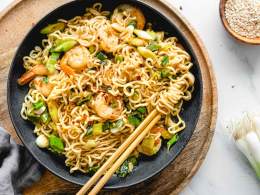 A serving of ginger-scallion shrimp tossed with rice noodles, topped with fresh scallion greens and sesame seeds.
Complementary Side Dishes
Pair the shrimp with light, fresh sides that won’t overpower its delicate flavor:
- A quick cucumber salad with rice vinegar, sesame oil, and a pinch of sugar is crisp and refreshing, perfect for balancing the warm ginger.
- Stir-fried bok choy or broccoli with garlic complements the dish’s Asian-inspired flavor profile without stealing the spotlight.
- A simple mixed green salad with citrus vinaigrette works for a lighter, low-carb meal.
- Roasted sweet potatoes add a hint of sweetness that pairs surprisingly well with the savory shrimp.
When prepping vegetables for side dishes, scrub produce thoroughly with a produce-safe scrub brush to remove dirt and pesticide residue.
Simple Variations To Try
While the classic recipe is perfect as-is, small tweaks can make this dish fit different tastes and dietary needs. Try these easy variations to switch it up:
Vegetable Add-Ins
Add extra vegetables for color, crunch, and nutrition: toss snap peas, sliced bell peppers, thinly sliced carrots, mushrooms, baby corn, or water chestnuts into the pan after you remove the cooked shrimp. Sauté for 2-3 minutes until crisp-tender, then add the shrimp back in to coat in the sauce. Add hearty greens like spinach or bok choy at the very end, tossing just until wilted, for a boost of vitamins.
Protein Swaps
If you don’t eat seafood, the ginger-scallion sauce works beautifully with other proteins:
- Cut boneless, skinless chicken breast or thighs into bite-sized pieces, marinate the same as shrimp, and cook for 5-6 minutes until no longer pink.
- Press extra-firm tofu to remove excess water, pan-fry until crispy, then toss in the sauce for a vegan, plant-based option.
- Sea scallops or firm white fish like cod work as alternative seafood options, with the same quick cooking time as shrimp.
Sauce Twists
Customize the sauce to match your taste preferences:
- Add 1 tablespoon of oyster sauce for a richer, more umami-forward flavor.
- Stir in 1 teaspoon of hoisin sauce for a sweeter, deeper note.
- Mix in 1 tablespoon of chili garlic sauce or sriracha for a spicy kick.
- Use coconut aminos instead of soy sauce for a lower-sodium, soy-free option.
- Add a pinch of Chinese five-spice powder for warm, complex depth.
Frequently Asked Questions
We’ve answered the most common questions about this recipe to help you get perfect results every time.
What makes shrimp with ginger and scallions special?
This dish is a staple of Cantonese home cooking, prized for its perfect balance of bright, warm, and savory flavors with minimal prep. Unlike heavier, sauce-laden shrimp dishes, the ginger and scallion base lets the natural sweetness of the shrimp shine through, while the simple sauce adds depth without masking the seafood’s flavor. It comes together in 20 minutes or less, making it a go-to for busy weeknights, and it’s naturally high in protein and low in added sugar, fitting most dietary needs.
How do you cook shrimp with ginger and scallions?
The key is high heat and quick cooking to avoid rubbery shrimp. Start by patting your shrimp completely dry, then marinate for no more than 15 minutes. Heat a wok or heavy skillet over medium-high heat until shimmering, add a neutral high-smoke-point oil, and cook shrimp in a single layer (work in batches if needed) for 1-2 minutes per side until pink and opaque. Remove shrimp, sauté aromatics for 30 seconds, add sauce ingredients, then toss shrimp back in to coat. Serve immediately.
Can I use frozen shrimp for this recipe?
Absolutely, frozen shrimp is a great budget-friendly option, and often flash-frozen at peak freshness. Thaw shrimp completely in the refrigerator overnight or in a bowl of cold water for 30 minutes, then pat thoroughly dry with paper towels before cooking to remove excess moisture and ensure a good sear. Avoid microwaving to thaw, as it can partially cook the shrimp and make it rubbery.
What side dishes pair well with shrimp ginger scallions?
The light, bright flavor of this dish pairs well with both starches and fresh sides. Classic options include steamed jasmine or basmati rice, which soaks up the savory sauce, or light rice noodles for a low-carb alternative. For fresh sides, try a quick cucumber salad with rice vinegar and sesame oil, stir-fried bok choy with garlic, or a simple mixed green salad with a citrus vinaigrette to cut through the richness. It also works well as a filling for lettuce wraps or a topping for cauliflower rice bowls.
What’s the best type of shrimp to use for this dish?
16/20 count (large) shrimp are ideal, as they’re big enough to stand up to the bold ginger and scallion flavors without getting lost, and cook quickly without overcooking. Both wild-caught and farmed shrimp work well; just check for a clean, ocean-like smell and firm texture when purchasing.
Is this dish keto-friendly?
Yes, as long as you use a low-sodium soy sauce or tamari and skip any added sugar, this dish is naturally low in carbs (less than 5g net carbs per serving) and high in protein, making it perfect for keto or low-carb diets.
Can I make this dish ahead of time?
You can prep all ingredients up to 24 hours in advance, but it’s best cooked fresh, as reheated shrimp can become rubbery. If you need to make it ahead, cook the shrimp and sauce separately, store in airtight containers in the fridge for up to 3 days, and reheat gently in a pan over low heat just before serving.
Final Pro Tips
These small, tested tips will help you nail the dish every time:
- Always preheat your wok or skillet before adding oil, so the shrimp sear instead of steam.
- Don’t over-sauce the dish: the sauce should lightly coat the shrimp, not pool in the pan, so you get balanced flavor in every bite.
- Adjust the heat to your preference: add sliced fresh chili or a dash of chili crisp at the end for extra spice, or use galangal instead of ginger for a more pungent, earthy kick.
- Use fresh aromatics only: dried ginger or powdered garlic lack the bright, fresh flavor that makes this dish special, so always opt for fresh ingredients.
Once you finish cooking, scrub your wok or pan with a sturdy cleaning brush to remove any stuck-on sauce or aromatics before cleaning. After serving, hand-wash all cookware and utensils with an ergonomic dish brush to avoid cross-contamination and keep your kitchen tools in good condition.
Conclusion
Shrimp with ginger and scallions is the perfect blend of quick, flavorful, and versatile, making it a staple you’ll return to again and again. Whether you’re cooking for a busy weeknight dinner, a casual dinner party, or meal prep for the week ahead, this dish delivers restaurant-quality results with minimal effort. By following the pro tips above, avoiding common mistakes, and customizing it to your taste, you’ll have a crowd-pleasing meal ready in 20 minutes flat. For more easy, tested recipes that fit any schedule, browse our full library of weeknight dinner ideas.

I’m Abby Lu, a passionate home cook who loves simplifying everyday meals. At PlugChef.com, I share product reviews and cooking guides to help you find the best tools for your kitchen.
Related posts:
 What Oil to Use on Cutting Board: Best Options Revealed
 Is Teak Wood Good for Cooking Utensils: Discover Benefits
 How to Cut Skirt Board for Stair: Expert Tips & Techniques
 Can I Put Wood Cutting Board in Dishwasher? Essential Tips
 First Aid Kit Supplies Refills: Essential Items You Must Restock
 10 Person First Aid Kit: Essential Gear for Emergencies

