
Midterm week, a hot pan of ramen slips off your dorm stove and burns your forearm. A long walk across campus to your 8 a.m. lecture leaves you with a painful heel blister. A spring picnic triggers an unexpected allergy flare-up. Campus health centers are often overwhelmed during high-stress periods like exam season or flu outbreaks, and a quick trip to the pharmacy might not be feasible late at night or during bad weather. A tailored first aid kit designed specifically for college students fills these gaps, letting you treat minor injuries and common ailments quickly so you can get back to classes, activities, and studying without unnecessary downtime. This guide breaks down exactly what to pack, what to avoid, and how to customize your kit to fit your unique campus routine.
Why a College-Specific First Aid Kit Is Non-Negotiable
Generic drugstore first aid kits are designed for typical household use, and they miss the unique, frequent minor health issues college students face. Blisters from walking miles between classes, burns from dorm cooking, allergy reactions to campus pollen, stress headaches from all-night study sessions, and digestive upset from late-night fast food are all far more common for students than for the average household. A student-specific kit prioritizes these high-use items while staying compact enough to fit in a backpack, dorm desk drawer, or locker. It also reduces unnecessary trips to the campus health center for minor issues, cutting down on wait times during busy periods.
Core Essential Items for Your College First Aid Kit
Organize your kit by category to make items easy to find during an emergency. Prioritize compact, multi-use supplies that take up minimal space in a small bag or box.
Wound Care Basics
Wound care supplies make up the foundation of any first aid kit, and college-specific additions address the most common minor injuries students encounter:
- Adhesive bandages in multiple sizes: Include standard small bandages for paper cuts and small scrapes, 4×4 inch bandages for larger wounds, hydrocolloid bandages for blisters (the most common minor injury reported by campus health centers for students who walk long distances or play intramural sports), and waterproof bandages for use during showers or after swimming.
- Sterile gauze pads and medical tape: 4×4 gauze pads absorb blood and cover larger wounds that don’t fit a standard bandage, while paper or cloth medical tape keeps gauze in place. Paper tape is ideal for students with sensitive skin, as it doesn’t leave residue or cause irritation.
- Antiseptic supplies: Sting-free antiseptic wipes clean wounds without damaging healthy tissue (a common mistake is using hydrogen peroxide or rubbing alcohol on open cuts, which slows healing, per American Red Cross first aid guidelines). A small tube of antibiotic ointment prevents infection and speeds up healing for minor cuts and scrapes.
- Burn care supplies: Small packets of burn gel and non-stick burn dressings treat minor burns from hot pans, microwaved food, or coffee spills—common injuries in dorm rooms with limited kitchen space. Aloe vera gel is also useful for soothing sunburns from long days on campus quads.
Over-the-Counter Medications
Keep medications in their original labeled containers, and avoid mixing products with the same active ingredient to prevent accidental overdose:
- Pain and fever relief: Acetaminophen treats headaches, fever, and general aches, while ibuprofen reduces inflammation and pain from muscle soreness, sprains, or menstrual cramps. These two options cover most minor pain and fever needs without overlapping ingredients.
- Allergy relief: Non-drowsy antihistamines for daytime use prevent sleepiness during classes, while fast-acting options treat sudden seasonal allergy flare-ups from campus pollen, dust, or dorm mold. If you have a history of severe allergic reactions, carry a prescribed epinephrine auto-injector in your kit, and inform your roommates and RA where it is stored.
- Cold and flu relief: Decongestants, cough suppressants, and throat lozenges treat common cold symptoms, which spread quickly in close-quarters dorm settings. Zinc lozenges taken at the first sign of a cold can shorten symptom duration, per CDC campus health resources.
- Digestive aids: Chewable antacids soothe heartburn from late-night fast food or irregular meal schedules, while anti-gas tablets and travel-sized probiotics reduce bloating and discomfort during stressful midterm weeks. Packing pre-prepped meals in portion-controlled containers can also reduce digestive flare-ups from greasy, irregular eating.
Tools and Emergency Equipment
Small tools make all the difference when treating injuries or navigating unexpected emergencies on campus:
- Precision tools: Blunt-tip scissors cut bandages, tape, or clothing without causing accidental cuts, while fine-tip tweezers remove splinters, ticks, or small glass debris from campus grounds or dorm accidents. Tick bites are common for students who walk through wooded areas of campus, so proper removal tools reduce risk of Lyme disease.
- Digital thermometer: A fast-reading digital thermometer (10-second results or less) lets you check for fever quickly before class or before a big exam. A temperature of 100.4°F (38°C) or higher is a sign you should rest and skip in-person classes to avoid spreading illness.
- Instant cold packs: No-refrigeration cold packs provide immediate relief for sprains, bumps, and headaches. Store them in a small leak-proof small container to prevent them from leaking in your backpack.
- Nitrile gloves: 2-3 pairs of disposable gloves protect you from coming into contact with blood or bodily fluids when treating wounds, reducing infection risk.
- Compact LED flashlight and extra batteries: Campus power outages are common during storm season, and many dorm hallways have poor lighting. A small, bright flashlight prevents trips and falls if you’re caught out after dark.
- Emergency contact card: A laminated, waterproof card lists campus security, local emergency services, your emergency contact, and your health insurance information. Store it in a sealed pouch in your kit so it doesn’t get damaged if your backpack gets wet.
- Pocket first aid manual: A physical manual with clear, illustrated instructions for treating sprains, cuts, burns, and choking is critical if your phone dies, loses service, or is unavailable during an emergency. The American Red Cross offers free digital guides you can save to your device as a backup.
- Small whistle: A loud, compact whistle signals for help if you’re injured on campus after dark, or during an emergency situation like a fire or campus alert.
Campus-Specific Personal Items
These often-overlooked items address the daily comfort and health needs of college students:
- Preservative-free lubricating eye drops: Long hours spent staring at laptops, textbooks, and phones reduce blink rate by 66%, leading to dry, irritated eyes, per the American Optometric Association. Small drops provide quick relief during long study sessions.
- Lip balm with SPF 15+: Campus quads have high sun exposure even on cloudy days, and SPF protection prevents chapped, sunburned lips during outdoor activities or walks between classes.
- Hand sanitizer (60%+ alcohol): Cold and flu viruses can survive on hard surfaces like dorm door handles, library computers, and cafeteria tables for up to 24 hours, per CDC guidance. A travel-sized sanitizer reduces your risk of getting sick when soap and water aren’t available.
- Menstrual products: Tampons, pads, or menstrual cups for unexpected periods are a critical essential for half of all students. While many campus health centers offer free products, having your own supply means you don’t have to make a trip when you’re caught off guard.
- Small at-home grooming shears and nail clippers: Quick at-home trims between salon visits reduce the risk of split ends and hangnails, while small nail clippers fix broken nails from sports or dorm accidents. Dull scissors increase risk of ingrown hairs and split ends, so opt for sharp, precision tools.
- Storing leftover snacks or meal prep in airtight snack storage keeps food fresh and reduces waste from late-night dorm runs or dining hall takeout. Keeping a small under-bed storage container in your dorm lets you store backup first aid supplies out of reach of roommates who might borrow items without asking. If you cook in your dorm or off-campus kitchen, a set of sharp reliable kitchen knives for prepping fruit and snacks reduces the risk of accidental cuts, a common dorm cooking injury.
Safety and Emergency Prep Items
These items help you navigate unexpected emergencies beyond minor injuries:
- Whistle: As mentioned earlier, a small, loud whistle is a low-effort way to signal for help if you’re injured, lost, or in danger on campus after dark.
- Emergency contact card: Keep a printed copy in your kit, and save the numbers in your phone as well, in case your phone is dead or unavailable.
- First aid manual: A physical copy is a reliable backup to digital guides, and many campus health centers offer free versions during orientation.
- Basic tool kit: For off-campus students, a small set of tools (screwdriver, pliers, tape) can fix broken furniture, loose steps, or other hazards that could cause injury in your rental.
How to Customize Your Kit for Your Lifestyle
A one-size-fits-all kit works for basic needs, but customizing it to your routine makes it far more useful:
- For student athletes: Add extra blister pads, elastic bandages for sprains, sports tape for joint support, and extra instant cold packs. Keep a small secondary kit in your gym bag with these sport-specific supplies.
- For students with allergies or chronic conditions: Add extra doses of any prescription medications you take, and include a list of your allergies, medications, and doctor’s contact information in your emergency contact card. Inform your RA and close roommates where your kit is stored, so they can access it if you’re unable to during an emergency.
- For off-campus students: Add extra batteries, a small fire extinguisher for your kitchen, and extra winter supplies like hand warmers and chapstick for cold walks to class. Store bulk backup supplies in an under-bed storage container to keep them out of the way but accessible.
Maintaining Your First Aid Kit
A first aid kit is only useful if all its contents are in good condition and up to date. Follow these simple steps to keep it ready for use:
Monthly Quick Checks
Set a recurring reminder on your phone to go through your kit once a month. Look for used or missing supplies, like bandages you used for a recent scrape or antiseptic wipes you ran out of during cold season. Jot down any items you need to restock, so you don’t forget to pick them up on your next trip to the drugstore.
Seasonal Adjustments
Update your kit every season to match common campus health issues: add extra cold and flu medication, throat lozenges, and hand sanitizer in the fall and winter; add burn gel, aloe, and insect bite cream in the spring and summer; and add extra allergy meds during high-pollen seasons. If you’re traveling home for break, pack a small travel-sized kit with the essentials you’ll need for your trip.
Expiration Date Monitoring
Medications, ointments, and sterile supplies lose effectiveness over time, and some expired products can even become harmful, per FDA guidance. Do a deep check of your kit every 3 to 6 months to verify expiration dates on all items, and toss anything that is past its date immediately. Keep a small notebook in your kit to note expiration dates as you add new items, so you don’t have to check every package individually during each review.
Common First Aid Mistakes to Avoid
Even well-stocked kits are useless if you use them incorrectly. Avoid these common errors:
- Don’t use hydrogen peroxide or rubbing alcohol on open wounds: these products damage healthy tissue and slow healing. Use saline solution or sting-free antiseptic wipes instead.
- Don’t ignore small injuries: a minor cut or blister can become infected quickly in damp, high-traffic dorm environments. Clean and bandage all wounds as soon as they happen.
- Don’t share medications: even over-the-counter pain relievers and cold medicine can interact with other medications you or your friends are taking. Keep your kit for your personal use only.
- Don’t store your kit in extreme heat: high temperatures degrade medications and sterile supplies. Keep your kit in a cool, dry place like a desk drawer or backpack, not in a hot car or next to a dorm radiator.
When to Use Your Kit vs. Visit Campus Health
Your first aid kit is designed for minor, self-treatable issues. Go to your campus health center for:
- Cuts that won’t stop bleeding after 10 minutes of applied pressure
- Broken bones, sprains that you can’t put weight on, or head injuries
- Fever over 102°F (39°C) that lasts more than 24 hours
- Severe allergic reactions, signs of infection (redness, swelling, pus around a wound), or difficulty breathing
- Any mental health crisis or ongoing feelings of stress, anxiety, or depression Most campus health centers offer free or low-cost visits for enrolled students, and they can prescribe stronger medications or treatments if your at-home care isn’t enough.
Frequently Asked Questions
What essential items should a college first aid kit have?
At minimum, include wound care supplies (adhesive bandages in multiple sizes, sterile gauze, antiseptic wipes, antibiotic ointment, medical tape), over-the-counter medications (pain relievers, fever reducers, allergy meds, cold and flu relief, antacids), precision tools (tweezers, scissors, digital thermometer), personal care items (hand sanitizer, eye drops, SPF lip balm, menstrual products), and safety items (LED flashlight, emergency contact card, first aid manual, whistle). Customize the kit to your needs: add extra blister pads if you play intramural sports, an epinephrine auto-injector if you have severe allergies, or extra menstrual products if that aligns with your routine.
How often should I check my first aid kit?
Do a quick monthly check for used or missing supplies, and a deep review every 3 to 6 months to verify expiration dates on all medications and sterile items, per CDC guidance. Adjust your kit seasonally to match common campus health issues.
Can I bring prescription medications in my first aid kit?
Yes, but keep all prescription medications in their original labeled containers, and store them in a secure section of your kit if required by your university’s housing policies. Inform your RA and roommates where your medications are stored, so they can access them in an emergency if you’re unable to.
Where should I store my first aid kit in my dorm?
Store it in an easily accessible, visible spot like your desk drawer, nightstand, or front backpack pocket. Avoid locking it in a closet or storing it under heavy items, so you can grab it quickly during an emergency. Let your roommates know where it is so they can use it if needed.
Do I need a physical first aid manual if I have a smartphone?
Yes. While digital first aid guides are useful, a physical manual is critical if your phone dies, loses service, or is unavailable during an emergency. Many campus health centers offer free pocket-sized first aid manuals during orientation.
Conclusion
A well-stocked, tailored first aid kit is one of the simplest ways to stay healthy, safe, and focused on your studies during college. It reduces unnecessary trips to the campus health center for minor issues, lets you treat common injuries and ailments quickly, and gives you peace of mind that you’re prepared for unexpected situations. Start by packing the core essentials above, customize it to your routine and health needs, and check it regularly to keep it up to date. For more tips to make dorm and campus life easier, check out our guide to dorm room storage solutions that help you stay organized all semester.
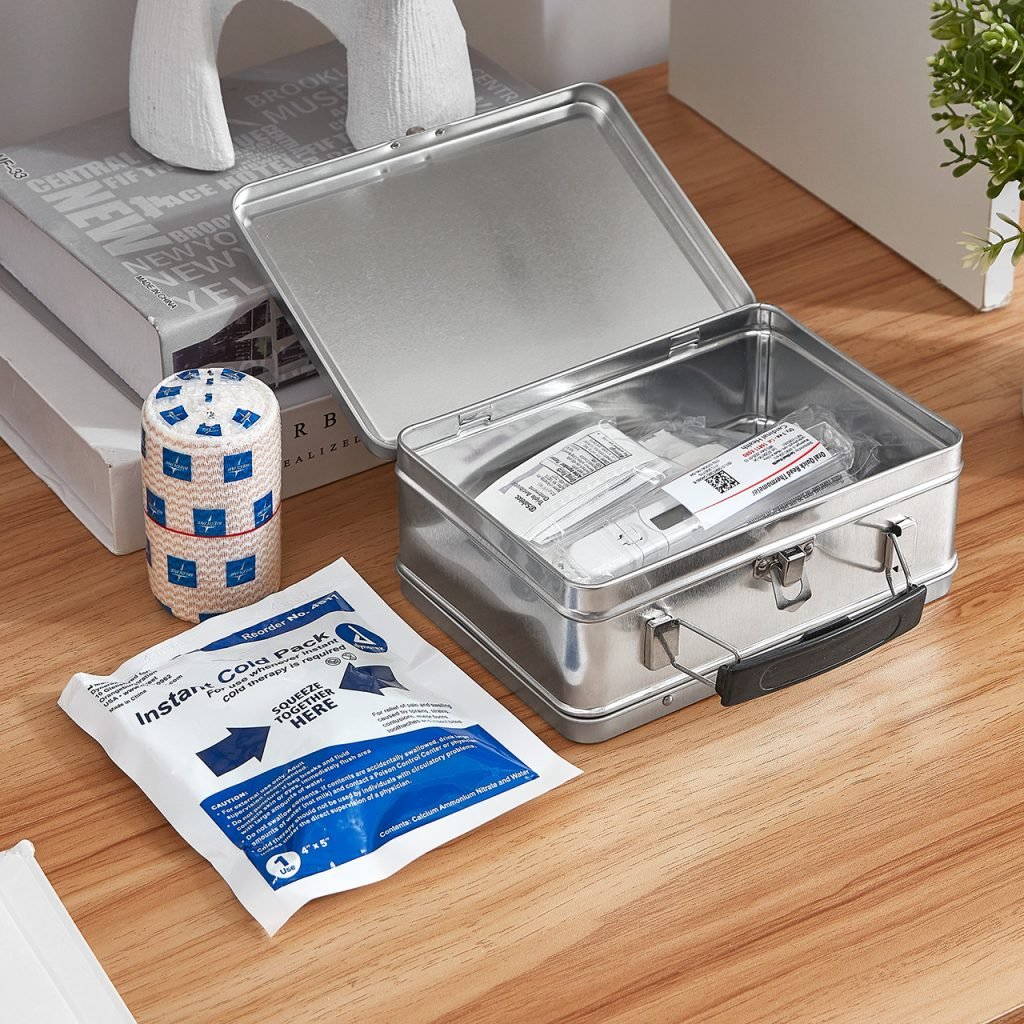
 A compact, student-specific first aid kit fits easily in a small dorm drawer or backpack for on-the-go access
Image source: www.amazon.com
A compact, student-specific first aid kit fits easily in a small dorm drawer or backpack for on-the-go access
Image source: www.amazon.com
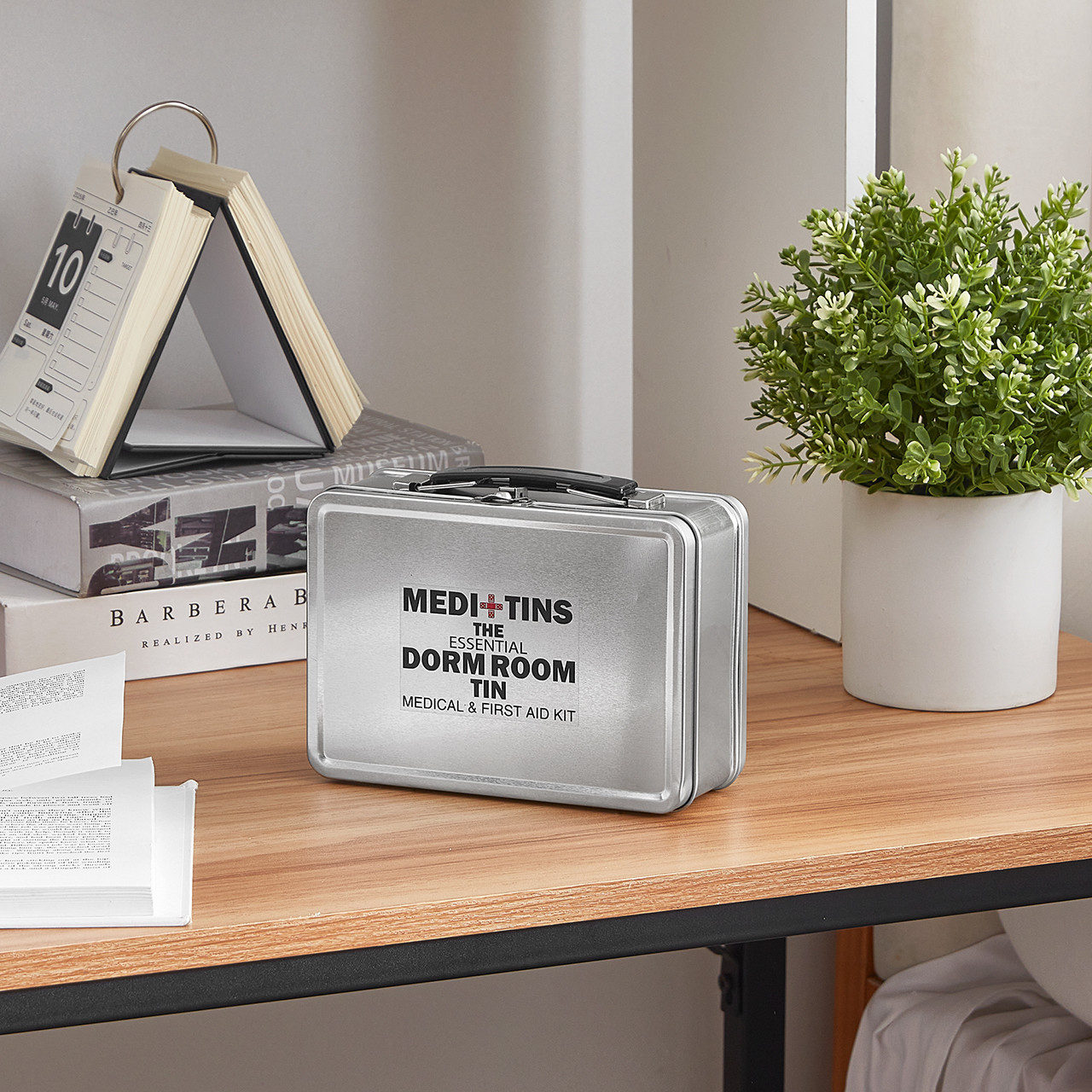 A well-stocked kit covers both minor injuries and common campus health issues
Image source: www.dormco.com
A well-stocked kit covers both minor injuries and common campus health issues
Image source: www.dormco.com
 Storing your kit in an accessible spot like your dorm desk ensures you can grab it quickly during an emergency
Image source: positivelysquaredaway.com
Storing your kit in an accessible spot like your dorm desk ensures you can grab it quickly during an emergency
Image source: positivelysquaredaway.com
Frequently Asked Questions
What essential items should a college first aid kit include?
At minimum, prioritize wound care supplies (multi-size adhesive bandages, sterile gauze pads, sting-free antiseptic wipes, antibiotic ointment, paper medical tape), basic over-the-counter medications (acetaminophen for pain and fever, ibuprofen for inflammation and muscle soreness, non-drowsy antihistamines for allergies, antacids for digestive upset), precision tools (blunt-tip scissors, fine-tip tweezers, digital thermometer, disposable nitrile gloves), personal comfort items (hand sanitizer with at least 60% alcohol, preservative-free eye drops, SPF 15+ lip balm, menstrual products), and safety basics (compact LED flashlight, waterproof emergency contact card, pocket first aid manual, small whistle). Add condition-specific items like an epinephrine auto-injector if you have a history of severe allergic reactions, or extra blister pads if you regularly play intramural sports or walk long distances across campus.
How often should college students check and restock their first aid kit?
Do a quick 5-minute inventory check once a month to replace used supplies like bandages or antiseptic wipes that get used up during minor injuries. Perform a full deep review every 3 to 6 months to verify expiration dates on all medications, ointments, and sterile supplies—expired products can lose effectiveness or even cause adverse reactions, per FDA guidance. Adjust your stock seasonally: add extra cold and flu medication, throat lozenges, and hand sanitizer in fall and winter; add burn gel, aloe vera, and insect bite cream in spring and summer; and stock extra allergy meds during high-pollen months.
Can I bring prescription medications in my college first aid kit?
Yes, but keep all prescription medications in their original, labeled containers to comply with most university housing and campus health policies. Store them in a secure, zippered section of your kit if you share a dorm room, and inform your RA and 1-2 trusted roommates where they are located so they can access them if you are unresponsive or unable to retrieve them during an emergency. Never share prescription medications with others, even if they report similar symptoms, as they may interact with other medications or health conditions you are not aware of.
Where is the best place to store my first aid kit on campus?
Store it in an easily accessible, clearly visible spot: a desk drawer, nightstand, or front pocket of your everyday backpack. Avoid locking it in a closet, tucking it under heavy items, or leaving it in a hot car or next to a dorm radiator, as high heat degrades medications and sterile supplies. Let your roommates or housemates know where it is stored so they can grab it quickly if you are injured or unwell and unable to reach it yourself.
Do I need a physical first aid manual if I have a smartphone?
Yes, a physical manual is a critical backup even if you have digital first aid guides saved to your phone. Your phone may die, lose service, be stolen, or be unavailable during emergencies like campus power outages, natural disasters, or injury events where you cannot access it. Many campus health centers distribute free pocket-sized first aid manuals during orientation, so pick one up when you move in to keep in your kit.
Conclusion
A student-specific first aid kit is one of the most low-effort, high-impact preparations you can make for college life. It lets you treat common minor injuries and ailments quickly, cuts down on long wait times at overwhelmed campus health centers during exam season or flu outbreaks, and gives you peace of mind that you’re ready for unexpected situations whether you’re in your dorm, in class, or exploring campus. Start with the core essentials listed above, customize it to your health needs and daily routine, and check it regularly to keep it up to date. For more tips to simplify dorm and campus living, browse our collection of affordable, space-saving storage solutions designed to fit small student spaces.

I’m Abby Lu, a passionate home cook who loves simplifying everyday meals. At PlugChef.com, I share product reviews and cooking guides to help you find the best tools for your kitchen.
Related posts:
 How Does a Certified Organic Kitchen Clean Dishware Efficiently?
 How to Decorate With Wire Baskets: Chic and Creative Ideas
 Kitchen Organization Tips for Meal Prep: Boost Efficiency
 Dollar Tree Kitchen Organization Hacks: Budget-Friendly Tips
 Slate Kitchen Appliances With White Cabinets: Style Upgrade
 Small Electrical Appliances: Maximize Your Home Efficiency

