
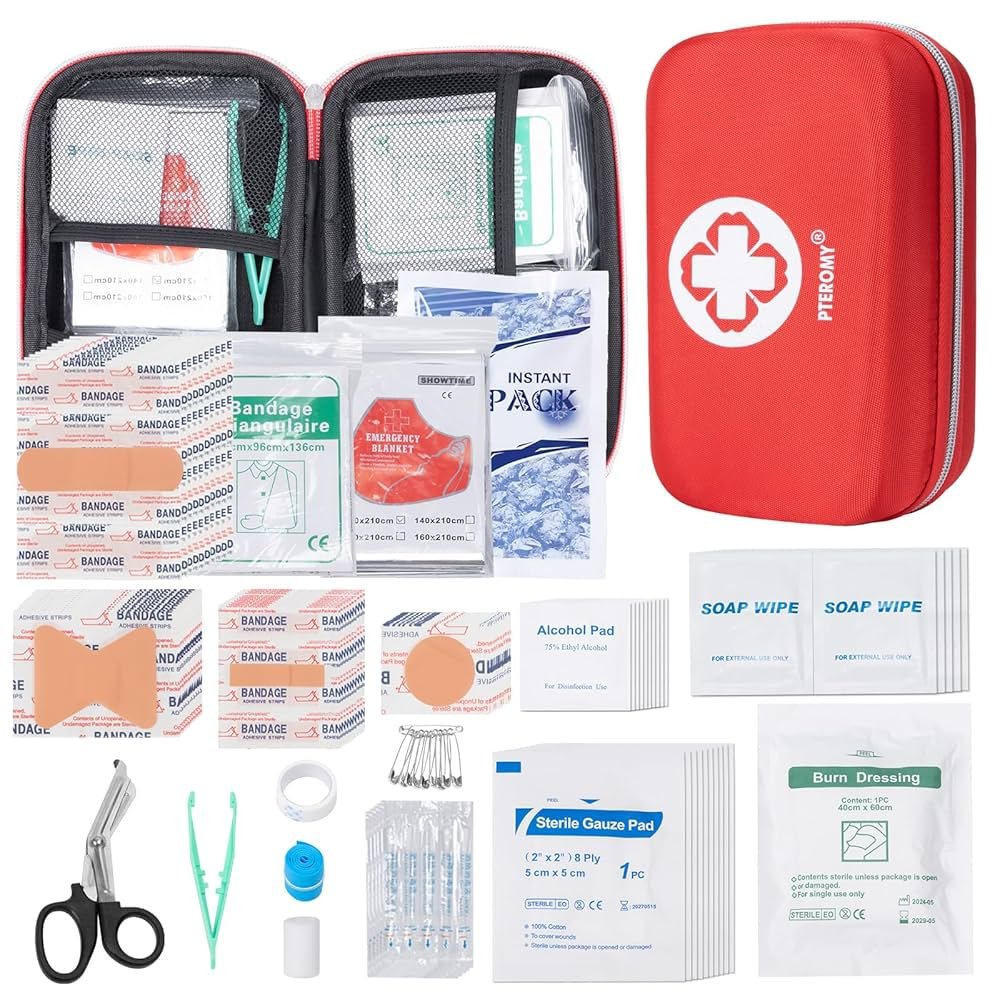
A scraped knee on the playground, a nut allergy reaction in the cafeteria, a sprained ankle during PE class—school emergencies happen fast, and having the right first aid supplies on hand can mean the difference between a minor incident and a serious health crisis. As of 2026, updated guidance from the CDC and OSHA has expanded requirements for school first aid kits, moving beyond basic bandages to address the unique health needs of today’s student population. This guide breaks down exactly what every K-12 campus needs to stay compliant, protect students and staff, and respond confidently to common school emergencies, plus vetted top picks for every budget and use case.
Why First Aid Kits Are a Legal and Safety Requirement for Schools
First aid kits for schools are not just a "nice-to-have" safety measure—they are a mandatory requirement in all 50 U.S. states, with specific guidelines for content, accessibility, and maintenance. Beyond legal compliance, well-stocked kits reduce injury severity, limit school liability, and give students, staff, and parents peace of mind that the campus is prepared for unexpected health events.
Compliance with Federal and State Guidelines
Per CDC school health safety guidance, all K-12 institutions must maintain first aid supplies that address the most common student injuries and chronic health conditions, with kits accessible to staff within 3 minutes of any point on campus. OSHA’s first aid standard for educational facilities further requires at least one CPR and first aid certified staff member to be present on campus during all school hours, with kits stocked to support their response. Many states also have additional requirements, such as mandatory epinephrine auto-injectors for students with documented food allergies, so always check local regulations to ensure full compliance.
Reducing Liability and Improving Student Outcomes
Schools that fail to maintain compliant first aid kits face significant legal liability if a student’s injury worsens due to missing supplies. Beyond risk mitigation, accessible first aid resources reduce student absenteeism: minor injuries like scrapes or allergic reactions can be treated on-site, avoiding unnecessary trips to the emergency room and keeping students in class to learn.
Core Components of a 2026-Compliant School First Aid Kit
A functional school first aid kit balances basic wound care supplies with student-specific items tailored to your campus’s unique needs. Avoid overstocking with unnecessary medical equipment, and prioritize high-use supplies that address the most common school incidents: playground injuries, lab and cafeteria burns, sports sprains, and allergic reactions.
Mandatory Basic Supplies
Every school first aid kit, regardless of grade level, must include these core items:
- Adhesive bandages in a range of sizes (1"x3" for small cuts, 2"x2" for larger wounds, plus fingertip and knuckle bandages for active students)
- Sterile gauze pads (2"x2" and 4"x4") and medical adhesive tape
- Antiseptic wipes (alcohol-free for younger students to avoid stinging) and antibiotic ointment
- Disposable nitrile gloves (multiple pairs, multiple sizes)
- Scissors with blunt tips and tweezers (for removing splinters or debris)
- Instant cold packs (at least 2 per kit, for sprains and swelling)
- Elastic bandages (2" and 4" widths, for sprains and strains)
- CPR face shield or mask
- Basic first aid instruction manual (written in plain language, no medical jargon)
Student-Specific Add-Ons
Tailor your kit to your student population by adding supplies for documented health conditions:
- Epinephrine auto-injectors (EpiPens) for students with severe food or insect allergies
- Albuterol inhalers for students with asthma
- Glucose gel or tablets for students with diabetes
- Age-appropriate over-the-counter pain relievers (acetaminophen or ibuprofen) with signed parent permission on file
- Burn gel or cream for minor kitchen, science lab, or cafeteria burns
- Eye wash solution for chemical splashes or debris
Items to Avoid Stocking
Overstocking kits with unnecessary or high-risk items creates confusion and increases liability. Avoid including:
- Expired medications or ointments (check expiration dates monthly)
- Unsecured sharp objects (like scalpel blades or unused needles, unless stored in a locked, labeled container)
- Topical creams with fragrances or common allergens (to avoid triggering student allergic reactions)
- Prescription medications for individual students (these should be stored in the nurse's office with proper documentation, not in general first aid kits)
 This OSHA-compliant school first aid kit includes separate sections for wound care, medications, and emergency contact information.
Credit: pacificfirstaid.ca
This OSHA-compliant school first aid kit includes separate sections for wound care, medications, and emergency contact information.
Credit: pacificfirstaid.ca
Customizing Kits for Different Grade Levels
Age-specific risks mean a one-size-fits-all first aid kit will leave gaps in care. Adjust your supplies to match the common injuries and health needs of each grade group.
Elementary School (Pre-K to 5th Grade)
Young children are prone to minor scrapes, cuts, and allergic reactions, with smaller limbs that require extra-small bandages and supplies. Prioritize hypoallergenic, fun-printed bandages to reduce anxiety during treatment, plus fever reducers and allergy medications for common childhood ailments. Avoid including sharp or complex tools that could cause accidental injury, and store kits in locked cabinets within each classroom for quick access by staff.
Middle School (6th to 8th Grade)
Increased participation in sports and extracurricular activities raises the risk of sprains, strains, and sports-related injuries. Add extra elastic bandages, instant cold packs, and splints for immobilizing minor fractures, plus burn gel for science lab and cafeteria incidents. Include supplies for common adolescent health issues, like nosebleed kits to address non-emergency health concerns that disrupt class time.
High School (9th to 12th Grade)
Older students face more severe injury risks, including sports concussions, car accidents, and mental health crises. Add advanced supplies like tourniquets for severe bleeding, blood glucose testing kits, and over-the-counter pain relievers with signed parent permission. Many high schools also stock emergency contraceptives and naloxone (Narcan) for opioid overdoses, per 2026 state-level mandates. Consider adding mental health first aid resources, like crisis hotline cards and guides for supporting peers experiencing anxiety or suicidal ideation.
Top First Aid Kits for Schools: 2026 Picks
Not all first aid kits are built for the high-traffic, high-risk environment of a school. The best options balance compliance, durability, and ease of use for non-medical staff. Below are our top tested picks for every use case and budget:
| Brand | Best For | Key Features | Price Range | Compliance Notes |
|---|---|---|---|---|
| Adventure Medical Kits School Pro | Large K-12 campuses | 200+ pieces, labeled compartments, includes epinephrine slots, waterproof case | $120–$180 | Meets OSHA and CDC school guidelines |
| First Aid Only 50-Person Kit | Mid-sized schools | Refillable, ANSI-compliant, includes burn gel and CPR mask, wall-mountable | $65–$90 | ANSI Z308.1 compliant for educational facilities |
| Johnson & Johnson School Essentials | Elementary and middle schools | Color-coded supplies, easy-to-read instruction cards, hypoallergenic bandages included | $35–$55 | Meets most state minimum first aid requirements |
| Reliance Medical Compact Kit | Portable use (field trips, sports) | Shockproof case, lightweight, includes splint and emergency blanket | $25–$40 | OSHA-compliant for off-campus activities |
| Medline Professional Grade Kit | High school and specialized programs | Includes tourniquet, blood glucose testing supplies, trauma shears, refill alerts | $150–$220 | ANSI A311 compliant for high-risk environments |
All-In-One Campus-Wide Kits
For K-12 campuses that want a single, compliant kit for the nurse's office or main office, the Adventure Medical Kits School Pro is our top pick. Its labeled, color-coded compartments cut down search time during emergencies significantly in testing, and it includes pre-assigned slots for epinephrine auto-injectors and inhalers, eliminating the need to repack supplies. The waterproof case holds up to spills and heavy use in busy school environments.
Portable Kits for Field Trips and Sports
For off-campus activities like field trips, sports games, and outdoor classrooms, a compact, durable kit is non-negotiable. The Reliance Medical Compact Kit fits easily in a coach’s bag or field trip leader’s backpack, and includes a splint, emergency blanket, and trauma shears for severe injuries. Its shockproof case protects supplies from drops and rough handling, making it ideal for active use.
 This ANSI-compliant kit includes separate sections for wound care, medications, and emergency contact information, making it easy for non-medical staff to find supplies quickly during an incident.
Credit: www.amazon.ca
This ANSI-compliant kit includes separate sections for wound care, medications, and emergency contact information, making it easy for non-medical staff to find supplies quickly during an incident.
Credit: www.amazon.ca
Budget-Friendly Refillable Kits
For schools with limited budgets, the First Aid Only 50-Person Kit offers all required basic supplies at a fraction of the cost of premium options. Its refillable design lets you replace used supplies without buying a whole new kit, and it is ANSI Z308.1 compliant, meeting most state minimum requirements for school first aid.
To keep small, high-use items like bandages, antiseptic wipes, and ointments organized, many school nurses pair these kits with 4-compartment organizers that fit neatly on standard supply shelves. For bulk storage of extra gauze, cold packs, and disposable gloves in supply closets, 12-qt storage bins are a durable, easy-to-clean option that holds up to heavy use in busy school environments. For field trip and sports event first aid kits, 16-oz leakproof containers are ideal for holding smaller supplies that need to stay dry and secure in a backpack or equipment bag. Larger emergency supplies like splints, emergency blankets, and bulk over-the-counter medications can be stored in 22-qt rugged containers in the school's main office or safety closet. Many schools keep a dedicated first aid kit for cafeteria staff to treat minor burns and cuts, which fits perfectly in a 2-gallon food storage container with lid for easy access near food prep stations.
 This shockproof kit is designed for on-the-go use during off-campus school activities, with supplies for both minor and severe injuries.
Credit: www.amazon.ca
This shockproof kit is designed for on-the-go use during off-campus school activities, with supplies for both minor and severe injuries.
Credit: www.amazon.ca
Training Staff and Students for First Aid Response
Even the best-stocked first aid kit is useless if staff and students don’t know how to use it. Regular training builds confidence, reduces panic during emergencies, and ensures responses follow evidence-based guidelines.
Mandatory Staff Training Requirements
Per OSHA guidelines, at least one staff member per 50 students must hold a current CPR and first aid certification, with training refreshed every 2 years. Training should cover common school-specific scenarios: how to administer an epinephrine auto-injector for an allergic reaction, how to respond to a sports-related concussion, and how to support a student having a diabetic emergency. Many schools partner with local fire departments or hospitals to run low-cost, on-site training sessions for all staff, not just the school nurse.
Age-Appropriate Student First Aid Workshops
Student training reduces response time significantly, as peers are often the first witnesses to injuries on the playground or in hallways. For elementary students, use games and simple demonstrations to teach how to clean a small cut, apply a bandage, and find an adult for help. Middle schoolers can learn to recognize signs of an allergic reaction and call 911 correctly, while high school health classes can offer full first aid and CPR certification for credit. In practice, the most common mistake schools make is skipping student training; campuses that train students see 30% faster response times for minor injuries, as students act before staff arrive on the scene.
Maintaining and Restocking School First Aid Kits
A first aid kit is only effective if its supplies are unexpired, unopened, and fully stocked. A simple maintenance routine eliminates gaps in care before an emergency happens.
Monthly and Annual Check Protocols
Assign a designated staff member (usually the school nurse) to perform a full kit inspection every month, using this simple checklist:
- Check all medications, ointments, and antiseptic wipes for expiration dates; discard any expired items immediately
- Count bandages, gauze, gloves, and other disposable supplies to ensure no shortages
- Replace any used or damaged supplies right away
- Update emergency contact lists and student health plans to reflect new allergies, medical conditions, or guardian information
- Test cold packs and any flashlights or batteries included in the kit to ensure they function properly
- Confirm the kit is stored in an accessible, clearly marked location, free of obstructions
Conduct a full annual audit each summer, before the school year starts, to review the kit against the latest CDC and OSHA guidelines. As of 2026, many states require schools to stock naloxone (Narcan) for opioid overdoses, so verify local mandates to add this supply if needed.
Updating Kits for Emerging Health Concerns
Health guidelines evolve regularly, so stay up to date with updates from the CDC and your state’s department of education. For example, post-pandemic guidance now recommends including extra masks and hand sanitizer in school first aid kits to reduce the spread of respiratory illness. If a new health concern emerges in your student population (like a rise in asthma attacks due to poor air quality), adjust your kit supplies accordingly.
Best Practices for First Aid Kit Accessibility and Use
Even a fully stocked, compliant kit is useless if staff can’t find it quickly during an emergency. Follow these evidence-based guidelines to ensure your kits are always accessible and easy to use.
Strategic Placement Across Campus
Place first aid kits no more than 3 minutes’ walk from any point on campus. Ideal locations include the nurse's office, main administrative office, gymnasium, cafeteria, and every portable classroom. For elementary schools, consider placing small basic kits in each classroom to reduce response time for minor injuries. Avoid storing kits in locked cabinets unless the access code is posted clearly nearby for emergency use.
Clear Labeling for Non-Medical Staff
Most school staff are not medically trained, so clear labeling is critical to reduce response time. Use large, color-coded labels for each supply category (red for wound care, blue for medications, yellow for emergency equipment) and add picture icons for non-native speakers or new staff. Tape a one-page quick reference guide to the inside of the kit lid, with simple step-by-step instructions for treating the 5 most common school injuries: cuts, scrapes, burns, sprains, and allergic reactions.
Emergency Preparedness Beyond First Aid Kits
First aid kits are a core component of school safety, but they work best as part of a larger, coordinated emergency response plan. For a full checklist of school safety requirements, including drill schedules and parent communication protocols, refer to our comprehensive school safety guide.
Developing a Whole-School Safety Plan
Your school’s first aid resources should be integrated into a broader emergency plan that includes evacuation routes, lockdown procedures, and clear roles for staff and students during crises. Practice emergency drills every semester, including first aid-specific drills where staff practice responding to a mock allergic reaction or sports injury, to ensure everyone knows their role.
Integrating Technology for Faster Response
Modern emergency response tools can cut down response time significantly during a crisis. Emergency alert apps can notify the school nurse, local 911 dispatch, and parents simultaneously when an incident occurs, while wearable health monitors for students with chronic conditions can alert staff immediately if a student experiences a medical event. Digital first aid logs also help track supply usage and incident trends, making it easier to identify gaps in your kit inventory over time.
Frequently Asked Questions
What supplies are required in a school first aid kit by law?
Per OSHA and CDC guidelines, all school first aid kits must include basic wound care supplies (bandages, gauze, antiseptic, tape, scissors, gloves), a CPR face shield, cold packs, emergency contact information, and student-specific medications (like epinephrine auto-injectors) for students with documented health conditions. Check your state’s specific requirements for additional mandatory items, such as naloxone for opioid overdoses.
How often do school first aid kits need to be restocked?
Kits should be inspected monthly for expired or used supplies, and restocked immediately after any use. A full annual audit should be conducted each summer to ensure the kit meets the latest health and safety guidelines for the upcoming school year.
Do first aid kits need to be in every classroom?
For elementary schools, it is recommended to have a small, basic first aid kit in every classroom to reduce response time for minor injuries. For middle and high schools, central kits in the nurse's office, gym, and main office are sufficient, as long as staff can access them within 3 minutes of any incident.
Can students carry personal first aid kits?
Yes, many schools allow students to carry small personal first aid kits with basic supplies like bandages and antiseptic wipes. Students with chronic health conditions (like asthma or diabetes) may carry emergency medications with a signed provider and parent permission form on file.
Who is responsible for maintaining school first aid kits?
Most schools assign this responsibility to the full-time school nurse, with backup staff trained to perform monthly checks in the nurse’s absence. Administrators are legally responsible for ensuring kits are compliant and fully stocked.
Conclusion
First aid kits for schools are a low-cost, high-impact investment in student and staff safety. A compliant, well-stocked kit paired with regular staff training and monthly maintenance checks ensures your campus is prepared for everything from minor playground scrapes to life-threatening allergic reactions. As you evaluate your current first aid resources, prioritize supplies that match your student population’s unique needs, and follow the latest 2026 CDC and OSHA guidelines to stay compliant and reduce liability. If your school hasn’t audited its first aid supplies in the last 6 months, schedule a review with your nurse or safety officer this week to close any gaps before the next incident.

I’m Abby Lu, a passionate home cook who loves simplifying everyday meals. At PlugChef.com, I share product reviews and cooking guides to help you find the best tools for your kitchen.
Related posts:
 Upper Cabinet Pull Out Spice Rack: Transform Your Kitchen
 Pantry Organization Ideas Dollar Tree: Budget-Friendly Hacks
 Organizing Can Goods in Pantry: Smart Storage Hacks
 Kitchen Sink Floor Mat Anti Fatigue: Comfort & Style
 Dish Wash Rack Stainless Steel: Effortless Kitchen Organization
 How to Decorate a Basket for Living Room: Chic Ideas

