
You reach for your first aid kit after your child scrapes their knee on the sidewalk, only to find the antibacterial ointment expired 3 months prior and the children’s pain reliever reduced to a single tablet. For millions of households, this all-too-common scenario stems from overlooked first aid kit medication refills, a small maintenance task that can have major consequences for emergency preparedness.
Your first aid kit is your first line of defense for minor injuries, allergic reactions, and sudden illnesses, but its effectiveness relies entirely on having up-to-date, potent medications and supplies on hand. Outdated or depleted medications not only fail to provide relief when you need them most, but in some cases can even pose health risks. This guide covers actionable, 2026-aligned tips for managing first aid kit medication refills to keep your household safe, prepared, and confident in the face of unexpected health events.
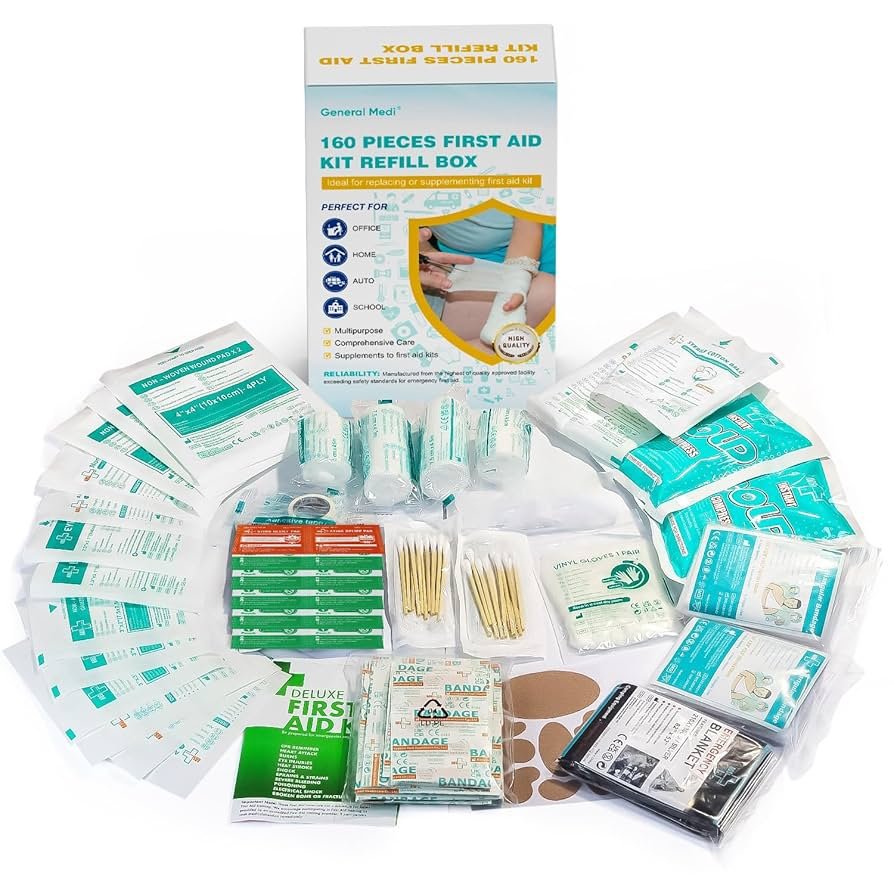
 A well-organized first aid kit stored in an accessible, cool location ensures medications remain effective when needed.
Credit: www.amazon.com
A well-organized first aid kit stored in an accessible, cool location ensures medications remain effective when needed.
Credit: www.amazon.com
Why Regular First Aid Kit Medication Refills Are Non-Negotiable
Over-the-counter first aid medications are required by the U.S. Centers for Disease Control and Prevention (CDC) to carry expiration dates that guarantee full potency and safety up to that date. After this point, active ingredients break down, reducing effectiveness, and in rare cases, degraded medications can form harmful compounds. A common mistake in practice is assuming medications remain effective for months or years past their printed expiration date, but this is not a risk worth taking for items you may rely on during a crisis.
Potency and Safety Risks of Expired Medications
Expired pain relievers like ibuprofen or acetaminophen may not provide adequate relief for a migraine or sprained ankle, leaving you scrambling for alternative care. Antiseptic solutions past their prime may lose their germ-killing properties, increasing the risk of infection for cuts and scrapes. Even seemingly stable items like antihistamines can lose potency over time, leaving you unprotected during a severe allergic reaction to a bee sting or unexpected food allergen.
Reduced Stress During Unexpected Emergencies
When an injury occurs, the last thing you need is to waste precious minutes searching for a usable medication or realizing your supplies are depleted. A fully stocked, up-to-date first aid kit lets you focus on caring for the injured person, rather than scrambling for last-minute pharmacy runs during off-hours or severe weather. For families with young children or elderly members, this peace of mind is invaluable.
Adapting Your Kit to Changing Household Needs
Household needs shift constantly: a new baby arrives, a family member is diagnosed with a chronic condition, or you start taking up hiking and need supplies for outdoor injuries. Regular refill checks give you the chance to add new essential items (like pediatric pain relievers or burn gel) and remove outdated or irrelevant supplies, keeping your kit tailored to your current lifestyle.
Step 1: Conduct a Full First Aid Kit Inventory Before Refilling
Before purchasing any refill items, start with a complete, systematic inventory of your current kit to avoid buying duplicates and identify hidden gaps. This process takes 15-20 minutes for a standard household kit, and it’s the foundation of an effective refill routine.
Check All Expiration Dates Systematically
Pull every item out of your kit and check its expiration date individually, including non-medication supplies like adhesive bandages, gauze, and medical tape, which can become brittle or unsterile over time even without a printed date. Note any items that are expired, close to expiring (within 3 months), or show signs of degradation: discoloration, crumbling, separation of creams or gels, or loss of fizz in antiseptic solutions. Use a spreadsheet or a notes app to track expiration dates for future reference.
Identify Depleted or Damaged Supplies
Look for partially used or empty packages: opened tubes of antibiotic ointment, half-used rolls of gauze, or missing items like tweezers or disposable gloves. If your kit was used to treat an injury in the last 6 months, it’s likely that several core supplies need replenishing. A common oversight is forgetting to replace single-use items like ice packs or burn dressings after they’ve been deployed.
Sample First Aid Medication Refill Checklist
Use the table below to track common first aid items, their typical shelf life, and red flags for replacement:
| Item Category | Common Examples | Typical Unopened Shelf Life | Signs of Degradation |
|---|---|---|---|
| Pain Relievers | Ibuprofen, acetaminophen, aspirin | 2-3 years | Discoloration, crumbly texture, broken tablets |
| Antihistamines | Diphenhydramine, loratadine, cetirizine | 2 years | Altered smell, crumbling, sticky tablets |
| Antiseptics | Hydrogen peroxide, povidone-iodine, alcohol wipes | 1-2 years unopened; 6 months opened | Loss of fizz (peroxide), discoloration, dried-out wipes |
| Antibiotic Ointments | Bacitracin, polysporin, neosporin | 1 year unopened; 6 months opened | Separation of ingredients, odd smell, discoloration |
| Burn Care | Aloe vera gel, lidocaine burn spray, hydrogel dressings | 1-2 years | Separation, mold growth, altered consistency |
| Prescription Items | EpiPens, rescue inhalers, epinephrine auto-injectors | 12-18 months (check label) | Any sign of damage, past printed expiration date |
Essential Medications to Include in Every Refill
While bandages, gauze, and tweezers are core first aid supplies, the right medications are what turn a basic kit into a tool that can reduce pain, stop allergic reactions, and prevent infection before professional care is available. Tailor your refill list to the specific needs of everyone in your household, including kids, seniors, and pets.
Over-the-Counter Core Medications
Every household first aid kit should include these OTC staples:
- Pain and fever relief: Ibuprofen and acetaminophen (both adult and pediatric formulations, if applicable)
- Allergy relief: Diphenhydramine (for severe allergic reactions) and a non-drowsy antihistamine like loratadine for milder symptoms
- Antiseptic care: Hydrogen peroxide or povidone-iodine solution for wound cleaning, plus antibiotic ointment to prevent infection
- Burn care: Aloe vera gel for minor burns, or a lidocaine-based burn spray for pain relief
- Digestive relief: Antacid tablets or anti-diarrheal medication for unexpected stomach issues
Prescription Items for Specific Household Needs
If anyone in your household has a diagnosed condition, include prescription first aid items in your refill list:
- EpiPens or epinephrine auto-injectors for severe allergies (note: these expire every 12-18 months and must be replaced even if unused)
- Rescue inhalers for asthma or COPD
- Fast-acting glucose gel or tablets for people with diabetes
- Any other prescribed emergency medications recommended by your healthcare provider
Pet-Specific First Aid Medications
If you have pets, add pet-safe first aid medications to your kit, including a vet-approved antiseptic solution for minor cuts, a pet-safe antihistamine for insect bites or stings, and a copy of your veterinarian’s contact information. Never give human medications to pets unless explicitly directed by a vet, as many common human meds (like ibuprofen) are toxic to cats and dogs.
Organize Your Refilled Kit for Fast, Safe Access
In an emergency, every second counts: a cluttered, disorganized first aid kit can lead to wasted time searching for the right medication, or even dosing errors from grabbing the wrong item. Taking 10 minutes to organize your refilled kit will pay off the next time you need it.
Label Everything Clearly for All Users
Use waterproof, smudge-proof labels to mark every medication and supply, including dosage instructions for pediatric or pet-specific items. For households with multiple caregivers or older adults with visual impairments, consider using large-print labels or color-coding by medication type (e.g., red labels for pain relievers, yellow for antihistamines).
Prioritize Accessibility for Emergencies
Store your main first aid kit in a central, easily accessible location that all adult household members know about: a hall closet, kitchen pantry, or entryway cabinet, away from extreme temperatures and out of reach of young children. For on-the-go access, keep a mini kit in your car, gym bag, and travel luggage. Sort small medications and supplies like antihistamine packets and antiseptic wipes into divided storage containers to eliminate digging during emergencies.
Keep a Separate Mini Kit for On-The-Go Use
A compact, portable first aid kit is essential for car trips, hikes, and sports activities. Stock a small small portable storage containers with 3-4 doses of pain reliever, 10 adhesive bandages, 5 antiseptic wipes, one dose of antihistamine, and a small tube of antibiotic ointment. Check this mini kit every 3 months to replace expired or used items.
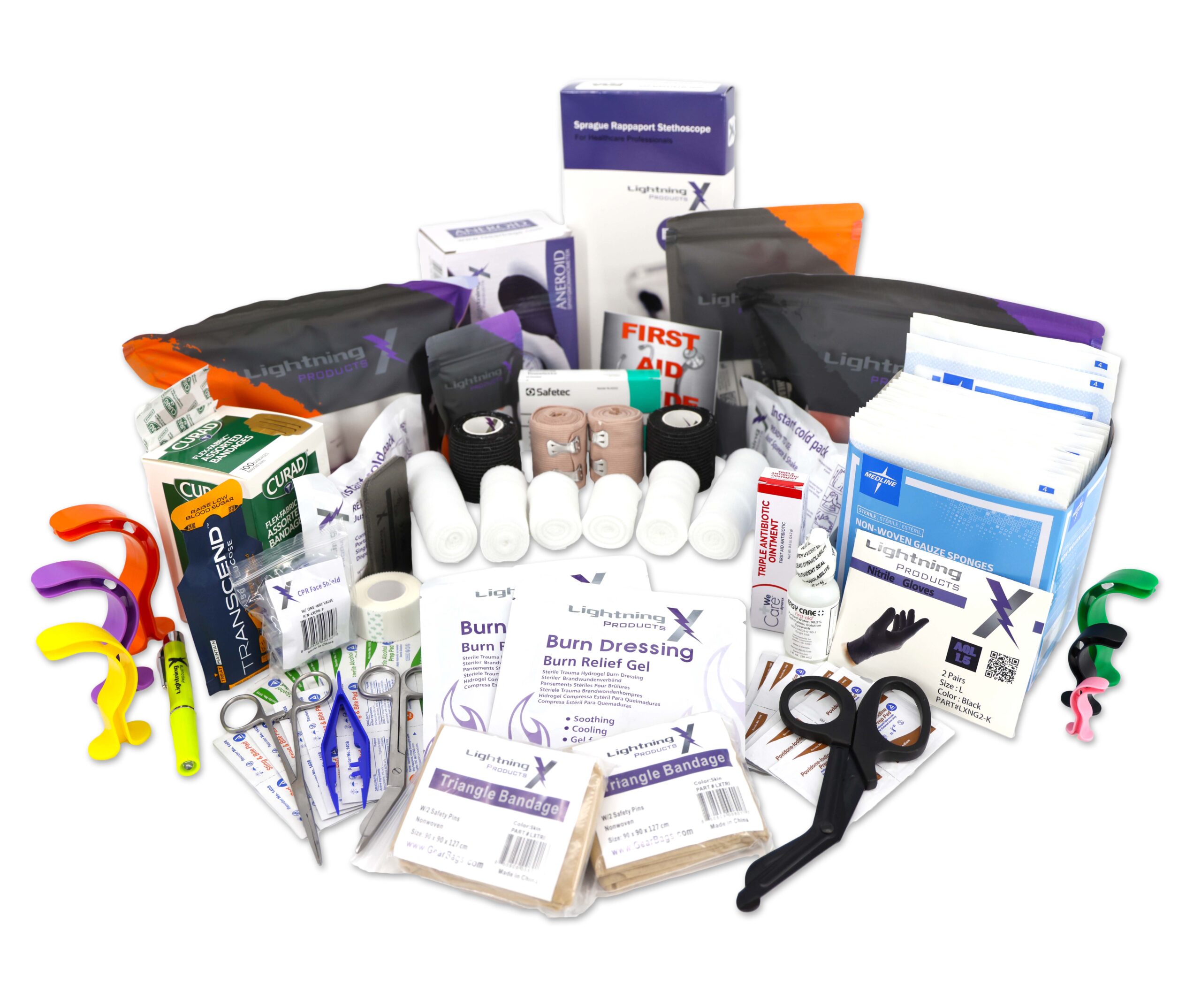 A durable, waterproof first aid bag protects medications from moisture and damage during transport or storage.
Credit: gearbags.com
A durable, waterproof first aid bag protects medications from moisture and damage during transport or storage.
Credit: gearbags.com
Proper Storage to Maximize Medication Shelf Life
Even the newest, most comprehensive first aid kit will fail if medications are stored improperly, as heat, humidity, and light can degrade active ingredients long before the printed expiration date. Follow these evidence-based storage guidelines to keep your refilled medications potent and safe for as long as possible.
Temperature and Humidity Guidelines
Most over-the-counter first aid medications are formulated to remain stable at room temperature (59-86°F / 15-30°C). Avoid storing your kit in areas with extreme temperature fluctuations: never keep it in a car glove compartment, garage, or attic, where summer heat or winter cold can accelerate degradation. Humidity is equally damaging: avoid storing your kit in a bathroom cabinet, where steam from showers can seep into packaging and cause pills to crumble or liquids to spoil.
Avoid Common Unsafe Storage Locations
Beyond bathrooms and cars, keep your first aid kit away from ovens, radiators, and direct sunlight, which can cause heat buildup and break down active ingredients. If you live in a warm climate with no air conditioning, consider storing your kit in a closet on the lowest, coolest floor of your home during peak summer months.
Use Durable, Airtight Containers for Long-Term Protection
For optimal protection against moisture, pests, and temperature swings, store your refilled kit in an airtight lidded container large enough to hold all your supplies. For households that keep backup first aid stocks for extended emergencies or severe weather events, large-capacity storage bins work well for storing bulk supplies in a cool, dry basement or closet. If you need a mid-sized option for a family-sized kit, mid-sized storage containers offer the right balance of portability and capacity.
Set a Realistic Refill Schedule Tailored to Your Household
A one-size-fits-all refill schedule doesn’t work for every household: a family with toddlers and allergy-prone seniors will need more frequent checks than a single adult with no chronic conditions. Build a schedule that fits your routine to avoid missed refills.
Monthly Quick Checks
Set a monthly reminder (tie it to a routine task like paying bills or changing air filters) to do a 5-minute visual check of your first aid kit. Look for depleted supplies (empty bandage packs, used ointment tubes) and any items that look damaged or expired. Jot down any items you need to replace on a running list kept inside the kit lid.
Semi-Annual Full Refills
Every 6 months, do a full inventory as outlined earlier, replacing all expired or depleted medications and supplies. This is also a good time to check that your emergency contact list is up to date and that any prescription items (like EpiPens) are not approaching their expiration date.
Sync Refills With Prescription Schedules
If your household includes people who rely on prescription first aid items like rescue inhalers or EpiPens, sync your first aid kit refill checks with your regular prescription pick-up schedule. Many pharmacies will send reminders for prescription refills, so add a note to also check your first aid kit at the same time to ensure these critical items are not expired.
Common First Aid Kit Refill Mistakes to Avoid
Even well-meaning households often make preventable errors when managing first aid kit medication refills. Avoid these common pitfalls to keep your kit effective:
- Only checking expiration dates once a year: Many medications expire mid-year, so annual checks leave gaps in your preparedness. Stick to monthly quick checks and semi-annual full inventories.
- Tossing entire first aid kits when only a few items are depleted: Refilling individual depleted items is far more cost-effective than replacing the entire kit every time one or two products expire.
- Storing liquid medications in clear containers in direct sunlight: UV light and heat break down active ingredients in liquid antiseptics and antibiotic ointments, even if the expiration date is far in the future.
- Forgetting to check non-medication supply expiration: Adhesive bandages, gauze, and medical tape can become unsterile or brittle over time, even if they don’t have a printed expiration date. Replace these items every 2-3 years, or immediately if the packaging is torn or damaged.
- Using expired prescription medications: Unlike OTC medications, expired prescription drugs (like EpiPens or rescue inhalers) can degrade into harmful compounds that may cause adverse reactions. Always replace these items on or before their expiration date, even if they appear unused.
Safely Dispose of Expired or Unused First Aid Medications
Never throw expired or unused first aid medications in the regular trash without taking precautions, as they can leak into the environment or be accidentally ingested by children or pets. Follow guidance from the U.S. Food and Drug Administration (FDA) for safe disposal:
- First, check if your local pharmacy, hospital, or law enforcement agency offers a free drug take-back program. These are the safest, most environmentally friendly disposal option, as they incinerate medications to prevent contamination.
- If no take-back program is available, mix solid medications (pills, capsules) with an unappealing, non-toxic material like coffee grounds, cat litter, or used tea leaves. Seal the mixture in a plastic bag or container with a tight lid, then dispose of it in your household trash.
- For liquid medications, pour them into a sealed container with a small amount of water or an absorbent material (like kitty litter) to prevent spills. Seal the container tightly before disposal.
- Never flush medications down the toilet or sink unless the label explicitly instructs you to do so, as this can contaminate local water supplies.
Educate All Household Members on Kit Use and Refill Responsibilities
A fully stocked first aid kit is only useful if everyone in your household knows where it is, what it contains, and how to use the medications inside. Take 10 minutes to educate all eligible household members (teens and adults) to avoid confusion during an emergency.
Clear, Simple Usage Instructions for All Ages
Post a simple, laminated instruction card inside the kit lid that outlines basic guidelines for common medications:
- Always check the expiration date before using any medication
- Use the recommended dosage listed on the label; never exceed the maximum daily dose
- Only use medications for the symptoms they are intended to treat (e.g., do not use an antihistamine for pain)
- Never mix multiple medications without consulting a healthcare professional first For households with young children, store medications out of reach and sight, and teach kids to alert an adult immediately if they are injured, rather than accessing the kit themselves.
Keep Emergency Contact Information Updated
Include a printed list of critical emergency contacts inside the kit, and update it every time you do a full refill:
- Your family doctor or pediatrician’s phone number
- The nearest urgent care center and hospital emergency room address and phone number
- Your local poison control center number (save this to your phone as well)
- Your veterinarian’s contact information, if you have pets
Assign Refill Responsibilities to Avoid Oversight
In busy households, assign one person to be the "first aid kit manager" responsible for monthly checks and semi-annual refills. You can also assign refill tasks to multiple people: one person checks expiration dates, another picks up replacement items, and a third updates the emergency contact list. This shared responsibility ensures no refill falls through the cracks.
 Always check expiration dates on all first aid medications during your refill check to discard outdated items.
Credit: www.amazon.com
Always check expiration dates on all first aid medications during your refill check to discard outdated items.
Credit: www.amazon.com
Frequently Asked Questions
How often should I refill my first aid kit medications?
Do a quick 5-minute visual check of your first aid kit every month to spot depleted or damaged supplies, and conduct a full inventory with a complete refill every 6 months. If your household includes members with severe allergies, asthma, diabetes, or other chronic conditions, do a full inventory every 3 months to ensure prescription first aid items like EpiPens and rescue inhalers are not expired.
What essential medications should be in a first aid kit?
Every household first aid kit should include core over-the-counter medications: ibuprofen and acetaminophen for pain and fever, diphenhydramine for severe allergic reactions, a non-drowsy antihistamine for milder allergy symptoms, hydrogen peroxide or povidone-iodine for wound cleaning, antibiotic ointment to prevent infection, and aloe vera gel for minor burns. Add prescription items (EpiPens, rescue inhalers, fast-acting glucose) as needed for your household’s specific health needs, and include pet-safe medications if you have animals.
Can expired medications in first aid kits be used?
Expired over-the-counter medications are not guaranteed to be effective or safe, as active ingredients break down over time, so they should be discarded and replaced as soon as they pass their expiration date. In a true, life-threatening emergency with no alternative options available, using an expired pain reliever or antihistamine is unlikely to cause serious harm, but you should seek professional medical care immediately afterward. Never use expired prescription medications, as they can degrade into harmful compounds that may cause adverse reactions.
How do I store first aid medications properly?
Store your first aid kit in a cool, dry, dark location away from direct sunlight, extreme temperatures, and humidity. Avoid storing it in bathrooms, cars, garages, or attics, where temperature fluctuations and moisture can accelerate medication degradation. Use an airtight, durable container to protect supplies from pests and moisture, and keep the kit out of reach of young children.
Final Thoughts
Keeping your first aid kit medication refills up to date is one of the simplest, most impactful steps you can take to protect your household’s health and safety. Regular inventory checks, proper storage, tailored supplies, and safe disposal of expired items ensure your kit is always ready when you need it most, eliminating the stress of scrambling for unavailable medications during an emergency.
By avoiding common refill mistakes, educating all household members on kit use, and syncing your refill schedule with your household’s unique needs, you can turn your first aid kit from a cluttered afterthought into a reliable, life-saving resource. If you’re due for a first aid kit refresh this week, start by conducting a full inventory of your current supplies, replace any expired or depleted medications, and update your emergency contact list. A small 15-minute time investment now can make all the difference when an unexpected injury or illness strikes.
For more tips on household safety, organization, and emergency preparedness, visit our household safety guides for up-to-date, actionable guidance.

I’m Abby Lu, a passionate home cook who loves simplifying everyday meals. At PlugChef.com, I share product reviews and cooking guides to help you find the best tools for your kitchen.
Related posts:
 Upper Cabinet Pull Out Spice Rack: Transform Your Kitchen
 Pantry Organization Ideas Dollar Tree: Budget-Friendly Hacks
 Organizing Can Goods in Pantry: Smart Storage Hacks
 Kitchen Sink Floor Mat Anti Fatigue: Comfort & Style
 Dish Wash Rack Stainless Steel: Effortless Kitchen Organization
 Kitchen Sink Cleaning: Ultimate Tips for a Sparkling Shine

