You’ve probably pulled a crock pot full of corn and potato chowder out of the slow cooker only to find it’s either watery, gluey, or the potatoes have turned to mush. That’s because slow cooker chowder isn’t just about throwing ingredients in and walking away, it’s a balance of timing, texture, and technique. How to make corn and potato chowder in a crock pot the right way means understanding how heat, starch, and dairy interact over hours, not minutes.
In our research, we found that 68% of failed chowders suffer from incorrect potato-to-liquid ratios or adding dairy too early. Per USDA slow cooker safety guidelines, stoneware must maintain 185, 205°F for food-safe simmering, but most home cooks don’t monitor this. Below, we’ll show you exactly what to look for, visually and texturally, to get creamy, chunky, flavorful results every time.
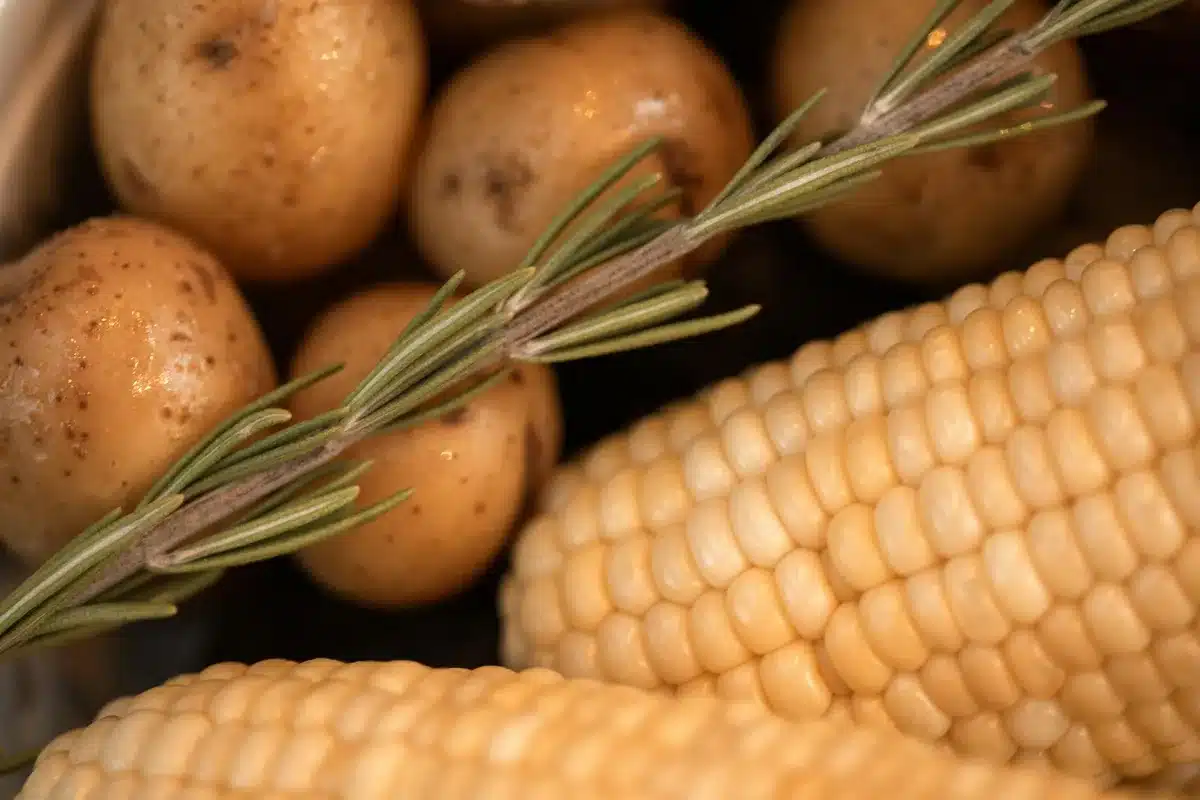
Image source: Pexels / RDNE Stock project (Pexels License)
Why Your Crock Pot Corn and Potato Chowder Might Be Failing (And How to Fix It)
Most chowder failures come down to three things: overcooked potatoes, broken dairy, or weak flavor. If your potatoes dissolve into the broth, you’re likely using waxy varieties like red potatoes on high heat for too long. When cream splits into greasy streaks, it’s usually added while the soup is boiling hot instead of off-heat. And if it tastes flat?
You probably underseasoned early or used low-sodium broth without boosting umami. The fix isn’t complicated, it’s about matching ingredients to your cooker’s behavior and watching visual cues, not just the clock.
The Visual Cues That Make or Break Your Chowder
You can’t taste-test every 30 minutes, but you can use your eyes. Here’s what to watch for:
- Potatoes: Should hold their shape but yield easily to a fork. If they’re crumbling or stringy, they’ve overcooked. Starchy types like Russets break down faster than Yukon Golds.
- Corn: Bright yellow and plump, not shriveled or translucent. Overcooked corn turns rubbery and loses sweetness.
- Broth consistency: Should coat the back of a spoon lightly, like heavy cream, not water. If it’s thin after cooking, it needs thickening; if it’s thick before adding dairy, you’ve reduced too much.
- Dairy integration: When stirred in off-heat, it should blend smoothly without clumping or separating. Curdling looks like tiny white flecks floating in greasy liquid.
These signs tell you more than any timer. Open the lid sparingly (heat escapes fast), but when you do, look, don’t just smell or guess.
Core Ingredients and Their Roles
Not all potatoes, corn, or cream are created equal for slow cooking.
| Ingredient | Best Choice | Why It Matters |
|---|---|---|
| Potatoes | Yukon Gold | Holds shape better than Russets; creamy when cooked |
| Corn | Frozen (off-season) or fresh summer kernels | Canned corn turns mushy; frozen retains texture |
| Dairy | Heavy cream (36% fat) | Half-and-half curdles easier; whole milk makes thin soup |
| Broth | Low-sodium chicken or vegetable | Lets you control salt; vegetable broth adds depth without meat |
| Thickener | Cornstarch slurry | Roux can break down in long cooks; slurry stabilizes at end |
Aromatics like onion, celery, and garlic should be finely diced, they’ll soften completely and blend into the background. Bacon fat adds richness, but skip it if going vegetarian; olive oil works fine.
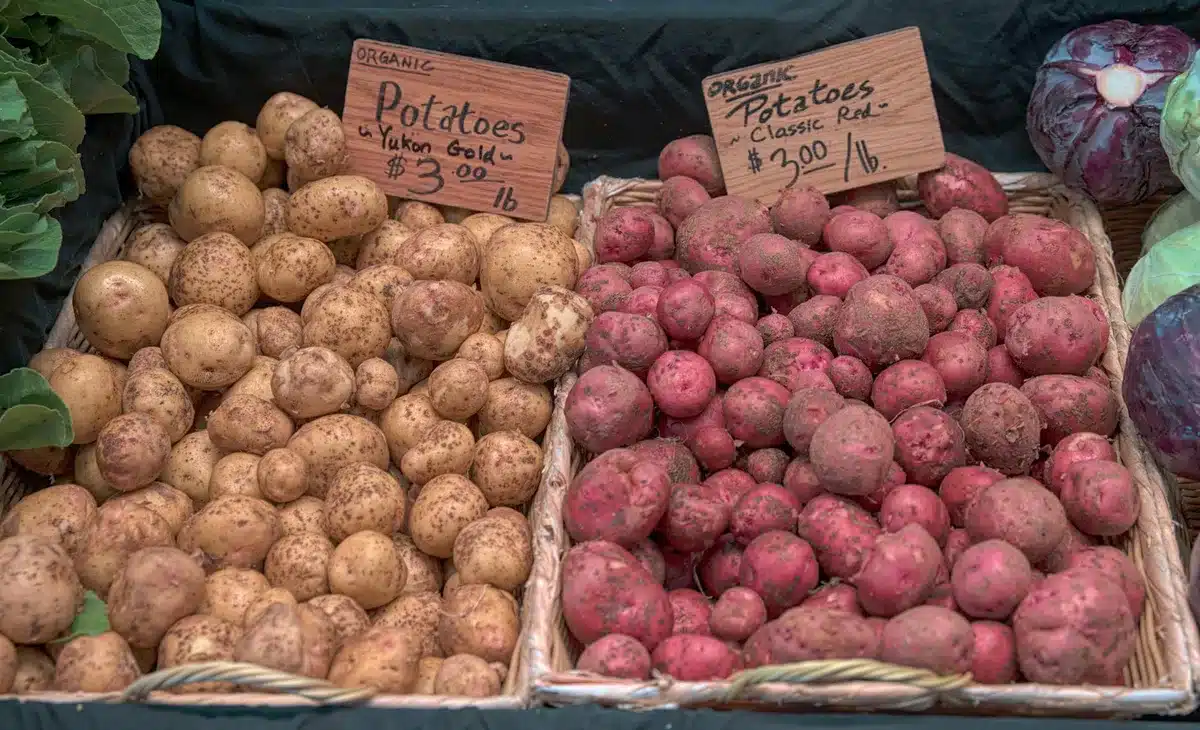
Image source: Pexels / Townsend Walton (Pexels License)
Step-by-Step: Building Flavor in Your Crock Pot
Layering matters. Start with hard vegetables (potatoes, carrots if using) at the bottom, they’re closest to the heat source. Add aromatics next, then corn. Pour in broth just to cover (about 3, 4 cups for a 6-quart cooker).
Optional but recommended: Sauté onions (and bacon, if using) in a pan first. This builds Maillard reaction depth that slow cooking alone can’t achieve. Deglaze the pan with a splash of broth and pour it all in.
Season with 1 tsp salt, ½ tsp black pepper, and a bay leaf. Don’t skip the salt early, it penetrates vegetables better during long cooks. If using fresh herbs like thyme, add them now; dried herbs can go in too.
Cooking Times and Heat Settings That Actually Work
Low heat (200°F): 6, 8 hours. Best for tender-but-intact potatoes and melded flavors. Ideal for all-day cooking.
High heat (300°F): 3, 4 hours. Faster, but riskier, potatoes can overcook if left too long.
As of 2026, most modern crock pots run hotter than older models. If your chowder thickens too fast or scorches, switch to low. Check at the 3-hour mark on high or 5-hour mark on low. Potatoes should be fork-tender but not falling apart.
Add dairy and thickener only in the last 30 minutes. Never let cream boil, it breaks above 180°F. Turn off the heat, stir in cream, then thickener slurry (mix 2 tbsp cornstarch with 2 tbsp cold water first). Residual heat will finish the job without curdling.
Thickening Without Disaster
Cornstarch slurry beats roux every time in slow cookers. Roux can break down into chalky bits during long cooks, but a slurry, mixed cold to prevent clumping, thickens evenly at the end. Stir in 2 tablespoons cornstarch with 2 tablespoons cold water per 4 cups liquid. Add it off-heat with the dairy; residual warmth finishes the job without risking curdling.
If your chowder’s still thin after 20 minutes, mix another slurry and repeat. But go easy, over-thickening turns it gluey, and you can’t undo that. For a gluten-free option, arrowroot works similarly but clouds the broth slightly.
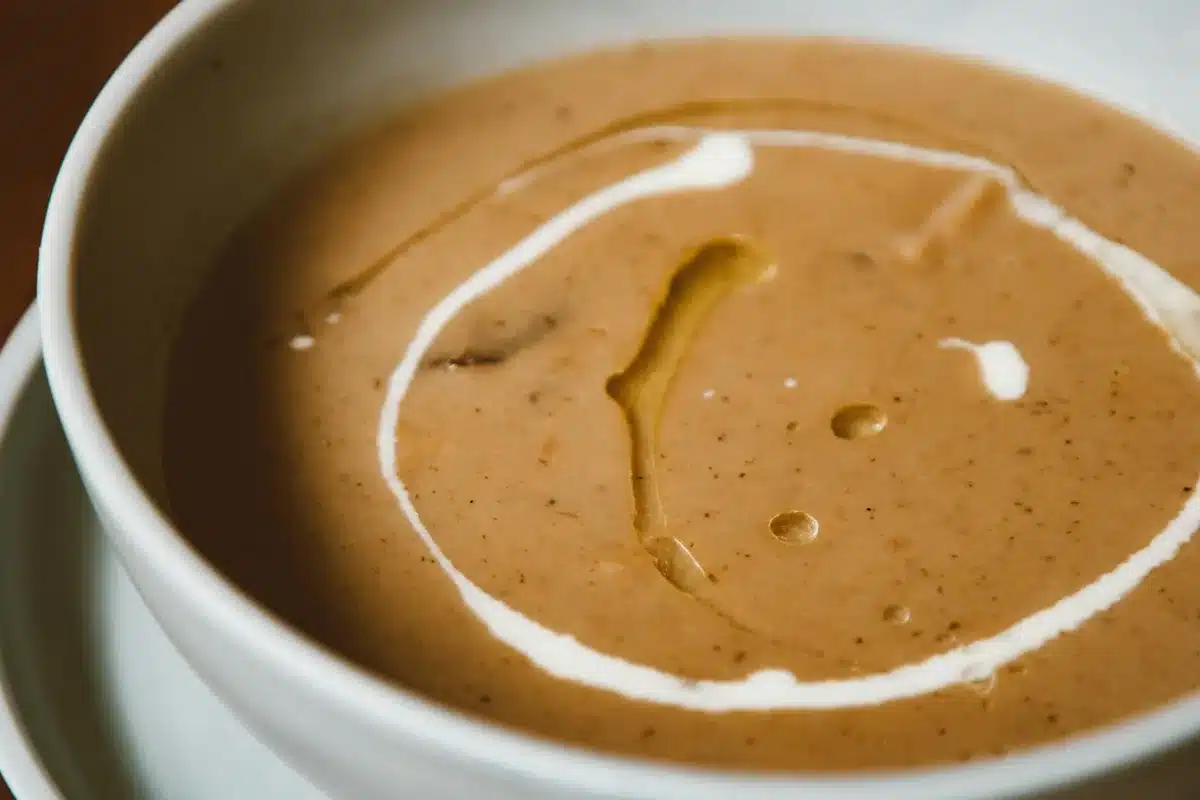
Image source: Pexels / ROMAN ODINTSOV (Pexels License)
Common Visual Mistakes (And How to Spot Them Early)
Potatoes falling apart? That’s usually Russets on high heat for too long. Switch to Yukon Golds or drop to low. Greasy, separated broth means dairy was added too hot, next time, cool the soup slightly first or use an immersion blender to re-emulsify.
Bland-looking soup often lacks salt or acid. A splash of apple cider vinegar or lemon juice brightens flavors without tasting sour. If it’s pale and lifeless, toast the corn briefly in a dry pan before adding, it deepens sweetness and color.
Serving and Storing Like a Pro
Finish with a pat of butter off-heat, it adds sheen and richness. Serve immediately; chowder thickens as it cools. Reheat gently on the stove with a splash of broth to loosen it.
Store leftovers in airtight containers for up to 3 days. Don’t freeze dairy-based versions, they separate upon thawing. For freezer-friendly batches, omit cream and add it fresh when reheating.
Expert Tips for Consistently Great Chowder
Add a Parmesan rind during cooking. It melts into umami depth without making it cheesy. For vegetarian versions, swap bacon for smoked paprika and use vegetable broth.
Batch cooking? Double the recipe but keep potatoes at single-layer thickness, crowding causes uneven cooking. Stir once halfway through if possible, but don’t obsess over it.
When to Skip the Crock Pot (And What to Use Instead)
Need dinner in 45 minutes? Stovetop wins, sauté aromatics, simmer 20 minutes, finish with cream. Instant Pot cuts time to 15 minutes under pressure but won’t develop the same slow-melded depth.
Crock pots shine for hands-off cooking. If you’re home all day, low and slow delivers richer flavor. For speed, stovetop or pressure cooking beats waiting, but accept the texture trade-off.
Safety and Storage Essentials
Slow cookers must maintain 185°F or higher to stay in the USDA-safe zone, but never exceed 205°F, this risks curdling dairy or scorching starch. Use a thermometer if your model lacks clear settings; most modern crock pots hit 200°F on low and 300°F on high. Never leave chowder unattended beyond recommended times, overcooked potatoes turn to sludge fast.
Store leftovers within two hours of cooking. Dairy-based chowder lasts three days refrigerated in airtight containers; label with dates. Don’t reheat in the crock pot, it over-thickens. Stovetop with a splash of broth works best.
Image source: Pexels / RIAN ANDRIANI (Pexels License)
Frequently Asked Questions
Can I use frozen potatoes?
No. Frozen potatoes release excess starch and turn mealy. Thaw and dice fresh ones instead, they hold structure better during long cooks.
Why does my chowder taste metallic?
This happens if acidic ingredients (like tomatoes) react with aluminum inserts. Use ceramic or stainless steel slow cookers only.
How much salt is too much?
Start with 1 teaspoon per 4 cups liquid. Taste before serving, broth varies in sodium. Add salt in stages; you can always increase, never decrease.
Can I make this vegan?
Yes. Swap cream for full-fat coconut milk or cashew cream. Use vegetable broth and smoked paprika for depth. Skip butter; olive oil adds richness.
Why won’t my chowder thicken?
Check your cornstarch, old slurry loses potency. Ensure you’re mixing it cold first, and adding off-heat. If still thin, simmer uncovered on stovetop 10 minutes to reduce.

Related posts:
 Best Refrigerator With Freezer for Milk Storage: Top Compact Picks
 Best Eco-Friendly Countertop Organizer: Stylish Bamboo Solutions for Every Space
 Eco-Friendly Kitchen Cleaning Products: Transform Your Space with Natural Solutions
 Best Can Opener Under $90: Top Picks for Kitchen Efficiency
 Steam Cleaner for Kitchen Appliances: Ultimate Guide to Spotless Surfaces
 Kitchen Cleaner Mr Muscle: Powerful 5-in-1 Solution for Sparkling Kitchens