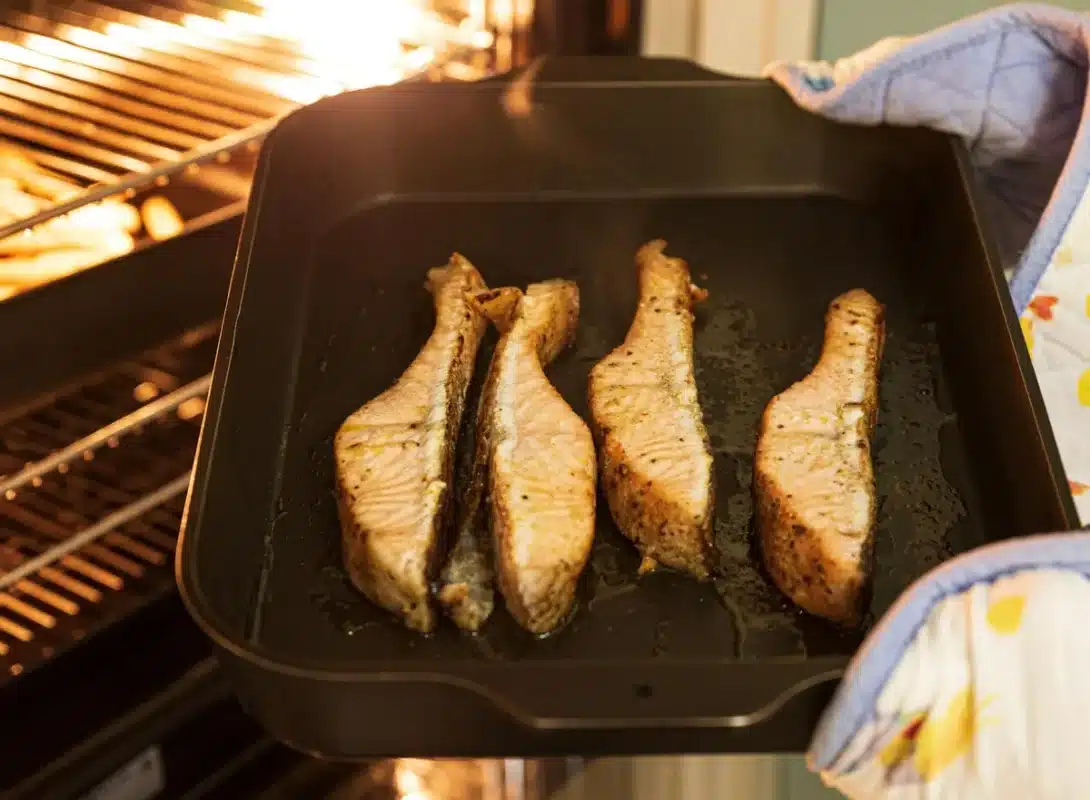
Figuring out if your Ninja pan can go in the oven is a common kitchen question, and getting it right means more cooking flexibility. The long and short of it is, some Ninja pans are designed for oven use, while others aren't. It really depends on the specific product line and its construction.
Manufacturer specifications often indicate oven-safe capabilities up to 500°F (260°C) for particular Ninja cookware models. Understanding these guidelines is key to preventing damage and ensuring your kitchen tools perform as intended. Let's break down exactly how to determine if your Ninja pan is ready for that preheated oven.
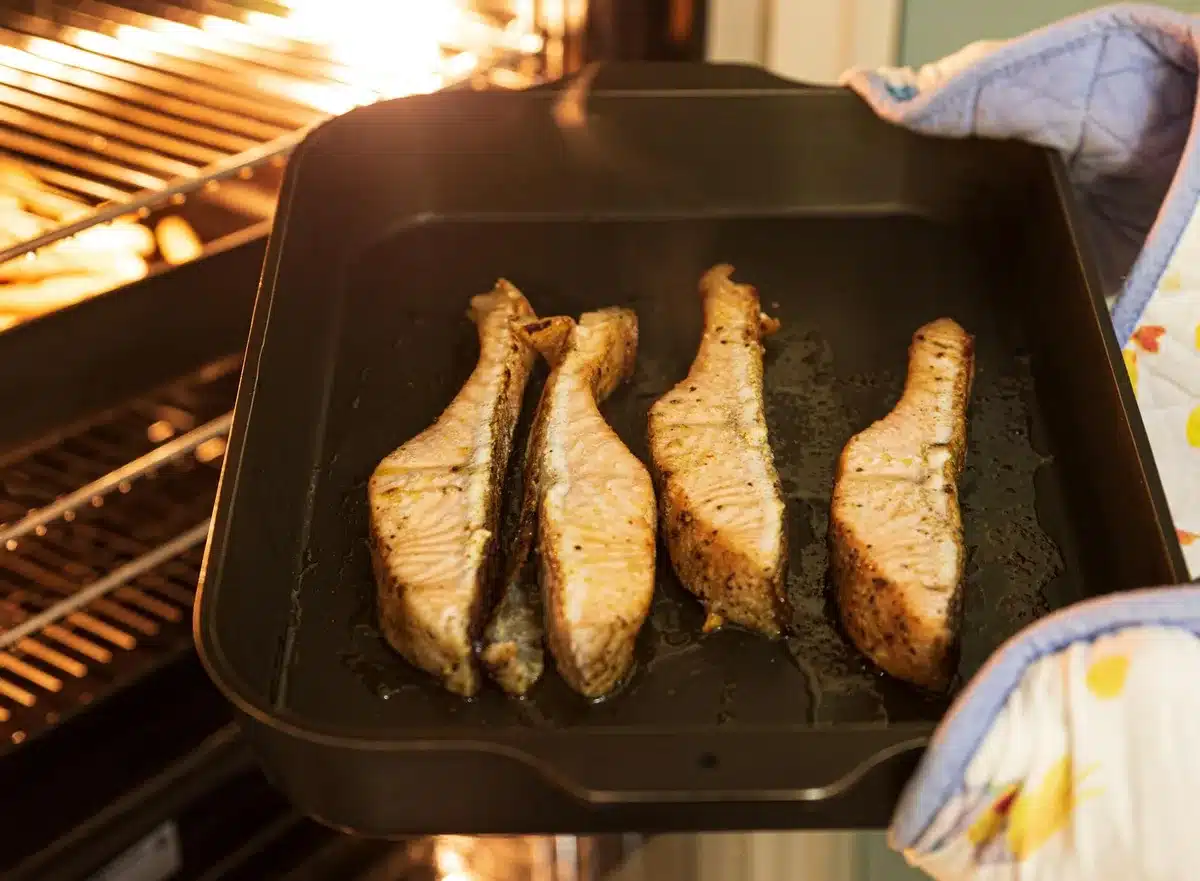
Image source: Pexels / Richard Pan (Pexels License)
Check Your Pan First: The Quickest Way to Know
When you're staring at a delicious meal that needs a finishing touch, you don't want to guess. The most reliable method to confirm if your Ninja pan is oven-safe is to check the pan itself. Manufacturers usually build in clear indicators to help you out.
Look for Oven-Safe Symbols on Your Pan
Many cookware brands, including Ninja, use universally recognized symbols to denote oven-safe properties. If you spot a small icon that looks like an oven (often a simple rectangle with a criss-cross pattern inside or a stylized oven shape), that's a strong sign. Sometimes, this symbol will have a temperature limit printed right next to it, like "500°F" or "260°C." This is your immediate green light.
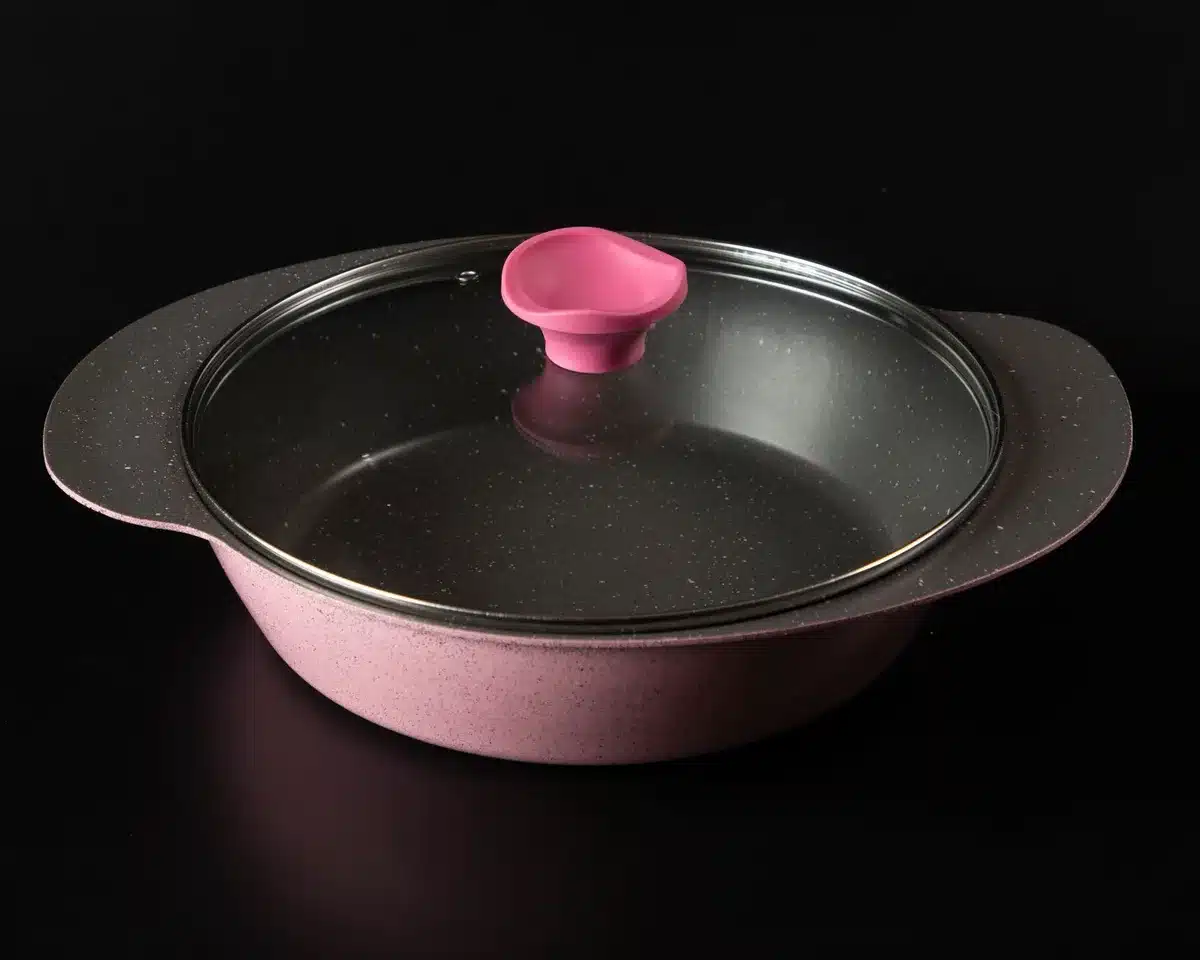
Image source: Pexels / Mohsen Naranjani (Pexels License)
Inspect the Handle Material: A Big Clue
The material of a pan's handle is often the most telling feature regarding its oven-safe status. Handles made from metals like stainless steel, cast iron, or even some sturdy plastics designed for high heat are typically fine for oven use. However, if your Ninja pan has handles made of silicone, rubber, or standard plastic, it's a clear signal that it's not designed for oven temperatures. These materials can melt, warp, or even release harmful fumes at oven heat.

Image source: Pexels / Sternsteiger Stahlwaren (Pexels License)
Dive Into Your Ninja Pan's Specs
Beyond just looking at the pan, digging into its specific details can provide definitive answers. Ninja offers a range of cookware, and each line has its own design and engineering.
Understanding Ninja Pan Lines and Oven-Safe Capability
Ninja has a couple of popular cookware lines, most notably the Ninja Foodi NeverStick™ series. Our research indicates that many pans within the NeverStick™ line are indeed oven-safe. This often extends to pieces with integral metal handles or those designed with heat-resistant components throughout. It's always best to confirm with the specific product's designation.
What Maximum Temperatures Can Ninja Pans Handle?
For the Ninja pans that are confirmed oven-safe, you'll want to know their temperature limits. Manufacturer specifications often state that certain Ninja cookware pieces can withstand temperatures up to 500°F (260°C). This is a fairly high limit, allowing for a wide range of recipes, from searing meats on the stovetop and then finishing them in the oven, to baking casseroles or artisanal breads. As of 2026, these upper limits have remained consistent for the NeverStick™ lines.
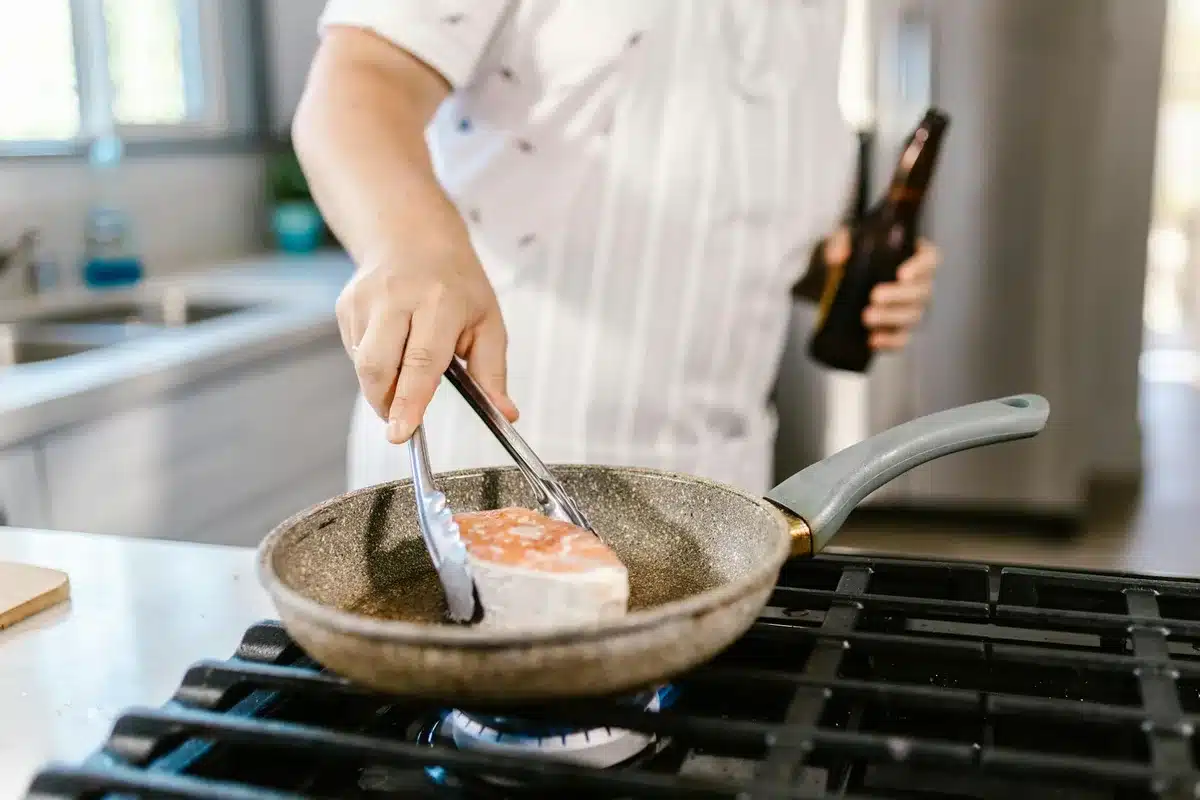
Image source: Pexels / RDNE Stock project (Pexels License)
Why Oven-Safe Matters for Your Cooking
Being able to transition a pan from the stovetop to the oven isn't just a matter of convenience; it fundamentally expands your cooking repertoire. It means you can achieve results that would be difficult or impossible using just one heat source.
The Risks of Using Non-Oven-Safe Pans
When a pan isn't designed for oven use, putting it in there poses several risks. The most immediate concern is damage to the pan itself. Oven temperatures can cause non-oven-safe pans to warp, potentially ruining their non-stick coatings or structural integrity. More critically, plastic or silicone components not rated for high heat can melt, creating a mess, releasing unpleasant or even toxic fumes, and posing a fire hazard.
How Oven-Capability Opens Up New Recipes
The ability to go from stovetop to oven allows for a level of culinary control and versatility that's a game-changer. For instance, you can perfectly sear a steak on the hob to build a beautiful crust, then transfer the entire pan to the oven to finish cooking evenly to your desired internal temperature without overcooking the exterior. This technique is essential for dishes like roasts, frittatas, large baked pastas, and even certain types of cookies or brownies where a controlled, even bake is crucial. It streamlines the cooking process, often meaning fewer dishes to clean.
How to Tell if YOUR Ninja Pan is Oven-Safe
Now that we know why it's important and where to look, let's get down to the practical steps for confirming your specific Ninja pan's oven compatibility. This process is straightforward and can be done in just a few minutes.
Step-by-Step Guide to Checking Your Cookware
If you've already checked for a clear oven-safe symbol and inspected the handles, you've done the most critical checks. If those indicators are positive, you see the symbol and have metal handles, your pan is very likely oven-safe. If you only found a symbol, double-check that the handles themselves are made from materials like stainless steel or cast iron, which can withstand oven heat.
If you're still unsure, the next best step is to consult the manufacturer's documentation. This is the most definitive source of truth for your particular cookware.
What If You Can't Find the Information?
If you've looked everywhere on the pan, checked the original packaging, and still can't find any indication like an oven symbol, or if there's any ambiguity about the handle material (e.g., a composite material you don't recognize), it's safest to assume the pan is not oven-safe. Manufacturer specifications often clearly state if a pan is oven-safe, and the absence of this information implies it’s not designed for that purpose.
When in doubt, erring on the side of caution is always best. Using a pan in an oven when it's not designed for it can lead to irreversible damage to the cookware or, worse, pose a safety risk. For these uncertain pans, stick to stovetop cooking.
Common Mistakes to Avoid with Ninja Pans in the Oven
Making a mistake when placing a pan in the oven can lead to more than just a ruined meal. A significant error is using a pan with plastic or silicone handles not rated for oven temperatures. These can melt or degrade, creating a mess and potential fumes.
Another common slip-up is exceeding the manufacturer's specified maximum oven temperature. Even for oven-safe pans, there's a limit, often around 500°F (260°C). Pushing past this can stress the materials. Finally, forgetting to clean the pan thoroughly before oven use can lead to burnt-on food particles smoking and creating unpleasant odors or even a fire hazard.
Ninja Pan Oven Use: What You Need to Know
When your Ninja pan is confirmed oven-safe, it unlocks a world of culinary possibilities. You can confidently sear ingredients on the stovetop and then seamlessly move the pan into a preheated oven to finish the cooking process.
Best Use Cases for Stovetop-to-Oven Ninja Pans
These versatile pans are ideal for a wide array of dishes. Think about pan-seared chicken breasts that need to cook through gently in the oven, achieving a perfect internal temperature without drying out the exterior. They're also fantastic for finishing off burgers, creating crispy-topped gratins, or baking individual skillet desserts like crumbles or cobblers. Any recipe that calls for both searing and a consistent, dry oven heat can benefit from stovetop-to-oven cookware.
When to Be Extra Cautious or Seek Help
If you have a very old Ninja pan whose manual is long gone, or if the handle feels loose or shows signs of wear, it's wise to be extra cautious. A slightly damaged handle, even if metal, could compromise its stability under heat. In such cases, it's better to err on the side of caution and limit its use to the stovetop.
If you've purchased a brand new Ninja pan and the packaging or the pan itself offers no clear guidance on oven use, it's a good indicator to proceed with caution. Contacting Ninja customer support directly is a reliable way to get definitive information about your specific model if you cannot find it elsewhere. They can look up your product based on its name or model number.
Manufacturer Guidance: The Official Word
Ultimately, the manufacturer's word is the most trustworthy source when it comes to your cookware's capabilities. Ninja provides detailed user manuals for all their products, and these are the best places to find confirmed oven-safe temperatures and any specific limitations. Relying on this official documentation ensures you're using your Ninja pans safely and effectively. Their website's product pages or a call to their customer service team can also provide this crucial information if you've misplaced your manual.

Taslima Khanam Sultana is a digital publisher, domain investor, and maritime industry professional. She manages multiple niche websites focused on kitchen tools, lifestyle solutions, parenting products, sleep wellness, and digital productivity. She also shares insights from the global shipping and crew management industry through ShipCrewAgency.com. With hands-on experience in content research, affiliate publishing, and digital asset development, Taslima helps readers make smarter everyday decisions through practical and research-driven content.
Related posts:
 Ninja Air Fryer Vs Instant Vortex: Which Air Fryer Is Best?
 Philips Essential Air Fryer Xl Review: Honest Verdict
 Air Fryer Vs Conventional Oven: Time-Saving Comparison
 10 Air Fryer Mistakes Beginners Make: Easy Fixes Now
 Can a Ninja Blender Be Used as a Food Processor in 2026
 Are Ninja Pans Oven Safe 2026