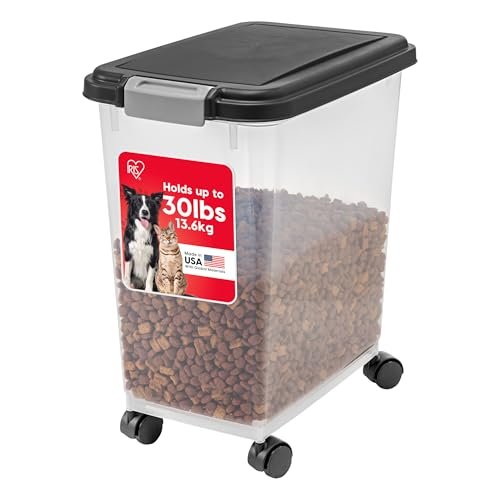
Every pet parent has been there: you rip open a 30-pound bag of kibble, roll the top shut as tightly as you can, and shove it in the pantry, only to find three months later that the food smells rancid, has weevils, or is so stale your pet turns their nose up at mealtime. A proper storage container solves this problem, but with dozens of options on the market promising airtight seals and pest protection, it’s hard to know which one is right for your household. This guide breaks down why kibble storage matters, what features to prioritize, and top tested picks for every use case, so you can keep your pet’s food fresh, safe, and within reach.
Why Proper Pet Food Storage Matters
Dry kibble is far more perishable than it appears. Once a bag is opened, it is exposed to three core threats that degrade its quality and safety:
- Oxygen: Triggers oxidation of the fats in kibble, leading to rancidity, loss of essential vitamins and fatty acids, and an unpleasant taste that can cause pets to refuse their food.
- Moisture: Even small amounts of humidity cause mold growth, which can produce aflatoxins—toxic compounds linked to liver damage in pets. Damp kibble also breaks down faster and promotes bacterial growth.
- Pests: Ants, rodents, pantry moths, and even curious dogs can tear into poorly sealed bags, contaminating food with dirt, bacteria, and waste.
The U.S. Food and Drug Administration (FDA) notes that opened dry pet food typically stays fresh for just 4–6 weeks when stored improperly, compared to 12–18 months for unopened bags kept in cool, dry conditions U.S. FDA animal health literacy. A high-quality airtight storage container blocks all three threats, reduces food waste, saves you money on frequent replacements, and ensures your pet gets the full nutritional benefit of their meals. For more on this, see our guide on non toxic dog food storage container.
A common mistake pet parents make is transferring kibble directly to a container and discarding the original bag. The original bag is designed to block light and includes critical batch code and expiration date information for recalls, so the best practice is to place the sealed bag inside the airtight container for an extra layer of protection.
Key Features to Look for in a Pet Food Storage Container
Not all containers are built equal. Prioritize these features to match your household’s specific needs:
Airtight Seal
This is the most critical feature for freshness. Look for containers with a silicone gasket around the lid, not just a "tight" snap or screw top without a dedicated seal. Locking latches or screw-top lids create a more reliable barrier than simple push-on lids, especially for long-term bulk storage. Avoid containers with warped or cracked gaskets, as even small gaps let in air and moisture. For more on this, see our guide on large airtight pet food storage containers.
Capacity
Calculate the right size based on your pet’s consumption and how often you buy kibble: multiply your pet’s daily intake by the number of days between grocery runs, then add a 20% buffer. For example, a 60-pound dog eating 3 cups of kibble a day with biweekly shopping trips needs a 30–40-pound container. If you have multiple pets on different diets, opt for separate small bins or a stackable set to avoid cross-contamination.
Material
Food-grade, BPA-free plastic is the most common, affordable, and lightweight option, ideal for most households. The National Institute of Environmental Health Sciences (NIEHS) recommends avoiding BPA in food storage products to reduce potential health risks, so all recommended picks on this list are certified BPA-free NIEHS BPA overview. Stainless steel is a more durable, pest-proof alternative for humid climates or households with aggressive chewers, but it is heavier and more expensive.
Mobility & Accessibility
Large 40–50-pound bins should have wide, sturdy wheels and a locking mechanism to prevent rolling on sloped floors. Smaller bins should have ergonomic handles for easy lifting. Look for wide openings, built-in scoops, or pour spouts to make dispensing kibble mess-free without spills.
Top Storage Container Picks for Every Pet Household
We’ve evaluated the most popular options on the market to find the best picks for every use case, from small apartments to large multi-pet homes.
Best Overall for Bulk Storage: Gamma2 Vittles Vault
Ideal for large-breed dogs or multi-pet households that buy 40–50-pound kibble bags monthly, the Gamma2 Vittles Vault is built for long-term freshness. Its screw-top lid with a built-in silicone gasket creates a near-perfect airtight seal that blocks moisture, air, and pests far better than standard snap-lid containers. Made in the USA from durable, food-grade plastic, it holds up to 50 pounds of kibble, and its neutral granite finish blends into most pantry or garage storage setups.
Pros:
- Superior airtight seal for 6+ months of fresh storage
- Holds up to 50lb of kibble, eliminating frequent refills
- Made in USA with high-quality, durable construction
- Stackable design for multiple bins if you have several pets
Cons:
- Bulky footprint requires a dedicated storage spot
- Granite finish scratches easily if dragged across rough floors
- No built-in wheels, so moving a full bin requires lifting
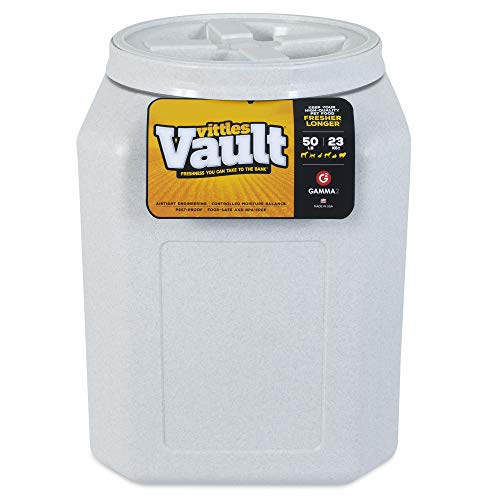 Ideal for bulk kibble storage for large or multi-pet households
Best for Multi-Pet Households: IRIS USA 30lb & 11lb Stackable Combo
If you have multiple pets on different diets, or want to store kibble and treats separately, this stackable set from IRIS USA is a game-changer. The 30-pound bottom bin holds your pet’s main kibble, while the 11-pound top bin is perfect for treats, supplements, or small-breed kibble. Both bins have secure snap-lid airtight seals, and the set comes with lockable wheels for easy transport even when full. The clear plastic bodies let you check food levels at a glance without opening the lid.
Pros:
- Stackable design saves vertical space while separating food types
- Lockable wheels make moving full bins easy
- Airtight snap-lid seals keep food fresh for 3+ months
- BPA-free, food-grade plastic is safe for all pet foods
Cons:
- The 11lb top bin is too small for medium or large-breed daily meals
- Clear plastic can fade over time if stored in direct sunlight
 Stackable design lets you separate different pet foods or treats in one compact footprint
Best for Small Spaces & Small Pets: OXO Good Grips Pet POP Container
Perfect for apartment dwellers, cat owners, or small-breed dogs that go through a 5–7-pound kibble bag every month, this compact 6-quart container fits easily on small pantry shelves or under kitchen counters. Its signature push-button lid creates an airtight seal with one hand, so you can open it while holding a pet or a bag of treats. The translucent body lets you monitor food levels at a glance, and it comes with a calibrated half-scoop for consistent portion sizes.
Pros:
- One-hand operation for busy pet parents
- Compact footprint fits in small storage spaces
- Airtight push-button seal keeps food fresh for 2+ months
- BPA-free, dishwasher-safe for easy cleaning
Cons:
- Only holds up to 6.5lb of kibble, not suitable for bulk purchases
- Clear plastic can become cloudy after repeated dishwasher cycles
 Compact, space-saving design ideal for small apartments and small-breed pets
Best Space-Saving Option: DDMOMMY Collapsible 20–23lb Container
If you have limited pantry space or travel frequently with your pet, this collapsible container is a versatile pick. Made from flexible, food-grade silicone, it collapses flat for storage under beds, in luggage, or in car trunks when not in use. The airtight lid creates a secure seal to keep kibble fresh, and it comes with an attachable set of casters for easy movement across smooth floors, plus a travel silicone bowl and scoop for on-the-go feeding.
Pros:
- Collapsible design saves up to 70% of storage space when not in use
- Attachable casters make moving a full bin effortless
- Includes travel bowl and scoop for convenience
- Multi-functional: can also store rice, flour, or other dry pantry staples
Cons:
- Collapsible material is more prone to punctures if stored near sharp objects
- Casters do not lock, so the bin can roll on sloped surfaces
 Collapsible design makes this container perfect for travel and tight storage spaces
Best Portable On-the-Go Dispenser: LEAWALK 5–7lb Kibble Dispenser
For pet parents who bring kibble to dog parks, daycare, or weekend camping trips, this compact portable dispenser is a must-have. Its wide, upgraded pour spout eliminates messy spills when dispensing food into a travel bowl, and the included measuring cup ensures consistent portion sizes. The airtight lid keeps kibble fresh during short trips, and its small size fits in car cup holders, backpack pockets, or gym bags.
Pros:
- Wide spout prevents messy spills when dispensing
- Compact, lightweight design for travel
- Airtight lid keeps food fresh for 1–2 weeks on the go
- Multi-functional: can also store bird seed, oatmeal, or flour
Cons:
- Only holds 5–7lb, not suitable for home bulk storage
- Lid seal is not as durable as rigid bins for long-term storage
 Portable design with a wide spout makes on-the-go feeding mess-free
Best for Small to Medium Pets: IRIS USA 10lb & 13lb Airtight Containers
IRIS USA offers a range of smaller containers perfect for single-cat households or small-breed dogs. The 10lb WeatherPro model is made in the USA, has a translucent body for easy level checks, and a secure snap-lid seal perfect for pets that go through an 8–10-pound bag every 4–6 weeks. The 13-pound model comes with a 2-cup scoop, ideal for pets on strict portion-controlled diets. For multi-pet households with two small dogs, the 2-pack 30-pound set gives each pet their own dedicated bin with lockable wheels for easy moving.
Pros:
- Made in USA with high-quality, BPA-free construction
- Airtight snap-lid seals keep food fresh for 2–3 months
- Translucent bodies let you check levels at a glance
- One-hand opening for convenience
Cons:
- 10lb model's translucent body fades over time in direct sunlight
- Wheels on 2-pack set do not lock, so bins can roll on slopes
 Compact, made-in-USA option for small-breed pets and apartment dwellers
 Included scoop makes portion control easy for pets on strict diets
 Two-bin set is ideal for multi-pet households with separate dietary needs
Pro Tips for Maximizing Kibble Freshness
Even the best storage container won’t work if you don’t use it correctly. Follow these expert tips to get the most out of your purchase:
- Keep kibble in its original bag inside the container: The original bag is designed to block light and includes critical expiration and batch code information for recalls. Rolling the bag tightly before placing it in the container adds an extra layer of protection.
- Store in a cool, dry place: Avoid garages, basements, or areas near ovens, heaters, or direct sunlight. High temperatures accelerate fat oxidation in kibble, causing it to go rancid faster. Ideal storage temperature is 65–75°F (18–24°C), per standard veterinary nutrition guidance.
- Clean containers every 2–3 months: Wash the interior and lid with warm soapy water, rinse thoroughly, and air dry completely before refilling to prevent mold growth and old food residue from contaminating fresh kibble. A sturdy kitchen cleaning brush works well to scrub out stuck crumbs without scratching plastic.
- Don’t mix old and new kibble: Finish one bag completely before adding a new one to the container to avoid cross-contamination and ensure you’re feeding food within its freshness window.
- Secure containers in homes with curious pets or kids: If you have young children or nosy dogs that love to investigate pantry items, installing simple cabinet latches on pantry doors can prevent accidental spills or tampering with food storage.
- Label bins for multi-pet households: If you store different kibble formulas for pets with special dietary needs, label each bin clearly to avoid mix-ups at mealtime. If you want to get creative, you can use a non-slip engraved cutting board as a reusable label template.
Frequently Asked Questions
What is the best airtight pet food container?
The best option depends on your household size and storage space. For bulk storage of 40–50-pound bags, the Gamma2 Vittles Vault offers a superior screw-top airtight seal and durable Made in USA construction. For small apartments or single-cat households, the OXO Good Grips Pet POP Container is a space-saving, easy-to-use pick. For multi-pet homes, the IRIS USA stackable combo lets you separate diets while staying organized.
How do storage containers keep pet food fresh?
High-quality containers use airtight seals to block oxygen and moisture, the two biggest culprits of kibble spoilage. Oxygen causes fats in kibble to oxidize and turn rancid, while moisture promotes mold growth and breaks down essential nutrients. Airtight seals also block pests like ants, rodents, and pantry moths that are attracted to the smell of pet food.
Are pet food storage containers BPA-free?
Most reputable pet food storage containers, including all IRIS USA, Gamma2, OXO, and DDMOMMY models listed, are made from BPA-free food-grade plastic. BPA (bisphenol A) is a chemical that can leach into food from certain plastics and has been linked to health concerns in both humans and pets, so choosing BPA-free options eliminates this risk. Always check product specifications if you’re purchasing a no-name brand.
How much pet food can storage containers hold?
Containers range from 5–7-pound portable dispensers up to 50-pound bulk bins. To pick the right size, calculate your pet’s monthly kibble consumption: for example, a 50-pound dog eating 2 cups of kibble a day will go through roughly a 30–40-pound bag per month, so a 40–50-pound container is ideal. Add a 20% buffer if you like to buy extra during sales.
Can storage containers be easily moved?
Many larger containers (30lb+) come with lockable wheels or sturdy handles to make moving full bins easy, even for pet parents with limited strength. Smaller containers for 10 pounds or less of kibble are lightweight enough to lift and move without assistance. Portable dispensers like the LEAWALK model are designed to fit in car cup holders for trips to the dog park or daycare.
Conclusion
Choosing the right storage container for pet food is about more than just convenience—it’s a simple step that protects your pet’s health, reduces food waste, and saves you money over time. A high-quality airtight container will keep kibble fresh for months, block pests, and make mealtime prep faster and easier.
The best pick for your household depends on your specific needs: bulk storage for large dogs, space-saving stackable bins for multi-pet homes, portable dispensers for travel, or compact options for small apartments. Prioritize an airtight seal, BPA-free construction, and a capacity that matches your pet’s consumption, and you’ll never have to deal with stale, spoiled kibble again.
Ready to stop wasting money on stale kibble and simplify your pet care routine? Invest in a high-quality storage container today to keep your pet’s meals fresh, safe, and easily accessible for every feeding.

Hi, I’m Daniel Brooks—a food lover and kitchen gear enthusiast. I enjoy testing cookware, utensils, and gadgets to see what really works in everyday cooking. At PlugChef.com, I share honest reviews, comparisons, and simple guides to help you choose the best tools for a safer, smarter, and more enjoyable kitchen.
Related posts:
 Best Compact Refrigerator With Freezer: Top Picks for Every Space
 Best Small Food Grinder for Kitchen: Discover Top Compact Powerhouses
 Best Way to Clean a Waffle Iron: Essential Tools and Techniques Revealed
 Covers for Small Kitchen Appliances: Protect and Preserve Your Gadgets Effortlessly
 Best Moka Pot Coffee: Discover Rich Aromas and Flavors for Brewing
 Fisher Paykel Kitchen Appliance Packages: Elevate Your Home Improvement Essentials