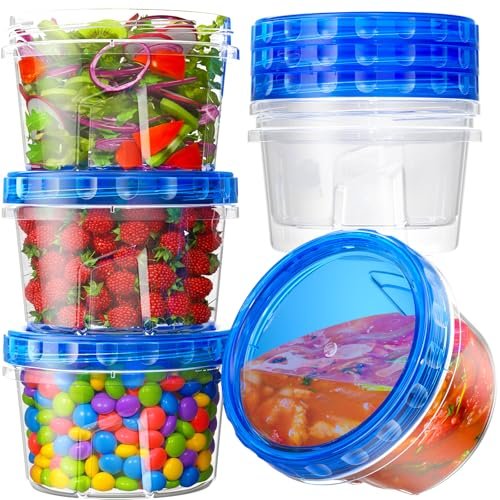
Opening your fridge to find a half-eaten casserole in a mismatched, leaky container or unpacking a work bag to discover soup seeping through your lunchbox is a universal kitchen frustration. Two-cup food storage containers solve these common pain points, offering a Goldilocks-sized solution that’s large enough for single servings of leftovers, snacks, or meal prep ingredients, but compact enough to fit in fridge door bins, lunch bags, and tight cabinet shelves without wasting space. As a staple in both home and commercial kitchens in 2026, these containers streamline food storage, reduce single-use plastic waste, and keep perishables fresh for longer. For more tips on building an efficient kitchen workflow, check out our kitchen organization blog.
Why 2 Cup Is the Perfect All-Purpose Storage Size
The 2-cup (16-17 ounce) capacity is widely considered the most versatile size for everyday food storage, hitting the sweet spot between overly small 1-cup containers that only hold snacks and bulky 4-cup containers that take up excessive space for single servings. A single 2-cup portion fits a standard serving of cooked pasta, soup, roasted vegetables, salad, or cut fruit, making it ideal for storing leftovers from weeknight dinners, prepping portion-controlled meals for weight management, or packing a balanced lunch for work or school. Unlike larger containers, 2-cup models fit neatly in most standard refrigerator door shelves, maximizing often-wasted vertical space, and their compact dimensions make them easy to stack in cabinets or freezer compartments without creating clutter. For households that prioritize portion control or reduce food waste by storing exact single servings, this size eliminates the guesswork of measuring out portions each time you store food.
Key Features to Prioritize When Shopping
Not all 2-cup containers are built for the same use case, so prioritizing features that match your needs will ensure you get the most value from your purchase. The four most important factors to evaluate are material construction, lid seal design, safety certifications, and versatility ratings.
Material Construction
Two-cup containers are most commonly made from three materials, each with distinct trade-offs:
- BPA-free plastic: Lightweight, shatterproof, and affordable, this is the best choice for on-the-go use, families with young children, or anyone who needs a durable set for daily transport. Look for thick, rigid plastic that resists warping, and avoid thin, flexible plastic that can crack with frequent use.
- Borosilicate glass: Stain and odor-resistant, and completely non-porous, glass is the top pick for storing acidic foods like tomato sauce, citrus, or vinegar-based dressings that can stain or absorb odors into plastic. It is also free of chemical leaching risks when reheating hot food, but it is heavier and can break if dropped.
- Tritan plastic: A middle-ground option, Tritan is impact-resistant, shatterproof, BPA-free, and more stain-resistant than standard BPA-free plastic, making it ideal for families who want the durability of plastic without the risk of chemical exposure or staining.
As of 2026, the U.S. Food and Drug Administration (FDA) maintains strict guidelines for food contact substances, including BPA restrictions; reputable brands will clearly list BPA-free status on packaging to comply with these standards FDA Food Contact Substances Guidance. For households with young children, pairing shatterproof storage containers with cabinet safety hardware reduces the risk of accidental breakage and access to dangerous cleaning supplies.
Lid Seal Design
The lid is the most critical component of a food storage container, as it determines how well food stays fresh and whether the container is leakproof for transport:
- Twist-top lids with threaded edges create the tightest, most leakproof seal, making them ideal for transporting liquids like soup, smoothies, or salad dressing. They are slightly slower to open and close than snap lids, but they are far less likely to pop off accidentally in a bag or lunchbox.
- Snap-on lids are the fastest to use for quick access to leftovers or meal prep ingredients, but they are less leakproof than twist-top designs, especially for semi-liquid foods.
- Lids with silicone gaskets add an extra layer of sealing, blocking air and moisture to extend food freshness and prevent leaks. Look for gaskets that are removable for easy cleaning, as trapped food particles can cause odors and reduce seal effectiveness over time.
Safety Certifications
Always look for containers that are certified BPA-free, phthalate-free, and lead-free, especially if you will be storing hot food or feeding children. As of 2026, most mainstream food storage brands have phased out these harmful chemicals, but no-name or extremely cheap brands may still use them, so confirm certifications on the packaging before purchasing.
Versatility Ratings
Check that the container is explicitly rated for the uses you need: microwave-safe containers should have no metal parts or metal seals, and most manufacturers recommend removing the lid when reheating to release steam and prevent pressure buildup. Freezer-safe containers will resist cracking at temperatures as low as -20°F, and dishwasher-safe containers are typically marked as top-rack safe to avoid warping from high heat.
Top-Rated 2 Cup Food Storage Containers for Every Use Case
Below are the top tested options for 2-cup containers, broken down by use case to help you find the best fit for your needs.
BiuLeon 6-Pack 17oz Freezer Storage Containers
 Compact 17oz containers ideal for single-serve soups and meal prep portions
Best for: Busy professionals packing hot lunches, meal preppers batch-cooking soups and stews. Pros:
- BPA-free construction meets FDA food safety standards for hot and cold storage
- Twist-top lids create a leakproof seal that holds up to being tossed in a work bag or backpack
- Microwave and top-rack dishwasher safe for quick reheating and cleanup
- Slightly oversized 17oz capacity (just over 2 cups) accommodates expanding foods like soup or stew without overflow Cons:
- Standard plastic construction can stain with bright, pigmented foods like turmeric or curry if not washed promptly
- 17oz capacity is larger than standard 2-cup sizes, so may be overkill for users who only need exact 2-cup portions Practical tip: In practice, these containers work best for liquid-heavy meals, as the extra 1oz of capacity prevents overflow during reheating. Avoid overfilling past the 1.5-cup line to ensure the lid seals fully. CTA: Grab this leakproof set for on-the-go meal storage here
Stock Your Home 10-Pack 16oz Twist Top Plastic Containers
 Stackable 16oz containers with leakproof lids, perfect for lunch packing
Best for: Families, college students, or anyone who needs a bulk set for weekly meal prep. Pros:
- Airtight twist-top seal effectively blocks air and moisture to reduce freezer burn during long-term storage
- Microwave and dishwasher safe for seamless reheating and cleanup
- Lightweight, shatterproof plastic is safe for kids to carry in lunch boxes
- Compact 16oz size fits standard lunch bag compartments and fridge door bins Cons:
- Thin plastic construction is more prone to staining than premium BPA-free or Tritan options, especially with bright foods
- 16oz capacity is slightly smaller than standard 2-cup sizes, so may not hold full portions of large meals Practical tip: A common mistake is overfilling these containers past the 1.5-cup line, which prevents the twist-top lid from sealing fully and causes leaks during transport. CTA: Stock up on this affordable 10-pack for bulk meal prep here
Rubbermaid 7J60 Easy Find Lid Square 2-Cup Food Storage (Pack of 8)
 Square containers designed to fit neatly in fridge shelves and cabinets
Best for: Home cooks who hate mismatched lids, anyone looking for a durable long-term storage set. Pros:
- Patented Easy Find Lid system has lids that snap to the base of each container, so you never have to dig through a drawer to find a matching lid
- Square shape fits snugly in fridge shelves and cabinet corners, eliminating wasted storage space
- BPA-free plastic is impact-resistant and crack-proof, even with frequent microwave and dishwasher use
- Microwave, freezer, and dishwasher safe for full versatility Cons:
- Only available in red as of 2026, so may not match all kitchen decor
- 2-cup capacity may be too small for full family meals Practical tip: In practice, these work best for storing leftovers from standard square or rectangular casserole dishes, as the container shape matches most baking dishes for easy, leak-free transfer. CTA: Upgrade to the lid-matching Rubbermaid set here
Rubbermaid Easy Find Lids 2-Cup Racer Red 4-Piece Set
 Compact 4-piece set with lids that snap to container bases for clutter-free storage
Best for: Small households, first-time meal preppers, or anyone who needs a small starter set. Pros:
- Lids snap not only to container bases, but to each other, so you can store all lids in a single small stack without taking up drawer space
- 2-cup capacity is perfect for portion-controlled meal prep, fitting standard single servings of grains, proteins, or vegetables
- BPA-free plastic is dishwasher and microwave safe for easy use
- Compact size fits easily in small apartments or dorm room kitchens Cons:
- Only available in racer red as of 2026, with limited color options
- 4-piece set may not be enough for larger families or frequent meal preppers Practical tip: These are an ideal starter set for new meal preppers, as the small size prevents over-portioning and helps you build consistent, balanced meal habits. CTA: Grab this compact starter set for small kitchens here
Utensilux 7-Piece 2-Cup Set with Chalk Labels
 Set includes reusable chalk labels to identify container contents at a glance
Best for: Meal preppers who make multiple different dishes each week, anyone tired of guessing what’s in their freezer containers. Pros:
- Includes a chalk pen and 7 reusable chalk labels, so you can mark contents and use-by dates directly on the lid without relying on sticky notes that fall off
- Lids snap together and to container bases for easy, clutter-free storage in drawers or cabinets
- Durable BPA-free plastic resists stains and odors from strong foods like garlic, onions, or curry
- Microwave, dishwasher, and freezer safe for full versatility Cons:
- Only available in red as of 2026, with limited color options
- 2-cup size may be too small for full family meals Practical tip: A common mistake is using permanent marker on these lids; the included chalk pen wipes clean with a damp cloth, making reuse and relabeling effortless. CTA: Get the labeled set for organized meal prep here
Anchor Hocking 2-Cup Glass Storage Containers with Mint SnugFit Lids (Set of 4)
 Stain-resistant glass containers ideal for acidic foods and reheating
Best for: People avoiding plastic, cooks who store acidic or brightly colored foods regularly. Pros:
- Borosilicate glass resists stains, odors, and warping, even after repeated use with acidic foods like tomato sauce, citrus, or vinegar-based dressings
- Mint SnugFit lids have a silicone gasket that creates an airtight seal to keep food fresh and prevent spills
- Microwave, freezer, and dishwasher safe with no risk of chemical leaching into hot food
- Compact square shape fits neatly in fridge shelves and cabinets Cons:
- Glass is heavier and can break if dropped, so it is less ideal for on-the-go transport or households with young children
- Lids are only available in mixed blue as of 2026, with limited color options Practical tip: In practice, these are the best choice for storing homemade sauces, meal prep bowls with wet ingredients, or leftover curry, as glass will not absorb flavors or stains like plastic can. Use a soft-bristled professional kitchen cleaning brush to remove stuck-on food without scratching the glass surface. CTA: Choose glass for chemical-free food storage here
Utensilux Rubbermaid Premier Flex & Seal 8-Piece Bundle
 Impact-resistant Tritan containers with flexible seal lids for spill-proof transport
Best for: Families with kids, people who transport meals to work or school regularly. Pros:
- Made with Tritan plastic, which is impact-resistant, shatterproof, and BPA-free, so it won’t break if dropped in a lunch bag or backpack
- Flex & Seal lids have a flexible silicone rim that creates a leakproof seal, even for semi-liquid foods like oatmeal, yogurt, or salad dressing
- Stackable design saves space in cabinets, fridge, and freezer
- Microwave and dishwasher safe for easy reheating and cleanup Cons:
- 2-cup size may be too small for full adult meals, especially for those with larger appetites
- Only available in grey and red as of 2026, with limited color options Practical tip: These work exceptionally well for packing kids’ lunches, as the shatterproof construction holds up to being tossed in a backpack, and the leakproof seal prevents messy spills in lunch boxes. CTA: Grab the shatterproof set for on-the-go meals here
Atecare 10-Pack 16oz Ultra Thick Freezer Containers
 Heavy-duty containers designed to resist cracking in freezing temperatures
Best for: People who batch cook and freeze meals for weeks at a time, anyone with limited freezer space. Pros:
- Ultra-thick plastic construction is rated for temperatures as low as -20°F, so it won’t crack or warp in the freezer even with long-term storage
- Leakproof twist-top lids prevent spills when transporting frozen meals, and stackable design maximizes limited freezer space
- BPA-free, and safe for microwave, dishwasher, and freezer use with no need to transfer food to separate dishes for reheating Cons:
- 16oz capacity is slightly smaller than standard 2-cup sizes, so may not hold full portions of large meals
- Only available in blue as of 2026, with limited color options Practical tip: A common mistake is freezing glass containers with liquid, which can cause them to crack; these plastic containers are designed for direct freezer use, no need to transfer to separate freezer bags. CTA: Stock up on heavy-duty containers for bulk freezing here
EONJOE 12-Pack 16oz BPA-Free Stackable Freezer Containers
 Affordable 12-pack set with airtight lids for extended freezer storage
Best for: Budget shoppers, people who need a large set for weekly meal prep. Pros:
- Airtight lids create a tight seal to keep food fresh during extended freezer storage
- Stackable design fits neatly in most standard freezer compartments, making it easy to see and access meals
- BPA-free, lightweight, and shatterproof, making it safe for transport and easy to handle
- Dishwasher safe for quick cleanup Cons:
- Thin plastic construction is less stain-resistant than premium Tritan or glass options, so bright foods may leave faint marks over time
- 16oz capacity is slightly smaller than standard 2-cup sizes Practical tip: Label these with a dry-erase marker before freezing, as the smooth plastic surface holds writing well, and the marker wipes clean completely after washing. CTA: Grab this budget-friendly 12-pack for weekly meal prep here
Freshware 50-Pack 16oz BPA-Free Deli Containers
 Bulk 50-pack set perfect for small businesses, meal prep services, or large families
Best for: Meal prep services, large families, small food businesses, or anyone who needs dozens of containers for weekly prep. Pros:
- Ultra-low cost per container makes it an affordable option for bulk use
- Leakproof lids prevent spills for soups, sauces, dressings, and other liquid foods
- Stackable design saves space in cabinets, fridge, and freezer
- BPA-free, microwave, dishwasher, and freezer safe for full versatility Cons:
- Thin plastic construction can warp if exposed to very high heat in the microwave, so avoid reheating on high power for extended periods
- 16oz capacity is slightly smaller than standard 2-cup sizes Practical tip: These work perfectly for portioning out snacks like nuts, seeds, cut fruit, or salad toppings for kids’ lunchboxes, as the low cost makes it easy to replace if they get lost or damaged. CTA: Stock up on the bulk 50-pack for large households here
Pro Tips for Long-Lasting Container Performance
With proper care, a high-quality set of 2-cup containers can last for 5+ years, reducing waste and saving you money on disposable storage options over time. Follow these guidelines to get the most out of your set:
Cleaning and Maintenance
Hand wash lids with mild soap and a soft-bristled kitchen cleaning brush to preserve the integrity of silicone seals and prevent warping from high dishwasher heat. For stained or odorous plastic containers, soak in a mix of warm water and baking soda for 30 minutes to lift stains and neutralize odors without harsh chemicals. Avoid abrasive scrubbers or steel wool, as they can scratch plastic and glass surfaces, creating hiding spots for bacteria.
Space-Saving Storage
Stack containers with lids on to maximize vertical space in cabinets, fridge, and freezer. Use drawer dividers to keep containers and lids organized by size, so you never have to dig through a messy drawer to find a match. Store heavier glass containers on lower shelves to prevent breakage if they fall, and keep frequently used containers at eye level for easy access.
Avoiding Common Damage
Never seal containers with hot food until it has cooled to room temperature, as trapped steam creates pressure that can warp plastic lids or loosen silicone seals. Do not use containers with cracked, warped, or torn lids, as they will not seal properly and can cause leaks or food spoilage. Avoid exposing containers to extreme temperature changes, like moving a container directly from the freezer to the microwave, which can cause glass to crack or plastic to warp.
Frequently Asked Questions
Are all 2-cup food storage containers microwave and dishwasher safe?
Most standard 2-cup containers are rated for microwave and dishwasher use, but always check the manufacturer’s guidelines first. For microwave use, avoid containers with metal parts or metal seals, and leave the lid slightly ajar when reheating to release steam and prevent pressure buildup. For dishwasher use, place containers and lids on the top rack to avoid exposure to high heat that can warp plastic or loosen silicone seals over time. Glass and Tritan containers are generally more heat-resistant than standard BPA-free plastic, making them a better choice for frequent reheating.
How do I know if a 2-cup container is truly BPA-free?
Look for a clear BPA-free label on the product packaging or the container itself, as reputable brands will highlight this certification prominently. As of 2026, most mainstream food storage container brands have phased out BPA from their products due to consumer demand and FDA guidance on BPA exposure, but it’s still worth confirming for cheaper no-name brands. If a product does not list BPA-free status, assume it may contain the chemical, especially if it is made from rigid, clear plastic #7, which is the most common plastic type used for BPA-containing food containers.
How airtight are 2-cup container lids, and do they prevent leaks?
The airtightness of a lid depends on its design: lids with silicone gaskets or flexible rubber seals create the tightest fit, blocking air and moisture to keep food fresh and prevent spills during transport. Twist-top lids with threaded edges are the most leakproof for on-the-go use, as the threaded design creates a tighter seal than snap-on lids. In practice, a properly sealed 2-cup container with a silicone gasket lid will hold liquid without leaking even if turned upside down, making it safe to pack in a work bag or lunchbox.
Can I freeze food in 2-cup containers?
Yes, most 2-cup containers are rated for freezer use, but follow these best practices to avoid damage. Leave 1-2 inches of headspace at the top of the container when freezing liquids or foods that expand (like soups, stews, or cooked grains) to prevent the container from cracking as the food expands. Glass containers are safe for freezer use only if they are made from borosilicate glass, which is designed to withstand extreme temperature changes without breaking; avoid freezing standard soda-lime glass containers, as they can crack when exposed to freezing temperatures. Plastic containers rated for freezer use will not crack or warp, but avoid overfilling them to prevent the lid from popping off as the food expands. For official guidance on safe freezer storage times and temperature requirements, refer to the U.S. Department of Agriculture (USDA) food safety resources USDA Food Safety and Inspection Service.
How durable are 2-cup food storage containers?
Durability varies widely by material: borosilicate glass containers can last for decades if handled carefully, while high-quality Tritan or thick BPA-free plastic containers will last 3-5 years with regular use. Lower-quality thin plastic containers may warp, crack, or stain after 1-2 years of frequent microwave and dishwasher use. To extend the life of your containers, avoid exposing them to extreme temperature changes, and hand wash lids if you notice the seal starting to loosen over time.
Are 2-cup containers safe for storing baby food?
Yes, as long as they are certified BPA-free, phthalate-free, and lead-free, which most mainstream 2-cup containers are as of 2026. Glass containers are the safest option for baby food, as they are non-porous and will not absorb flavors or odors from strong foods like pureed vegetables or meat. Always allow baby food to cool to room temperature before sealing and storing, and discard any leftover food after 24 hours to avoid bacterial growth.
Final Thoughts
Two-cup food storage containers are a low-cost, high-impact investment that eliminates the frustration of mismatched lids, leaked lunches, and spoiled leftovers. The right set for your needs depends on your primary use case: choose glass for chemical-free storage of acidic foods, shatterproof Tritan for households with kids, twist-top plastic for on-the-go transport, or a bulk deli container set for large families or meal prep services. Pair your new containers with a high-quality kitchen cleaning brush set to keep them in like-new condition for years to come, and for more kitchen efficiency tips, browse our full blog library for guides on meal prep, organization, and safe kitchen practices. With the right 2-cup containers, you’ll spend less time dealing with kitchen clutter and food waste, and more time enjoying freshly prepared meals.

I’m Abby Lu, a passionate home cook who loves simplifying everyday meals. At PlugChef.com, I share product reviews and cooking guides to help you find the best tools for your kitchen.
Related posts:
 Best Kitchen Gadgets Under $20: Affordable Tools for Every Culinary Task
 Under Cabinet Hidden Kitchen Outlets: Revolutionize Your Space-Saving Solutions
 Shelf for Under Kitchen Sink: Maximize Space with Pull-Out Organizers
 Best Beeswax Wraps for Zero Waste Kitchen: Eco-Friendly Food Storage Solution
 Cleaning Brush for Kitchen: Top Durable Dish Scrubbers for Sparkling Results
 Clr Bathroom & Kitchen Cleaner: Ultimate Solution for Tough Stains and Grime