
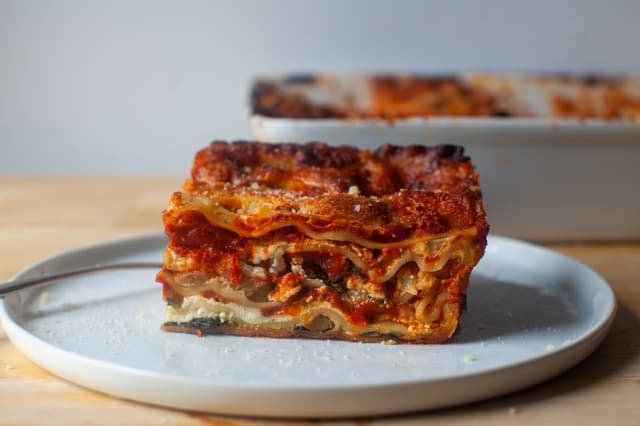
Are you craving a delicious, comforting meal that’s also packed with fresh vegetables? Ina Garten’s Vegetable Lasagna recipe is exactly what you need.
This dish combines layers of tender pasta, rich cheese, and vibrant veggies to create a meal that’s both satisfying and healthy. Whether you’re cooking for your family or hosting friends, this recipe will impress everyone at the table. Keep reading, and you’ll discover how easy it is to make this flavorful lasagna your new favorite dinner.
Ingredients For Vegetable Lasagna
Choosing the right ingredients is key for a delicious vegetable lasagna. Each component plays a special role. Freshness and quality make a big difference in taste and texture.
This recipe uses a mix of fresh vegetables, creamy cheeses, and classic pasta essentials. The balance of these ingredients creates a rich, hearty dish everyone will enjoy.
Fresh Vegetables Selection
- Zucchini – sliced thin for tender layers
- Spinach – fresh or frozen, for a healthy boost
- Mushrooms – chopped for earthy flavor
- Red bell peppers – diced for sweetness
- Onions – finely chopped to add depth
- Garlic – minced for aroma and taste
Cheese And Dairy Choices
- Ricotta cheese – creamy and mild
- Shredded mozzarella – melts perfectly
- Parmesan cheese – sharp and nutty
- Egg – helps bind the ricotta mixture
- Heavy cream or milk – optional for extra creaminess
Pasta And Sauce Essentials
- Lasagna noodles – cooked or no-boil type
- Marinara sauce – homemade or store-bought
- Olive oil – for sautéing vegetables
- Salt and pepper – to taste
- Italian herbs – basil, oregano, or thyme
Preparing The Vegetables
Fresh vegetables should be washed and chopped into even pieces for consistent cooking. Sautéing them lightly brings out their natural flavors and softens their texture.
Preparing fresh vegetables is a crucial step in Ina Garten’s vegetable lasagna recipe. The right preparation ensures each layer bursts with flavor. Freshness and proper technique bring out the best in each vegetable. You’ll want to focus on two key aspects: chopping and sautéing, and balancing flavors and textures.
Chopping And Sautéing Tips
Chop vegetables into uniform pieces. This ensures even cooking. Use a sharp knife for clean cuts. Peppers, zucchini, and mushrooms are essential. Sauté them in olive oil for enhanced flavor. Medium heat works best. Stir frequently to avoid burning. Cook until vegetables are soft. This will add depth to your lasagna.
Balancing Flavors And Textures
Balance flavors with a mix of sweet and savory. Carrots add sweetness. Use spinach for a slight bitterness. Mushrooms provide an earthy taste. Texture is important too. Include crunchy and soft vegetables. Zucchini adds a soft texture. Peppers bring a slight crunch. Combine these for a satisfying bite. Adjust seasoning to suit your taste. Salt and pepper should be used sparingly. Taste as you go for best results.
Making The Sauce
Making the sauce is a key part of Ina Garten’s Vegetable Lasagna recipe. The sauce brings flavor and moisture to the dish. It ties all the ingredients together perfectly. A well-made sauce enhances the taste of every layer in the lasagna.
Using fresh ingredients makes the sauce taste vibrant and rich. The sauce should be smooth and not too thick. It needs to coat the vegetables and noodles well. This section explores the classic tomato sauce and some alternative sauces to try.
Classic Tomato Sauce
The classic tomato sauce is simple and full of flavor. It uses ripe tomatoes, garlic, and herbs. Fresh basil and oregano give it a lovely aroma. The sauce simmers slowly to deepen the taste.
- Start with olive oil and sauté garlic until fragrant.
- Add crushed tomatoes and stir well.
- Season with salt, pepper, and fresh herbs.
- Let the sauce cook gently for 20 to 30 minutes.
- Stir occasionally to prevent sticking.
This sauce creates a bright, tangy base for the lasagna. It balances well with creamy cheese and roasted vegetables.
Alternative Sauces For Variation
Try different sauces to change the flavor profile. A béchamel sauce adds creaminess and smooth texture. Pesto sauce gives a fresh, herbal punch. Roasted red pepper sauce offers a smoky sweetness.
- Béchamel:Made with butter, flour, and milk for a creamy touch.
- Pesto:Blended basil, pine nuts, garlic, and olive oil for bright flavor.
- Roasted Red Pepper:Puree roasted peppers with garlic and olive oil.
Each alternative sauce pairs well with the vegetables in the lasagna. They provide variety while keeping the dish delicious and satisfying.

Credit: stephaniemormina.com
Layering The Lasagna
Layering the lasagna is key to getting the perfect texture and flavor in Ina Garten’s Vegetable Lasagna. Each layer builds on the last, creating a delicious blend of cheese, vegetables, and pasta. Careful layering also helps the lasagna cook evenly.
Order Of Layers
Start with a thin layer of sauce at the bottom of the pan to stop sticking. Next, add a layer of cooked lasagna noodles. Spread a mix of ricotta and mozzarella cheese over the noodles. Then, add a generous layer of sautéed vegetables. Repeat these layers until the dish is almost full. Finish with a final layer of noodles, sauce, and a sprinkle of cheese on top.
Tips For Even Distribution
- Use a spoon or spatula to spread cheese and sauce evenly.
- Distribute vegetables in small, even piles across the noodles.
- Press layers gently to remove air pockets for better cooking.
- Keep the layers balanced to avoid one side being heavier.
- Make sure the top layer is covered with sauce to prevent drying.
Baking Instructions
Baking Ina Garten’s Vegetable Lasagna requires attention to heat and time. Correct oven settings ensure the layers cook evenly. Proper timing lets the flavors blend perfectly. Follow these baking instructions carefully to achieve a delicious result.
Oven Settings And Timing
Preheat the oven to 375°F (190°C). Use the middle rack for even heat circulation. Bake the lasagna uncovered for about 45 minutes. Cover with foil if the top browns too fast. Remove foil during the last 10 minutes to brown the cheese.
Checking For Doneness
Look for bubbling sauce around the edges. The cheese should be melted and golden brown. Insert a knife in the center; it should come out hot. The noodles must be tender but firm. Let the lasagna rest for 10-15 minutes before serving. This helps it set and makes slicing easier.
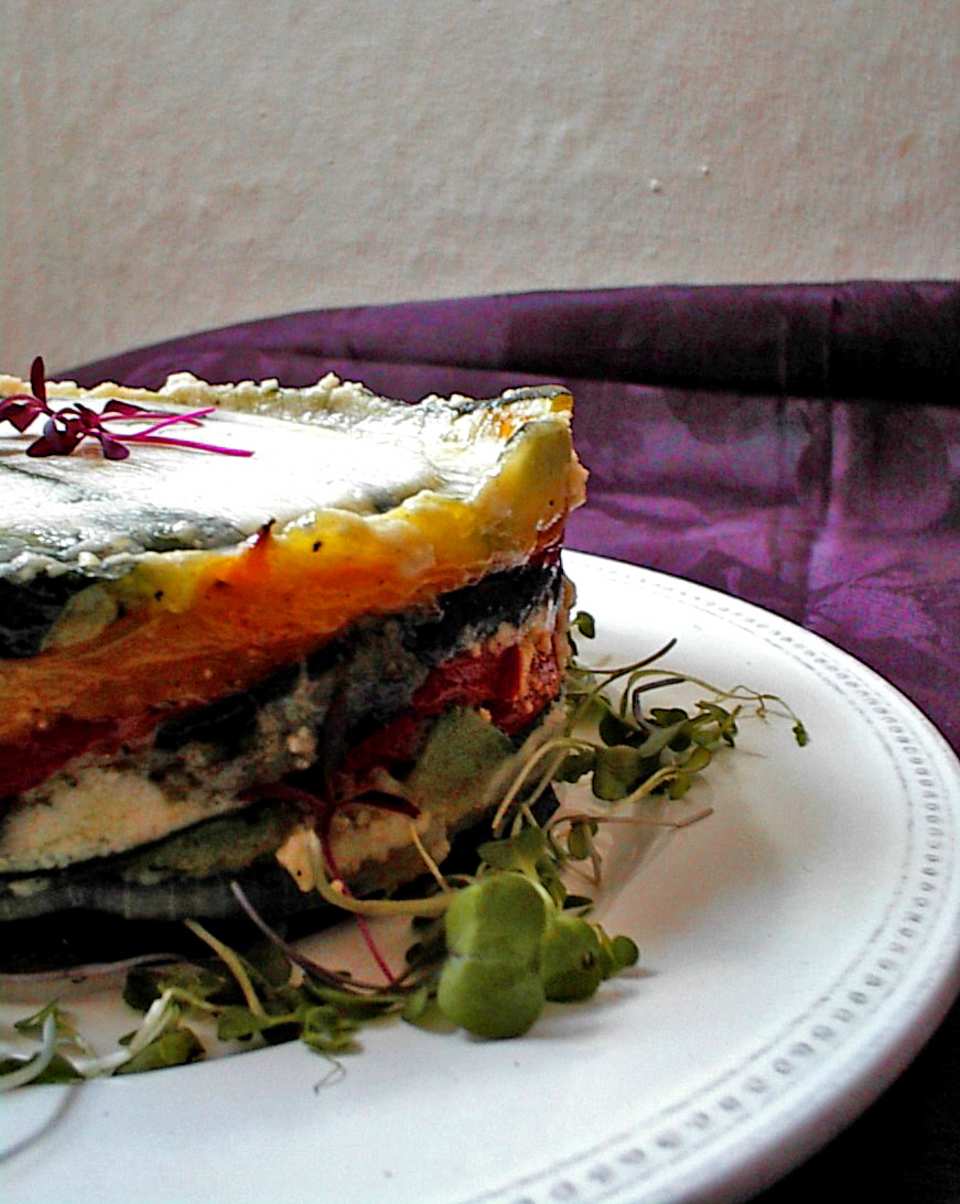
Credit: www.food.com
Serving Suggestions
Serving Ina Garten’s Vegetable Lasagna is more than just plating a dish. It’s about creating a complete dining experience that complements the rich flavors of the lasagna. Thoughtful pairings can elevate your meal, making it memorable for you and your guests.
Pairing With Side Dishes
Light, fresh sides balance the hearty layers of the vegetable lasagna. A crisp green salad with lemon vinaigrette cuts through the richness and adds a refreshing crunch. Roasted asparagus or garlic sautéed spinach bring an earthy note that matches the vegetable medley inside the lasagna.
Consider also serving warm crusty bread or garlic breadsticks. They help soak up the delicious sauce and add a satisfying texture contrast. What side dish makes your lasagna night feel complete?
Wine And Beverage Choices
Choosing the right drink can highlight the freshness and depth of the vegetable lasagna. A medium-bodied red like Pinot Noir offers bright acidity that complements tomato sauce without overpowering the vegetables. If you prefer white, a chilled Sauvignon Blanc with citrus notes refreshes your palate between bites.
Non-alcoholic options like sparkling water with a splash of lemon or herbal iced tea provide a clean finish. Think about what beverage helps you savor every bite and keeps you coming back for more.
Tips For Making It Ahead
Preparing Ina Garten’s Vegetable Lasagna ahead saves time and stress. You can enjoy a delicious meal without rushing. Planning ahead keeps flavors rich and textures perfect. Follow these simple tips for storing, reheating, and freezing.
Storage And Reheating
Store the lasagna in an airtight container in the fridge. It stays fresh for up to 3 days. Cover with foil or plastic wrap to keep moisture in. Reheat in the oven at 350°F (175°C) for 25-30 minutes. Keep it covered to avoid drying out. For quicker reheating, use a microwave but check for even heat. Let it rest a few minutes before serving to blend flavors.
Freezing Options
Freeze the lasagna before or after baking. Wrap tightly with plastic wrap and foil to prevent freezer burn. Label with date and contents for easy reference. Freeze for up to 3 months for best taste. Thaw overnight in the fridge before reheating. Reheat from frozen by adding extra baking time, about 45-60 minutes at 350°F (175°C). Cover with foil to keep it moist during baking.
Variations To Try
The beauty of Ina Garten’s Vegetable Lasagna recipe lies in its flexibility. You can easily tailor it to suit your taste or dietary needs without losing its delicious essence. Trying variations not only keeps the dish exciting but also lets you experiment with flavors and textures.
Adding Protein
If you want to make your lasagna more filling, adding protein is a smart move. Consider mixing in cooked Italian sausage, ground beef, or shredded chicken between the layers. These options bring a hearty element that balances the fresh vegetables and creamy cheese.
For a lighter touch, try adding ricotta mixed with spinach and eggs for extra protein without overpowering the vegetable flavors. Have you ever tried cottage cheese as a protein boost? It melts well and adds a subtle tang that pairs beautifully with tomato sauce.
Using Different Vegetables
While Ina’s recipe uses classic vegetables like zucchini and spinach, you can swap or add any veggies you enjoy. Roasted eggplant, bell peppers, or mushrooms add richness and depth. Think about what’s fresh and in season to keep your lasagna vibrant.
Try layering thin slices of sweet potatoes or butternut squash for a subtly sweet twist. You might find yourself surprised how these changes can completely shift the dish’s character. What vegetables do you think would make your ideal lasagna?
Gluten-free And Vegan Options
Making this lasagna gluten-free is straightforward—just replace regular lasagna noodles with gluten-free pasta sheets or use thinly sliced vegetables like zucchini or eggplant as noodles. This keeps the dish low-carb and friendly for gluten-sensitive guests.
For a vegan version, swap the ricotta and mozzarella for plant-based cheeses or blend tofu with nutritional yeast for a creamy filling. Don’t forget to use a tomato sauce free from animal products. These tweaks keep the spirit of the recipe alive while respecting your dietary choices.
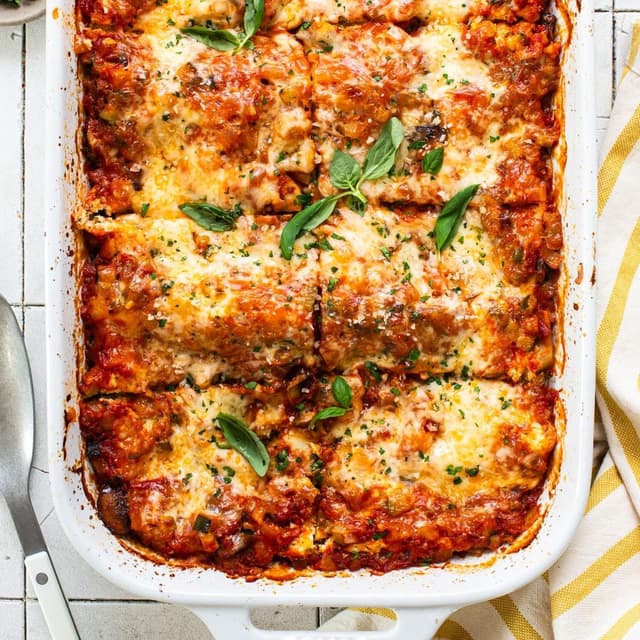
Credit: www.punchfork.com
Frequently Asked Questions
What Ingredients Are Needed For Ina Garten’s Vegetable Lasagna?
Ina Garten’s vegetable lasagna requires lasagna noodles, ricotta, mozzarella, Parmesan cheese, spinach, mushrooms, zucchini, and marinara sauce. Fresh herbs, garlic, and olive oil enhance the flavor. These ingredients create a rich, creamy, and vegetable-packed dish perfect for any occasion.
How Long Does Ina Garten’s Vegetable Lasagna Take To Bake?
Ina Garten’s vegetable lasagna typically takes about 45 minutes to bake. It should be covered with foil for the first 30 minutes. Then, bake uncovered for the last 15 minutes until bubbly and golden on top.
Can Ina Garten’s Vegetable Lasagna Be Made Ahead?
Yes, Ina Garten’s vegetable lasagna can be made a day ahead. Assemble it and refrigerate overnight. Bake it the next day for best freshness and flavor, saving time on busy days.
Is Ina Garten’s Vegetable Lasagna Suitable For Vegetarians?
Yes, Ina Garten’s vegetable lasagna is vegetarian-friendly. It contains no meat, focusing on vegetables and cheeses. It’s a wholesome, satisfying option for vegetarians seeking a hearty meal.
Conclusion
Ina Garten’s vegetable lasagna recipe is simple and tasty. It uses fresh ingredients that bring great flavors. You can enjoy it for dinner or special occasions. This dish is a good way to eat more vegetables. Cooking it at home helps you control what goes inside.
Try this recipe to make a warm, healthy meal. Everyone will love the rich layers and soft cheese. Give it a try and enjoy a cozy, delicious dinner.

Hi, I’m Daniel Brooks—a food lover and kitchen gear enthusiast. I enjoy testing cookware, utensils, and gadgets to see what really works in everyday cooking. At PlugChef.com, I share honest reviews, comparisons, and simple guides to help you choose the best tools for a safer, smarter, and more enjoyable kitchen.
Related posts:
 What Type of Cooking Utensils are Safe: Expert Picks
 What Innovations Could Blenders Make: Unleashing Future Tech
 Smart Strategies to Organize a Small Kitchen: Maximize Space
 How to Organize a Kitchen Cabinet: Expert Tips & Tricks
 How to Organize Kitchen Drawers: Expert Tips and Tricks
 How to Organize a Corner Kitchen Cupboard: Expert Tips

