
Are you craving perfectly cooked hot dogs with a crispy, smoky finish? Broiling hot dogs in your oven is a quick and easy way to get that delicious taste without firing up the grill.
Whether you’re short on time or the weather isn’t cooperating, this method lets you enjoy juicy, flavorful hot dogs right at home. Keep reading to discover simple steps and insider tips that will make your next hot dog meal a tasty hit every time.

Credit: www.delish.com
Choosing The Right Hot Dogs
Choosing the right hot dogs is key to a tasty broiled meal. The type and quality of hot dogs affect the flavor and texture. Picking the best ones makes your oven broil turn out great. Here are some simple tips to help you select hot dogs that will suit your taste and cooking style.
Types Of Hot Dogs
Hot dogs come in many varieties. Some common types include:
- Beef hot dogs – rich and classic taste
- Pork hot dogs – slightly sweeter and softer
- Chicken or turkey hot dogs – lighter and leaner options
- Vegetarian or vegan hot dogs – plant-based choices
- Artisan or gourmet hot dogs – unique flavors and spices
Each type offers a different flavor and texture. Choose one that fits your preference and dietary needs.
Quality And Flavor Tips
- Look for hot dogs with fewer additives and preservatives.
- Check the meat content; higher meat percentage means better taste.
- Try brands with natural casings for a nice snap when you bite.
- Pick hot dogs with balanced fat for juicy, flavorful results.
- Consider seasoning – some hot dogs include spices like garlic or pepper.
Good-quality hot dogs make your broiling experience more enjoyable. Freshness and flavor matter most for a perfect meal.
Preparing Hot Dogs For Broiling
Preparing hot dogs for broiling is a simple task that makes a big taste difference. Proper prep helps the hot dogs cook evenly and boosts their flavor. A few easy steps get your hot dogs ready for the oven’s intense heat.
Scoring And Seasoning
Scoring means making small cuts on the hot dog’s surface. These cuts help heat reach inside for even cooking. They also stop the hot dog from curling while broiling.
Use a sharp knife to make shallow diagonal slashes. Space the cuts evenly along the hot dog’s length.
Seasoning adds flavor right on the skin. Lightly brush the hot dogs with oil or melted butter. Sprinkle salt, pepper, or your favorite spices for extra taste.
Using Foil Or Rack
Decide whether to broil hot dogs on foil or a rack. Both work well but give different results.
- Foil:Place hot dogs on a foil-lined baking sheet. The foil catches drips and makes cleanup easy.
- Rack:Use a wire rack on a baking sheet. This lets heat circulate evenly around the hot dogs.
Choose a method that suits your oven and cleanup preference. Both keep hot dogs juicy with a nice char.
Setting Up The Oven
Preheat the oven’s broiler to high for even cooking. Place the oven rack about 4-6 inches from the heat source. This setup helps hot dogs cook quickly and get a nice char.
Setting up your oven for broiling hot dogs might seem simple, but getting it right ensures that your hot dogs are cooked to perfection. Whether you’re a seasoned chef or new to the kitchen, understanding your oven’s broil setting can make a difference. Let’s dive into how you can set up your oven to achieve those perfectly broiled hot dogs.Choosing The Broil Setting
Begin by selecting the broil setting on your oven. This setting is crucial because it provides direct heat from the top, mimicking the grill effect. On most ovens, you’ll find the broil option on the control panel. Broiling can cook your hot dogs quickly and give them a slightly crispy texture. Always remember to preheat the oven on the broil setting for about five minutes before placing your hot dogs inside. This ensures that they start cooking immediately and evenly.Ideal Temperature And Rack Position
For the ideal temperature, set your oven to around 500°F (260°C). This high heat is what gives the hot dogs their delightful charred finish. Positioning the oven rack is equally important. Place it in the top third of the oven, about 5-6 inches from the broiler. This distance allows the hot dogs to cook thoroughly without burning. Consider your personal preference too. Do you prefer a lighter or darker char on your hot dogs? Adjust the rack position slightly to achieve your desired level of crispness.
Credit: food52.com
Broiling Process Step-by-step
Broiling hot dogs in the oven is a quick way to get that crispy, slightly charred skin while keeping the inside juicy and flavorful. The process is straightforward, but timing and attention are key. Let’s break down the steps to help you master this technique.
Timing For Perfect Juiciness
Set your oven’s broiler to high and preheat for about 5 minutes. Place the hot dogs on a broiler-safe pan or rack to allow heat to circulate evenly. Broil them for about 4 to 6 minutes, depending on their size and your oven’s strength.
Keep a close eye during this time. Too short, and they won’t get that signature char; too long, and they dry out. You want the skin to blister and darken slightly without losing moisture inside. Have you noticed how a minute or two can make all the difference in flavor?
Flipping And Monitoring
Flip the hot dogs halfway through the broiling time using tongs for even cooking. This helps both sides develop that perfect texture and prevents burning on one side. I’ve found that flipping at the right moment is key—too early, and you lose the crispness; too late, and one side overcooks.
Stay near the oven and watch the hot dogs carefully as they broil. The heat is intense, and they can go from perfectly browned to burnt very quickly. What’s your best trick for knowing when to flip and when to pull them out?
Serving Suggestions
Serving your broiled hot dogs is where the fun truly begins. The right toppings and combinations can turn a simple meal into a memorable experience. Whether you prefer the classics or want to try something new, here are some ideas to elevate your hot dog game.
Classic Toppings
Sometimes, sticking to the basics is the best choice. Classic toppings bring familiar flavors that complement the smoky taste from broiling perfectly.
- Yellow mustard:Adds a tangy kick that cuts through the richness of the hot dog.
- Ketchup:Sweet and smooth, a favorite for many.
- Relish:Provides a crunchy, sweet contrast.
- Chopped onions:Fresh or grilled, they add a sharp bite.
- Shredded cheddar cheese:Melts nicely over the hot dog, creating a gooey texture.
Have you ever tried mixing these toppings in new ways? A little extra mustard with grilled onions can surprise your taste buds.
Creative Combos
Feel like experimenting? Creative combinations can turn your hot dog into a gourmet treat.
- Avocado and spicy mayo:Creamy and spicy, perfect for a modern twist.
- Sauerkraut and Swiss cheese:A tangy and melty duo that adds depth.
- Pineapple salsa and jalapeños:Sweet heat that’s unexpected but delicious.
- Coleslaw and BBQ sauce:Crunchy and smoky, great for summer cookouts.
- Pickled jalapeños and cream cheese:Tangy and smooth, a flavor combo that works well.
What’s stopping you from mixing your favorite flavors? Sometimes the best hot dog topping comes from a happy accident in your kitchen.
Troubleshooting Common Issues
Broiling hot dogs in the oven is quick and convenient, but it can sometimes lead to less-than-perfect results. If you’ve ever ended up with dry or burnt hot dogs, you’re not alone. Identifying common pitfalls can help you enjoy juicy, flavorful hot dogs every time you use your oven’s broiler.
Avoiding Dryness
Dry hot dogs often happen when the broiler is too hot or the cooking time is too long. Keep a close eye on the hot dogs and check them frequently to prevent moisture loss.
Try this tip: place a small oven-safe dish of water on the rack below the hot dogs. The steam helps keep the hot dogs moist. Also, you can lightly brush the hot dogs with a bit of oil or butter before broiling to lock in juiciness.
Have you noticed that pre-cooked hot dogs dry out faster? They need less time under the broiler, so adjust your timing accordingly to keep them tender.
Preventing Burning
Burnt hot dogs usually result from placing them too close to the heating element or broiling for too long. Make sure your oven rack is positioned about 5-6 inches below the broiler for even cooking.
Turning the hot dogs frequently is key. Rotate them every 1-2 minutes to avoid charring on one side and ensure they cook evenly. Using a timer helps you keep track and prevents overcooking.
If you find burnt spots forming too quickly, reduce the broiler temperature slightly if your oven allows it. This small adjustment can make a big difference in cooking control.
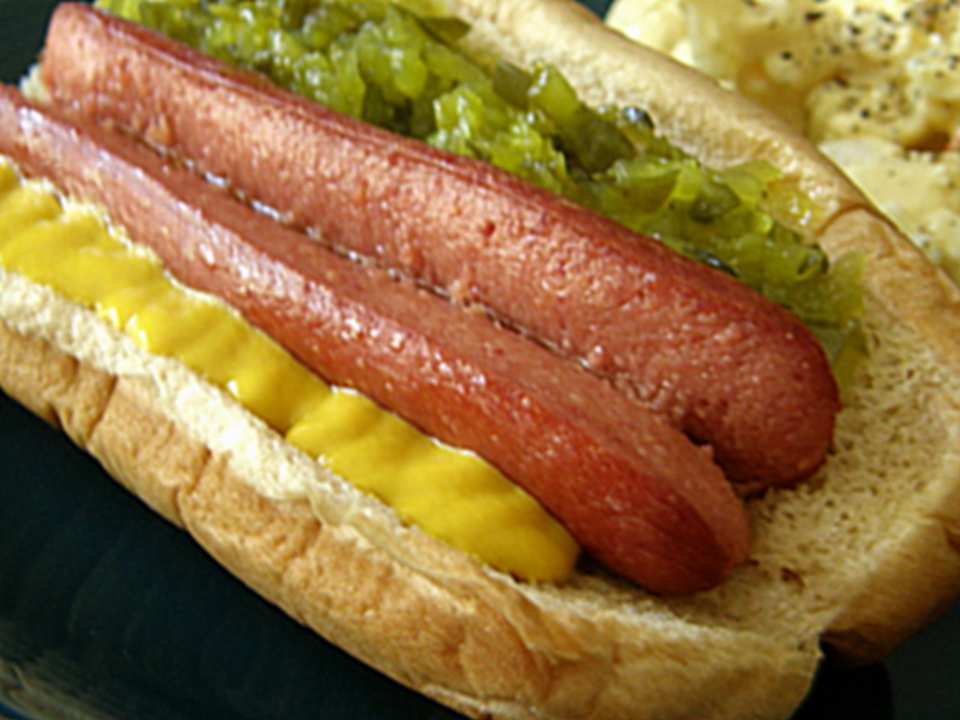
Credit: www.food.com
Frequently Asked Questions
How Long To Broil Hot Dogs In The Oven?
Broil hot dogs for 5 to 7 minutes, turning once halfway. Watch closely to avoid burning. This time ensures even cooking and a crispy exterior.
What Temperature To Set When Broiling Hot Dogs?
Set your oven to the broil setting, usually around 500°F (260°C). High heat cooks hot dogs quickly and crisply.
Should I Use A Baking Sheet Or Wire Rack?
Use a wire rack on a baking sheet for best results. It allows heat circulation and prevents soggy hot dogs.
Can I Broil Frozen Hot Dogs Directly?
Yes, but add a couple of extra minutes to the broiling time. Turn often to ensure even heating and avoid burning.
Conclusion
Broiling hot dogs in the oven is quick and simple. You get a nice, crispy outside with juicy meat inside. This method needs little effort and gives tasty results every time. Perfect for busy days or when grilling is not an option.
Try it out and enjoy a warm, delicious meal fast. Hot dogs never tasted this good from your own oven. Easy, fast, and yummy—what more could you want?

Hi, I’m Daniel Brooks—a food lover and kitchen gear enthusiast. I enjoy testing cookware, utensils, and gadgets to see what really works in everyday cooking. At PlugChef.com, I share honest reviews, comparisons, and simple guides to help you choose the best tools for a safer, smarter, and more enjoyable kitchen.
Related posts:
 What Type of Cooking Utensils are Safe: Expert Picks
 What Innovations Could Blenders Make: Unleashing Future Tech
 Smart Strategies to Organize a Small Kitchen: Maximize Space
 How to Organize a Kitchen Cabinet: Expert Tips & Tricks
 How to Organize Kitchen Drawers: Expert Tips and Tricks
 How to Organize a Corner Kitchen Cupboard: Expert Tips

