
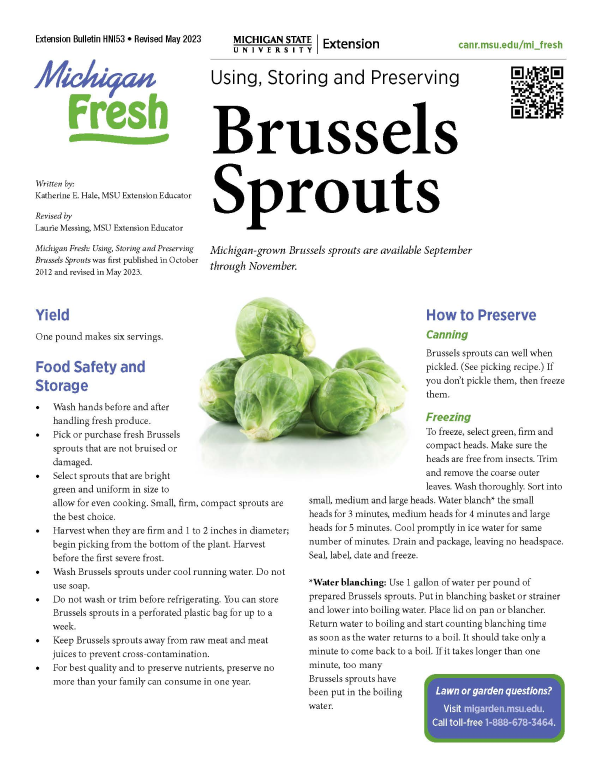
Brussels sprouts are inexpensive, nutritious, and versatile — but they go from crisp to limp quickly if stored incorrectly. This guide shows exactly how to choose, prepare, and store Brussels sprouts so they stay fresher longer, whether you plan to eat them within days, freeze a batch for months, or preserve them by pickling. In practice, a few small steps (don’t wash early, keep them cool, and manage moisture) will extend usable life and reduce waste.
What to look for at the store or market
Pick the freshest sprouts to give you the best starting shelf life.
- Color and leaves: Look for bright, even green heads with tight, compact leaves. Avoid yellowing, browning, or loose leaves.
- Firmness: Each sprout should be dense and firm when squeezed. Soft or spongy sprouts are past their prime.
- On a stalk vs. loose: Sprouts still attached to the stalk usually last longer than loose ones because they keep moisture better and suffer less handling damage.
- Size and use: Medium-sized sprouts roast and caramelize more evenly. Very large sprouts can be woody; very small ones can be bitter.
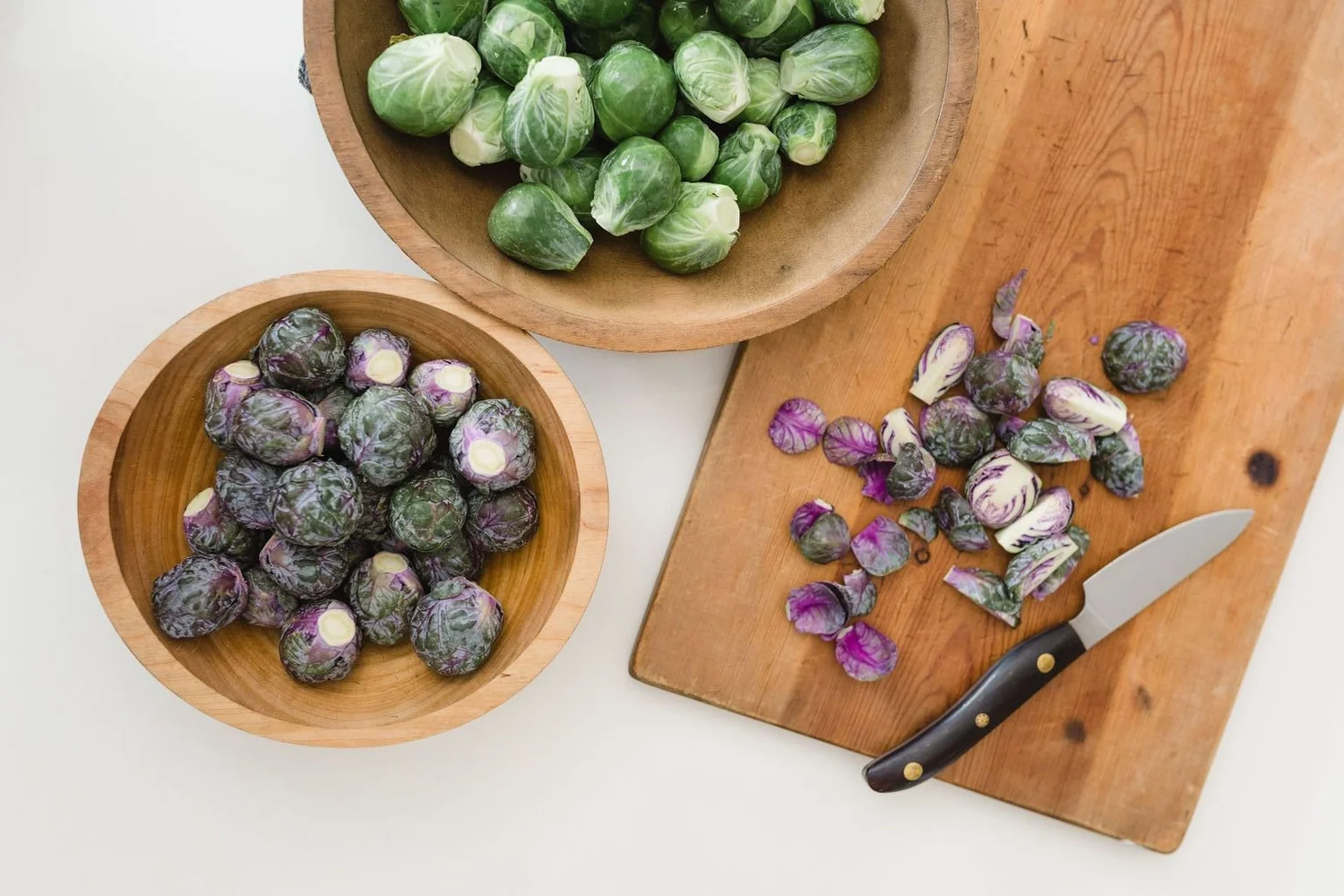
Fresh loose Brussels sprouts ready to sort and store.
Credit: www.hitchcockfarms.com
Preparing Brussels sprouts for storage (step-by-step)
Proper prep removes damaged tissue and controls moisture — two common causes of spoilage.
Inspect and trim:
- Remove yellowed or bruised outer leaves.
- Trim just the tough stem nub (about 1/8–1/4 inch). Avoid heavy trimming; excessive cuts let moisture escape.
Do NOT wash for storage:
- Washing before storage adds moisture that promotes mold and rot. Only wash immediately before cooking.
Dry if they are damp:
- If your sprouts are damp from market humidity, spread them on a towel and air-dry before packing.
In practice, the biggest mistakes are over-trimming, washing too early, or tightly packing damp sprouts into plastic — all accelerate decline.
Refrigerator storage: three practical methods
Temperature: store at 32–40°F (0–4°C) and keep sprouts away from the freezer compartment to avoid freezing damage.
Method A — Keep on the stalk (best shelf life)
- If you bought a stalk, leave sprouts attached and store the whole stalk upright or wrapped in a loose perforated bag in the crisper. On-stalk sprouts can last several weeks under consistent refrigeration.
Method B — Loose sprouts — short-term (7–14 days)
- Put dry, trimmed loose sprouts into a perforated plastic bag or a reusable produce bag. Add a dry paper towel to absorb any residual moisture.
- Store in the crisper drawer separated from ethylene-producing fruits (apples, pears, bananas) which accelerate spoilage.
Method C — Vacuum sealing or airtight for longer refrigeration
- For loose sprouts you plan to use within 2–3 weeks, a vacuum sealer removes air and slows deterioration. Ensure sprouts are completely dry before sealing.
Quick practical tips:
- Do not pack sprouts tightly; allow some air circulation.
- Check weekly and remove any damaged sprouts to prevent spread.
Freezing Brussels sprouts (best quality and stepwise)
Freezing preserves flavor and nutrition — but blanching first preserves color and texture.
Blanching times (boiling water → ice bath):
- Small sprouts (½–1 inch): 3 minutes
- Medium sprouts (1–1¼ inch): 4 minutes
- Large sprouts (>1¼ inch): 5 minutes
Freezing steps:
- Trim and optionally halve large sprouts for faster, even blanching.
- Blanch for the time above, immediately transfer to an ice bath for the same amount of time to stop cooking.
- Drain and pat dry thoroughly or spin in a salad spinner.
- Flash-freeze in a single layer on a baking sheet for 1–2 hours (prevents clumping).
- Transfer to airtight freezer bags or vacuum-sealed pouches, squeeze out as much air as possible, label with date.
- Store at 0°F (-18°C). For best quality, use frozen sprouts within 10–12 months.
Thawing and cooking:
- Cook frozen sprouts directly from frozen (roasting or steaming) for best texture; avoid repeated thaw-and-refreeze cycles.

Brussels sprouts on the stalk — leaving them attached extends freshness.
Credit: savvygardening.com
Pickling, canning, and other preservation options
- Quick refrigerator pickles: Blanch briefly, then pack sprouts into jars and pour a hot vinegar-salt-sugar-brine. These keep refrigerated for weeks and add a tangy snack or salad topper.
- Shelf-stable canning: If you plan to make shelf-stable canned products, follow tested canning recipes and safety steps from official sources — safe canning procedures are essential. For authoritative guidance, consult the USDA and university extension resources like the university extension for tested preservation recipes and safety instructions.
Trade-offs:
- Refrigerator pickles are quick and flavorful but require cold storage.
- Proper pressure-canning can produce shelf-stable jars, but follow tested recipes and processing times precisely for safety.
Storing cooked Brussels sprouts
- Refrigerator: cooked sprouts last 3–4 days in an airtight container (USDA guidance for leftovers).
- Freezer: cooked sprouts can be frozen for best quality up to 2–3 months. Blanch-cool or freeze immediately after cooking and package airtight.
- Reheating: roast or pan-sear from frozen for better texture rather than microwaving damp leftovers.
Signs of spoilage — what to look for
- Soft, slimy, or mushy texture: discard.
- Strong sour or rotten odor: discard.
- Dark spots, brown or yellow leaves, or fuzzy mold growth: discard entire affected sprouts.
- If only outer leaves are slightly discolored, peel them away; if inner sprout is firm and smells fresh, it’s usable.
When in doubt, trust your senses. A single bad sprout can accelerate spoilage of the rest if left inside the bag.

Roasted Brussels sprouts taste best when stored and handled correctly.
Credit: themodernproper.com
Quick reference: storage times
| Form | Refrigerator | Freezer |
|---|---|---|
| On stalk | 2–3 weeks (with stable temps) | Not recommended (cut first) |
| Loose, unwashed | 7–14 days | After blanching: 10–12 months |
| Cooked | 3–4 days | 2–3 months (best quality) |
| Pickled (refrigerator) | Several weeks | N/A (unless canned) |
Frequently asked questions
How long do Brussels sprouts last in the fridge?
- Properly stored (dry, crisper drawer, perforated bag) expect 7–14 days for loose sprouts; on-stalk can last longer under steady cold.
Should I wash Brussels sprouts before storing?
- No. Washing introduces moisture and increases risk of mold. Wash only before cooking.
Do sprouts continue to ripen after harvest?
- No, like most leafy brassicas they don’t ripen in the same way fruit does, but ethylene exposure from fruit will speed deterioration.
Can I freeze raw Brussels sprouts?
- You can but texture will suffer. Blanching before freezing gives much better color and texture.
Conclusion — one quick action to try now
To immediately see better results: buy a small batch, leave them unwashed, trim only damaged leaves, add a paper towel to a perforated bag, and store in the crisper. If you have more than you’ll use within two weeks, blanche and freeze a small test batch to compare flavor and texture.
Try vacuum-sealing or blanching one tray this week — you’ll notice the difference when you roast them next month.

Hi, I’m Daniel Brooks—a food lover and kitchen gear enthusiast. I enjoy testing cookware, utensils, and gadgets to see what really works in everyday cooking. At PlugChef.com, I share honest reviews, comparisons, and simple guides to help you choose the best tools for a safer, smarter, and more enjoyable kitchen.
Related posts:
 How to Make a Fruit Basket for a Gift: Easy DIY Guide
 Do You Need a Basket? Essential Guide for Air Fryers
 What Blenders Do Tropical Smoothie Use: Expert Insights
Stainless Steel Vs White Kitchen Appliances: Ultimate Showdown
What Blenders Do Tropical Smoothie Use: Expert Insights
Stainless Steel Vs White Kitchen Appliances: Ultimate Showdown
 Kitchen Appliances for Wedding Registry: Must-Have Essentials
 Top 10 Best Non-Toxic Cooking Utensils – Safe & Durable Choices for Healthy Homes

