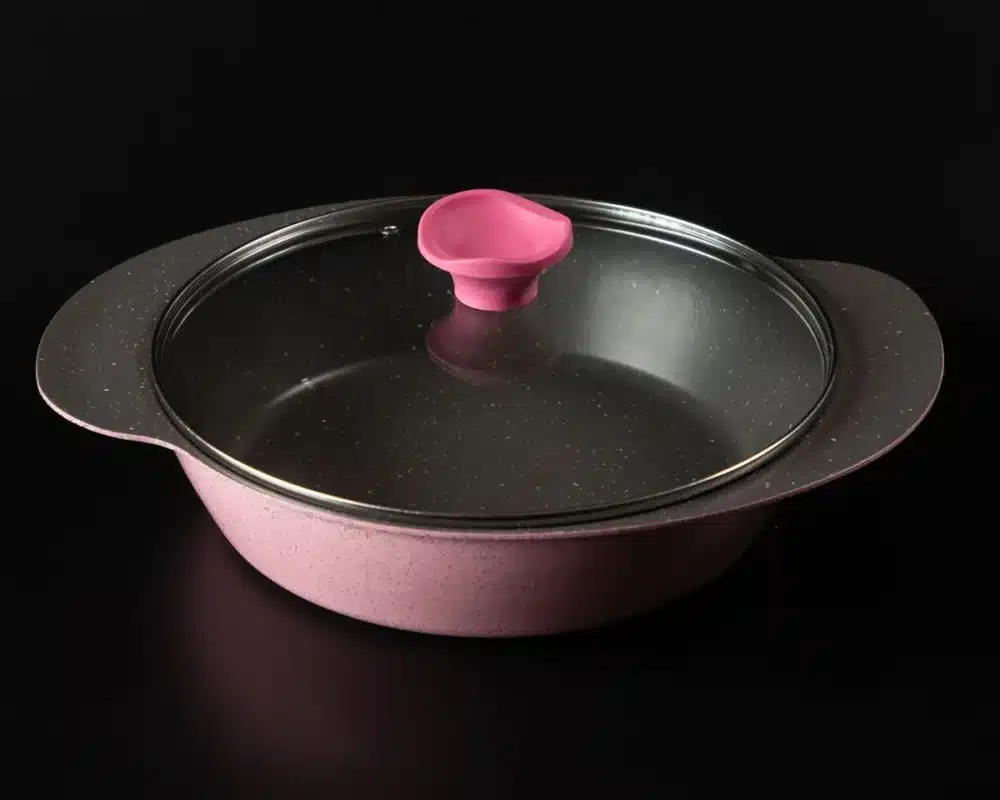
So, you're wondering if your Ninja pans can go from the stovetop right into the oven? That's a super common question, and it's a smart one to ask! It’s all about making sure you don't damage your cookware or, worse, create a safety hazard.
The short answer is: it depends on the specific Ninja pan you have. Ninja makes a few different lines, and not all of them are designed for oven use.
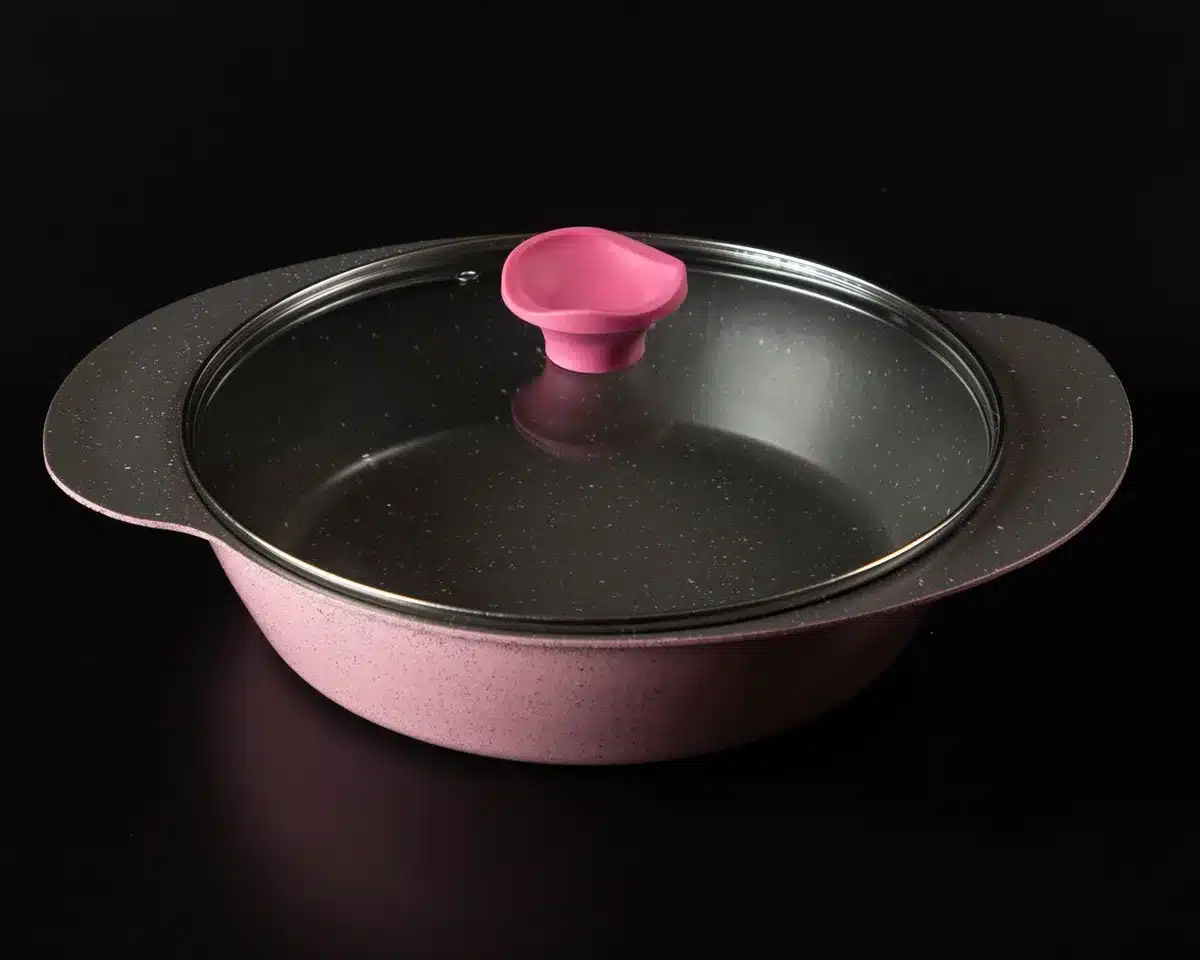
Image source: Pexels / Mohsen Naranjani (Pexels License)
Is Your Ninja Pan Oven Safe? Let's Find Out.
We've all been there: you've got a perfect sear on the stove, but the recipe calls for finishing in the oven. The big question is whether your beloved Ninja pan can handle that transition. Manufacturer specifications and aggregate user feedback from across the web indicate that while many Ninja cookware items are indeed oven-safe, this is not a universal feature. The exact temperature rating and material composition are critical determining factors, often capped around 500°F (260°C) for most oven-safe models.
Quick Answer: It Depends On Your Pan
The simple truth is that whether your Ninja pan is oven safe hinges entirely on its specific design and materials. Ninja offers a range of cookware, from their popular Ninja™ Foodi™ NeverStick® lines to other collections, and these have different capabilities. Relying on a blanket assumption that all Ninja pans can go in the oven can lead to costly mistakes.
Checking Your Ninja Pan: Key Steps
To avoid any guesswork and ensure you're using your Ninja cookware safely and effectively, there are a few straightforward steps you should follow. It's not complicated, but it does require a little bit of observation and attention to detail.
1. Inspect the Handle Material
This is often the most telling indicator of oven-safe capability. Handles are typically the first component to fail if a pan is used outside its intended temperature range.
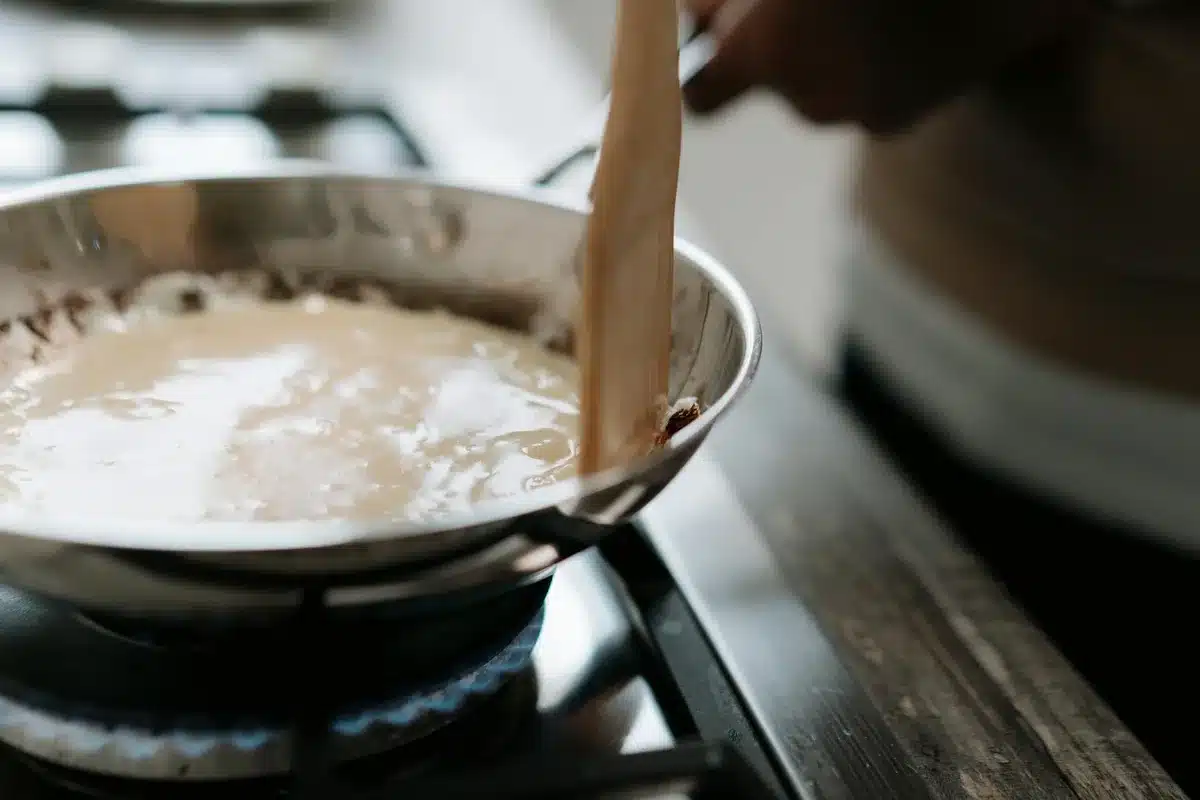
Image source: Pexels / cottonbro studio (Pexels License)
- Metal Handles: If your Ninja pan features handles made entirely of stainless steel, cast iron, or other robust metals without any plastic or silicone elements, it’s a strong sign it's designed for oven use. These materials can withstand high temperatures without melting or degrading.
- Plastic or Silicone Handles: Pans with handles made of plastic, silicone, or a combination of materials that include these are usually not oven-safe. These materials can warp, melt, or even off-gas when exposed to the high heat found in ovens, risking damage to the pan and potential safety hazards.
2. Look for Oven-Safe Temperature Ratings
Beyond the handle, the pan itself has a maximum temperature it can safely endure. This information is crucial for preventing damage and ensuring safety.
- Body vs. Handle: While the pan body is typically made of materials that can handle oven heat, the entire unit's oven-safe rating is limited by its weakest component, usually the handle.
- Specific Temperature Markings: Many oven-safe Ninja pans will clearly state their maximum oven temperature on the product itself, the packaging, or in the user manual. Common ratings seen in our research include "oven-safe up to 400°F (204°C)" and "oven-safe up to 500°F (260°C)." Always adhere to these stated limits.
3. Consult Your Ninja Product Manual
The most definitive answer for your specific Ninja pan will always be found with the documentation provided by the manufacturer. This is your primary source of truth.
Image source: Pexels / fajar alqodry (Pexels License)
- User Manual: This booklet contains detailed information about your cookware's use, care, and safety. It will explicitly state if the pan is oven-safe, the maximum temperature allowed, and any other critical instructions for oven use.
- Original Packaging: Sometimes, the oven-safe rating and temperature limit are printed directly onto the box or packaging the cookware came in. If you still have it, give it a look.
What Happens If It's Not Oven Safe?
Using a Ninja pan in an oven when it's not designed for it carries significant risks. These aren't just minor inconveniences; they can lead to ruined cookware, safety hazards, and potential injury.
Handle Meltdown and Damage Risks
The most immediate and visible consequence of placing a non-oven-safe pan in a hot oven is damage to the handle.
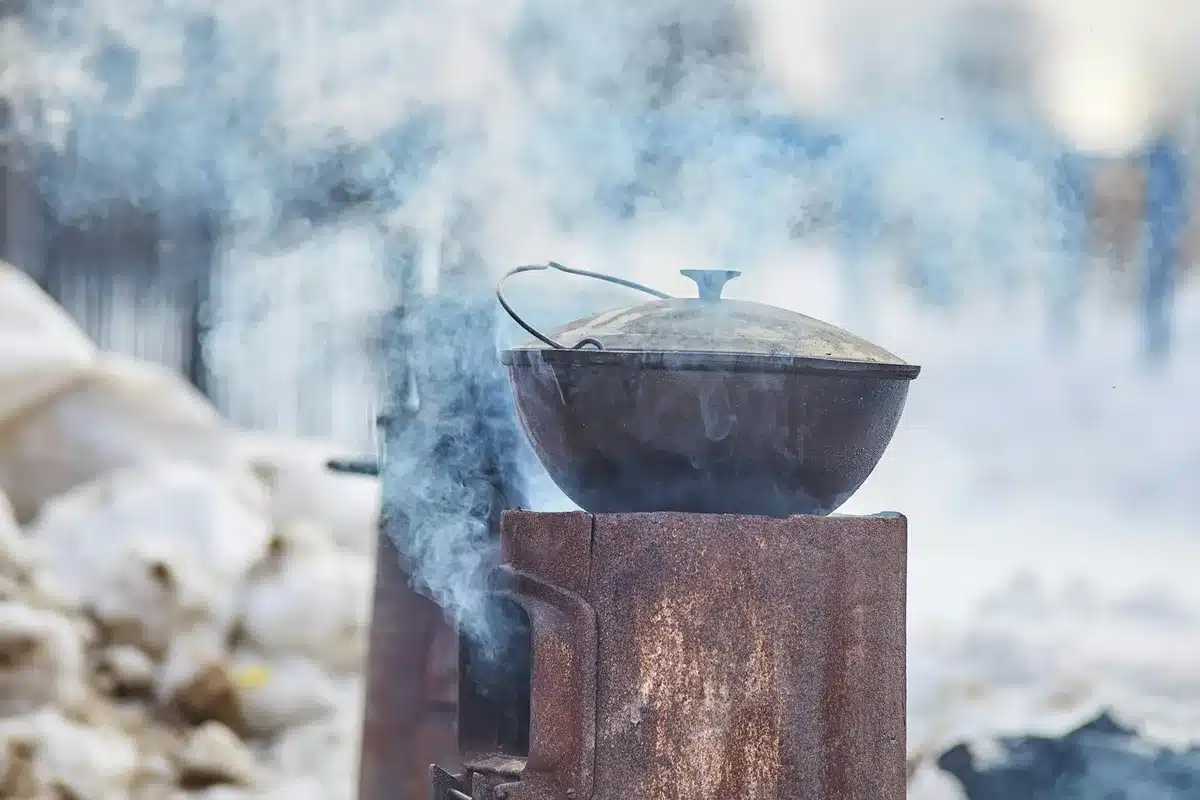
Image source: Pexels / Алексей Гвоздев (Pexels License)
- Melting or Warping: Plastic or silicone handles can quickly melt, warp, or deform under high oven temperatures, rendering the pan difficult or impossible to handle safely. This damage is usually permanent.
- Coating Damage: Even if the handle survives, the extreme heat your pan wasn't designed for can degrade or damage the non-stick coating or other surface treatments on the pan body, reducing its performance and longevity. This is particularly true if you exceed the manufacturer's recommended temperatures.
Safety Concerns
Beyond damaging the pan itself, using non-oven-safe cookware can create unsafe conditions in your kitchen.
- Fumes: Melting plastic or silicone can release unpleasant or potentially harmful fumes into the air.
- Instability: A damaged or melted handle can become unstable, increasing the risk of the hot pan slipping from your grasp when you try to remove it from the oven, leading to burns or spills.
- Fire Hazard: In extreme cases, overheated non-compliant materials could pose a small fire risk, though this is less common.
When in Doubt, Assume It's Not Oven Safe
If you've gone through the steps above and still can't find a clear indication that your Ninja pan is oven-safe, the most prudent course of action is to treat it as not oven-safe. It's always better to err on the side of caution than to risk damaging your cookware or causing an accident. This principle applies universally to all cookware, not just Ninja.
Finishing Cooking Safely
If you discover your Ninja pan isn't oven-safe, or if you're unsure, you have reliable alternatives to achieve that perfectly finished dish. The goal is to safely complete your cooking without compromising your cookware or your safety.
- Stovetop Completion: For recipes that require just a little more cooking time or a gentle simmer, you can often finish the dish entirely on the stovetop. This is the safest option if your pan has no oven-safe rating.
- Transfer to an Oven-Safe Dish: If the recipe truly requires oven heat (like a baked casserole, finishing a roast, or making a gratinee), the best approach is to transfer your food to a separate, confirmed oven-safe dish. Ceramic baking dishes, cast iron skillets (if rated for oven use), or glass casserole dishes are common choices. Ensure the receiving dish is appropriately sized for the food.
- Check Cookware Collections: Consider investing in a line of cookware specifically designed for both stovetop and oven use if this is a frequent need. Many brands offer ranges with full metal handles and high-temperature ratings that meet this demand. As of 2026, a growing number of consumer cookware sets are rated for oven use up to 500°F (260°C).
When in Doubt, Assume It's Not Oven Safe
If you've gone through the steps above and still can't find a clear indication that your Ninja pan is oven-safe, the most prudent course of action is to treat it as not oven-safe. It's always better to err on the side of caution than to risk damaging your cookware or causing an accident. This principle applies universally to all cookware, not just Ninja.
Finishing Cooking Safely
If you discover your Ninja pan isn't oven-safe, or if you're unsure, you have reliable alternatives to achieve that perfectly finished dish. The goal is to safely complete your cooking without compromising your cookware or your safety.
- Stovetop Completion: For recipes that require just a little more cooking time or a gentle simmer, you can often finish the dish entirely on the stovetop. This is the safest option if your pan has no oven-safe rating.
- Transfer to an Oven-Safe Dish: If the recipe truly requires oven heat (like a baked casserole, finishing a roast, or making a gratinee), the best approach is to transfer your food to a separate, confirmed oven-safe dish. Ceramic baking dishes, cast iron skillets (if rated for oven use), or glass casserole dishes are common choices. Ensure the receiving dish is appropriately sized for the food.
- Check Cookware Collections: Consider investing in a line of cookware specifically designed for both stovetop and oven use if this is a frequent need. Many brands offer ranges with full metal handles and high-temperature ratings that meet this demand. As of 2026, a growing number of consumer cookware sets are rated for oven use up to 500°F (260°C).
Common Mistakes to Avoid
Navigating cookware usage can sometimes trip us up. When it comes to oven safety with your Ninja pans, avoiding a few common pitfalls will save you a lot of frustration and expense.
- Assuming All Pans Are the Same: The biggest mistake is believing all Ninja pans, or even all pans within a single product line, behave the same way in the oven. Different handle designs and materials mean different oven-safe capabilities.
- Ignoring Handle Material: Overlooking the handle, especially if it's plastic or silicone, is a prime culprit for damage. These materials have low melting points compared to oven temperatures.
- Not Checking the Manual: Skipping the user manual is like trying to assemble furniture without instructions. The manual is the definitive guide for your specific pan's limitations.
- Guessing the Temperature: If you see a temperature rating, don't guess if your oven is "close enough." Stick strictly to the stated maximum, which is often around 500°F (260°C) for metal-handled Ninja cookware. Pushing that limit is risky.
Expert Tips for Oven-Safe Cookware
For home cooks looking to maximize the versatility of their kitchen tools, understanding oven-safe cookware is key. Here are some tips that go beyond the basics, drawn from manufacturer specifications and common cooking practices.
- Understand Material Limits: Always be aware of what your pan is made from. Stainless steel and cast iron are generally excellent for high heat, while many coated aluminum pans require specific handle designs to be oven-safe.
- Preheating Matters: When using an oven-safe pan, preheating it in the oven is often part of the cooking process. Ensure the pan has fully reached the desired temperature before adding food.
- Oven Mitts Are Non-Negotiable: Even metal handles can get extremely hot in the oven. Always use high-quality oven mitts or pot holders when removing any cookware from a hot oven.
- Consider Specialized Lines: If extensive oven use is a regular part of your cooking routine, consider investing in a cookware line explicitly designed for it, such as a durable stainless steel set with riveted metal handles that are rated for temperatures well over 400°F (204°C).
What Ninja Pan Models Are Oven Safe?
Pinpointing exact oven-safe Ninja pan models requires consulting their official documentation, as offerings can change. However, our research indicates that most Ninja™ Foodi™ NeverStick® series pans with entirely metal handles (stainless steel or cast iron) are generally rated for oven use.
- NeverStick® Series: These often boast oven-safe temperatures up to 500°F (260°C). This includes their frying pans, saucepans, and stockpots, provided they have no plastic or silicone components on the handles or lids.
- Other Ninja Collections: Some other Ninja cookware lines with solid metal construction throughout, including handles, will also be oven-safe. Always verify the specific product.
- Handle Exceptions: If a Ninja pan has any part of its handle made from plastic, silicone, or rubber, it is almost certainly not oven-safe beyond very low temperatures (if at all). These are typically limited to stovetop use.

Taslima Khanam Sultana is a digital publisher, domain investor, and maritime industry professional. She manages multiple niche websites focused on kitchen tools, lifestyle solutions, parenting products, sleep wellness, and digital productivity. She also shares insights from the global shipping and crew management industry through ShipCrewAgency.com. With hands-on experience in content research, affiliate publishing, and digital asset development, Taslima helps readers make smarter everyday decisions through practical and research-driven content.
Related posts:
 Ninja Air Fryer Vs Instant Vortex: Which Air Fryer Is Best?
 Philips Essential Air Fryer Xl Review: Honest Verdict
 Air Fryer Vs Conventional Oven: Time-Saving Comparison
 10 Air Fryer Mistakes Beginners Make: Easy Fixes Now
 How Does Ninja Creami Work 2026
 Can a Ninja Blender Be Used as a Food Processor in 2026