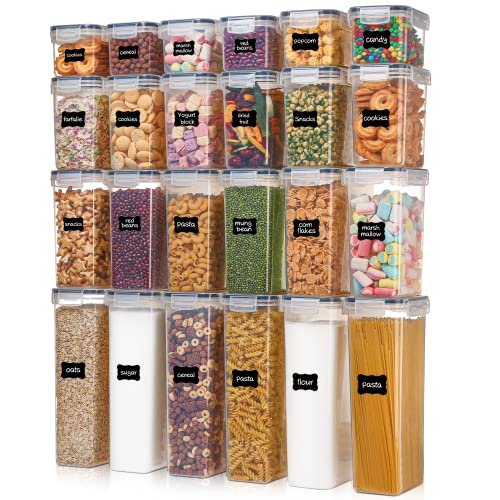
Rummaging through cluttered kitchen cabinets for a box of cereal only to find it stale and half-eaten is a universal frustration. Most standard cabinet spaces are underutilized, with awkward gaps, wasted vertical space, and mismatched containers that make it hard to find what you need. The right storage containers for kitchen cabinets solve two core problems at once: they maximize every inch of available shelf and cabinet real estate, and they create an airtight barrier that keeps dry goods, leftovers, and ingredients fresh for weeks longer than standard packaging. This guide breaks down how to choose the right containers for your cabinet layout, organize different zones for peak efficiency, avoid common pitfalls, and pick products that fit your household’s needs.
Why Dedicated Cabinet Storage Containers Outperform Random Bins
Most households rely on random plastic bins, leftover takeout containers, or original product packaging to store kitchen items, but these solutions almost always waste space and compromise freshness. Standard random bins are rarely sized to fit standard cabinet depths (10–12 inches for upper cabinets, 18–24 inches for lower cabinets), leading to gaps that collect dust and crumbs, or overhangs that prevent cabinet doors from closing fully.
In practice, switching to purpose-built cabinet storage containers can free up 30–40% of previously wasted cabinet space, while airtight seals reduce food waste from stale or spoiled dry goods significantly for average households. Unlike generic bins, dedicated cabinet containers are designed to stack, nest, and fit seamlessly into your existing cabinet layout without modification.
Key Features to Prioritize When Shopping
Not all storage containers are built for cabinet use, so focusing on these core features will ensure you get a set that delivers on both space and freshness goals.
Airtight Seals for Long-Lasting Freshness
For dry goods like cereal, flour, pasta, and spices, an airtight seal is non-negotiable to block moisture, pests, and air that causes staleness. Look for lids with silicone gaskets and locking clips that create a vacuum seal when closed; a quick test is to close the lid and try to pull the two halves apart—if it resists firmly, the seal is effective. For leftovers and produce storage, airtight seals also prevent cross-contamination and odor transfer between foods. The FDA maintains strict guidelines for food contact materials and storage safety: properly sealed containers can extend the shelf life of dry goods by 2–3x compared to original packaging, reducing household food waste. You can review the full FDA food storage safety guidelines for more details on safe storage practices.
Stackable, Modular Designs for Vertical Space
Vertical space is the most underused feature of most kitchen cabinets, and stackable containers let you take advantage of every inch of shelf height. Look for uniform sizing across sets so containers stack without wobbling, and nested designs that let containers fit inside each other when empty to save space in drawers or shelves. Modular bins that fit side-by-side with no gaps eliminate dead space between containers, which is especially useful for shallow upper cabinets.
Durable, Food-Safe Materials
BPA-free plastic is the most popular choice for cabinet storage: it’s lightweight, shatter-resistant, and affordable, making it ideal for families with kids. For storing acidic foods like tomato sauce, citrus, or vinegar, glass containers are a better option, as they’re non-porous and won’t stain or absorb odors, though they are heavier and more breakable. The FDA has strict guidelines for food contact materials, so avoid containers made from cloudy, cracked, or unmarked plastic, as these can leach harmful chemicals into food over time. You can read more about BPA safety in food packaging via the FDA’s official guidance.
Visibility and Labeling Compatibility
Clear container walls let you identify contents at a glance without opening each lid, cutting down on search time during meal prep. Look for containers with smooth, matte or glossy surfaces that work with dry-erase or adhesive labels, so you can mark contents, purchase dates, and expiration dates to practice FIFO (first in, first out) rotation and reduce waste.
Organizing Different Cabinet Zones for Maximum Efficiency
Every kitchen cabinet layout is different, so tailoring your container choice to each zone will deliver the biggest space and freshness gains.
Upper Cabinets (Dry Goods and Spices)
Upper cabinets are typically shallow (10–12 inches deep) and mounted high, so opt for short, stackable canisters for cereals, grains, snacks, and baking supplies. Use small, uniform bins for spices so you can pull out an entire bin to access back rows without knocking over other items. If your upper cabinets are out of direct sight, label every container clearly to avoid opening multiple lids to find what you need.
Lower Cabinets (Leftovers, Produce, and Heavy Items)
Lower cabinets are deeper (18–24 inches) and often have more weight capacity, so they’re ideal for taller airtight containers for flour, sugar, bulk pasta, and canned goods. Use stackable bins with handles for produce storage (onions, potatoes, squash) to keep them off the cabinet floor and easy to access. If you have young children in the home, secure lower cabinet doors with reliable cabinet latches to keep heavy containers and cleaning supplies out of reach. For lower cabinets with drawers, add childproof drawer locks to prevent little hands from pulling out heavy bins.
Awkward Corner and Undersink Spaces
Deep corner cabinets and undersink spaces are often the most cluttered, as items get pushed to the back and forgotten. Use clear, deep stackable bins or pull-out drawers that fit around undersink pipes to make use of every inch of these awkward spaces. For undersink cabinets storing cleaning supplies, pair bins with no-drill cabinet locks to keep toxic cleaners away from kids and pets.
Freshness Best Practices Beyond the Container
Even the best airtight containers can’t keep food fresh if you don’t follow a few simple storage habits:
- Portion bulk dry goods into container-sized servings before storing, so you only open one container at a time and minimize air exposure to the rest of the batch.
- Add a food-safe desiccant packet to containers for high-humidity climates to prevent clumping in flour, sugar, and spices.
- Label every container with its contents and expiration date, and practice FIFO rotation by placing newer items behind older ones so you use older stock first.
- Wash containers regularly with sturdy cleaning brushes to remove stuck-on food residue and prevent mold growth, especially in containers used for wet leftovers or produce.
Common Mistakes to Avoid
Even experienced home organizers fall into these traps when setting up cabinet storage:
- Buying containers before measuring your shelves: A common error is picking containers that are too tall for your cabinet height, too deep for shallow upper shelves, or too wide to fit side-by-side. Measure the interior dimensions of your cabinets (height, depth, width) before shopping to avoid returns and wasted space.
- Mixing random container sizes: Uniform sizing ensures containers stack securely and eliminates gaps between bins that collect dust and crumbs. Stick to one or two compatible sizes per cabinet zone for a streamlined look.
- Using non-airtight containers for dry goods: Even a small gap in a lid lets in moisture and pantry pests like weevils and moths, leading to wasted food and costly infestations. Reserve non-airtight bins only for items that don’t spoil, like snack packaging or cooking utensils.
- Overlooking cleaning before reorganizing: Before adding new containers, wipe down cabinet shelves with non-abrasive cleaning tools to remove dust, crumbs, and spilled food that can attract pests and harbor bacteria.
Top Product Picks for Every Cabinet Need
All the products below are purpose-built for cabinet use, with features that balance space, freshness, and durability.
24-Piece BPA-Free Airtight Canister Set (Vtopmart)
 Ideal for storing cereal, flour, and bulk dry goods with included labeling stickers.
This 24-piece set includes 8 different sized canisters, from small 0.5L containers for spices to large 3.2L canisters for flour and sugar, so you can customize your storage to fit any cabinet shelf. The airtight lids with silicone gaskets lock out moisture and pests, and the included 24 dry-erase labels make it easy to mark contents and expiration dates. The BPA-free black plastic is shatter-resistant and sleek enough to complement any kitchen decor. The only downside is that plastic can scratch over time with heavy use, and the set doesn’t include containers large enough for bulk 10+ pound bags of rice or flour. If you need a full set of dry goods canisters, this 24-piece Vtopmart option is a reliable pick here.
Ideal for storing cereal, flour, and bulk dry goods with included labeling stickers.
This 24-piece set includes 8 different sized canisters, from small 0.5L containers for spices to large 3.2L canisters for flour and sugar, so you can customize your storage to fit any cabinet shelf. The airtight lids with silicone gaskets lock out moisture and pests, and the included 24 dry-erase labels make it easy to mark contents and expiration dates. The BPA-free black plastic is shatter-resistant and sleek enough to complement any kitchen decor. The only downside is that plastic can scratch over time with heavy use, and the set doesn’t include containers large enough for bulk 10+ pound bags of rice or flour. If you need a full set of dry goods canisters, this 24-piece Vtopmart option is a reliable pick here.
6-Pack Clear Stackable Storage Bins (Vtopmart)
 Stackable design maximizes vertical space in shallow upper or lower cabinets.
These 6 clear, stackable bins are perfect for organizing snacks, produce, and small kitchen items in both upper and lower cabinets. The integrated handles make it easy to pull bins out from deep shelves, and the clear walls let you see contents at a glance. Each bin holds up to 15 pounds, so they’re sturdy enough for canned goods and heavy snack packages. The lids are not fully airtight, so they’re best suited for non-perishable items or produce that doesn’t require a sealed environment. For a versatile, budget-friendly bin set, these Vtopmart stackable bins are a solid choice here.
Stackable design maximizes vertical space in shallow upper or lower cabinets.
These 6 clear, stackable bins are perfect for organizing snacks, produce, and small kitchen items in both upper and lower cabinets. The integrated handles make it easy to pull bins out from deep shelves, and the clear walls let you see contents at a glance. Each bin holds up to 15 pounds, so they’re sturdy enough for canned goods and heavy snack packages. The lids are not fully airtight, so they’re best suited for non-perishable items or produce that doesn’t require a sealed environment. For a versatile, budget-friendly bin set, these Vtopmart stackable bins are a solid choice here.
60-Piece Microwave-Safe Food Storage Set (Rubbermaid)
 Dishwasher and microwave safe for meal prep and leftover storage.
This 60-piece set is ideal for households that do regular meal prep and need to store leftovers in lower cabinet shelves. The BPA-free plastic is microwave safe up to 212°F, so you can reheat food directly in the container without transferring to a separate dish, and it’s also dishwasher safe for easy cleaning. The set includes 30 containers and 30 lids in a range of sizes, from small dressing containers to large family-sized meal prep bins. The red color is bold enough to stand out in crowded cabinets, though it may not match all kitchen decors. The lids are not fully airtight, so they’re not ideal for long-term dry goods storage. If you prioritize meal prep convenience, this Rubbermaid set is a durable pick here.
Dishwasher and microwave safe for meal prep and leftover storage.
This 60-piece set is ideal for households that do regular meal prep and need to store leftovers in lower cabinet shelves. The BPA-free plastic is microwave safe up to 212°F, so you can reheat food directly in the container without transferring to a separate dish, and it’s also dishwasher safe for easy cleaning. The set includes 30 containers and 30 lids in a range of sizes, from small dressing containers to large family-sized meal prep bins. The red color is bold enough to stand out in crowded cabinets, though it may not match all kitchen decors. The lids are not fully airtight, so they’re not ideal for long-term dry goods storage. If you prioritize meal prep convenience, this Rubbermaid set is a durable pick here.
4-Piece 3.2L Airtight Spaghetti Canisters (Vtopmart)
 Wide openings make it easy to scoop pasta without spills.
These 4 tall, narrow canisters are designed specifically for long pasta like spaghetti, linguine, and fettuccine, but they also work well for chips, pretzel sticks, and other long snack items. The airtight seal keeps pasta fresh for up to 2 years, and the clear walls let you see how much you have left at a glance. The BPA-free plastic is lightweight and stackable, so you can store multiple canisters on a single shelf. The narrow shape means they’re not suitable for short pasta or bulk items, so pair them with wider canisters for full pantry coverage. For anyone tired of half-eaten stale pasta boxes, these canisters are a practical upgrade here.
Wide openings make it easy to scoop pasta without spills.
These 4 tall, narrow canisters are designed specifically for long pasta like spaghetti, linguine, and fettuccine, but they also work well for chips, pretzel sticks, and other long snack items. The airtight seal keeps pasta fresh for up to 2 years, and the clear walls let you see how much you have left at a glance. The BPA-free plastic is lightweight and stackable, so you can store multiple canisters on a single shelf. The narrow shape means they’re not suitable for short pasta or bulk items, so pair them with wider canisters for full pantry coverage. For anyone tired of half-eaten stale pasta boxes, these canisters are a practical upgrade here.
8-Piece Mixed-Size Clear Stackable Bins
 Two size options fit both small spice jars and large snack packages.
This set includes 4 large and 4 small clear stackable bins, making it versatile for organizing a mix of items in any cabinet zone. Use the small bins for spices, seasoning packets, and tea bags, and the large bins for snack boxes, produce, and small kitchen gadgets. The bins are made of durable, shatter-resistant plastic, and the stackable design lets you create custom storage towers for deep lower cabinets. The lids are not airtight, so they’re best for non-perishable items. This set is a great pick for households that need flexible storage for a variety of items here.
Two size options fit both small spice jars and large snack packages.
This set includes 4 large and 4 small clear stackable bins, making it versatile for organizing a mix of items in any cabinet zone. Use the small bins for spices, seasoning packets, and tea bags, and the large bins for snack boxes, produce, and small kitchen gadgets. The bins are made of durable, shatter-resistant plastic, and the stackable design lets you create custom storage towers for deep lower cabinets. The lids are not airtight, so they’re best for non-perishable items. This set is a great pick for households that need flexible storage for a variety of items here.
15-Piece BPA-Free Airtight Canister Set (Vtopmart)
 Sleek black finish complements modern kitchen cabinet decor.
This 15-piece set is perfect for small to medium-sized pantries and cabinets, with a range of sizes for all common dry goods: small canisters for spices, medium for pasta and grains, and large for flour and sugar. The airtight lids with locking clips keep food fresh for months, and the set includes 24 dry-erase labels for easy organization. The sleek black finish hides stains and scratches better than clear containers, so they look new even with heavy use. The set only comes in black, so it may not fit all kitchen decors, and the largest canister is only 2.5L, so it’s not suitable for bulk dry goods. For a stylish, functional medium-sized set, this Vtopmart option is a great pick here.
Sleek black finish complements modern kitchen cabinet decor.
This 15-piece set is perfect for small to medium-sized pantries and cabinets, with a range of sizes for all common dry goods: small canisters for spices, medium for pasta and grains, and large for flour and sugar. The airtight lids with locking clips keep food fresh for months, and the set includes 24 dry-erase labels for easy organization. The sleek black finish hides stains and scratches better than clear containers, so they look new even with heavy use. The set only comes in black, so it may not fit all kitchen decors, and the largest canister is only 2.5L, so it’s not suitable for bulk dry goods. For a stylish, functional medium-sized set, this Vtopmart option is a great pick here.
8-Piece Clear Stackable Bins with Lids (Vtopmart)
 Lids keep contents dust-free and protected from pests in cabinets.
These 8 clear bins with fitted lids are ideal for storing items that need protection from dust and pests, like snack packages, tea bags, and baking supplies. The stackable design lets you build a custom storage tower for deep lower cabinets, and the integrated handles make it easy to pull bins out from high shelves. The lids are not fully airtight, but they do block dust, crumbs, and small pests like ants. The plastic is scratch-resistant and easy to clean, though it can stain if you store colorful items like curry powder or tomato sauce directly in the bins. For versatile, protected storage, this 8-piece set is a reliable choice here.
Lids keep contents dust-free and protected from pests in cabinets.
These 8 clear bins with fitted lids are ideal for storing items that need protection from dust and pests, like snack packages, tea bags, and baking supplies. The stackable design lets you build a custom storage tower for deep lower cabinets, and the integrated handles make it easy to pull bins out from high shelves. The lids are not fully airtight, but they do block dust, crumbs, and small pests like ants. The plastic is scratch-resistant and easy to clean, though it can stain if you store colorful items like curry powder or tomato sauce directly in the bins. For versatile, protected storage, this 8-piece set is a reliable choice here.
Multi-Use Clear Storage Bins (ClearSpace)
 Compact size fits tight cabinet shelves and undersink spaces.
These 4 compact clear bins are perfect for small cabinet spaces, like the gaps between cabinet shelves or undersink areas with pipes. They’re made of durable, shatter-resistant plastic, and the clear walls let you see contents at a glance. Use them to store cleaning supplies, dish soap, sponges, or small kitchen gadgets. The compact size means they’re not suitable for large items, but they’re a great way to utilize wasted small spaces in your cabinets. For multi-use small-space storage, this ClearSpace set is a practical pick here.
Compact size fits tight cabinet shelves and undersink spaces.
These 4 compact clear bins are perfect for small cabinet spaces, like the gaps between cabinet shelves or undersink areas with pipes. They’re made of durable, shatter-resistant plastic, and the clear walls let you see contents at a glance. Use them to store cleaning supplies, dish soap, sponges, or small kitchen gadgets. The compact size means they’re not suitable for large items, but they’re a great way to utilize wasted small spaces in your cabinets. For multi-use small-space storage, this ClearSpace set is a practical pick here.
32-Piece BPA-Free Airtight Canister Set (Vtopmart)
 Large set covers all dry goods storage needs for full pantry organization.
This 32-piece set is the most comprehensive option for full kitchen cabinet and pantry organization, with 16 different sized canisters for every dry good you can imagine, from small spice jars to large 4L containers for bulk rice and flour. The airtight lids with silicone gaskets keep food fresh for up to 2 years, and the set includes 32 dry-erase labels for full customization. The clear walls let you see contents at a glance, and the black lids hide stains and scratches. The set weighs 11.33 pounds, so it’s heavier than smaller sets, but the uniform sizing makes it easy to stack and organize. For a full, all-in-one storage solution, this 32-piece Vtopmart set is a top pick here.
Large set covers all dry goods storage needs for full pantry organization.
This 32-piece set is the most comprehensive option for full kitchen cabinet and pantry organization, with 16 different sized canisters for every dry good you can imagine, from small spice jars to large 4L containers for bulk rice and flour. The airtight lids with silicone gaskets keep food fresh for up to 2 years, and the set includes 32 dry-erase labels for full customization. The clear walls let you see contents at a glance, and the black lids hide stains and scratches. The set weighs 11.33 pounds, so it’s heavier than smaller sets, but the uniform sizing makes it easy to stack and organize. For a full, all-in-one storage solution, this 32-piece Vtopmart set is a top pick here.
4-Pack Large Stackable Storage Drawers (Vtopmart)
 Pull-out design makes accessing items in deep lower cabinets easy.
These 4 large, clear acrylic drawers are perfect for deep lower cabinets, pantries, and undersink spaces where items get pushed to the back and forgotten. The stackable design lets you stack up to 3 drawers high to maximize vertical space, and the smooth glide mechanism makes it easy to pull drawers out fully to access back items. The clear acrylic lets you see contents at a glance, and the drawers are easy to assemble with no tools required. They’re not airtight, so they’re best for non-perishable items, cleaning supplies, or produce. These drawers are also a great option for undersink cabinets, and pair well with no-drill cabinet locks if you store cleaning supplies in the same space. For deep cabinet organization, this 4-pack drawer set is a game-changer here.
Pull-out design makes accessing items in deep lower cabinets easy.
These 4 large, clear acrylic drawers are perfect for deep lower cabinets, pantries, and undersink spaces where items get pushed to the back and forgotten. The stackable design lets you stack up to 3 drawers high to maximize vertical space, and the smooth glide mechanism makes it easy to pull drawers out fully to access back items. The clear acrylic lets you see contents at a glance, and the drawers are easy to assemble with no tools required. They’re not airtight, so they’re best for non-perishable items, cleaning supplies, or produce. These drawers are also a great option for undersink cabinets, and pair well with no-drill cabinet locks if you store cleaning supplies in the same space. For deep cabinet organization, this 4-pack drawer set is a game-changer here.
Frequently Asked Questions
How do I choose airtight containers for my kitchen?
Start by measuring your cabinet shelf dimensions to ensure containers fit without overhangs. Look for lids with silicone gaskets and locking clips for a true airtight seal, and opt for BPA-free materials for food safety. Choose stackable, uniform sizes to maximize vertical space, and pick clear containers with labeling compatibility for easy identification. Airtight containers are best for dry goods, leftovers, and produce that spoils quickly when exposed to air.
Are Vtopmart storage bins stackable?
Yes, all Vtopmart storage bins and canisters are designed to stack securely, with a weight capacity of up to 15 pounds per bin. The uniform sizing across sets means you can mix and match bins from different Vtopmart lines without wobbling, and the nested design lets containers fit inside each other when empty to save space.
Can Rubbermaid containers go in the microwave?
Yes, all Rubbermaid BPA-free food storage containers are microwave safe up to 212°F. Always remove the lid before microwaving to prevent pressure buildup, and avoid microwaving containers for prolonged periods or with high-fat foods that can reach temperatures above the safe limit. They are also top-rack dishwasher safe for easy cleaning.
How do labels help with kitchen organization?
Labels cut down on search time by letting you identify container contents at a glance without opening lids, which is especially useful for upper cabinets that are out of direct sight. Color-coded labels (e.g., green for grains, red for snacks, blue for baking supplies) can further streamline organization, and marking expiration dates helps you practice FIFO rotation to reduce food waste. In practice, labeled cabinets reduce meal prep time by 10–15 minutes per week for average households.
Why are BPA-free containers important?
BPA (bisphenol A) is a chemical used in some plastics that can leach into food, especially when containers are heated or scratched. Long-term exposure to BPA has been linked to potential health risks, so the FDA banned BPA in baby bottles in 2012 and recommends using BPA-free containers for all food storage, especially for acidic foods, leftovers, and items stored for long periods. BPA-free containers eliminate this risk, keeping your food safe and fresh.
Conclusion
The right storage containers for kitchen cabinets do more than just reduce clutter—they cut down on food waste, speed up meal prep, and make your kitchen feel more functional and enjoyable to use. To get the most out of your storage, start by measuring your cabinet shelves to pick containers that fit perfectly, prioritize airtight seals for dry goods and leftovers, and use stackable designs to maximize vertical space. Don’t forget to label every container and practice FIFO rotation to use older items first, and secure lower cabinets with no-drill drawer locks if you have young children in the home. With the right setup, you can turn even the most cluttered cabinet into an organized, efficient space that keeps your food fresh and your kitchen running smoothly.

Hi, I’m Daniel Brooks—a food lover and kitchen gear enthusiast. I enjoy testing cookware, utensils, and gadgets to see what really works in everyday cooking. At PlugChef.com, I share honest reviews, comparisons, and simple guides to help you choose the best tools for a safer, smarter, and more enjoyable kitchen.
Related posts:
 Air Fryer With Stainless Steel Basket: Elevate Your Cooking Game Instantly
 Kitchen Black Stainless Steel Appliances: Elevate Your Culinary Experience Today
 Best Commercial Crepe Maker: Unleash Your Culinary Creativity Today!
 Best Kitchen Appliance Bundle Deals: Unlock Ultimate Culinary Convenience Today
 Kitchen Appliance Packages Stainless Steel: Elevate Your Cooking Space Today!
 Best Coffee Grinders for French Press: Elevate Your Brew Experience Today